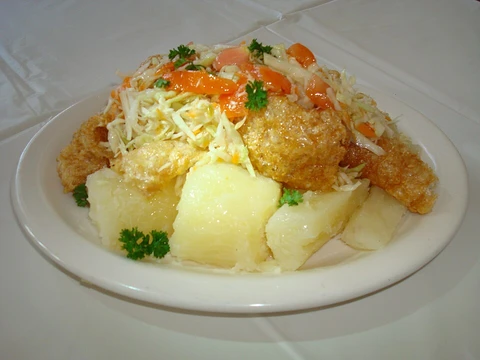
Atole
Traditional hot masa beverage of Mesoamerican origin.

Wotancito · CC BY-SA 4.0
Atole is a traditional hot masa-based beverage of Mesoamerican origin, also known as atolli, atol, and atol de elote. It is believed to come from Nahuatl ātōlli or from Mayan, and has been consumed since pre-Columbian times, often accompanying tamales and featuring in cultural celebrations such as Day of the Dead and Las Posadas.
Quick Facts
- Country
- Mexico
- Region
- Mesoamerica
- Served
- Hot
- Main Ingredient
- Masa, water, piloncillo, cinnamon, vanilla
- Variations
- Champurrado
Facts from the source article.
Lore & Background
Atole's history is deeply tied to Mesoamerican cultures. Many Classic Maya painted vessels feature inscriptions known as the 'dedicatory formula' or 'primary standard sequence' (PSS), which list cacao and a maize drink—scholarly inferred to be 'ul'—as the two main ingredients. The beverage's name is believed to derive from Nahuatl ātōlli or from Mayan, reflecting its pre-Columbian roots.
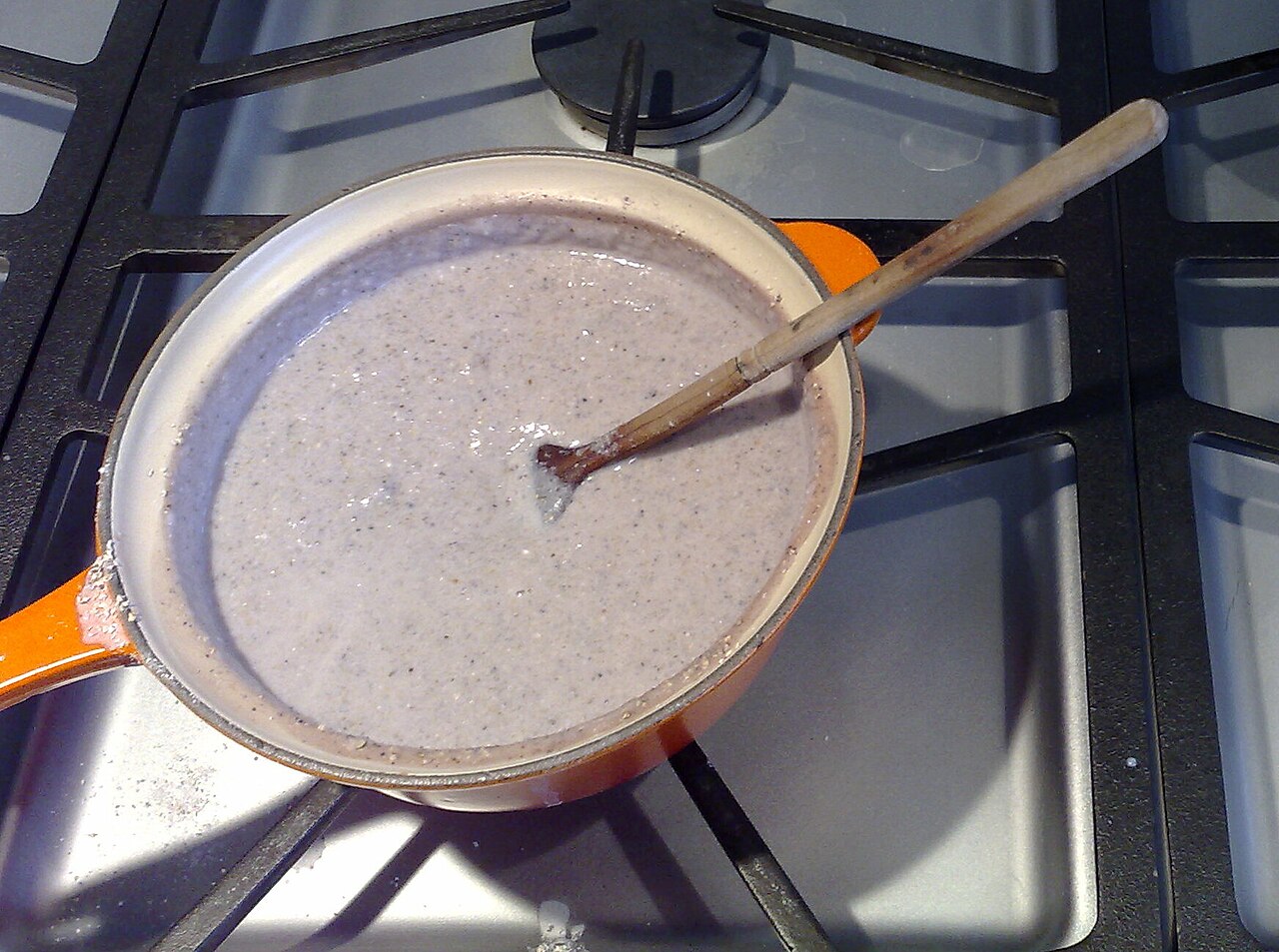
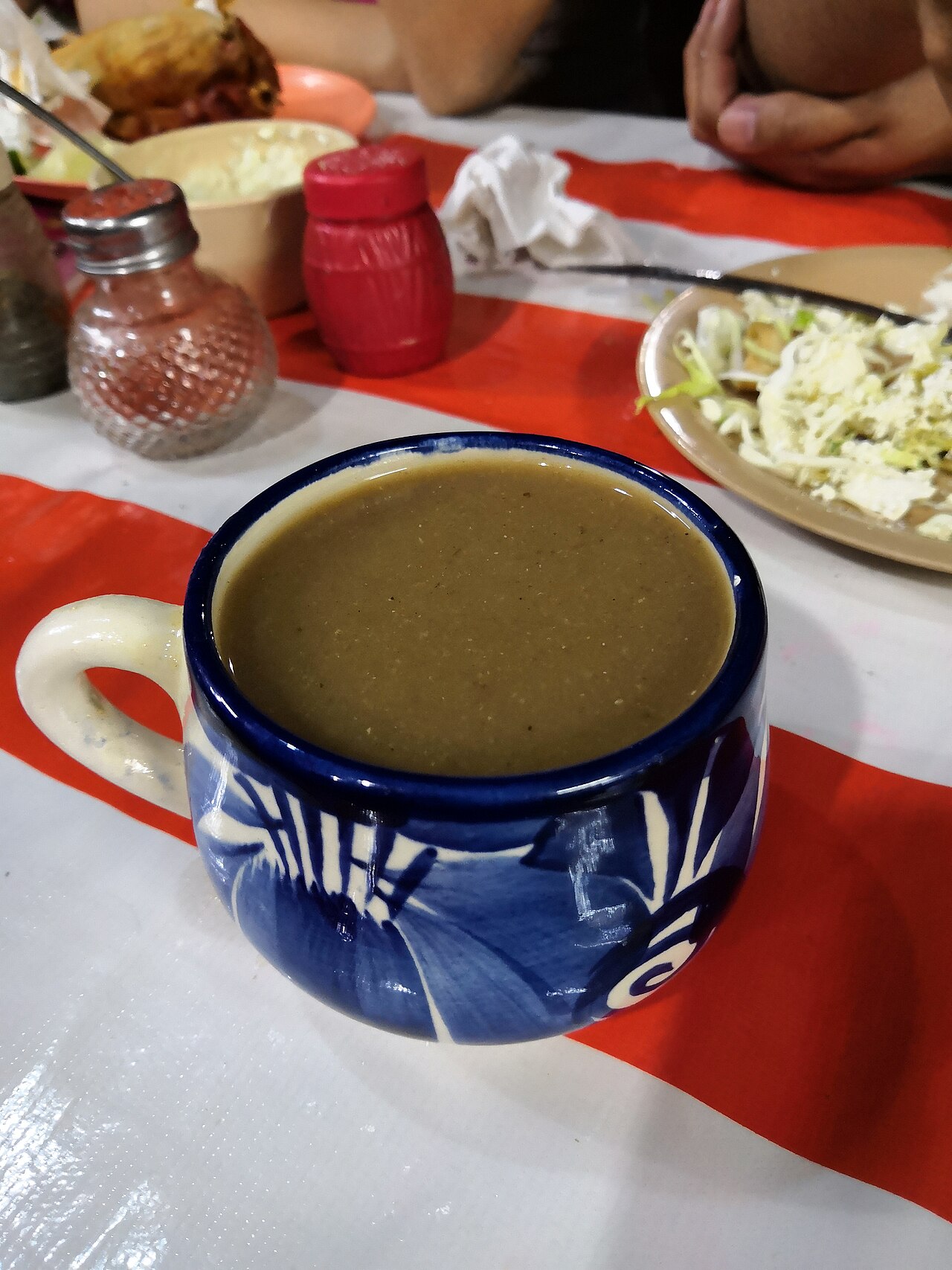
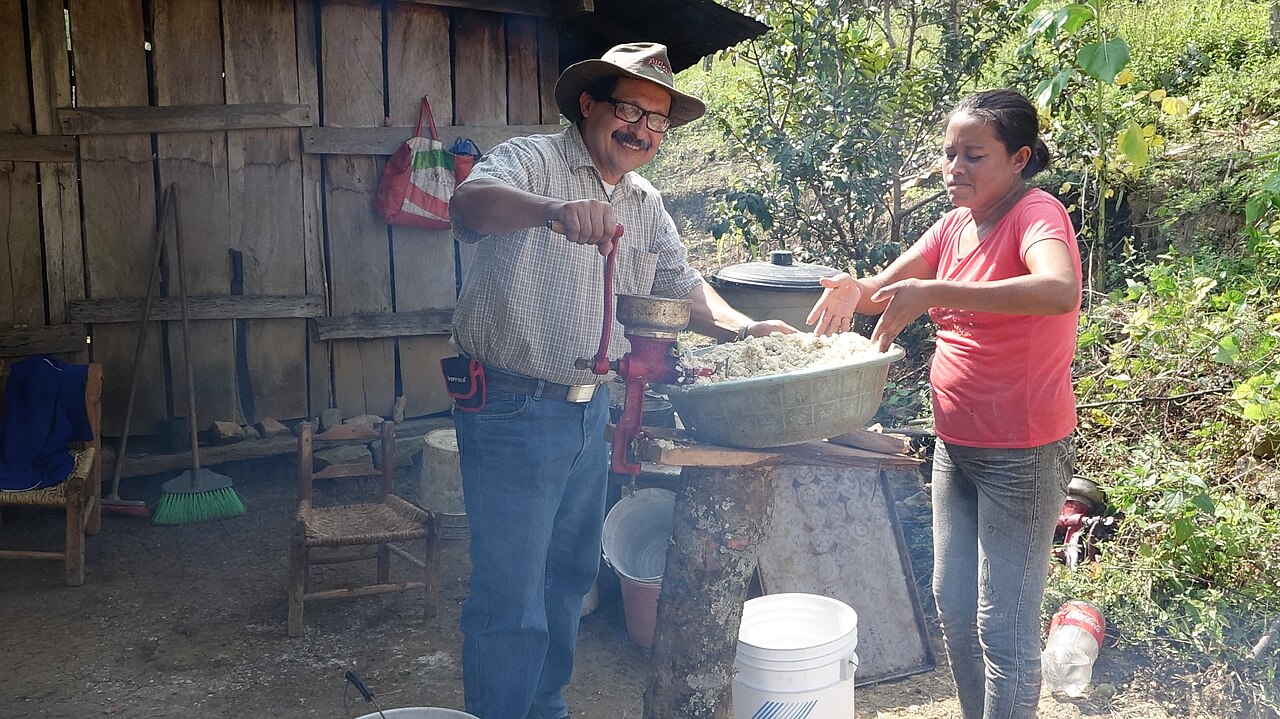
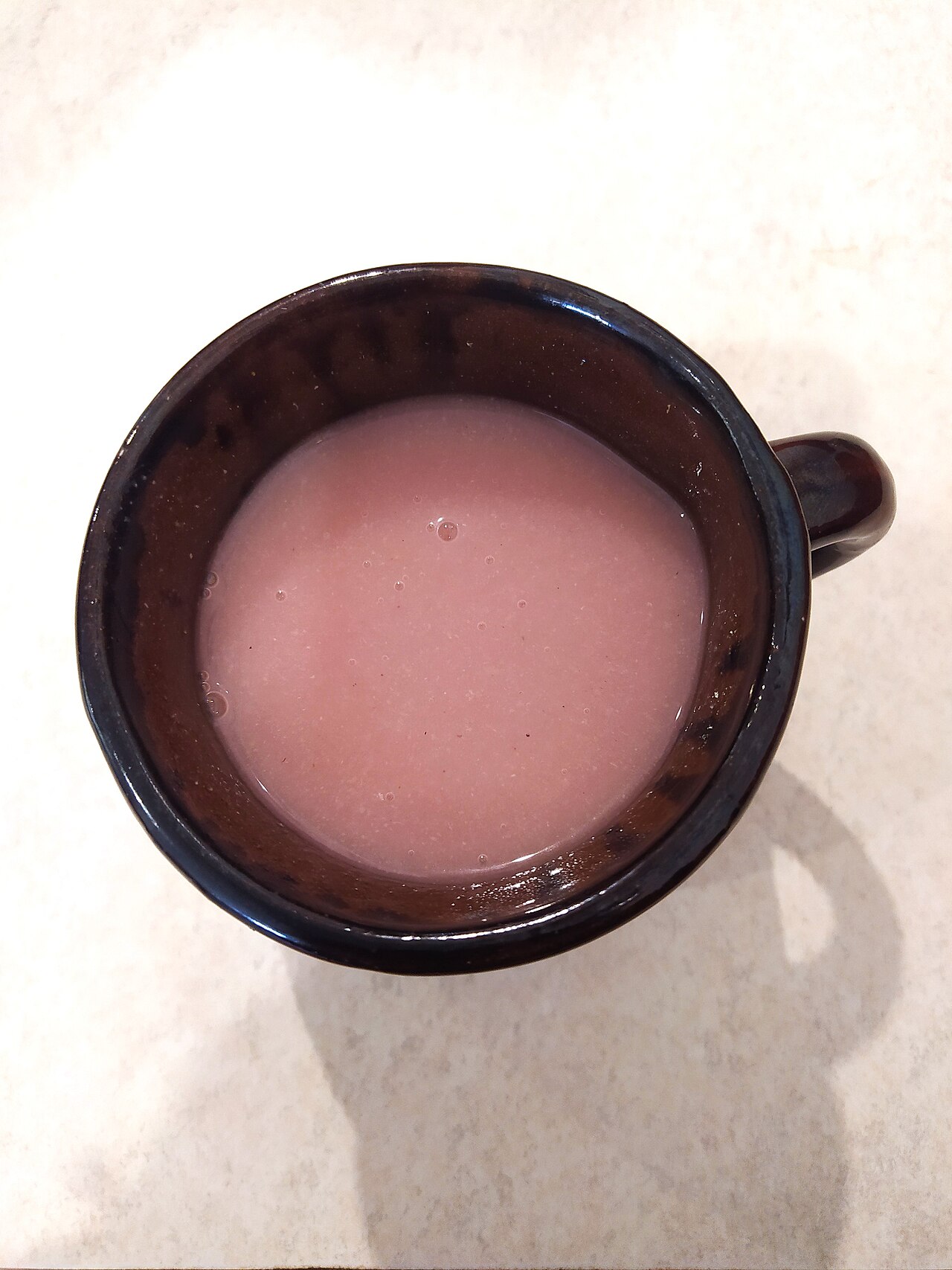
In Mexico, atole is made by toasting masa on a comal, then adding water boiled with cinnamon sticks. It can be flavored with vanilla, cinnamon, guava, or chocolate (the latter called champurrado). It is typically served with tamales and is especially consumed during Day of the Dead and Las Posadas.
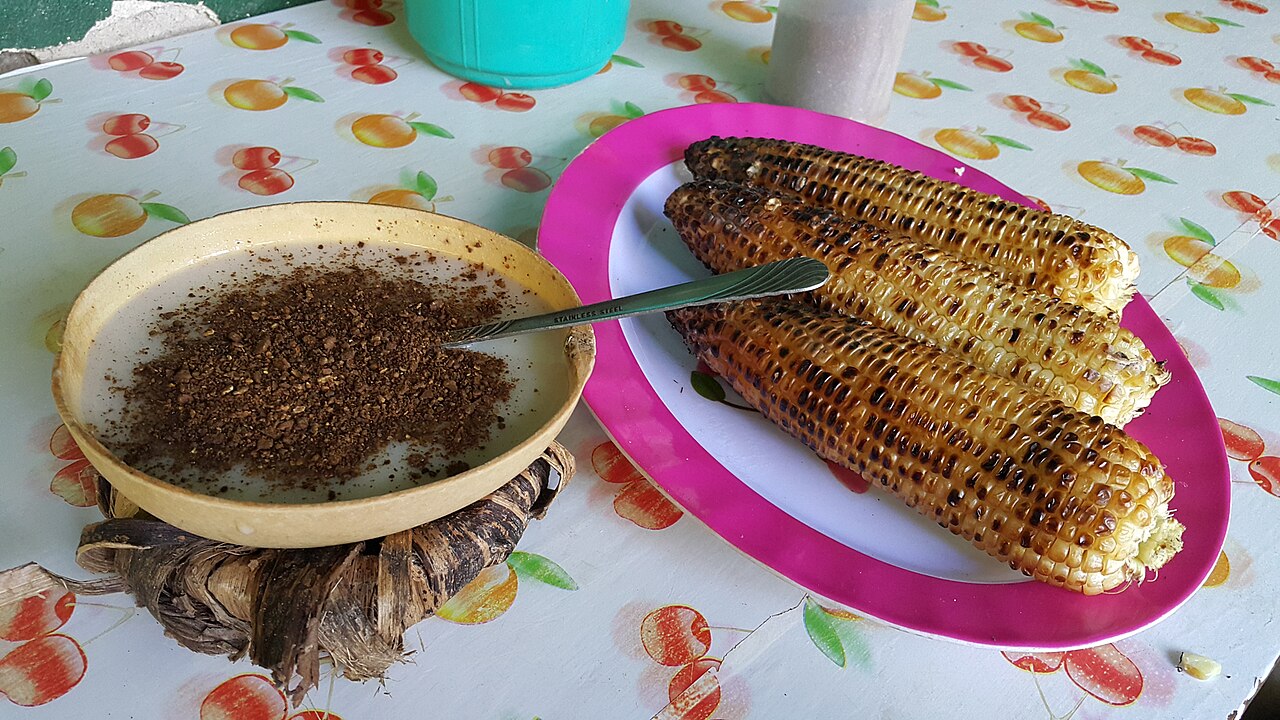
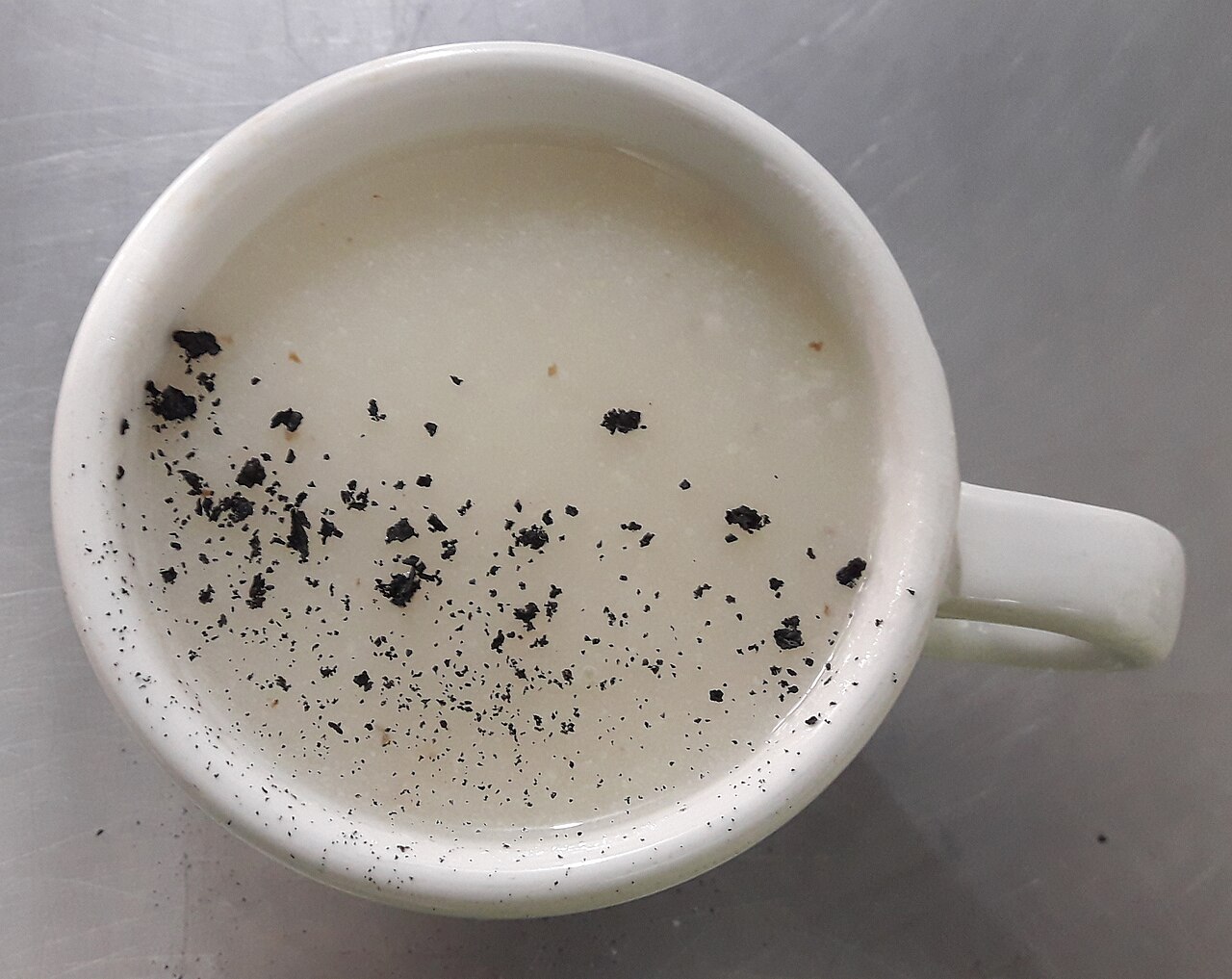
Regional variations abound. In Central America, atol de elote is common, and pineapple atol is consumed in El Salvador. Guatemalan varieties include atol shuco, noted for its darker color. In New Mexico, blue corn atole is a grainy porridge-style drink served warm, often sweetened with sugar or thinned with milk, and is eaten at breakfast. The Puebloan peoples sometimes call a similar blue corn mush or porridge 'chaquehue' or 'chaquewa'; the Diné call their blue corn mush with juniper ash 'dilzhéʼé' or similar, and it is not called atole; the Hopi call it wataca and use atole flour for piki bread.
Reader's Guide
Atole holds significance as a living link to pre-Columbian culinary traditions, with evidence of its use found in Classic Maya inscriptions alongside cacao. Its enduring presence across Mexico, Central America, and the Southwestern United States illustrates the spread and adaptation of indigenous foodways. The beverage is not merely a drink but a cultural marker, associated with major holidays like Day of the Dead and Las Posadas, and with daily life in regions such as New Mexico, where it is consumed for energy and by nursing mothers. The Spanish idiom 'dar atole con el dedo' ('to give atole with the thumb') reflects its cultural embeddedness, meaning to placate with deception, possibly originating from wet nurses or pre-Columbian drought practices. In Guatemala, a community randomized trial funded by the National Institute of Child Health and Human Development used a high-protein atole-like beverage to test the hypothesis that improved protein intakes lead to better child development test scores, demonstrating atole's role in modern nutritional research. Atole thus bridges ancient ritual, regional identity, and contemporary science.
Did You Know?
- Chocolate atole is known as champurrado or simply atole.
- Classic Maya painted vessels list a maize drink—scholarly inferred as 'ul'—as one of two main ingredients in their dedicatory formula inscriptions, though the term 'atole' is not used directly.
- In New Mexico, elders are said to have drunk atole because it gave them energy, and nursing mothers drink it to increase milk production.
- The Spanish idiom 'dar atole con el dedo' means to placate with deception.
Ancient Roots and Linguistic Heritage
The word atole, pronounced [aˈtole] in Spanish, traces its lineage to either the Nahuatl term ātōlli or to Mayan roots, though the exact source remains a matter of scholarly belief rather than settled fact. The drink itself has appeared under several names across the centuries—atolli, atol, and atol de elote—yet it has always been a warm, masa-based preparation rooted in Mesoamerican food culture. Evidence of its antiquity reaches remarkably far back. Painted vessels from the Classic Maya period carry inscriptions called the "dedicatory formula" or "primary standard sequence," and within their contents sections, cacao and atole are listed as the two principal ingredients. This places the beverage firmly within the material and ritual life of ancient Maya civilization. In the American Southwest, the story stretches even further: Ancestral Puebloans were cultivating corn by roughly 2000 BCE and had developed sophisticated irrigation ditches by 205 CE, laying the agricultural groundwork that would eventually support atole-making traditions in New Mexico.
Regional Preparations and Local Names
In Mexico, the classic preparation begins with toasting masa on a comal griddle, then combining it with water that has been boiled alongside cinnamon sticks. Piloncillo, vanilla, and optional chocolate or fruit round out the flavor profile before the mixture is blended and heated for serving. Across Central America, the drink takes on distinct local identities. Guatemala, Honduras, El Salvador, and Nicaragua all serve atol de elote as a staple beverage, while El Salvador adds a pineapple variation known as atol de piña. Guatemalan cities favor atol shuco, a darker-colored variety whose name literally translates to "dirty atole." In New Mexico, blue corn atole is prepared as a grainy, porridge-like drink—finely ground cornmeal is toasted, then sweetened with sugar or thinned with milk and served warm at breakfast. The Puebloan peoples refer to it as chaquehue or chaquewa, the Diné call it mush and add juniper ash, and the Hopi name it wataca. Hopi atole flour also serves as the base for piki bread, and their blue corn is planted in deep seed bundles to reach groundwater, historically irrigated through Moorish-influenced acequia systems.
Cultural Traditions and Linguistic Legacy
Atole occupies a special place in Mexican ritual life. It is the customary companion to tamales and takes center stage during two of the most significant observances in the Mexican calendar: Day of the Dead on November 2 and the Christmas-season celebration of Las Posadas. When chocolate is the dominant flavor, the drink is commonly called champurrado, though it may simply go by atole. Beyond the kitchen, the beverage has left a lasting mark on the Spanish language. The idiom "dar atole con el dedo"—literally "to give atole with the thumb"—carries the meaning of placating someone through deception. Two origins are proposed for this expression. One suggests that wet nurses would coat their thumbs with atole to soothe and distract infants. The other points to pre-Columbian Mexico, where communities distributed tamales and atole to neighbors during periods of drought, a gesture that could be exploited as a hollow show of generosity. Either way, the phrase has endured as a vivid colloquial warning against being fooled by small, sweet gestures.
Nutritional Role and Community Impact
Atole has long served not merely as a cultural symbol but as a practical source of sustenance. In New Mexico, elders traditionally drank atole because it provided them with energy, and nursing mothers relied on the beverage to help increase their milk supply. The drink was typically consumed at breakfast in a manner similar to Cream of Wheat or oatmeal, making it a foundational part of daily nutrition. In Guatemala, the beverage's nutritional potential was taken seriously by public health researchers. The National Institute of Child Health and Human Development provided funding for INCAP to conduct a community randomized trial testing whether improved protein intake could lead to better child development test scores. Participants received a high-protein atole-like drink formulated from INCAPARINA—a vegetable protein mixture developed by INCAP that is primarily corn-based—combined with dry skim milk, sugar, and a flavoring agent. This effort demonstrated how a humble, ancient corn-based preparation could be adapted to address modern nutritional challenges in vulnerable communities.
Gallery
More in Nicaraguan cuisine 1-24
Spotted an error? Know more?
Reader corrections go straight into our review queue. Suggest an edit · How this site is sourced