Agua fresca
Traditional Latin American fruit and flower drinks.

ProtoplasmaKid · CC BY-SA 4.0
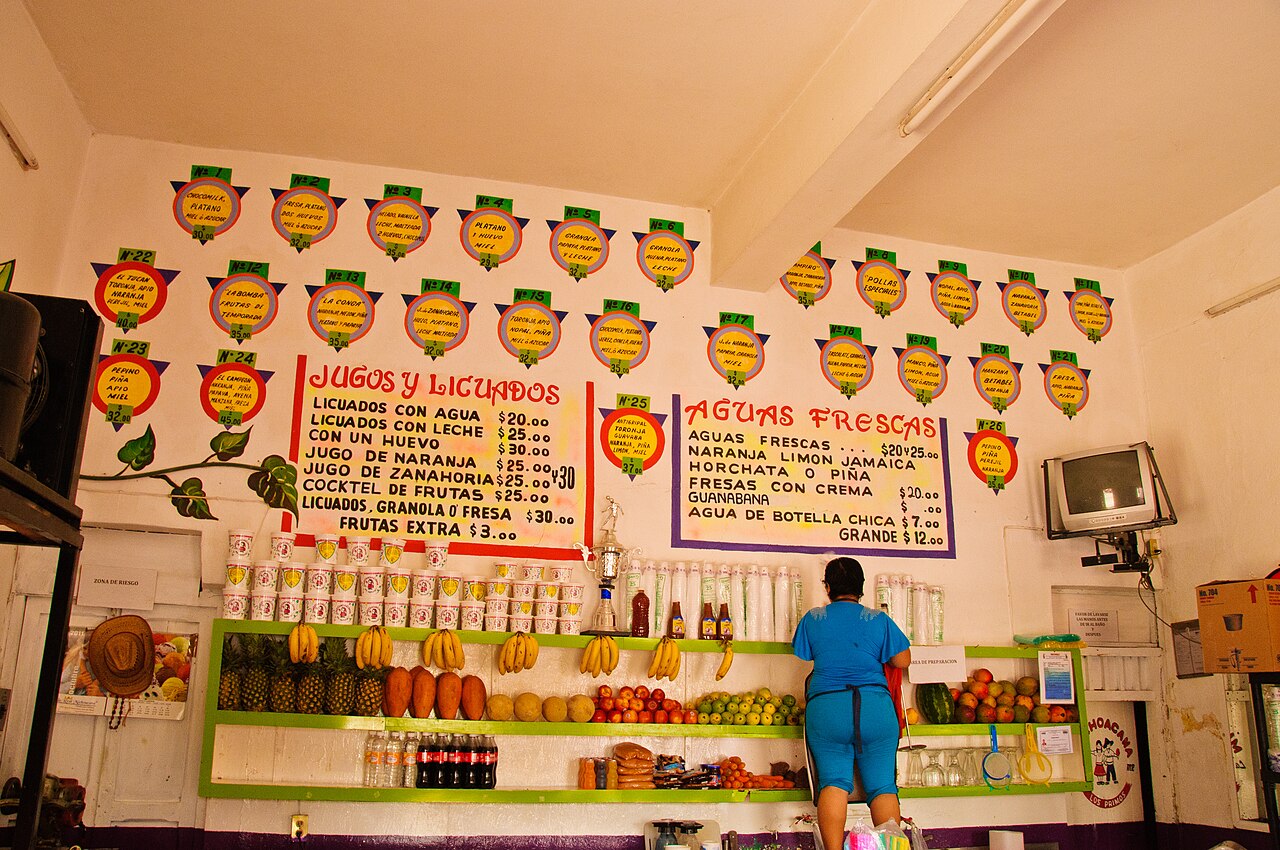
Aguas frescas—meaning "cool waters" or "fresh waters"—are light, non-alcoholic drinks made by blending fruits, cereals, flowers, or seeds with sugar and water. They are served by ladling from large jars into glasses. Popular across Latin America and in U.S. regions like the Southwest and cities with large Latino communities (such as Los Angeles and San Antonio), common flavors include tamarindo, jamaica, and horchata. Street vendors, convenience stores, restaurants, and juice bars all sell them.
The practice of flavoring water with fruit and flowers in Mexico dates back to ancient times. The Aztecs of Tenochtitlan gathered fruit and flowers while traveling by canoe along the city’s canals, preparing early versions of these drinks for hydration. Sugar, now the typical sweetener, arrived after the Spanish conquest in the early 16th century, which also introduced Old World ingredients that expanded the category: hibiscus (jamaica) and tamarind came from Africa and Asia through colonial trade, while rice, cinnamon, and barley became the base for horchata. These drinks are made by blending fresh ingredients with water and lightly sweetening them, making them especially refreshing in hot climates.
Outside Mexico, aguas frescas have grown significantly in the United States. According to industry analysts at Technomic, their popularity is rising faster than lemonade, fueled by demand from Latin American communities and younger consumers seeking lower-sugar alternatives to soda, as well as interest in natural ingredients and traditional methods.
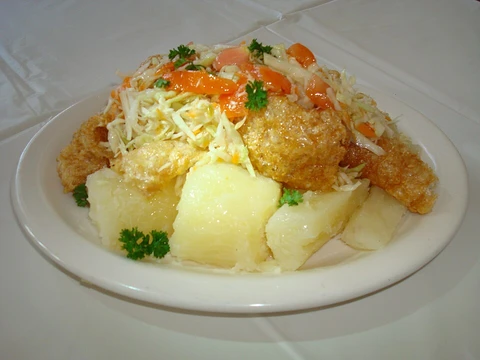
Terminology varies by region. In Mexico, "aguas frescas" is the common term, but in Nicaragua and Honduras they are called "fresco." Frescos refer to non-carbonated drinks, often traditional or fruit-based, such as fresco de Cacao, melon con naranja, chicha, and pinolillo. The term "aguas frescas" can cause confusion in some Spanish-speaking countries, where it may refer to bottled soft drinks. In Costa Rica, Guatemala, Honduras, and Panama, soft drinks are called "frescos" (short for refresco)—which in Mexico means soft drinks, but in Nicaragua means aguas frescas. In Guatemala, soft drinks are called "aguas" (short for aguas gaseosas), easily confused with Mexican aguas frescas or Nicaraguan soft drinks, which are called gaseosas.
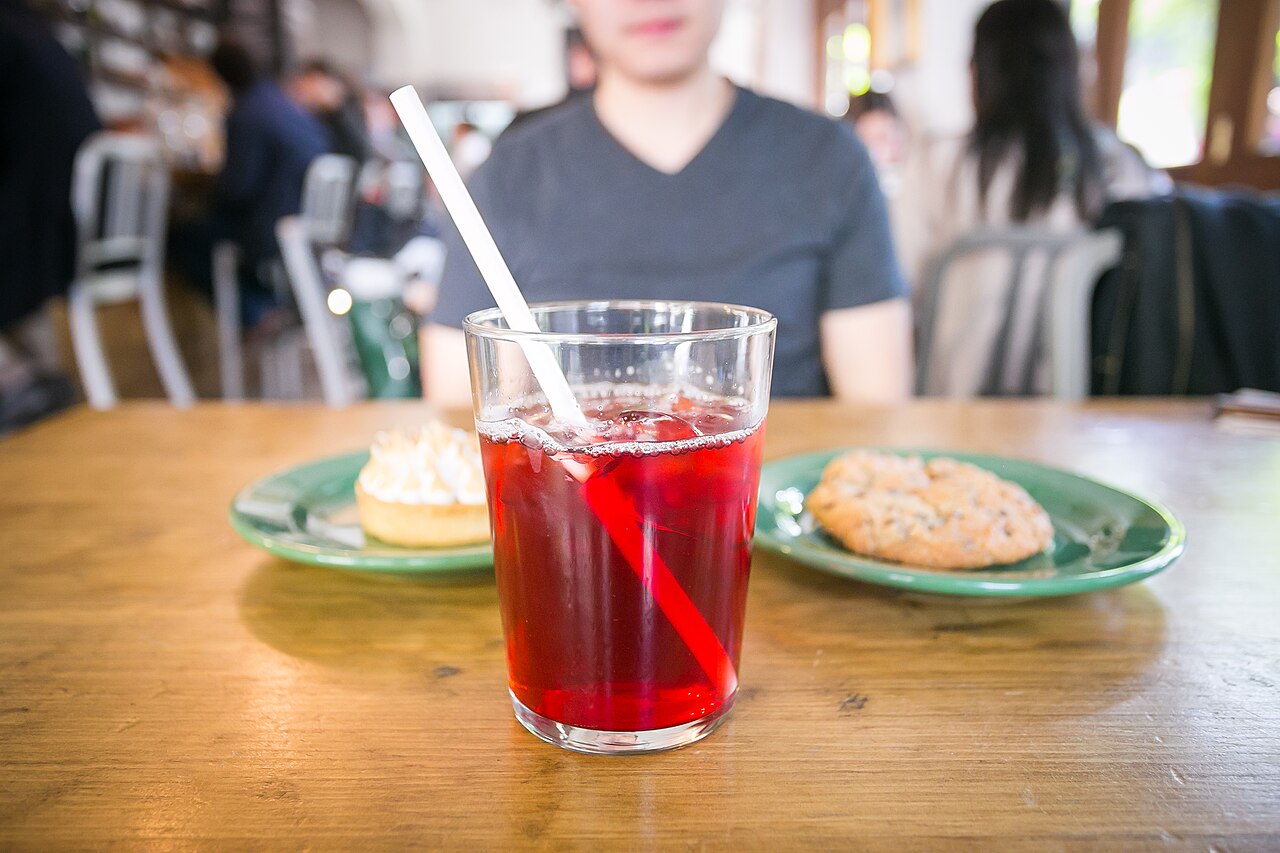
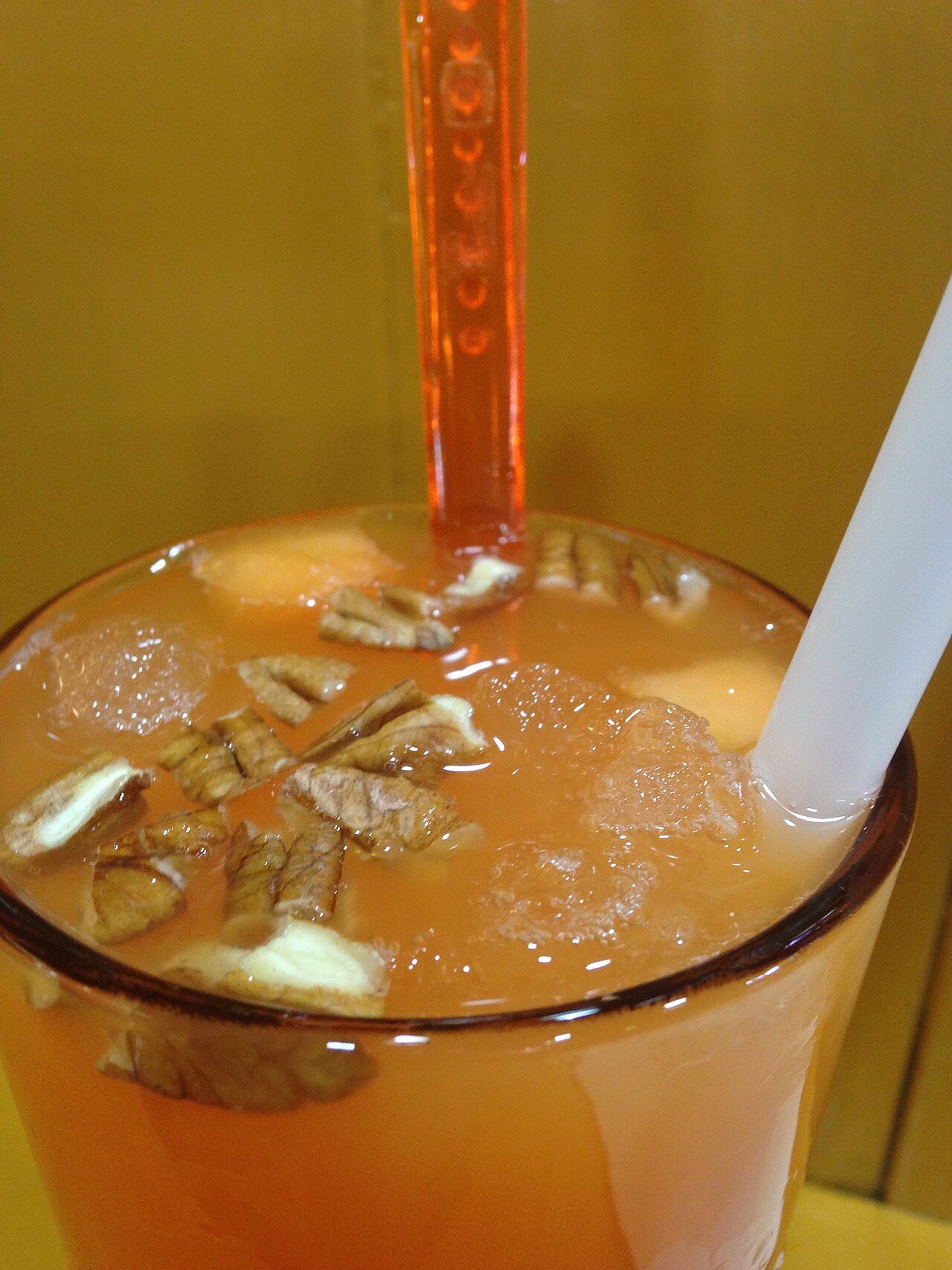
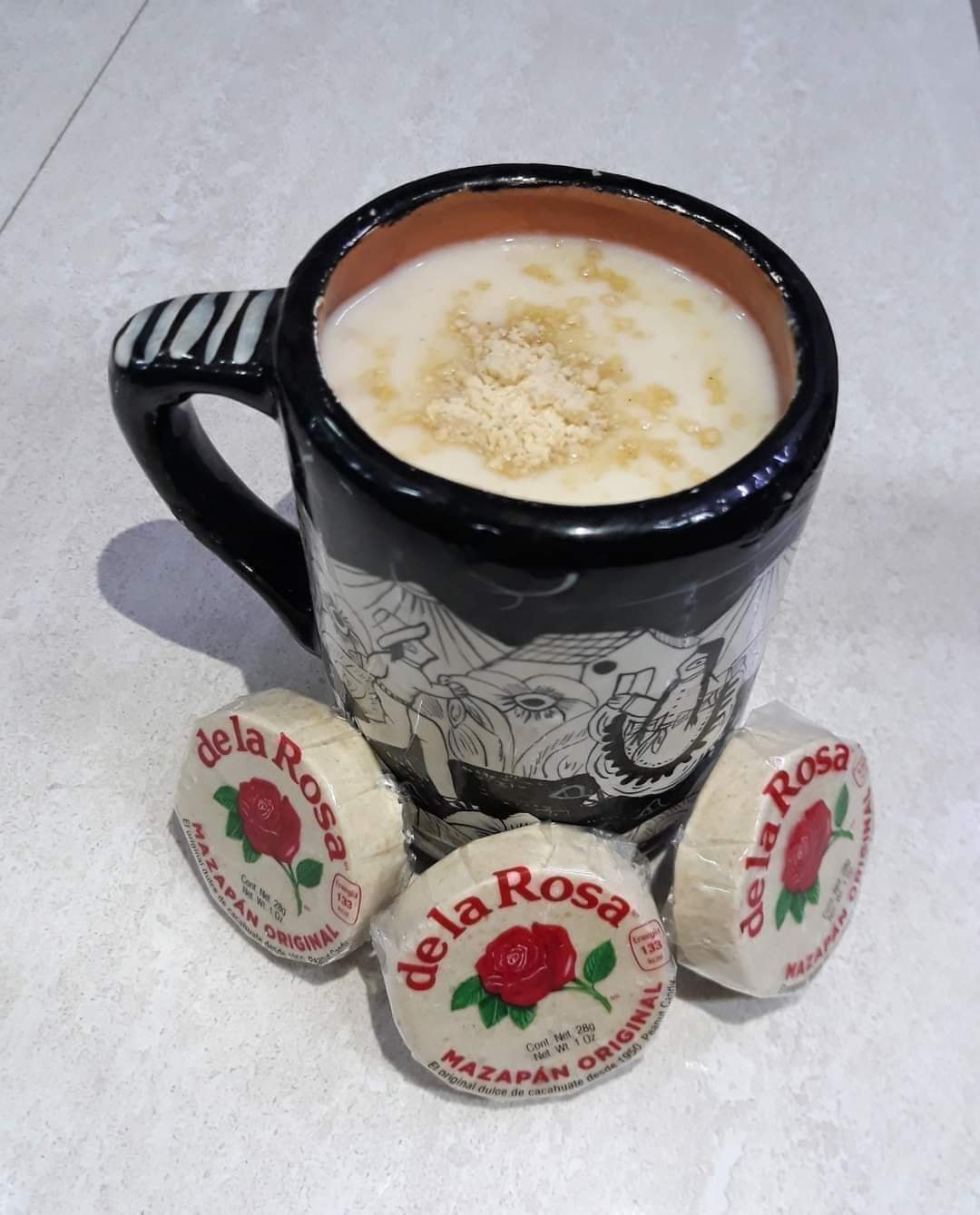
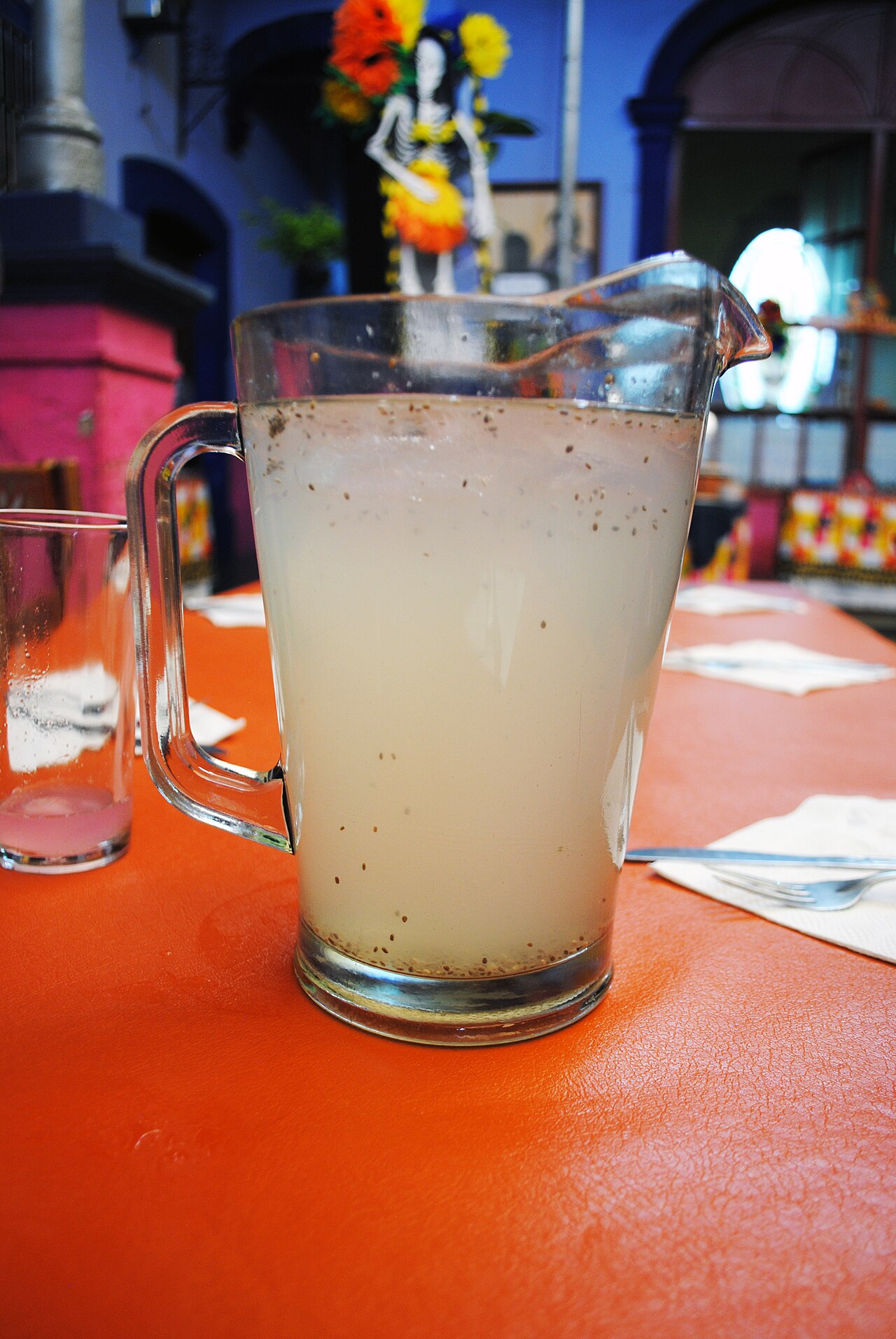
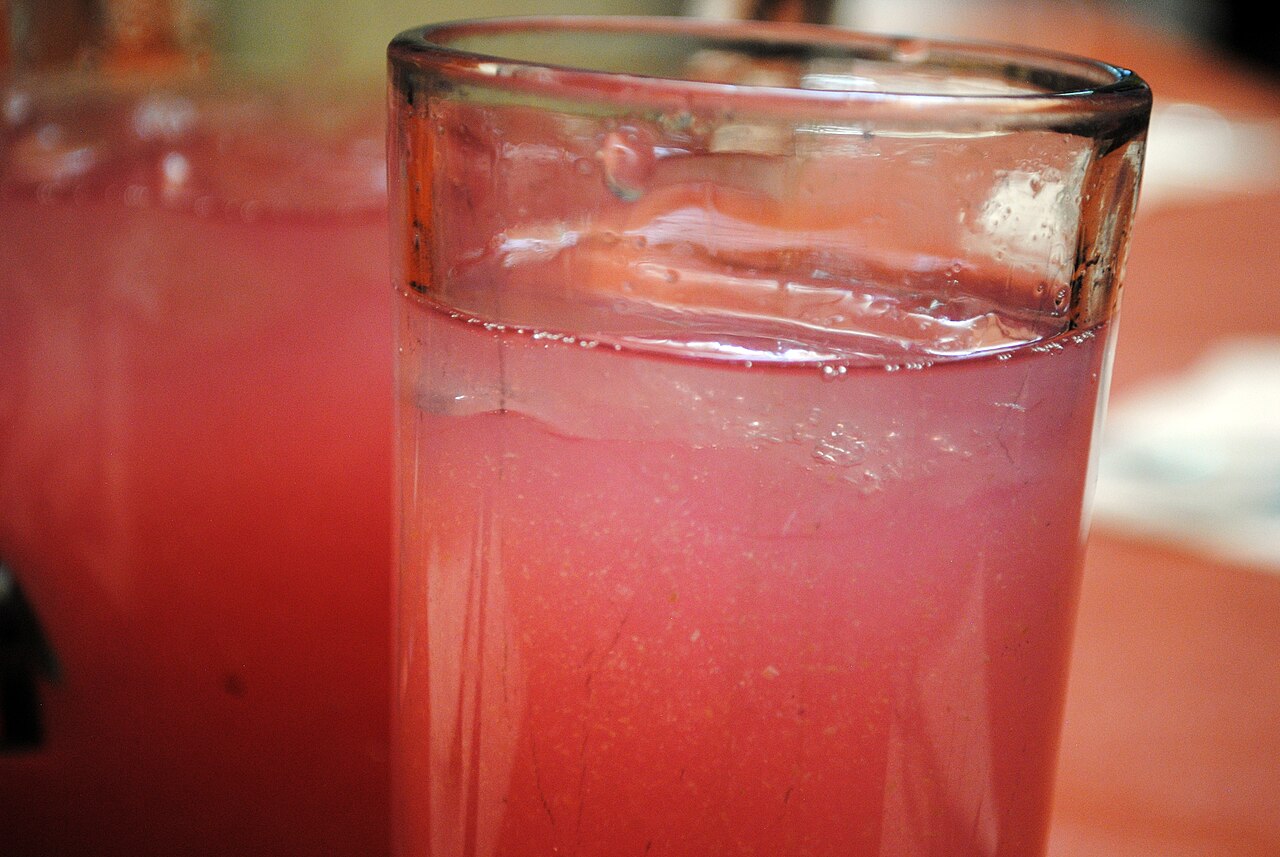
Common aguas frescas flavors include tamarindo, jamaica, and horchata, among others.
Quick Facts
- Region
- Latin America
- Served
- Cold
- Main Ingredient
- Fruit, water, and sugar
- Variations
- Many variants, especially regional, with various ingredients and toppings
- Place Of Origin
- Mexico (Disputed)
Facts from the source article.
Lore & Background
People have been flavoring water with fruit and flowers in Mexico since ancient times. The Aztec people of Tenochtitlan gathered fruit and flowers as they traveled by canoe along the city's canals and prepared early versions of these drinks for hydration. Sugar, today the most common sweetener, was introduced after the Spanish conquest of the early 16th century, which also brought Old World ingredients that diversified the category: hibiscus (jamaica), tamarind came to the Americas from Africa and Asia through colonial trade networks; and rice, cinnamon, and barley became the basis of horchata.
Reader's Guide
Aguas frescas are significant as a traditional beverage category that reflects pre-Columbian and colonial history in Latin America. They are typically made by blending fresh ingredients with water and lightly sweetening them, resulting in refreshing drinks especially suited to hot climates. Outside Mexico, aguas frescas have grown significantly in the United States. Industry analysts at Technomic report that their popularity is growing faster than lemonade, driven by demand from both Latin American communities and younger consumers seeking lower-sugar alternatives to carbonated soft drinks, as well as interest in natural ingredients and traditional preparations. The terminology can cause confusion: in Mexico, 'aguas frescas' refers to these traditional drinks, while in Costa Rica, Guatemala, Honduras, and Panama, 'frescos' refers to bottled soft drinks. In Nicaragua, 'fresco' means aguas frescas, while soft drinks are called 'gaseosas.'
Did You Know?
- The Aztec people of Tenochtitlan prepared early versions of aguas frescas using fruit and flowers gathered from canals.
- Sugar was introduced as a sweetener after the Spanish conquest of the early 16th century.
- In Nicaragua and Honduras, aguas frescas are called 'fresco.'
Ancient Roots in Tenochtitlan
Long before European contact reshaped the culinary landscape of the Americas, the people of Tenochtitlan were already crafting what we now recognize as aguas frescas. As they paddled their canoes along the city's network of canals, Aztec gatherers collected ripe fruit and fragrant blossoms, combining them with water to create simple, hydrating drinks suited to the demands of daily life. These early preparations established a tradition of flavoring water with natural botanicals that has persisted for centuries in Mexican culture. The resulting beverages are light, traditionally non-alcoholic, and built around a straightforward formula: one or more fruits, cereals, flowers, or seeds blended with water and a touch of sweetness. Even today, the presentation echoes that ancient simplicity—the drink is ladled from a large jar directly into a waiting glass, a gesture that connects the modern consumer to a practice stretching back to the canals of the Aztec capital.
Colonial Ingredients and the Birth of New Flavors
The Spanish conquest of the early sixteenth century fundamentally reshaped the palette available to Mexican drink-makers. Sugar, which had not previously been part of the local repertoire, arrived as the most common sweetener and remains so to this day. Alongside it came a wave of Old World and far-flung ingredients that diversified the category in ways the Aztecs could not have imagined. Hibiscus, now beloved as jamaica, joined the lineup, while tamarind traveled from Africa and Asia through colonial trade networks to become a staple flavor. Rice, cinnamon, and barley were introduced as the foundational components of horchata. The result was a richer, more varied family of beverages, yet the core method remained unchanged: fresh ingredients blended with water and lightly sweetened. This combination of ancient technique with a globally sourced ingredient shelf is what makes aguas frescas uniquely suited to hot climates, delivering a refreshing, low-calorie alternative that has endured for over four hundred years.
From Street Carts to a Growing U.S. Market
Aguas frescas have long been a fixture of Latin American daily life, available from street vendors, convenience stores, restaurants, and juice bars across the region. In the United States, their presence is strongest in the Southwest and in cities with large Latino populations such as Los Angeles and San Antonio, where the drink feels as natural as iced tea feels in the American South. But the beverage is no longer confined to those communities. Industry analysts at Technomic report that aguas frescas are gaining popularity in the U.S. at a rate that outpaces lemonade. The driving forces are twofold: established Latin American consumers who grew up with the drink, and a younger generation of buyers who are actively seeking lower-sugar alternatives to carbonated soft drinks. That same cohort is drawn to the appeal of natural ingredients and the authenticity of traditional preparation methods, making aguas frescas a bridge between heritage and modern wellness trends.
A Name That Crosses Borders and Causes Confusion
Ask a Spanish speaker what an 'agua fresca' is and the answer depends entirely on where they grew up. In Mexico, the full term 'aguas frescas' is the standard name for these fruit- and flower-based drinks. Across the border in Nicaragua and Honduras, the same beverages are simply called 'fresco,' a label that specifically denotes non-carbonated, traditionally prepared drinks made from fruits—examples include fresco de cacao, melon con naranja, chicha, and pinolillo. The terminology gets tangled, however, in other parts of the Spanish-speaking world. In Costa Rica, Guatemala, Honduras, and Panamá, the word 'frescos' (short for refresco) actually refers to bottled soft drinks, not the fresh fruit beverages. In Mexico, 'refresco' means carbonated soft drinks, while in Nicaragua it means the opposite—aguas frescas. Guatemala adds another layer: their soft drinks are called 'aguas' (short for aguas gaseosas), which can easily be mistaken for the Mexican aguas frescas. One drink, many names, and a fair amount of cross-border confusion.
Gallery
More in Nicaraguan cuisine 1-24
Spotted an error? Know more?
Reader corrections go straight into our review queue. Suggest an edit · How this site is sourced