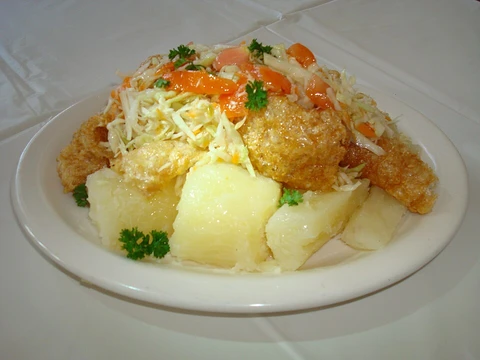
Cuajada
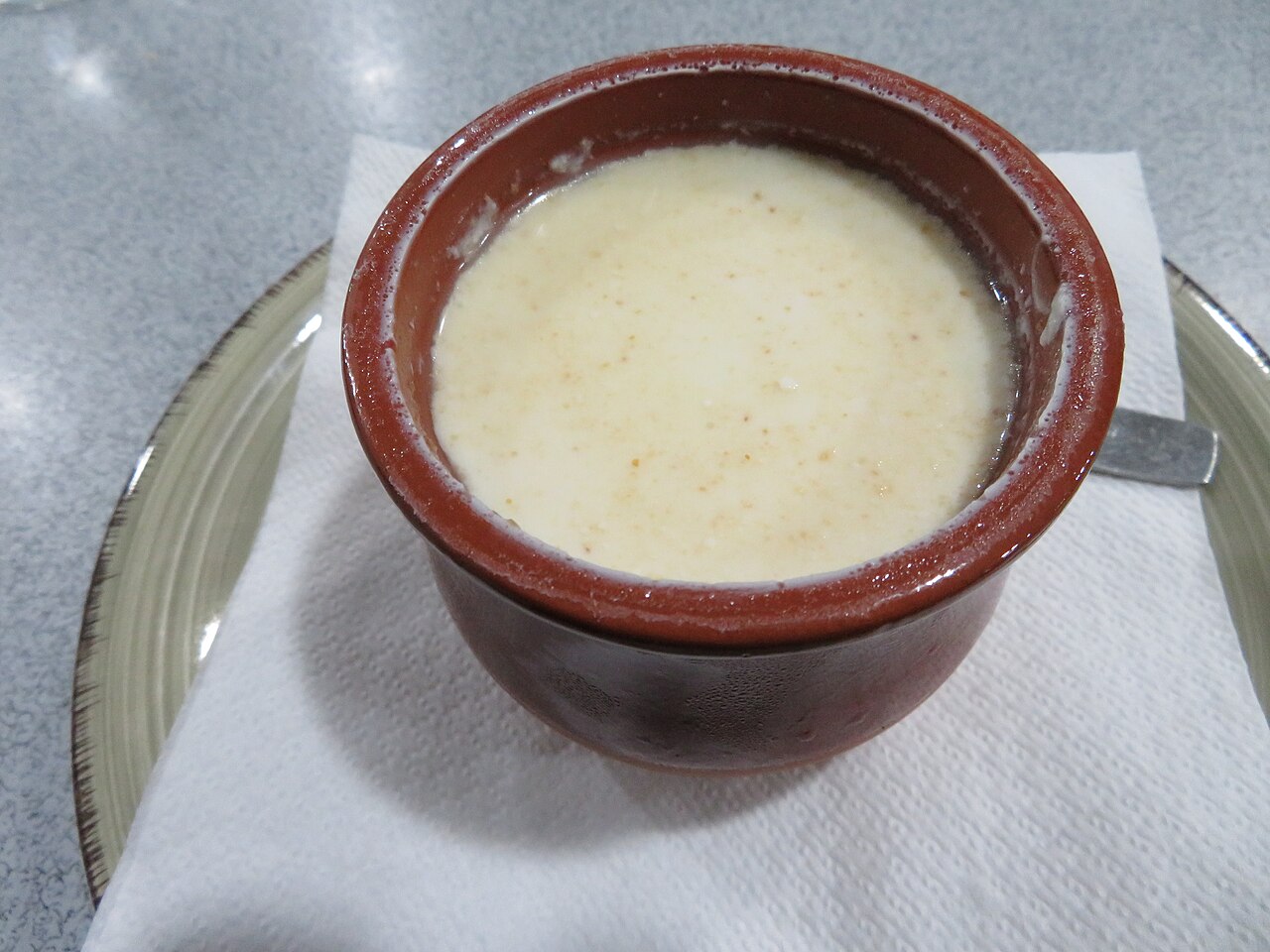
Curdled milk dessert popular in Spain and Latin America.

Ardo Beltz · CC BY-SA 3.0
Cuajada is a dairy product traditionally made from sheep's milk, though industrially it is now more often made from cow's milk. It is popular in northern regions of Spain and in several Latin American countries, where it is served as a dessert or part of savory dishes.
Quick Facts
- Country
- Spain
- Main Ingredient
- Ewe's milk or cow's milk
Facts from the source article.
Lore & Background
Cuajada is made by mixing raw warmed milk with rennet or plant extracts and leaving it to curdle. Traditionally, it was prepared in a wooden vessel called a kaiku and heated with a red-hot poker, which gave it a distinct faintly burned taste. In Basque, it is called mami, and the word cuajada means 'curdled' in Spanish.
Reader's Guide
Cuajada is significant as a traditional dairy product that reflects regional culinary practices in northern Spain and parts of Latin America. Its preparation methods have evolved from artisanal techniques—using sheep's milk and a wooden kaiku heated with a hot poker—to industrial production with cow's milk. Commercial individual servings are now sold refrigerated in earthenware pots or plastic containers similar to yogurt. The product is versatile: in Spain it is commonly served as a dessert with honey and walnuts or sugar, and occasionally for breakfast with fruit or honey. In Colombia, it is typically served with melado, a thick syrup made from panela. In Nicaragua, salt is added and it is eaten with güirilas and other dishes. A similar product, coalhada, is found in Brazil, especially in the Northeast and rural areas, where it is made from raw milk curdled with whey from previous batches and eaten alone or with yuca flour, sweetened with sugar, honey, or molasses.
Did You Know?
- Cuajada was traditionally heated with a red-hot poker, giving it a faintly burned taste.
- In Basque, cuajada is called mami.
- In Nicaragua, salt is usually added to cuajada, which is eaten with güirilas.
- A similar product called coalhada is found in Brazil, made from raw milk curdled with whey.
A Name That Travels: Geography and Language
The name cuajada simply means "curdled" in Spanish, a straightforward descriptor that has followed this dairy product across continents. In the Basque Country, locals know it by a different name entirely: mami. This linguistic duality hints at the product's deep roots in the northern Spanish regions where it is most beloved—Asturias, Cantabria, the Basque Country, Navarre, Aragon, Castile and Leon, and La Rioja all claim it as a regional staple. Yet cuajada's reach extends far beyond the Iberian Peninsula. In Latin America, it enjoys particular popularity in Colombia and Venezuela, as well as across Central America in El Salvador, Honduras, Nicaragua, and the northern reaches of Costa Rica. What began as a humble curd made from sheep's milk in mountain villages has become a widely recognized dairy item, its name carrying the simple truth of what it is: milk that has been coaxed into soft, tender curds.
From the Kaiku to the Supermarket Shelf
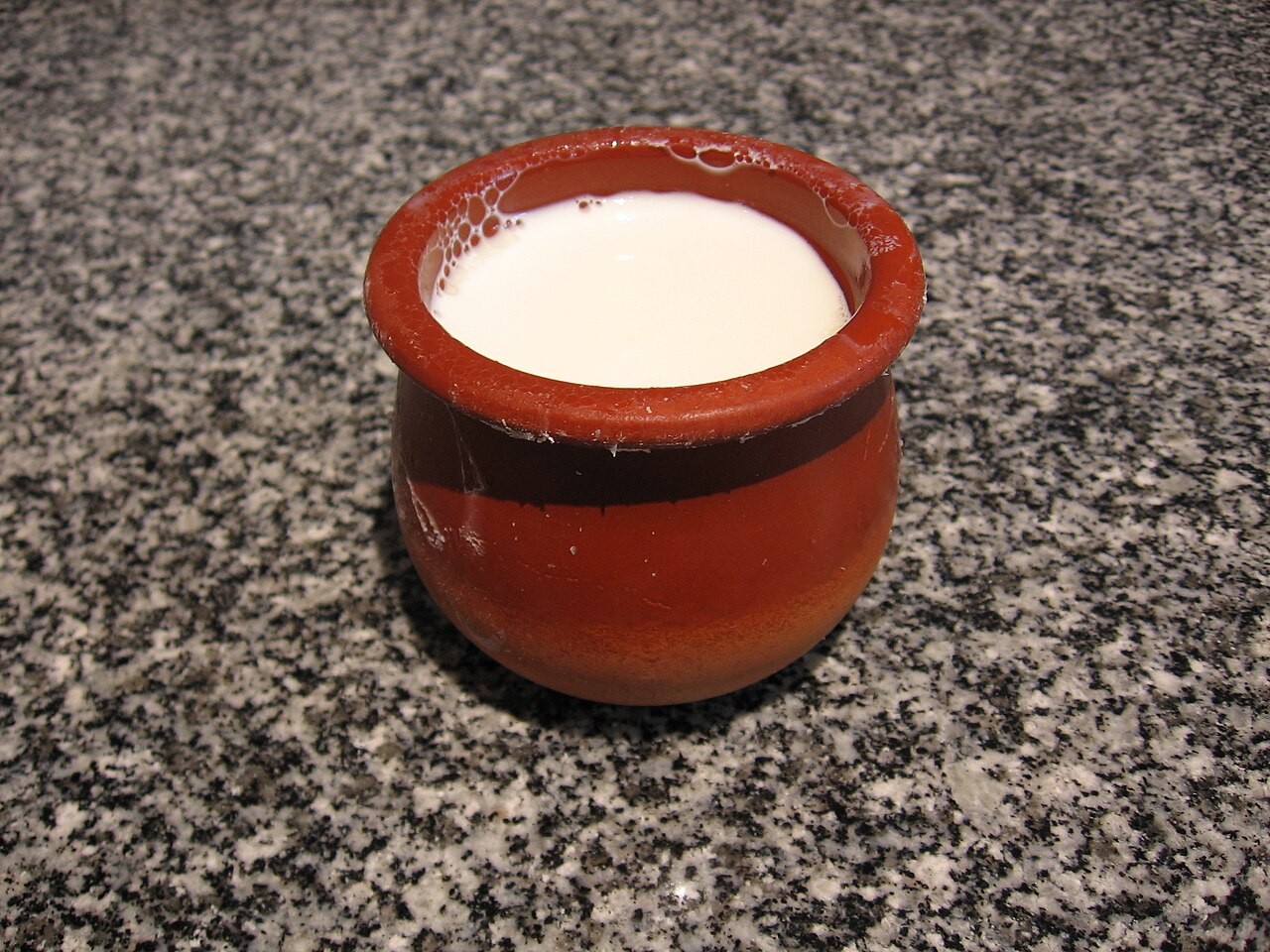
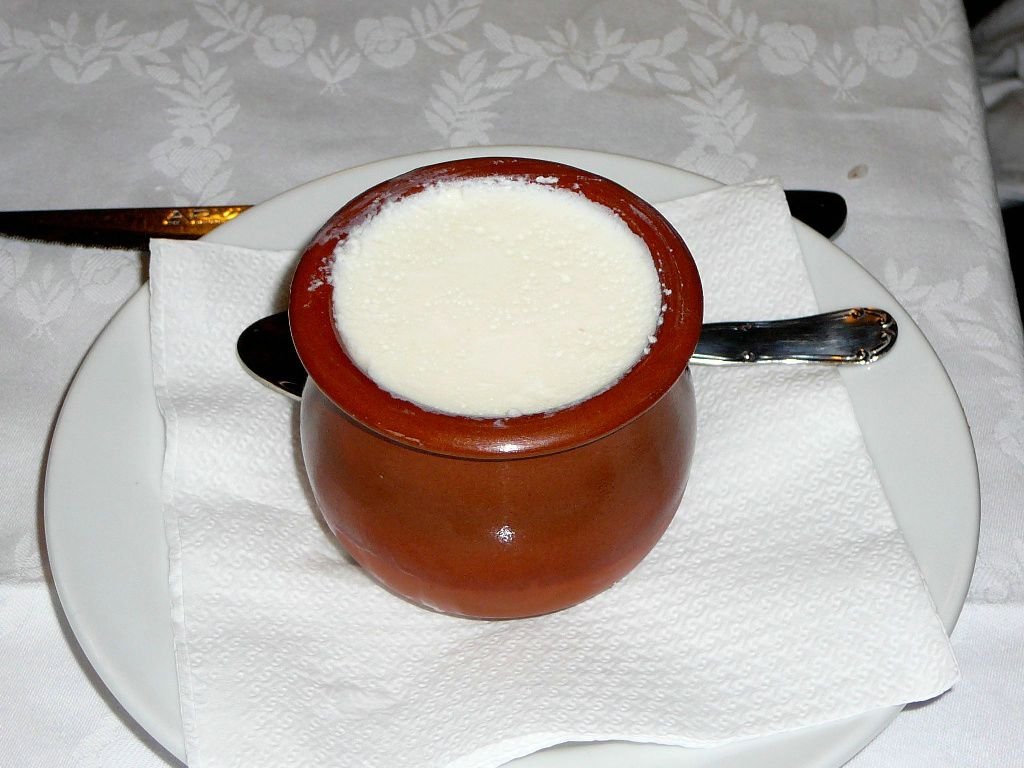
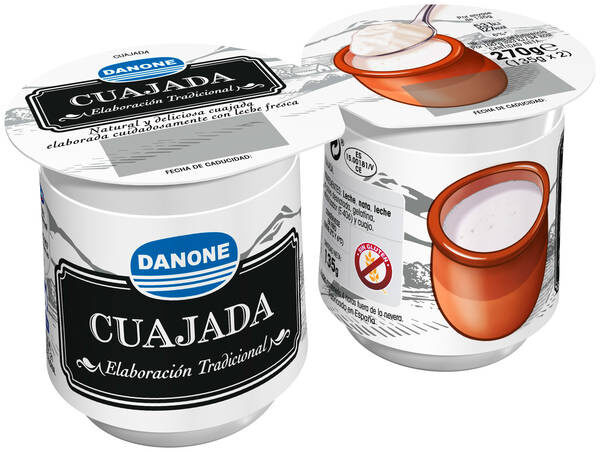
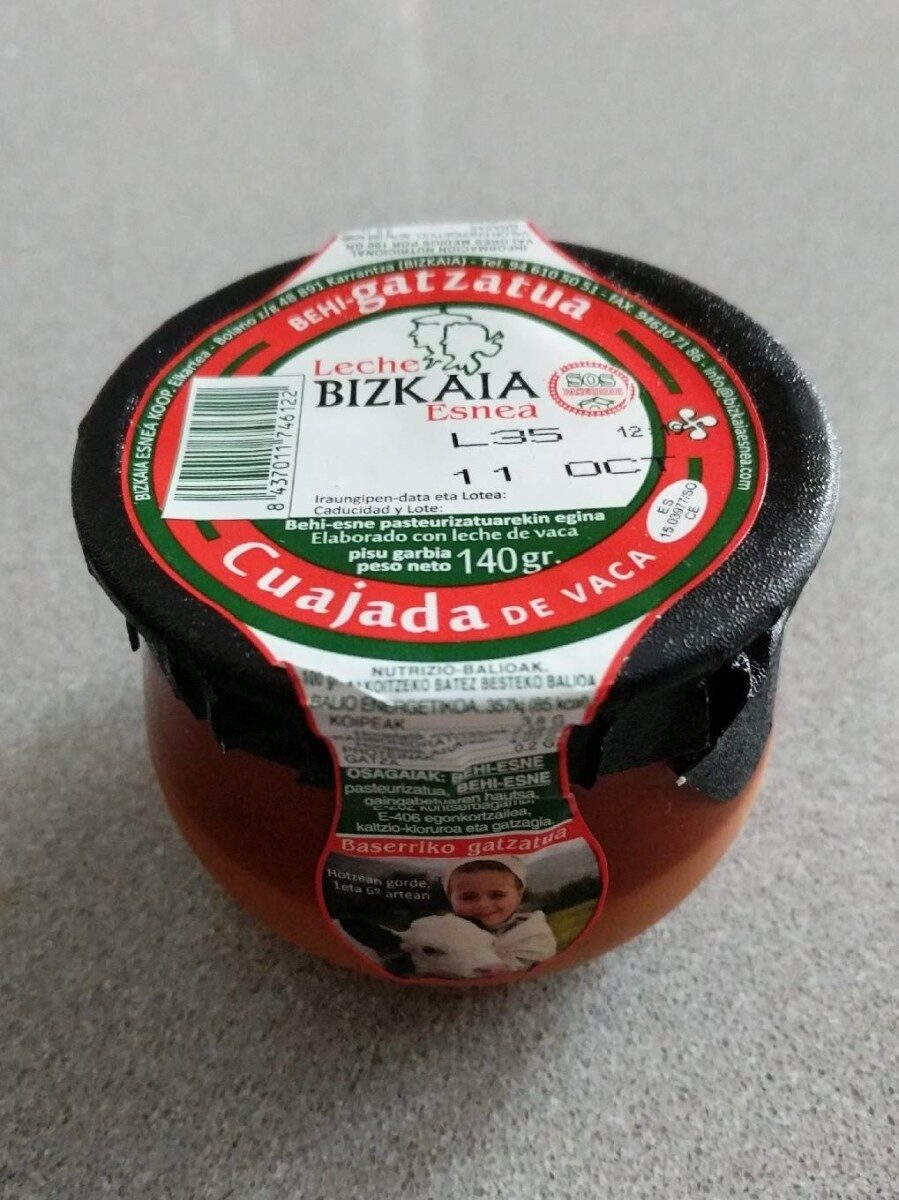
The traditional method of making cuajada is a small act of rural ingenuity. Raw milk is gently warmed and then combined with rennet or plant-based extracts, after which it is simply left to sit and curdle. In the old days, this process took place in a wooden vessel known as a kaiku, and the milk was heated by plunging a red-hot poker into it. That particular technique left behind a faintly charred flavor that became a hallmark of the product. Today, the landscape of cuajada production has shifted dramatically. Industrial operations now favor cow's milk over the traditional sheep's milk, allowing for larger-scale output. The finished product reaches consumers in two main formats: refrigerated individual servings nestled in earthenware pots, a nod to the old ways, and modern plastic containers that closely resemble those used for yogurt. The transition from a single wooden bowl warmed by glowing iron to mass-produced plastic tubs captures a broader story of how artisanal foods navigate the modern marketplace.
A Dessert, a Breakfast, a Savory Bite
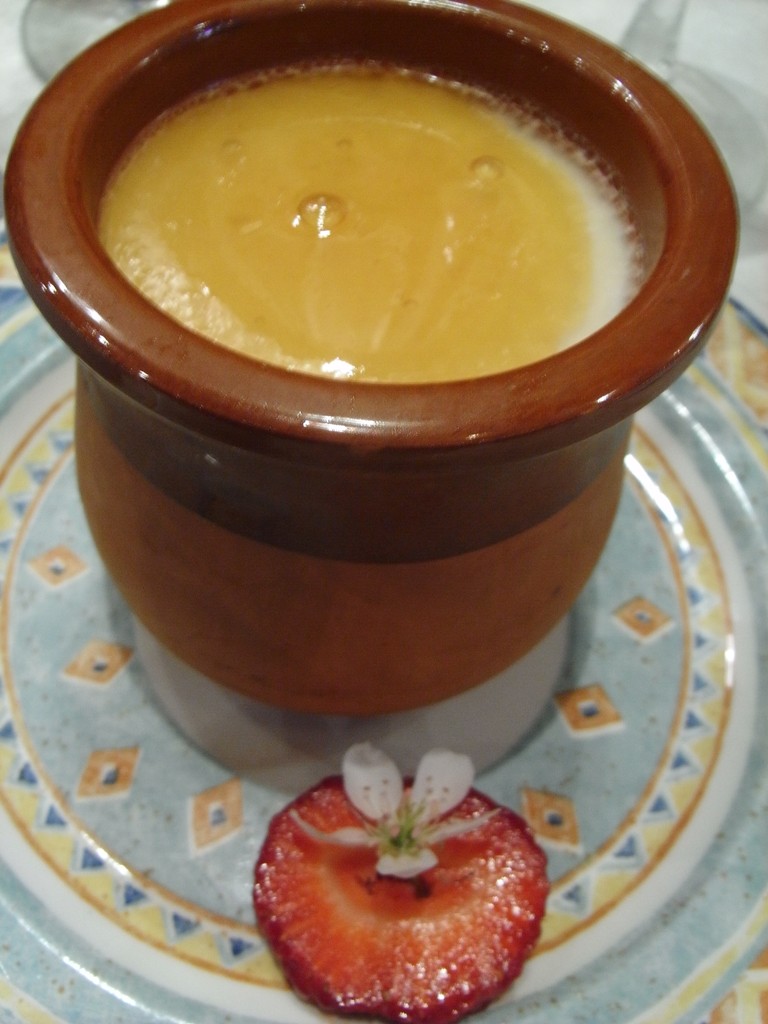
How one eats cuajada depends heavily on where one stands in the world. In much of its traditional range, the curd is treated as a dessert, spooned over with honey and a scattering of walnuts, or simply dusted with sugar for a straightforward sweet finish. In some households it crosses over into the morning meal, paired with fresh fruit or a drizzle of honey to start the day. But regional customs introduce striking variations. In Colombia, the standard accompaniment is melado, a thick, dark syrup derived from panela, which lends a deep caramel-like sweetness to the mild curd. In Nicaragua, the approach is altogether different: a pinch of salt is worked into the cuajada, and it is then eaten alongside güirilas and other savory dishes, transforming what might seem like a sweet dairy item into a component of a more complex, umami-rich plate. These divergent serving traditions show that cuajada is less a fixed recipe than a versatile canvas for local taste.
Coalhada: A Sibling Across the Atlantic
Not far from cuajada in concept, though separated by an ocean and a language, sits coalhada. The Portuguese word translates to the same simple idea—"curdled"—and the product is found predominantly in Brazil, where its consumption is especially widespread in the Northeast and in rural communities across other regions that still favor traditional recipes. The production method differs in an interesting way: rather than relying on rennet or plant extracts, raw milk is coaxed into curds by introducing whey saved from a previous batch of coalhada, creating a kind of living, self-perpetuating culture. The finished product is typically enjoyed on its own or mixed with yuca flour, and sweetened with sugar, honey, or molasses to taste. Coalhada sits alongside cuajada and the English junket in the broader family of simple, uncooked dairy curds that have sustained communities for generations without the need for elaborate equipment or industrial processes.
Gallery
More in Nicaraguan cuisine 1-24
Spotted an error? Know more?
Reader corrections go straight into our review queue. Suggest an edit · How this site is sourced