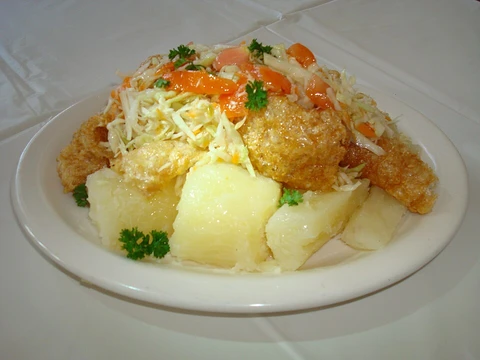
Licuado
Latin American blended beverage made with milk and fruit.

Pequeño mar · CC BY-SA 4.0
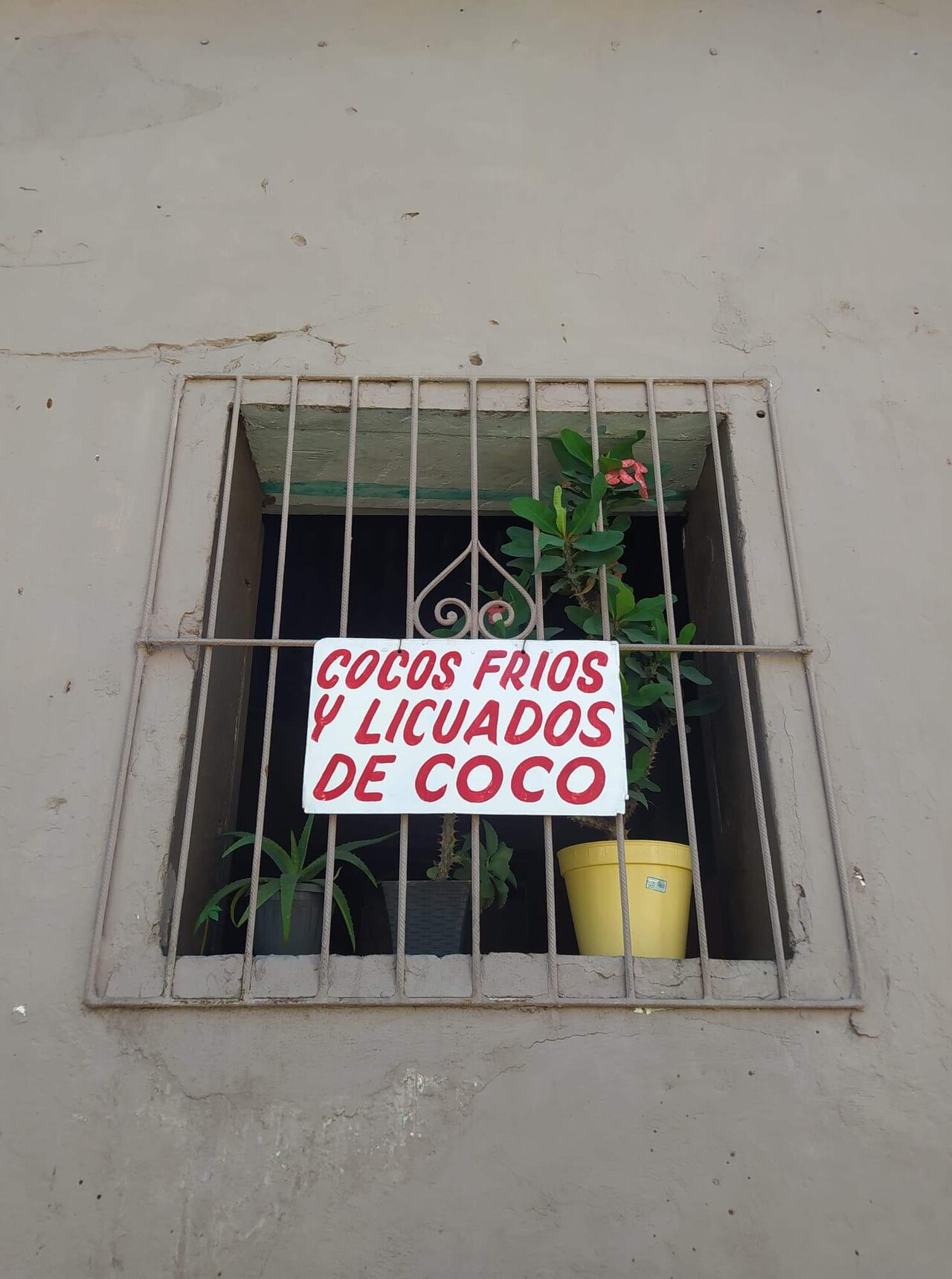
Licuados, also known regionally as batidos or preparados, are a Latin American handmade blended beverage similar to smoothies, made with milk, fruit, and usually ice. They are ubiquitous throughout Mexico, sold by street vendors, in special licuado shops, restaurants, and fruterias. Licuados are blended and made to order, distinguishing them from aguas frescas and other mass-produced drinks.
- Type
- Beverage
- Origin
- Latin America
- Region
- Mexico, Cuba, and other Latin American countries
- Also known as
- Batidos, preparados
- Key ingredients
- Milk, fruit, ice
- Distinction
- Lower in calories, thinner, and higher in protein than American-style smoothies
Lore & Background
Licuados are part of a larger category of fruit drinks that includes jugos, vitaminas, aguas frescas, refrescos, and batidos. Names for various shakes and smoothies vary regionally and are not completely fixed. The main difference between a licuado and an American-style smoothie is that licuados use a milk base, whereas smoothies use fruit juice, sometimes in combination with sherbet or yogurt. This makes licuados lower in calories, thinner, and higher in protein, especially important in developing states such as Honduras and Nicaragua.
Reader's Guide
Licuados became popular in the United States in the 1990s during a period of immigration from Latin American countries. By 1996 the drink had arrived in New York City, sold by street vendors. Already popular in border towns such as Tijuana, where they are a breakfast food, the drink spread to California, first among Mexican-Americans and at Mexican restaurants and food trucks. In 2002, the California Milk Processor Board spent $1.5 million to popularize the drink as a way of promoting milk consumption following their success with the Got Milk? campaign. A similar drink, called sinh tố in Vietnam, is popular in Southeast Asia. The term 'batido' is described by some as Cuban, and sometimes batidos are said to have milk, with licuados described as a milk-free version, though this usage is disputed.
Did You Know?
- Licuados are also called 'preparados,' meaning 'prepared.'
- They are lower in calories, thinner, and higher in protein than most American-style smoothies.
- A similar drink in Vietnam is called sinh tố.
A Staple of the Latin American Landscape
Licuados occupy a central position in the everyday food culture of Latin America, particularly throughout Mexico, where they are found virtually everywhere. These handmade blended drinks—combining milk, fresh fruit, and typically ice—are sold by street vendors lining sidewalks, in dedicated licuado shops, in restaurants, and in fruterias, establishments devoted entirely to fresh fruit preparations. The name itself shifts by region: some communities call them batidos, while others use the term preparados, a word that simply means "prepared," hinting at the hands-on, made-to-order nature of the drink. Unlike mass-produced bottled beverages or pre-mixed juices ladled from large jars, a licuado is crafted fresh for each customer, blending its ingredients in the moment. This immediacy and personal touch make the drink not just a beverage but a small ritual of daily life across the region.
Naming, Ingredients, and the Smoothie Distinction
The vocabulary surrounding licuados is fluid and regionally varied, with no single fixed terminology. Some speakers distinguish batidos as the milk-containing version while reserving licuado for a milk-free preparation, and the word batido carries particular associations with Cuban Spanish. Within the broader family of Latin American fruit drinks—which also includes jugos, vitaminas, aguas frescas, and refrescos—licuados stand apart because they are always blended to order rather than pre-made or bottled. The most defining contrast with an American-style smoothie is the base: licuados rely on milk, while smoothies typically use fruit juice, sometimes with sherbet or yogurt. This milk foundation gives licuados a thinner consistency, lower calorie count, and higher protein content, a nutritional profile that matters greatly in developing Latin American nations like Honduras and Nicaragua. Beyond the standard fruit-and-milk blend, creators may fold in almonds, walnuts, honey, granola, or even swap fruit for chocolate. A particularly distinctive variant, the trigo, incorporates puffed wheat or other cooked grains into the mix.
Crossing the Border and Winning New Markets
Licuados crossed into the United States in the 1990s, riding a wave of immigration from Latin American countries that carried familiar tastes into new communities. By 1996, the drink had reached New York City, where street vendors began offering it to curious passersby. In border towns like Tijuana, licuados had long been a staple breakfast item, and from there the beverage spread into California, first taking root among Mexican-American communities and finding a home in Mexican restaurants and food trucks. The drink's appeal to American consumers caught the attention of the dairy industry: in 2002, the California Milk Processor Board committed $1.5 million to a marketing push designed to popularize licuados across the state. This investment was a deliberate follow-up to the well-known "Got Milk?" campaign, leveraging the drink's milk base to encourage greater dairy consumption among a broader, more diverse audience. The strategy reflected how a humble, hand-blended beverage from the Latin American street could become a vehicle for commercial dairy promotion in a new country.
Cousins Across the World
While licuados are most closely associated with Latin American culture, the concept of a fresh, blended fruit-and-dairy drink is not unique to the region. In Vietnam and across parts of Southeast Asia, a remarkably similar beverage called sinh tố enjoys widespread popularity, demonstrating that the impulse to blend fruit with a liquid base into a refreshing, made-to-order drink transcends cultural boundaries. Within Latin America itself, licuados sit within a rich taxonomy of fruit-based beverages. Aguas frescas, for instance, are prepared in advance and served from large jars, while jugos and refrescos are typically mass-produced and sold in bottles. This contrast underscores what makes a licuado distinctive: it is a personal, immediate creation, assembled and blended at the moment of ordering. The drink's identity is further shaped by its naming conventions—each flavor typically takes its name from its primary ingredient, so a customer can request a specific fruit or grain blend by simply naming it, preserving a direct, transparent connection between the drinker and what ends up in the glass.
Gallery



More in Nicaraguan cuisine 1-24
Spotted an error? Know more?
Reader corrections go straight into our review queue. Suggest an edit · How this site is sourced