Macuá
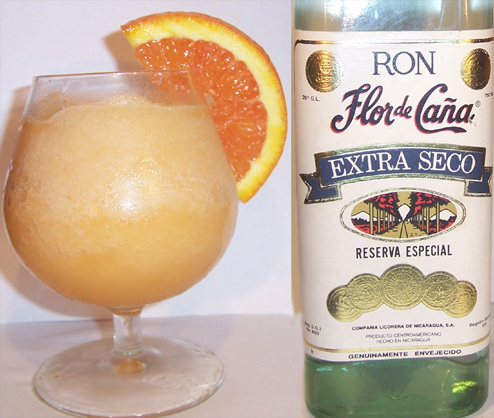
Cocktail named after a tropical bird, national drink of Nicaragua.

viajes2222 · CC BY-SA 2.0
The Macuá is a Nicaraguan cocktail that combines white rum with fruit juices, typically lemon and guava. It holds the status of the country’s national drink, and its name comes from the pájaro macuá, a tropical bird native to Nicaragua. The drink was created by Dr. Edmundo Miranda Saenz, a pediatrician from Granada, who worked with his wife, daughter, and son-in-law to refine the recipe. The push for a national drink came from the tour operator Solentiname Tours and the Association of Restaurants in Nicaragua, who brought together hotel and restaurant owners and enlisted the advertising agency CEM-JWT Communications to develop the concept. The Macuá gained prominence in October 2006 through a competition to select a national drink, sponsored by the rum producer Flor de Caña. Over twenty drinks based on the company’s products were entered, and judges—including the French ambassador and a cocktail expert from a Swedish development agency—chose the Macuá over other local ingredients like pineapple, tamarind, and coffee beans. Some more unusual entries used obscure Nicaraguan flora, such as mamoncillo extract, traditionally used as a stomachache remedy. The competition aimed to create a symbol of national identity, drawing on landmarks like Lake Cocibolca and the archaeological sites on Isla Zapatera, Ometepe, and Solentiname. It was sponsored by Flor de Caña, Hotel Intercontinental, Solentiname Tours, Morgan’s Rock, Canatur, INTUR, and Radio Tigre. INTUR’s involvement gave the contest an official veneer, though it was organized by private investors, not the government. The contest had two phases: selecting the recipe and then the name. However, the newspaper *El Nuevo Diario* criticized the contest for focusing only on certain regions, such as Lake Cocibolca and Granada, to define national identity, and noted that the winning recipe required at least 50% Flor de Caña rum, the sponsoring brand.
Quick Facts
- Base
- Rum
- Ingredients
- 2 parts white rum / (preferably Flor de Caña) · 2 parts guava juice / 1 part lemon juice / sugar to taste
- Served
- On the rocks
- Garnish
- lemon slice
- Prep
- Blend the ingredients with 1 cup of ice and serve well chilled. Garnish with an orange slice
- Drinkware
- Highball glass
Facts from the source article.
Lore & Background
The Macuá was invented by Dr. Edmundo Miranda Saenz, a pediatrician from Granada, a small historic city on the shores of Lake Nicaragua. He enlisted the help of his immediate family, including his wife, daughter, and son-in-law, to perfect the recipe. The Nicaraguan Tour Operator Solentiname Tours and the Association of Restaurants in Nicaragua recognized a need for a national drink and invited hotel and restaurant owners across Nicaragua to come together, enlisting the help of CEM-JWT Communications, a Nicaraguan advertising agency, to turn the idea into a reality.
Reader's Guide
The Macuá rose to fame in October 2006, when it was entered in a competition to choose a national drink of Nicaragua. The competition, sponsored by Flor de Caña, a Nicaraguan rum manufacturer, involved more than twenty different drinks based on the company's products. Judges, including the French ambassador and a cocktail connoisseur from a Swedish development agency, chose the Macuá over other combinations of local ingredients such as pineapple, tamarind, and coffee beans. The contest was divided into two parts: selection of the recipe and selection of the name. The presence of INTUR (National Tourism Institute) validated the contest as an 'official' selection, though it was organized by private investors, not the government. Criticism from El Nuevo Diario noted that the contest selected only a few regions for defining national identity (Lake Cocibolca and Granada) and that the winning recipe required a minimum of 50% Flor de Caña rum, the sponsoring liquor company.
Did You Know?
- The Macuá is named after the pájaro macuá, a tropical bird native to Nicaragua.
- The competition that selected the Macuá as national drink was sponsored by Flor de Caña, a Nicaraguan rum manufacturer.
Birth of a National Cocktail
The Macuá did not emerge from a bar or a commercial kitchen; it was born in the home of Dr. Edmundo Miranda Saenz, a pediatrician practicing in Granada, a small and historic city nestled on the shores of Lake Nicaragua. Miranda took on the task of crafting a drink that could represent his country, and he did not work alone. He brought his immediate family into the process—his wife, his daughter, and his son-in-law all contributed to refining the recipe until it reached its final form. The result is a straightforward yet distinctive cocktail built on white rum and fruit juices, most commonly lemon and guava. What began as a family project in a lakeside city would eventually be recognized as Nicaragua's national drink, a title that elevated a home-kitchen creation to a symbol of national identity. The involvement of a small family circle in the drink's development gives the Macuá a personal, almost intimate origin story that contrasts sharply with the corporate machinery that later propelled it into the public eye.
The 2006 National Drink Competition
In October 2006, the Macuá stepped onto a national stage through a competition designed to select Nicaragua's official drink. The event, branded as "The Nacional Drink Contest" (El Trago Nacional), was sponsored by Flor de Caña, a Nicaraguan rum manufacturer, along with a roster of partners including Hotel Intercontinental, Solentiname Tours, Morgan's Rock, Canatur, INTUR, and Radio Tigre. More than twenty different cocktails, all built around Flor de Caña products, entered the contest. The judging panel included the French ambassador and a cocktail connoisseur representing a Swedish development agency. They ultimately selected the Macuá over rivals that incorporated pineapple, tamarind, and even coffee beans. Some of the more daring entries reached for Nicaragua's lesser-known botanicals, such as mamoncillo, whose extract serves as a traditional remedy for stomachache. The presence of INTUR, the National Tourism Institute, lent the contest an air of official sanction, even though the initiative was organized by private investors rather than the government itself.
Naming, Partnerships, and the Road to Recognition
The journey from a family recipe to a nationally recognized drink involved a coalition of tourism and hospitality stakeholders. Solentiname Tours, a Nicaraguan tour operator, and the Association of Restaurants in Nicaragua both identified a gap: the country lacked a signature cocktail. They gathered hotel and restaurant owners from across Nicaragua and brought in CEM-JWT Communications, a local advertising agency, to help shape the idea into a concrete campaign. The contest itself was structured in two distinct phases—first the selection of the winning recipe, then the selection of its name. The final name, Macuá, pays homage to the pajaro macuá, a tropical bird native to Nicaragua, tying the drink to the country's natural heritage. The core ingredients—white rum paired with lemon and guava juice—reflect a balance of citrus brightness and tropical sweetness that speaks to the island and lake landscapes of the region. This naming and branding effort positioned the Macuá not merely as a beverage but as a cultural emblem.
Criticism and the Question of Authenticity
Despite its official designation, the Macuá's path to national status drew pointed criticism. El Nuevo Diario, a prominent Nicaraguan newspaper, challenged the contest's premise, arguing that it reduced the country's identity to a narrow geographic slice—specifically Lake Cocibolca and the city of Granada—while ignoring the diverse cultural regions that make up Nicaragua. The newspaper also took issue with the fact that the winning recipe was required to contain a minimum of fifty percent Flor de Caña rum, effectively making the contest a platform for the sponsoring liquor company. Critics noted the irony of a "national" symbol being shaped by corporate sponsorship, with the involvement of INTUR providing a veneer of government endorsement even though the initiative was driven by private investors. The broader context of the contest—its aim to create a symbol comparable to landmarks like the archaeological sites on Isla Zapatera, Ometepe, and Solentiname—meant the stakes extended beyond a simple cocktail, touching on questions of who gets to define a nation's identity and on what terms.
Gallery
More in Nicaraguan cuisine 1-24
Spotted an error? Know more?
Reader corrections go straight into our review queue. Suggest an edit · How this site is sourced