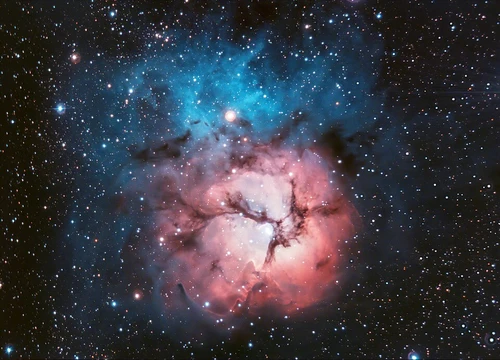
Bok globule
Dark nebulae where stars are born, often forming double or multiple systems.

ESO · CC BY 4.0
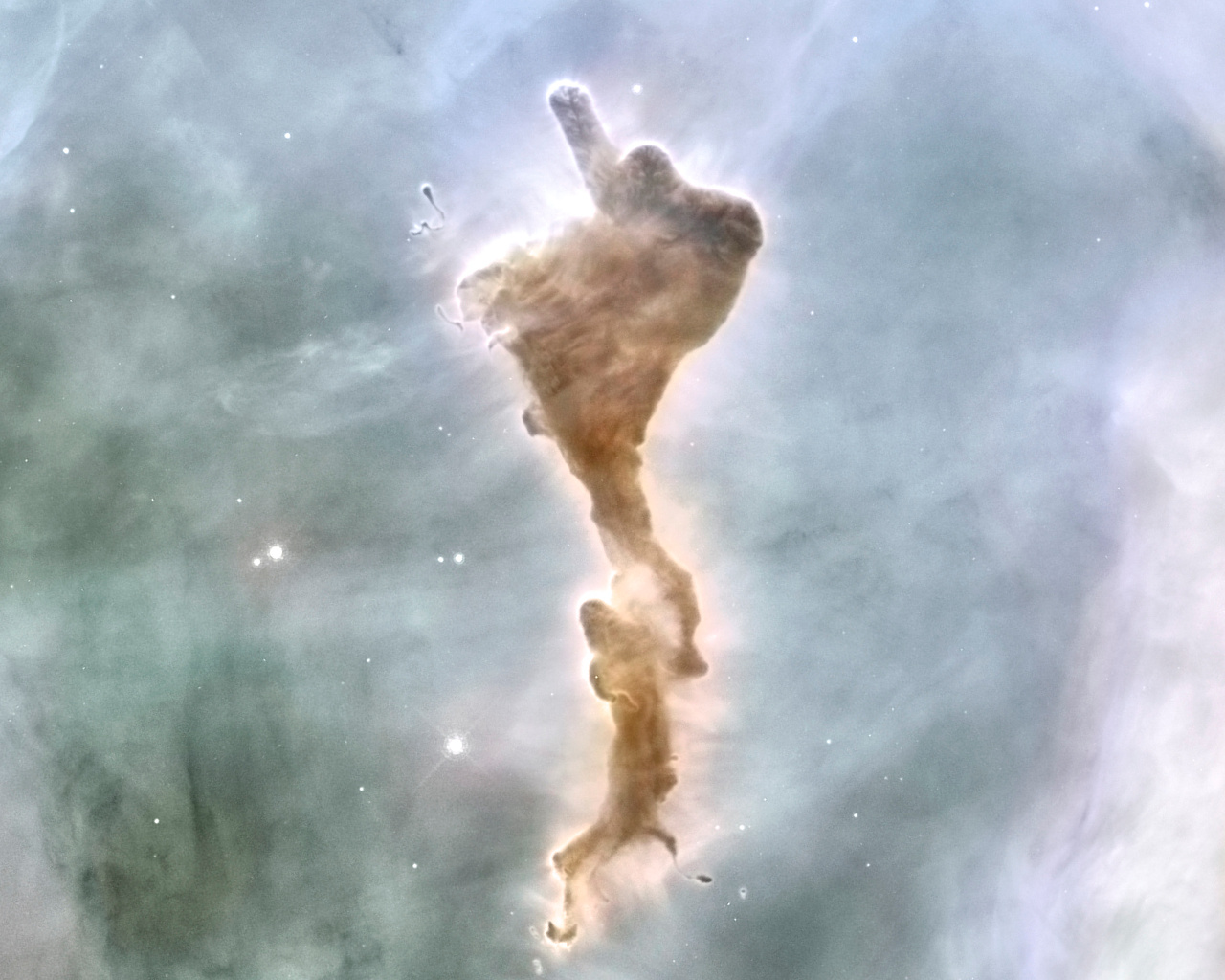
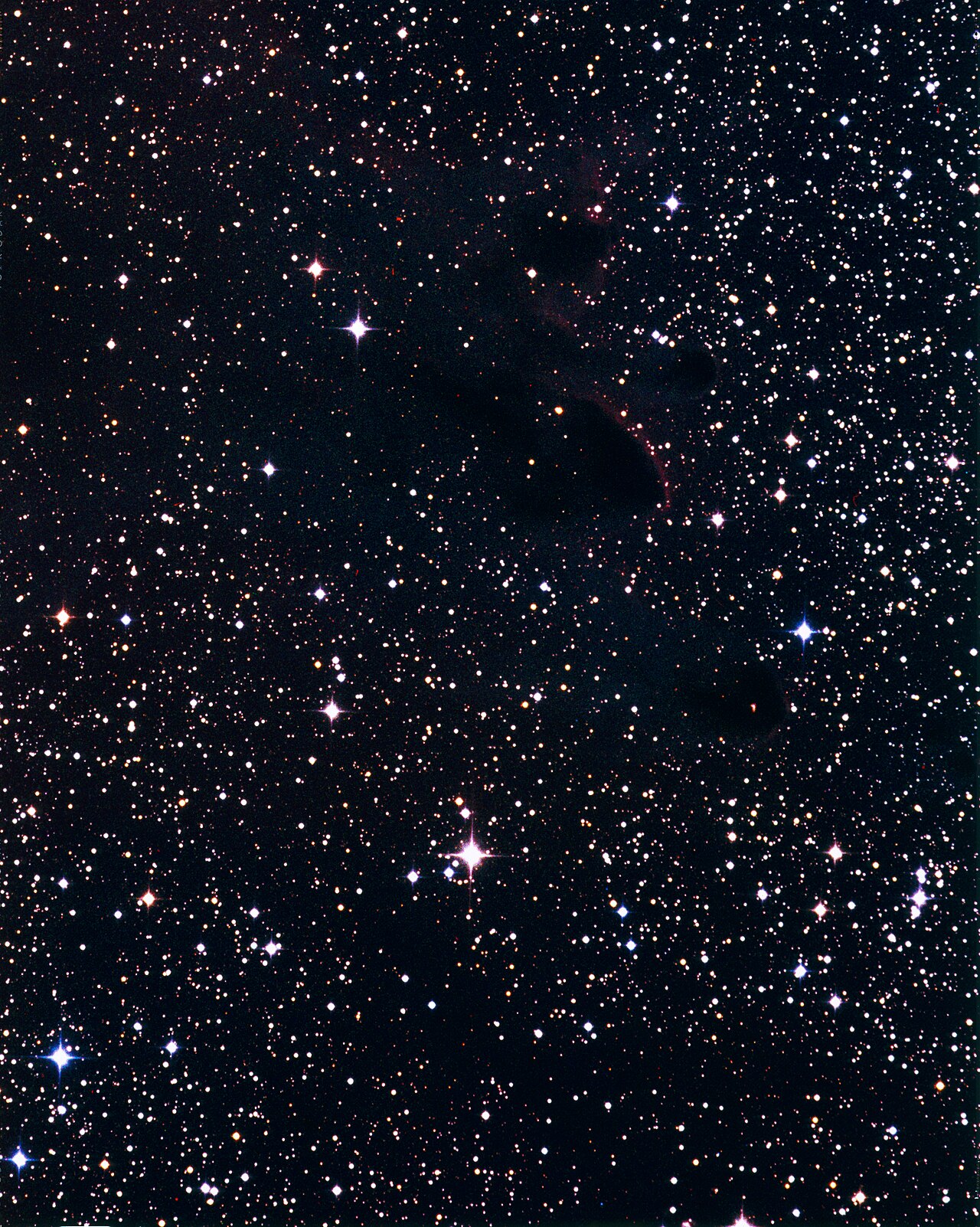
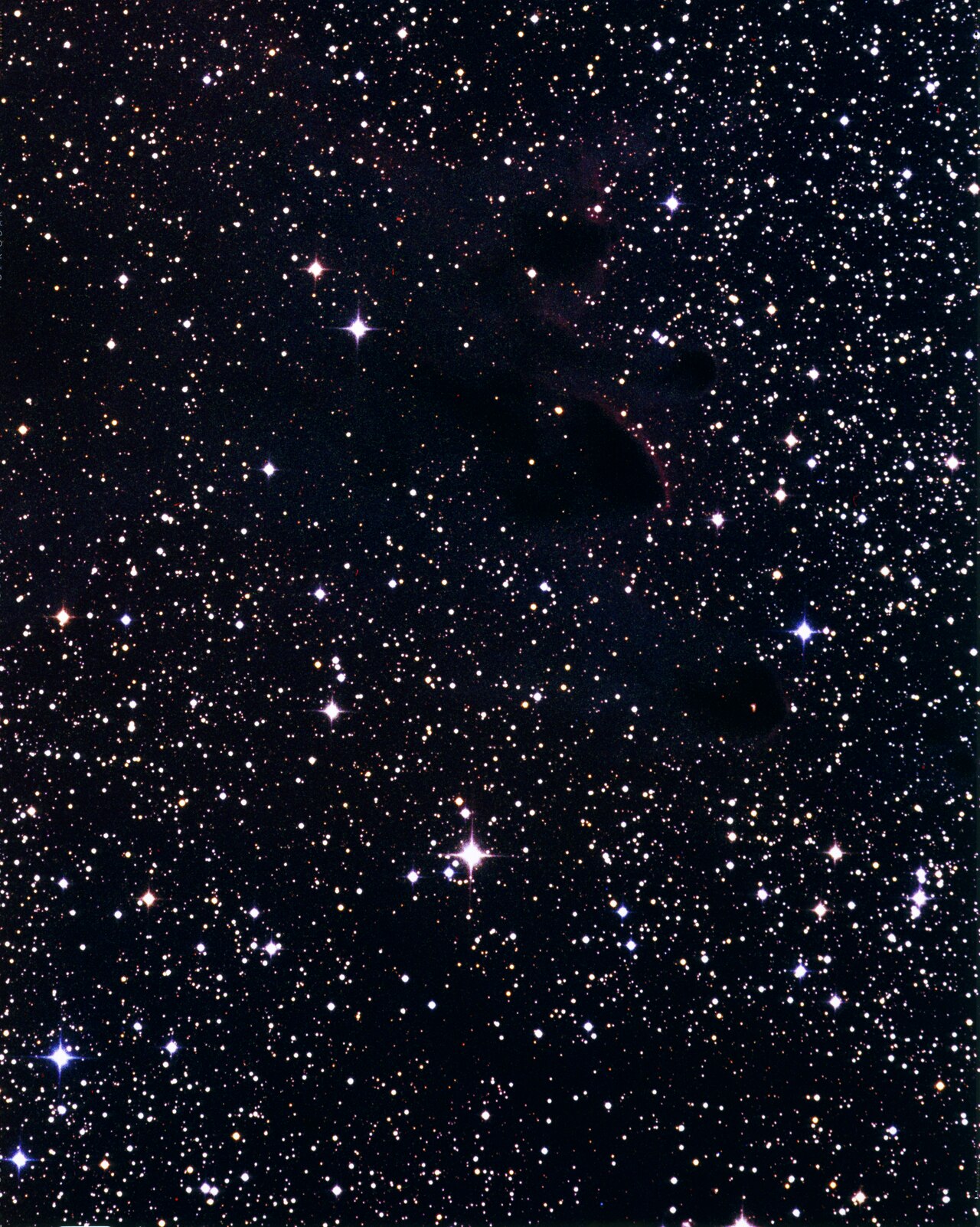
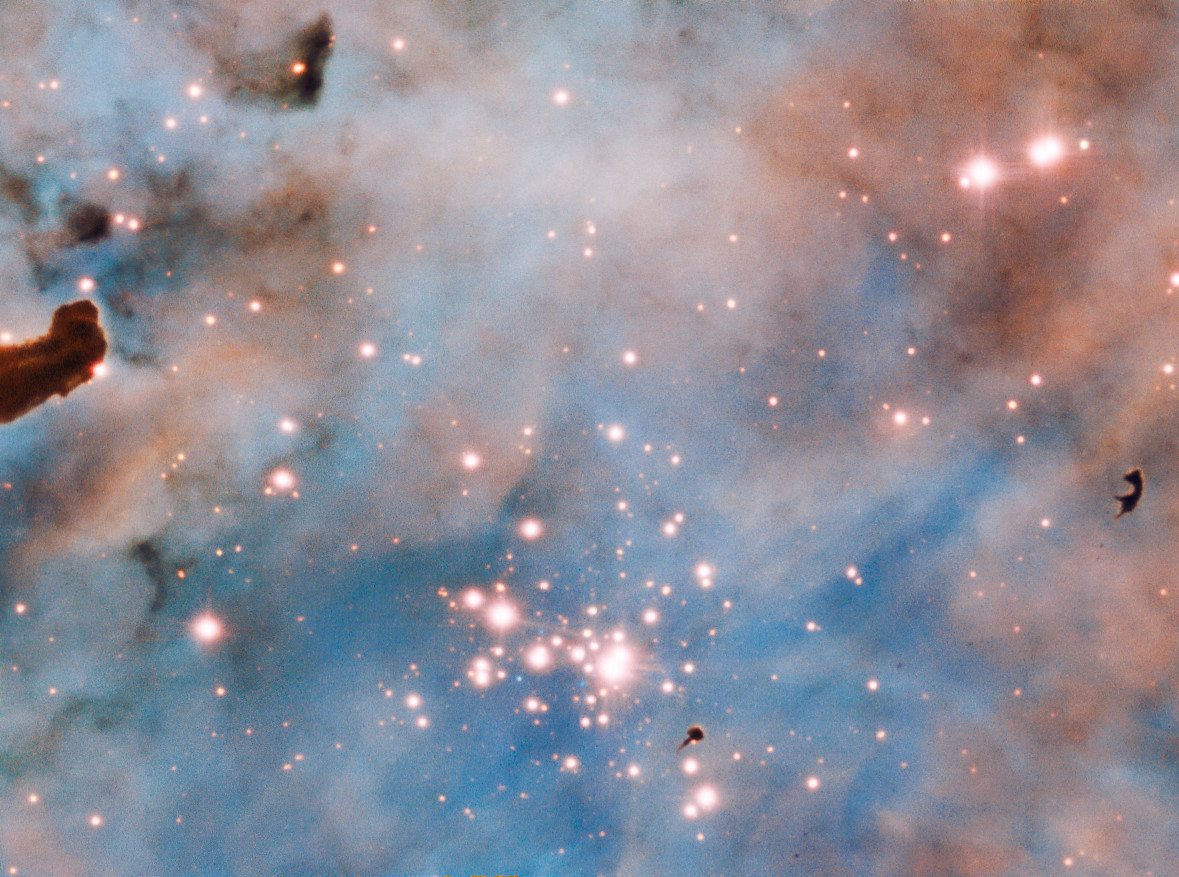
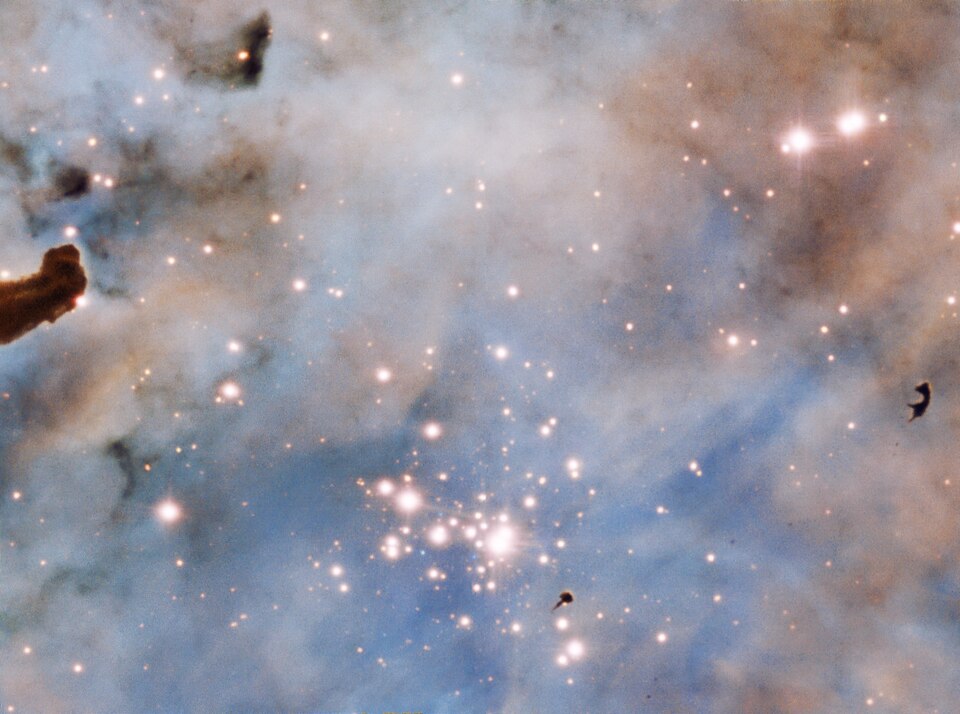
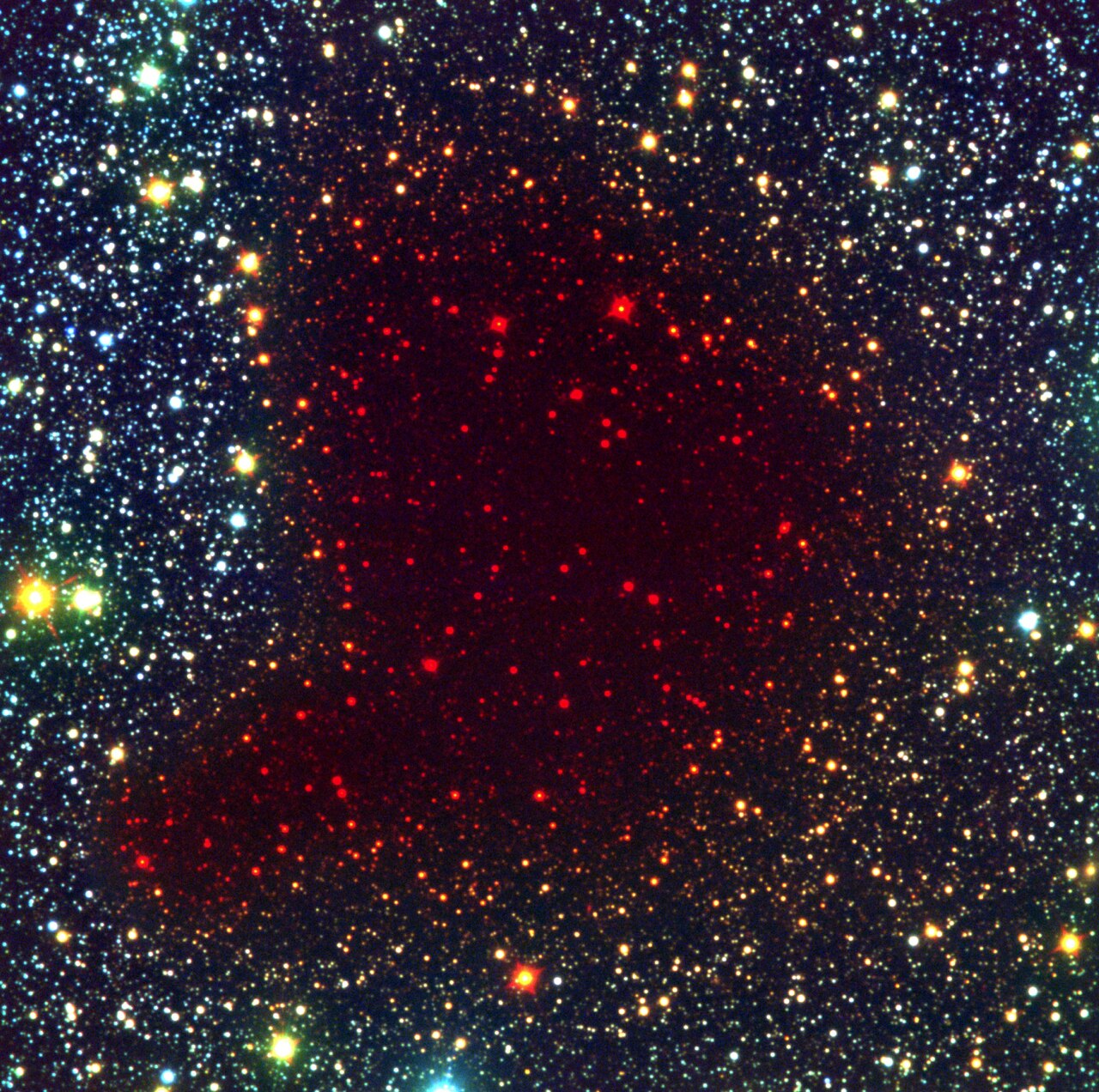
Bok globules are isolated, relatively small dark nebulae composed of dense cosmic dust and gas, typically found within H II regions. They are notable as sites where star formation may take place, most commonly resulting in the formation of double- or multiple-star systems.
Quick Facts
- Where
- HII regions
- Mass
- 2-50
- Discover
- Bart Bok, 1940s
- Comp
- Molecular hydrogen, carbon oxides, helium, and silicate dust
- Thing
- Isolated Dark nebulae
- Commonscat
- Bok globules
- Qid
- Q213936
Facts from the source article.
Lore & Background
Bok globules were first observed by astronomer Bart Bok in the 1940s. In an article published in 1947, he and Edith F. Reilly hypothesized that these clouds were 'similar to insect's cocoons' undergoing gravitational collapse to form new stars and star clusters. This hypothesis was difficult to verify due to the observational challenges of seeing inside a dense dark cloud that obscures all visible light from within. An analysis of near-infrared observations published in 1990 confirmed that stars were being born inside Bok globules. Further observations have revealed that some contain embedded warm sources, some contain Herbig–Haro objects, and some show outflows of molecular gas. Millimeter-wave emission line studies have provided evidence for the infall of material onto an accreting protostar. Bok globules are known to be some of the coldest objects in the natural universe, and their structure and density remain something of a mystery. Methods applied so far have relied on column density derived from near-infrared extinction and star counting. Bok globules that are irradiated by ultraviolet light from hot nearby stars exhibit stripping of materials to produce a tail; these are called 'cometary globules' (CG).
Reader's Guide
Bok globules are significant as laboratories for studying star formation, particularly the formation of double- or multiple-star systems. The 1947 hypothesis by Bart Bok and Edith F. Reilly that these clouds are stellar cocoons was confirmed decades later by near-infrared observations in 1990. Despite this confirmation, many aspects remain mysterious: their structure and density are not fully understood, and they are among the coldest known natural objects. Research continues using methods such as column density derived from near-infrared extinction and star counting. The discovery of embedded warm sources, Herbig–Haro objects, molecular outflows, and infalling material onto protostars has deepened understanding of the star formation process within these globules. Their legacy includes the identification of cometary globules, a subtype formed when ultraviolet radiation from hot nearby stars strips material from the globule, producing a tail. Bok globules remain a subject of intense research, with ongoing efforts to probe their internal properties.
Did You Know?
- They typically contain about 10 solar masses of material in a region about a light-year across.
- Bok globules most commonly result in the formation of double- or multiple-star systems.
- When irradiated by ultraviolet light from hot nearby stars, they can form cometary globules with a tail.
Physical Profile and Stellar Ingredients
Bok globules are compact, isolated pockets of darkness suspended within the brighter expanse of H II regions. Unlike the vast molecular clouds that blanket entire galaxy arms, these structures are relatively small, spanning roughly a light-year in diameter, which translates to a volume on the order of 4.5×10^47 cubic meters. Their mass typically ranges from two to fifty solar masses, with modern estimates settling closer to ten solar masses for a representative example. Inside this dense envelope, the raw ingredients for future stars are packed tightly together: molecular hydrogen dominates the gas mixture, accompanied by carbon oxides and helium, while silicate dust accounts for roughly one percent of the total mass. It is precisely this combination of cold, dense material that makes Bok globules fertile ground for gravitational collapse. When the process runs its course, the most common outcome is not a solitary star but rather a binary or multiple-star system, suggesting that the internal dynamics of these small clouds favor the fragmentation of material into several protostellar cores rather than a single one.
The Cocoon Metaphor: Bok and Reilly's 1947 Vision
In the 1940s, astronomer Bart Bok turned his attention to small, dark patches of interstellar material and recognized them as a distinct class of nebula. In a 1947 paper co-authored with Edith F. Reilly, Bok proposed a striking analogy: these dense clouds resembled the cocoons of insects, within which a transformation was quietly underway. He suggested that gravitational collapse was occurring inside them, birthing new stars and, in some cases, entire star clusters. The metaphor captured the essential idea—that a seemingly inert, dark shell was actually a protective wrapping around a violent creative process. Yet proving the hypothesis was extraordinarily difficult. The very density that made these objects promising stellar nurseries also meant they absorbed and blocked virtually all visible light emanating from their interiors. For decades, astronomers could see the dark silhouette but had no direct way to peer inside, leaving the cocoon analogy as an elegant but unconfirmed picture of how stars might be born.
Breaking the Silence: Infrared and Millimeter-Wave Confirmations
The decades of uncertainty surrounding Bok globules began to dissolve in 1990, when a team published an analysis of near-infrared observations that provided direct confirmation: stars were indeed being born inside these dark clouds. This breakthrough opened the door to a wealth of further discoveries. Subsequent surveys revealed that some globules harbor embedded warm sources, while others display Herbig–Haro objects—bright shock fronts produced by fast-moving jets of gas launched from young stellar objects. Still others exhibit visible outflows of molecular gas, indicating active mass ejection. Millimeter-wave emission line studies added another critical piece of evidence, demonstrating the infall of material onto an accreting protostar at the heart of the cloud. Together, these observations painted a coherent picture of a globule in its typical configuration: roughly ten solar masses of material compressed into a region about a light-year across, with the most frequent end product being a double or multiple-star system rather than a lone sun.
Coldest Objects and the Cometary Tail
Despite the progress made since the 1990s, Bok globules remain one of the most actively studied and least fully understood objects in astronomy. They are known to be among the coldest natural structures in the universe, yet their internal structure and density profiles still resist complete characterization. Researchers have relied on indirect techniques—deriving column density from near-infrared extinction measurements and even counting stars behind the cloud—to probe what lies within. A particularly striking variant emerges when a Bok globule sits near a hot, ultraviolet-bright star. The intense radiation strips material from the cloud's surface, dragging it into a trailing tail that gives the object a comet-like appearance. These so-called cometary globules (CG) provide a vivid visual reminder that even the most quiescent-looking dark nebulae are subject to the sculpting forces of their stellar neighbors, and they continue to offer astronomers a dynamic window into the interplay between radiation and dense gas.
Gallery
Frequently Asked Questions
Who is Bok globule?
Bok globules are compact, isolated dark nebulae composed of dense molecular gas and dust that drift within the brighter surroundings of H II regions. They were first identified by astronomer Bart Bok in the 1940s and formally described in a 1947 paper co-authored with Edith F. Reilly.
What are Bok globule's powers or role?
Their central function is acting as cradles for new star formation, most often collapsing into binary or multiple-star systems rather than single stars. A typical globule carries roughly ten solar masses of molecular hydrogen, helium, carbon oxides, and about one percent silicate dust by mass.
Why is Bok globule important?
They offer one of the clearest natural laboratories for studying the earliest stages of stellar birth under relatively isolated conditions. Because they frequently yield multiple-star systems, they also help astronomers understand how angular momentum is distributed during gravitational collapse.
Where can I find Bok globule?
These small objects are most commonly spotted as dark silhouettes embedded within the glowing hydrogen of H II regions. Their diameter is typically around one light-year, making them among the smallest recognized class of dark nebulae.
More in Nebulae, Part 2 1-24
Spotted an error? Know more?
Reader corrections go straight into our review queue. Suggest an edit · How this site is sourced