Nosy Mangabe
Small island reserve for the endangered aye-aye in Madagascar.

Frank Vassen from Brussels, Belgium · CC BY 2.0
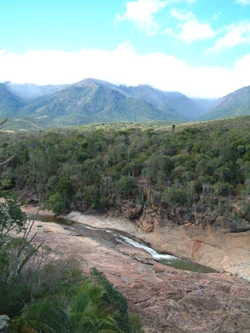
Nosy Mangabe is a small island reserve located in Antongil Bay about 2 km offshore from the town of Maroantsetra in north-east Madagascar. It is part of the larger Masoala National Park complex and is a tropical rainforest national park established for the aye-aye, a species of lemur. The island is accessible by small boat and is known for its dense forest, rich history of trading and piracy, and as a refuge for endangered wildlife.
Quick Facts
- Iucn Category
- II
- Location
- Ambatosoa, Madagascar
- Nearest City
- Maroantsetra
- Established
- 1965
- Visitation Num
- approx. 3000
- Visitation Year
- 2005
- Governing Body
- Madagascar National Parks Association (ANGAP) in partnership with the Wildlife Conservation Society
Facts from the source article.
Lore & Background
Nosy Mangabe has a rich history of trading and piracy. On the west side of the island are rock carvings by Dutch sailors from the 17th century. In the 17th century the area was invaded by the French, who established a trading post. British science fiction writer Douglas Adams visited the island searching for the aye-aye for a radio programme and in his book Last Chance to See.
Reader's Guide
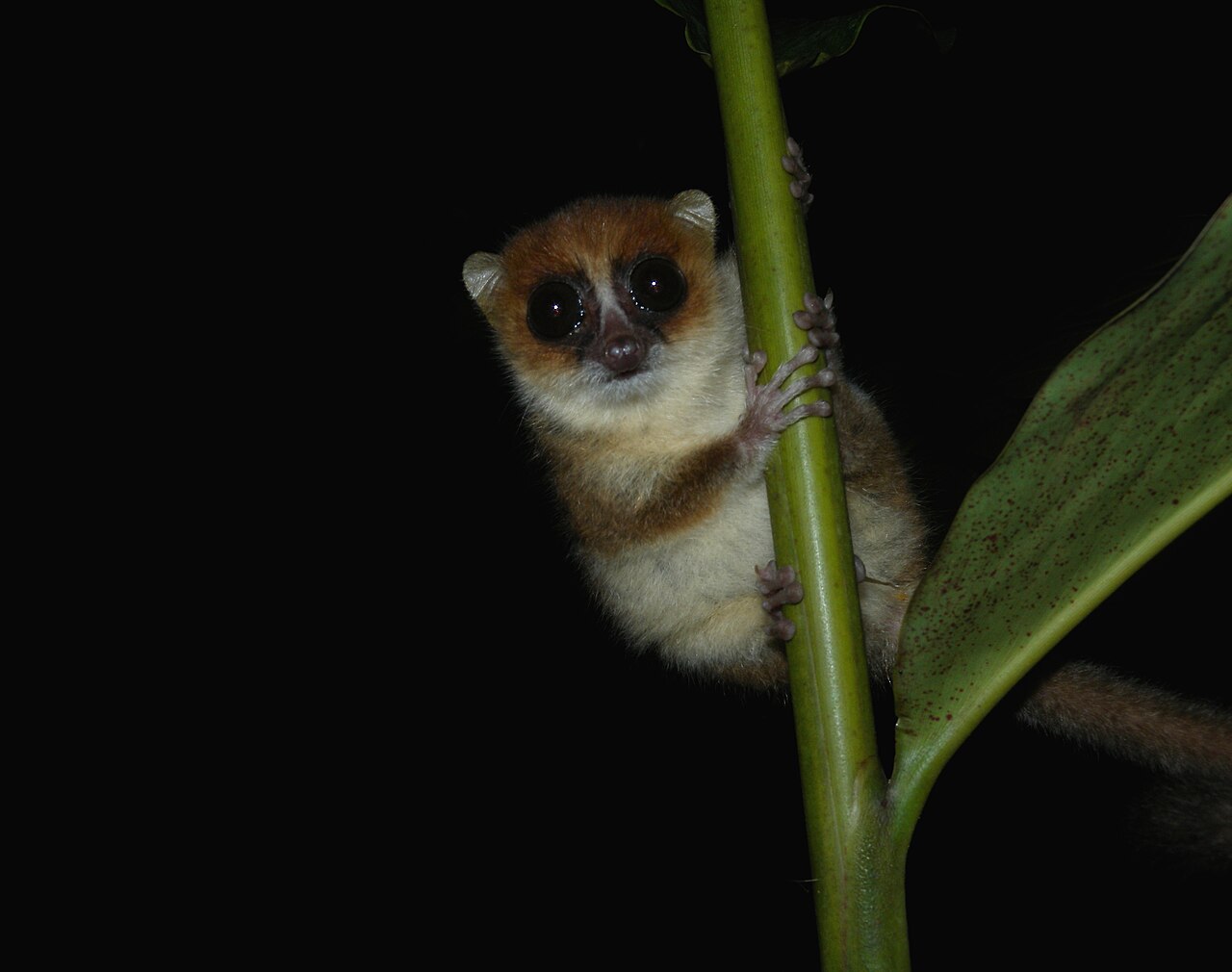
Nosy Mangabe is significant as a dedicated reserve for the aye-aye, a lemur species introduced to the island in the 1960s after centuries of hunting by local people who considered it a symbol of death and harbinger of evil. The aye-aye is categorized as endangered by the IUCN. The island also hosts four other lemur species: the eastern woolly lemur, white-fronted lemur, black-and-white ruffed lemur, and gray mouse-lemur. Its dense humid forest and lack of permanent settlements make it a vital site for biologists, researchers, and eco-tourists. The island's history includes Dutch rock carvings and a French trading post, adding cultural depth. Accessible by a 45-minute boat ride from Maroantsetra, it offers day trips but overnight stays are recommended for viewing the nocturnal aye-aye. The vulnerable tree Baron’s climbing rosewood also grows here.
Did You Know?
- The aye-aye was introduced to Nosy Mangabe in the 1960s.
- The island has no permanent settlements; a campsite serves as a base for biologists and eco-tourists.
A Sanctuary for a Feared Primate
Nosy Mangabe exists, at its core, as a refuge for one of Madagascar's most misunderstood primates. The aye-aye (Daubentonia madagascariensis) was translocated to this small island in the 1960s after centuries of persecution on the mainland. Local communities had long regarded the creature as an omen of death and a harbinger of evil, driving relentless hunting that pushed the species to the brink. The IUCN now classifies the aye-aye as endangered, a designation that underscores how close the animal came to vanishing entirely. By relocating the population to a protected island reserve, conservationists created a safe haven where the aye-aye could recover free from cultural stigma and predation. The island's dense, humid forest provides ideal habitat for this nocturnal forager, and the absence of permanent human settlements means the primates face no daily disturbance. What makes the reserve particularly compelling is that it transforms a creature once reviled into a protected, celebrated species, offering visitors a rare opportunity to witness the aye-aye in its natural nocturnal behaviour rather than through the lens of superstition.
Tropical Geography and Island Biodiversity
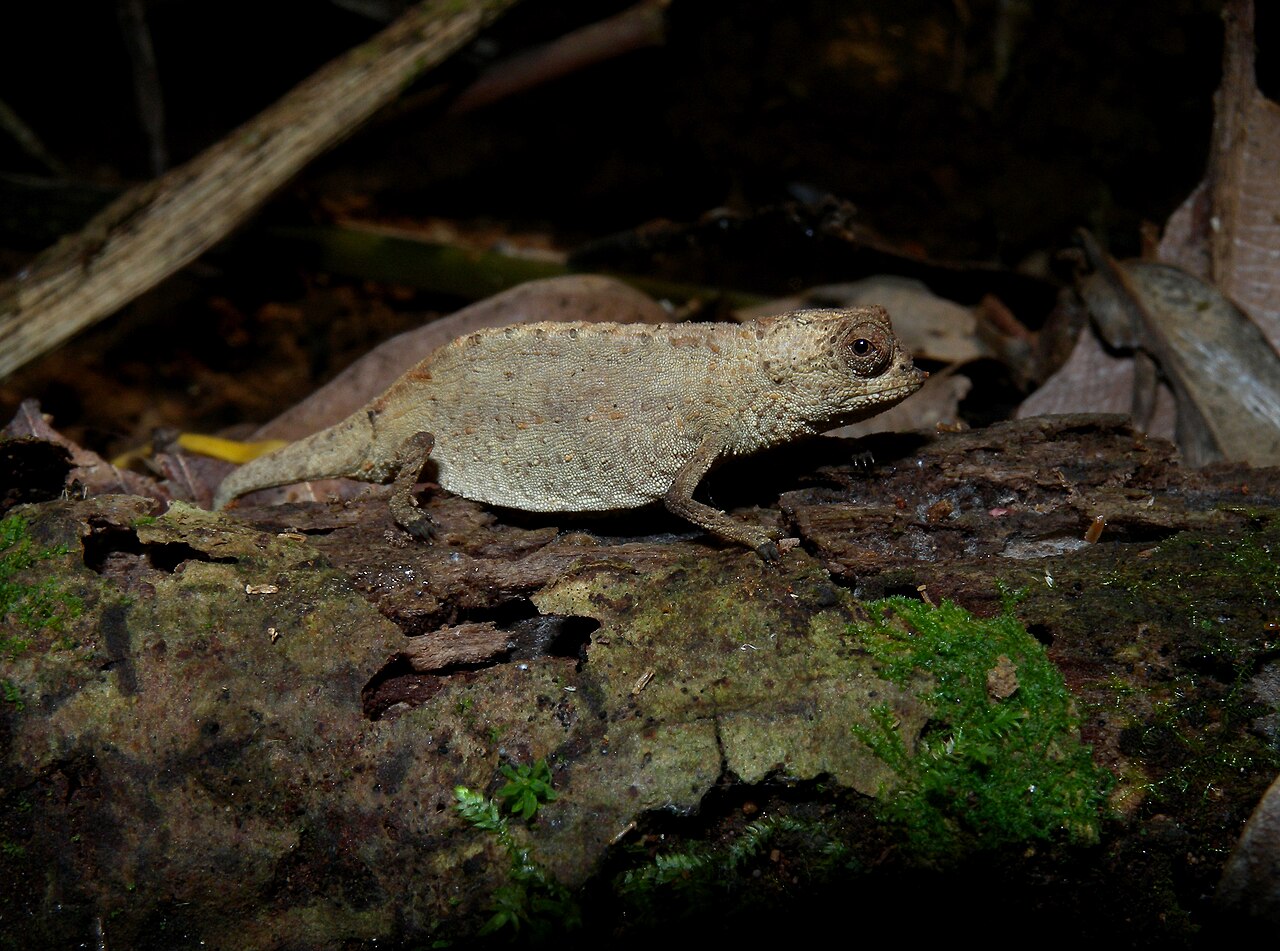
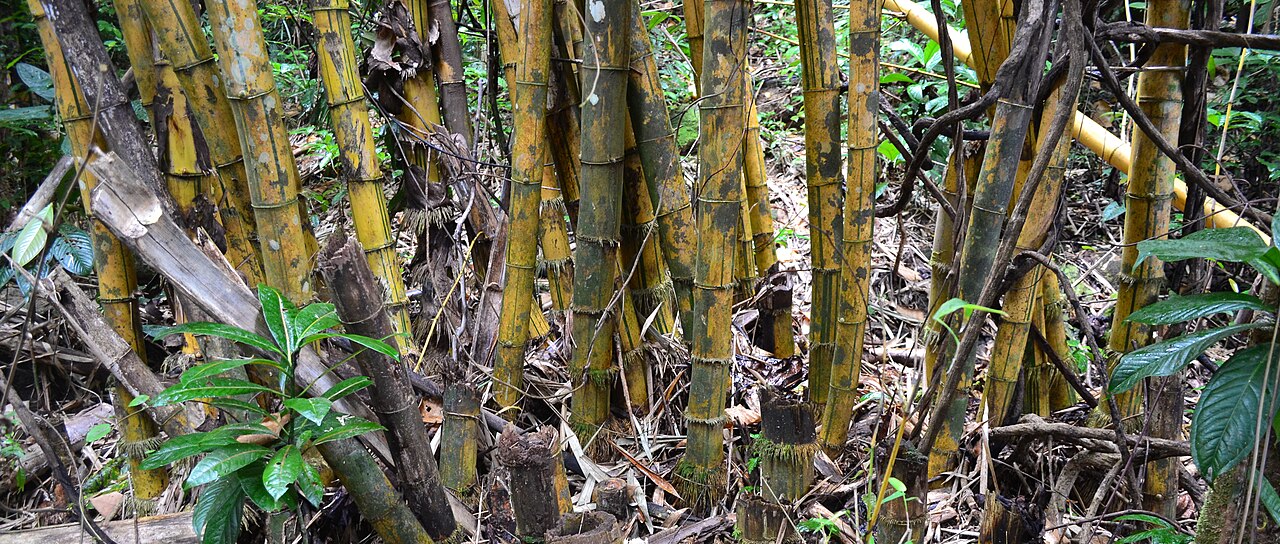
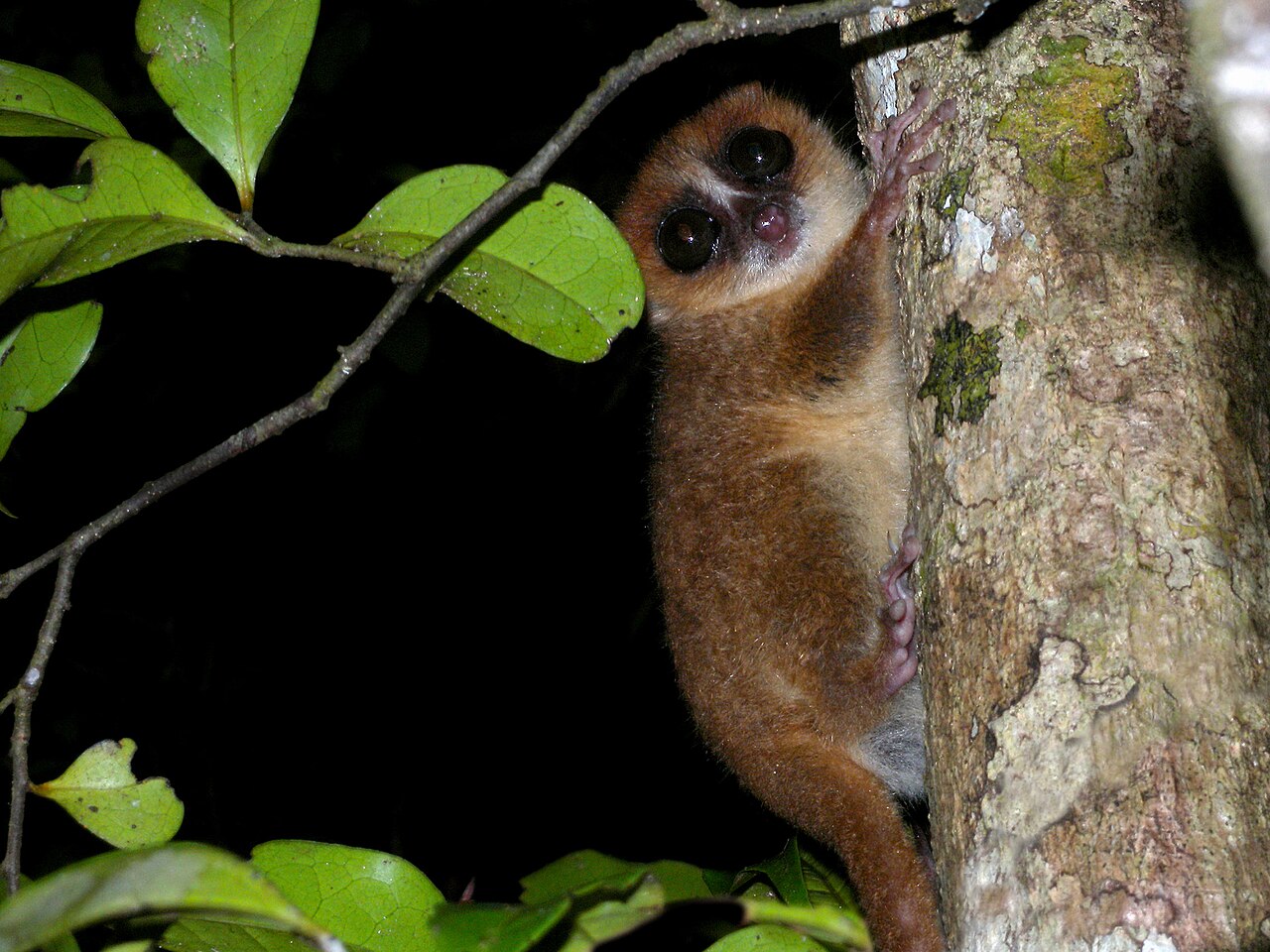
Stretching across 520 hectares in the sheltered waters of Antongil Bay, Nosy Mangabe is a compact yet ecologically rich island in north-east Madagascar. Its terrain rises to an altitude of 1,331 metres, and the landscape is blanketed in dense, humid tropical forest that thrives under an extraordinary annual rainfall of 4,000 millimetres. The island harbours a remarkable concentration of lemur diversity: alongside the aye-aye, four additional species call it home, including the eastern woolly lemur, the white-fronted lemur, the black-and-white ruffed lemur, and the tiny gray mouse-lemur. Beyond primates, the forest shelters Baron's climbing rosewood (Dalbergia baronii), a tree species classified as vulnerable, adding another layer of conservation significance to the reserve. No permanent human communities exist on the island; instead, a modest campsite equipped with basic bathroom and kitchen facilities anchors the island's human presence. This infrastructure supports biologists, researchers, and eco-tourists who come to study or experience the island's biodiversity, ensuring that human activity remains low-impact and focused on observation rather than extraction. The combination of high rainfall, dense canopy, and limited human footprint creates a microcosm of Madagascar's rainforest ecology in a remarkably small area.
Sailors, Traders, and a Sci-Fi Writer
Long before it became a conservation site, Nosy Mangabe was a waypoint in the broader currents of Indian Ocean trade and maritime adventure. The island's west-facing cliffs bear rock carvings left by Dutch sailors in the 16th century, silent testaments to early European contact with this remote stretch of Madagascar's coast. A century later, French forces moved into the region, establishing a trading post that wove the area into colonial commercial networks. The island's history of piracy and trading gives it a layered past that predates modern ecology by centuries. Perhaps the most colourful modern visitor was British science-fiction author Douglas Adams, who made the journey to Nosy Mangabe in search of the aye-aye. His quest became part of a radio programme and later found its way into one of his lesser-known books, Last Chance to See. Adams's visit is a reminder that the island's appeal extends well beyond pure science; it has drawn storytellers, adventurers, and curious travellers for generations, each adding a new chapter to the island's rich human narrative.
Reaching the Island and Staying the Night
Reaching Nosy Mangabe is straightforward by the standards of remote island travel. The reserve sits just two kilometres offshore from the town of Maroantsetra, and a small boat crossing of roughly 45 minutes is the standard route in. Because of this proximity, the island is close enough for a day trip from the mainland, making it accessible to travellers who may not have extensive time in the region. However, the island's primary draw, the aye-aye, is a strictly nocturnal creature, and a daytime visit will almost certainly miss the animal entirely. For that reason, an overnight stay is strongly recommended. The island's single campsite, with its basic bathroom and kitchen facilities, serves as the hub for both scientific work and eco-tourism. Biologists and researchers use it as a field base, while visitors who stay the night gain the chance to observe the aye-aye after dark in its natural habitat. As part of the broader Masoala National Park complex, the island benefits from a wider conservation framework, yet its small size and intimate setting make it feel like a self-contained world, a few boat-lengths from the nearest town.
Gallery
Frequently Asked Questions
What is Nosy Mangabe?
Nosy Mangabe is a small island reserve sitting in Antongil Bay, roughly two kilometres off the coast near Maroantsetra in north-east Madagascar. It operates as part of the wider Masoala National Park complex and was specifically designated to protect the endangered aye-aye lemur.
When was Nosy Mangabe established as a reserve?
The island was formally set aside as a protected nature reserve in 1997, incorporated into the Masoala National Park system. Its core conservation mission is to provide a safe haven for the aye-aye, one of Madagascar's most threatened primate species.
How do visitors get to Nosy Mangabe?
There is no road or bridge to the island, so the only way in is by small boat from the nearby town of Maroantsetra. That limited access helps keep the dense tropical rainforest and its wildlife largely undisturbed.
Why is Nosy Mangabe important for conservation?
It acts as a critical refuge for the aye-aye, a lemur that faces severe pressure across mainland Madagascar. The island's thick forest cover and relative isolation from heavy human activity make it one of the few places where this endangered primate can still thrive.
What is the history behind Nosy Mangabe?
Beyond its present role as a wildlife sanctuary, the island carries a legacy of maritime trade and piracy in the Antongil Bay region. Today that storied past coexists with its identity as a protected tropical rainforest reserve within the Masoala National Park network.
More in National parks of Madagascar 1-24
Spotted an error? Know more?
Reader corrections go straight into our review queue. Suggest an edit · How this site is sourced