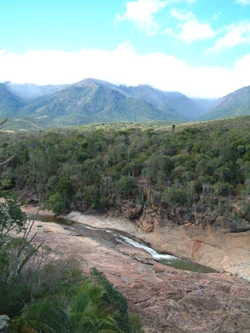
Ankarafantsika National Park
A dry tropical forest park with unique endemic wildlife.

Frank Vassen · CC BY 2.0
Ankarafantsika National Park is a protected area near Andranofasika in the Boeny Region of Madagascar, located about 115 kilometers north of the city of Majunga. It is notable for its dry tropical forests, diverse endemic species, and as the only known habitat of the greater big-footed mouse (Macrotarsomys ingens).
Quick Facts
- Iucn Category
- II
- Location
- Boeny Region, Madagascar
- Nearest City
- Andranofasika / Majunga
- Established
- 31 December 1927 (as nature reserve) / 2002 (as national park)
- Governing Body
- Madagascar National Parks
Facts from the source article.
Lore & Background
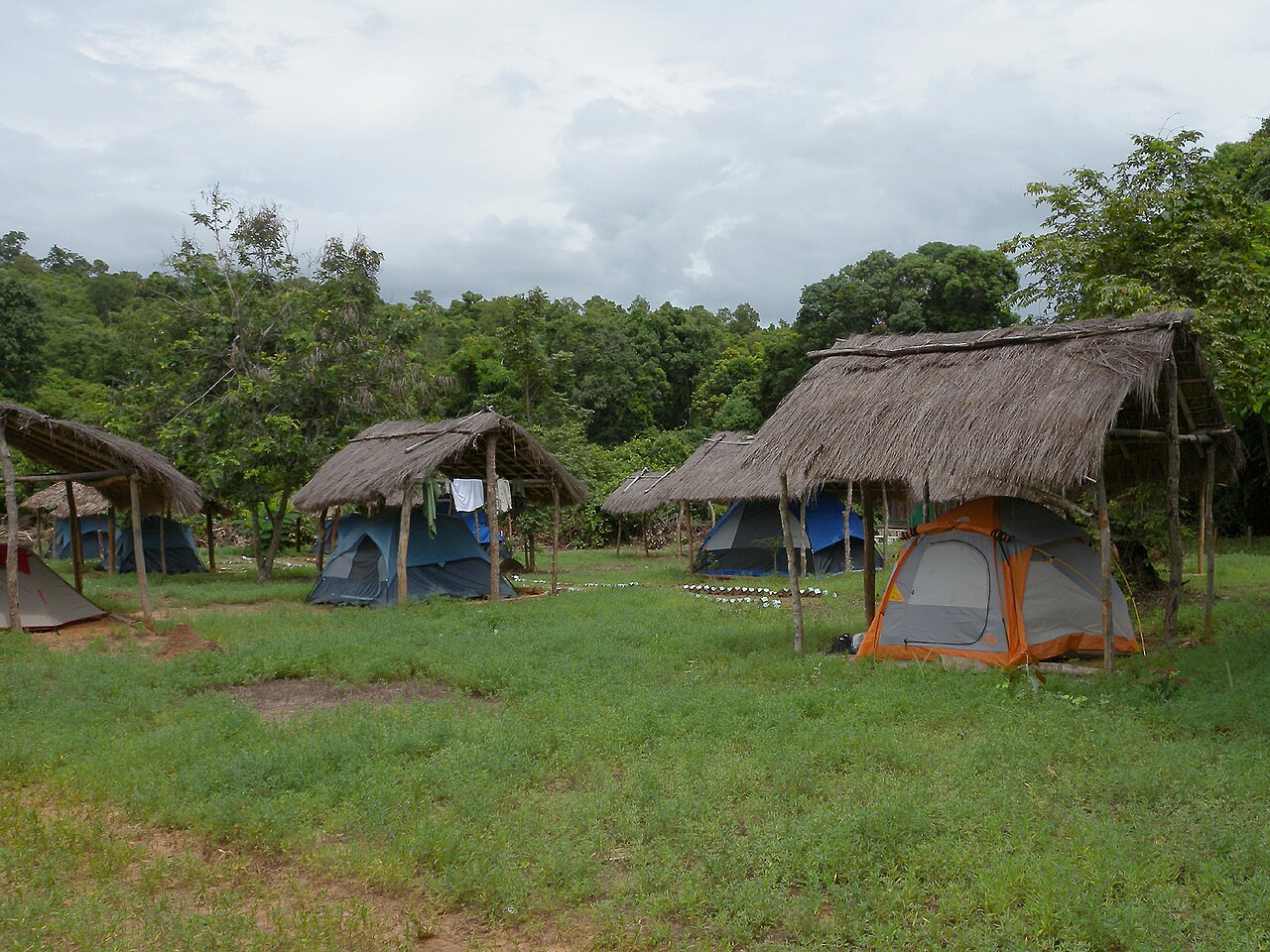
Ankarafantsika National Park lies between the Betsiboka River to the west and the Mahajamba River to the east. Originally two separate parks on either side of Route 4 national road, they were combined in 2002. The park consists of patches of thick dry tropical forest interspersed with less dense areas, savannah, scrub, sandy eroded rock, and some farmland used by the indigenous Sakalava people. It contains several lakes and is criss-crossed by tracks and paths, with lodging facilities and guides available for visitors.
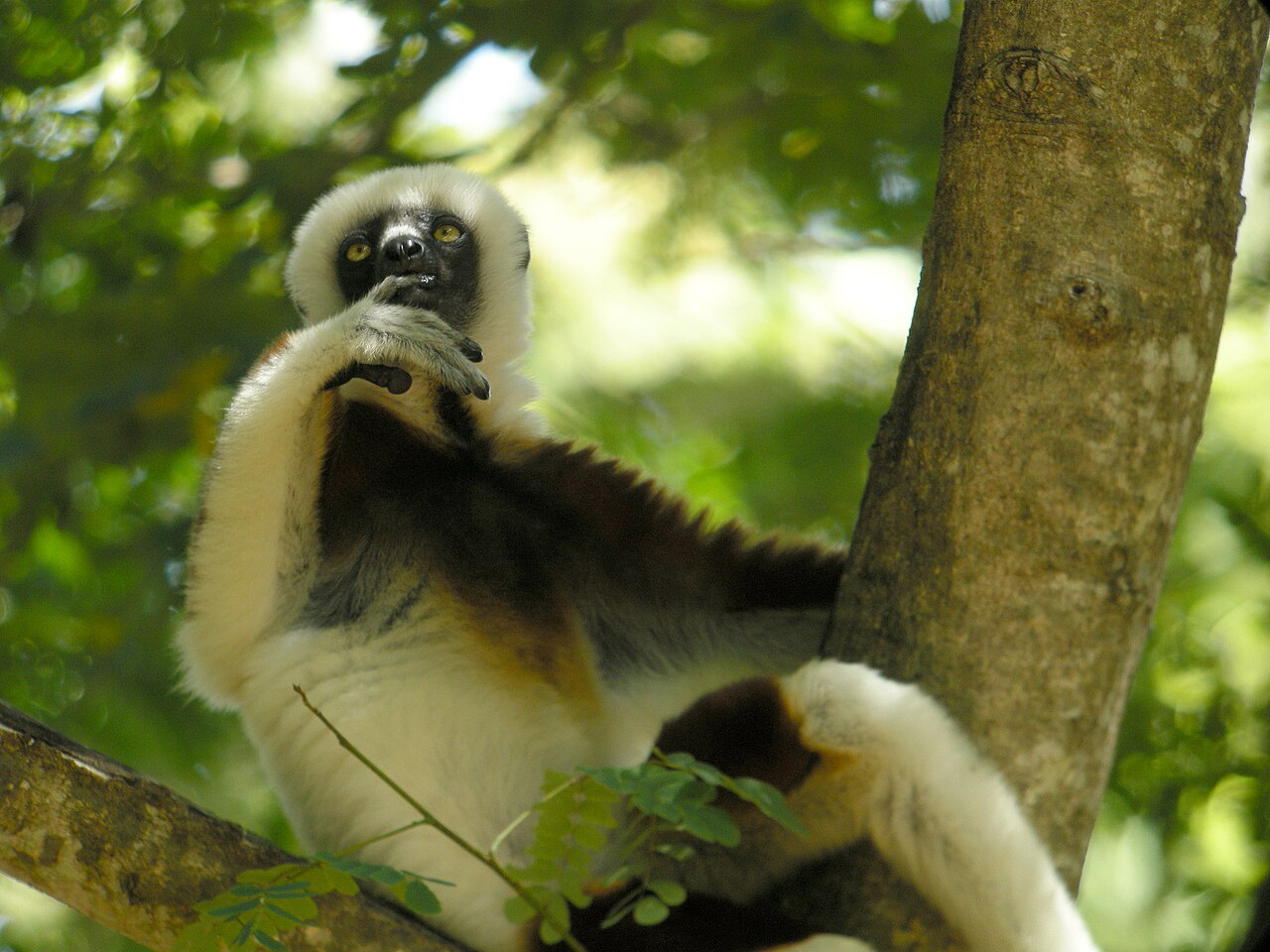
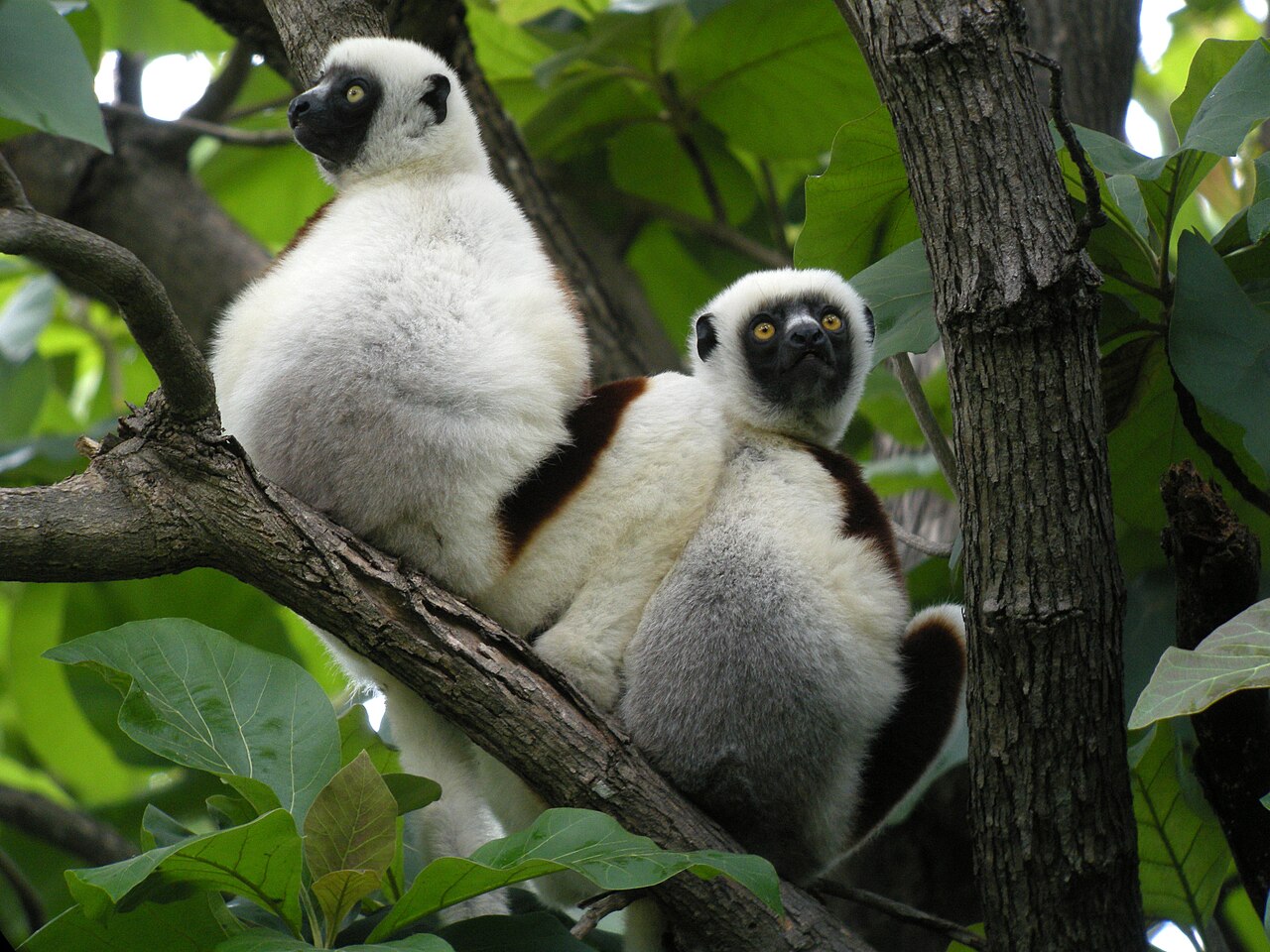
The park's flora includes over 800 species, many endemic to Madagascar, such as the flowering bush mpanjakabenitany (Baudouinia fluggeiformis), the medicinal katrafay (Cedrelopsis grevei), the small tree lohavato (Hymenodictyon occidental), and the large tree sakoanala (Poupartia silvatica). Fauna includes ten amphibian species, 44 reptile species, eight lemur species (including two mouse lemurs), and 129 bird species, more than half endemic to Madagascar. Notable animals include the rare Madagascan big-headed turtle, rhinoceros chameleon, dwarf chameleon, two ground-dwelling boa constrictors, and the endangered Madagascar heron.
Reader's Guide
Ankarafantsika National Park is significant as a stronghold of Madagascar's dry tropical forest ecosystem and its endemic biodiversity. It protects numerous species found nowhere else, most notably the greater big-footed mouse, a recently described small rodent known only from the park and its vicinity. The park also hosts eight lemur species, including the world's smallest primates (mouse lemurs), and a high proportion of endemic birds such as the Van Dam's vanga and the Madagascar fish eagle. Its combination of forest, savannah, and lakes provides critical habitat for rare reptiles like the Madagascan big-headed turtle and the rhinoceros chameleon. The park's merger in 2002 created a single, larger protected area, enhancing conservation efforts. For the Sakalava people, the park is both a homeland and a source of farmland. As a destination, it offers guided tours and lodging, allowing visitors to observe unique wildlife and landscapes. Its legacy lies in preserving a representative slice of Madagascar's dry forest and its endemic life, serving as a key site for ecological research and ecotourism.
Did You Know?
- The greater big-footed mouse (Macrotarsomys ingens) is known only from Ankarafantsika National Park and its vicinity.
- The park was formed in 2002 by combining two parks that were on either side of Route 4 national road.
- Over 800 plant species are present in the park, many endemic to Madagascar.
- The park is home to eight species of lemur, including two species of mouse lemur, the world's smallest primates.
Geography, Climate & the 2002 Merger
Nestled in Madagascar's Boeny Region, Ankarafantsika National Park sits near the small settlement of Andranofasika, with the port city of Majunga lying roughly 115 kilometres to the north. The park enjoys a predominantly tropical climate and stretches between two significant waterways: the Betsiboka River forms its western boundary while the Mahajamba River marks the eastern edge. What is now a single protected area was once two separate parks divided by Route 4, the national road that bisects the landscape. In 2002, authorities merged the two into one continuous reserve, creating a tract of approximately 135,000 hectares. The terrain is a mosaic of thick dry tropical forest broken up by lighter woodland, open savannah, scrubland, and stretches of sandy, eroded rock. Scattered lakes dot the interior, and a network of tracks and footpaths criss-crosses the land. The Sakalava people, the region's predominant ethnic group, maintain small farms within the park's boundaries. For visitors, basic lodging facilities exist, and local guides are available to help travelers navigate the wildlife and scenery.
A Living Library of Dry-Forest Flora
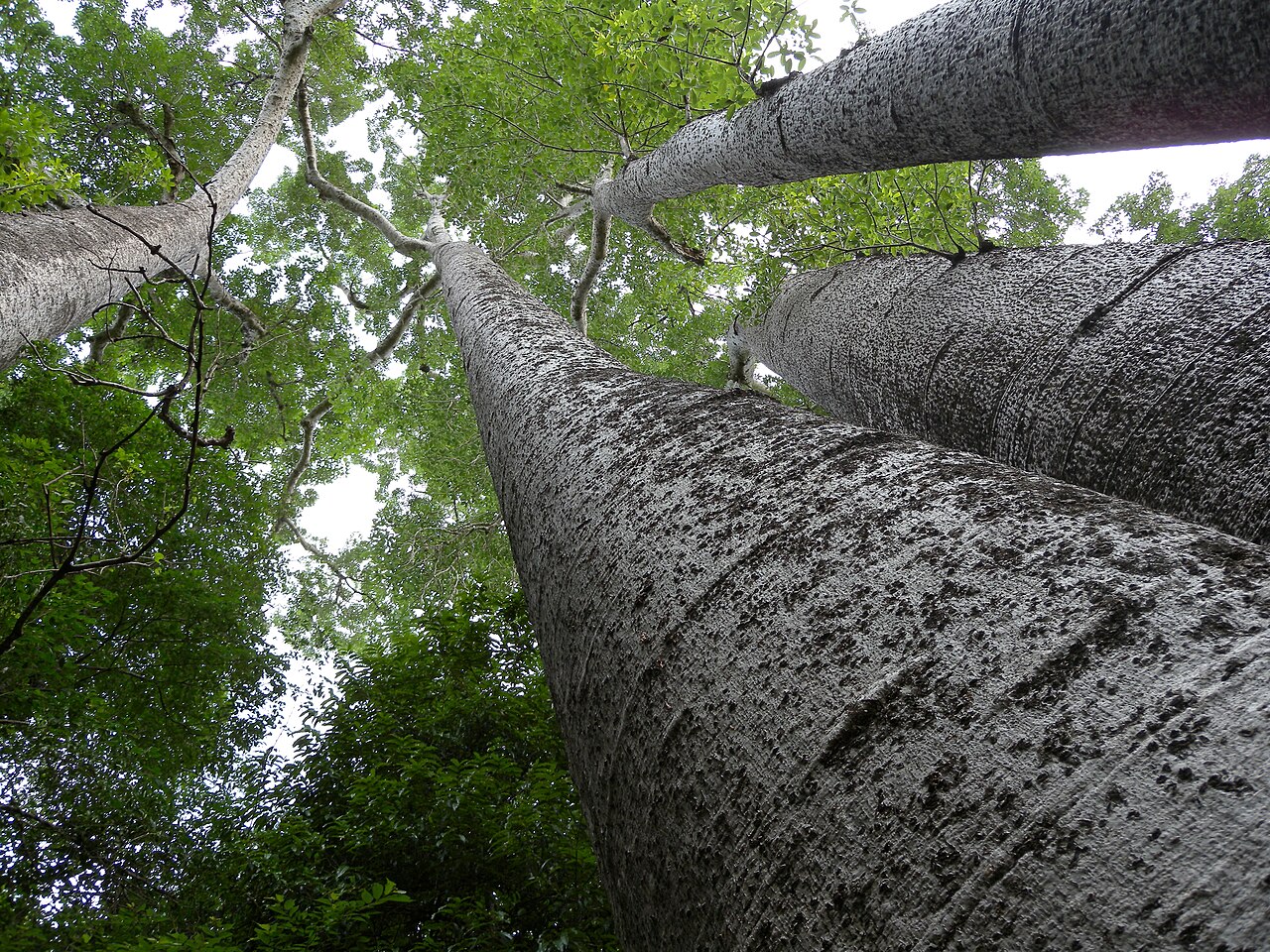
The vegetation of Ankarafantsika is dominated by woodland typical of dry tropical forests, and the sheer diversity of plant life is staggering. More than 800 species have been documented within the park, and a significant portion of them are found nowhere else on Earth, having evolved in isolation on Madagascar. Among the most distinctive plants is the mpanjakabenitany (Baudouinia fluggeiformis), a flowering bush that adds bursts of colour to the understory. The katrafay (Cedrelopsis grevei) holds cultural importance as a plant long used in traditional medicine by local communities. The lohavato (Hymenodictyon occidental) is a modest small tree, while the sakoanala (Poupartia silvatica) commands attention as a large canopy tree whose conspicuous flowers make it easy to spot from a distance. Together these species illustrate how the park's dry tropical forest, though less dense than the rainforests of eastern Madagascar, supports a rich and largely unique botanical community.
Reptiles, Amphibians & the World's Smallest Primates
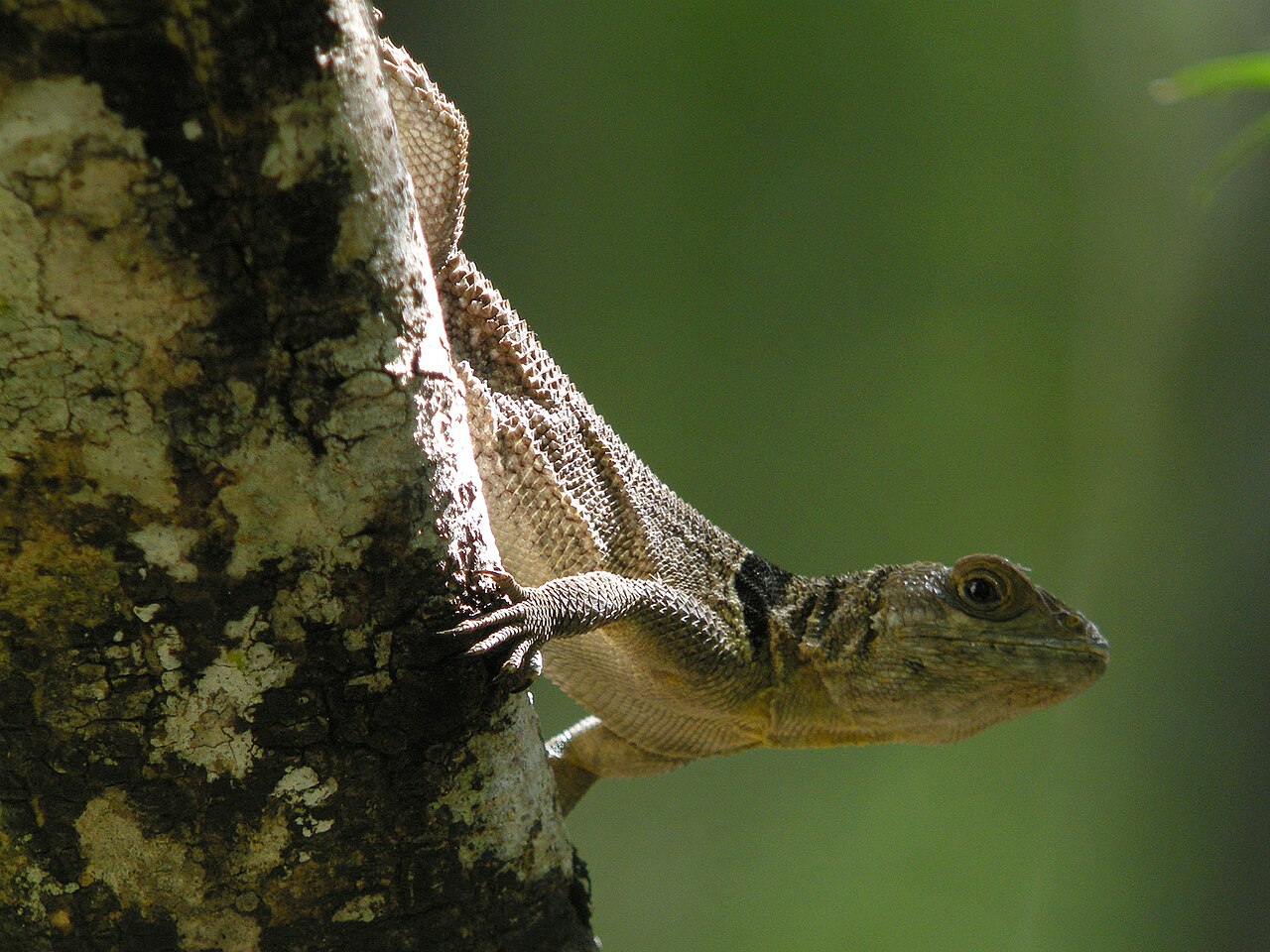
The animal life of Ankarafantsika is a showcase of Madagascar's evolutionary isolation. Ten amphibian species and 44 reptile species call the park home, including the rare Madagascan big-headed turtle (Erymnochelys madagascariensis), a species of considerable conservation concern. The reptile assemblage also features the striking rhinoceros chameleon (Furcifer rhinoceratus) and the diminutive dwarf chameleon (Brookesia decaryi). Among the snakes, two ground-dwelling boa constrictors—Acrantophis madagascariensis and Sanzinia madagascariensis—roam the forest floor, alongside the rare terrestrial species Liophidium therezieni. The mammal community is equally remarkable. Eight lemur species inhabit the park, two of which belong to the genus Microcebus, the mouse lemurs that represent the world's smallest primates. Perhaps most extraordinary is the greater big-footed mouse (Macrotarsomys ingens), a recently described small rodent whose known range is limited to the park and its immediate surroundings, making Ankarafantsika the only place on Earth where this species has been confirmed.
A Birdwatcher's Paradise in the Dry Forest
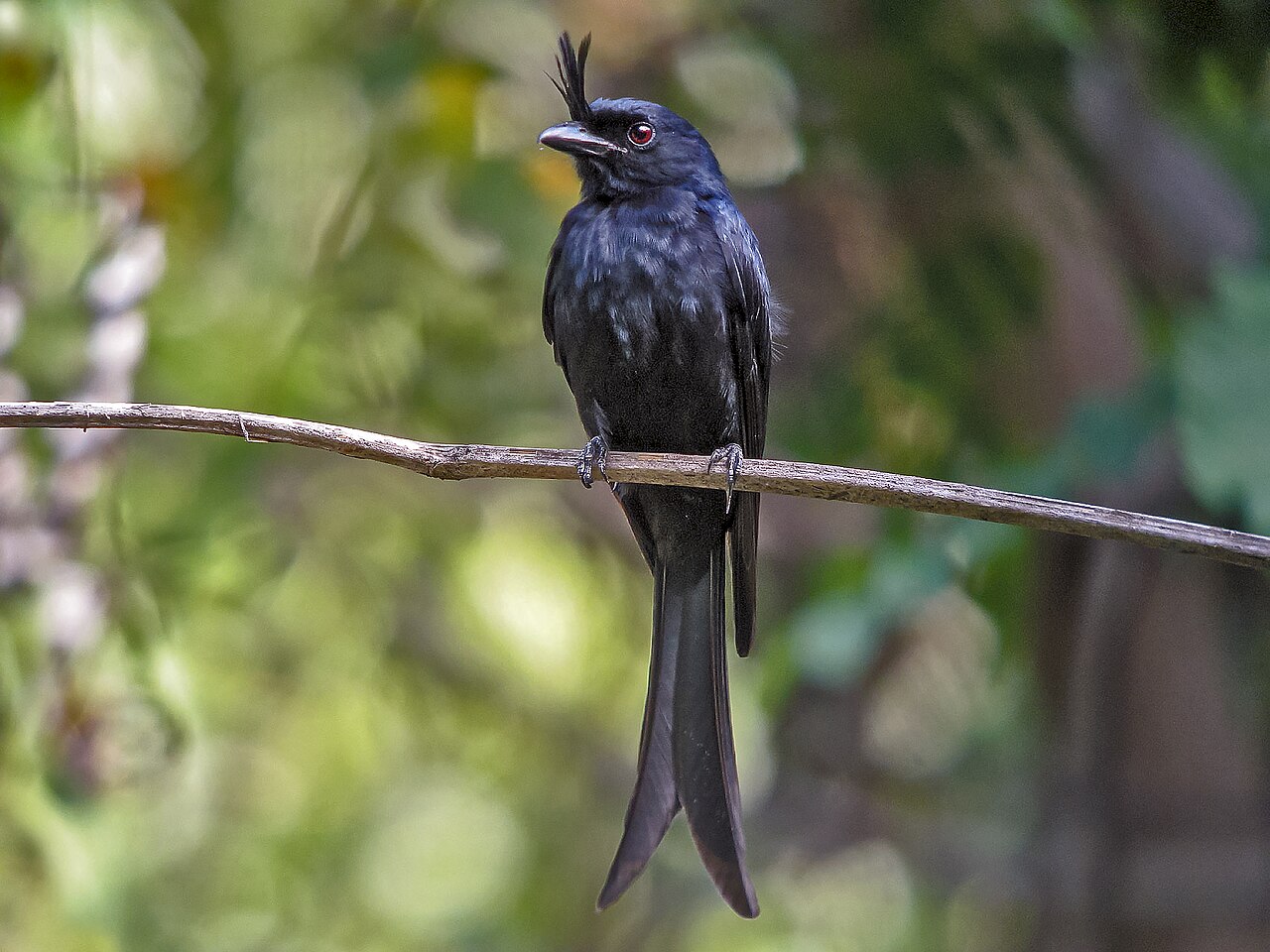
One hundred and twenty-nine bird species have been recorded within Ankarafantsika, and more than half of them are endemic to Madagascar, a testament to the island's long isolation. The park's dry forest and lakes support a remarkable array of avian life. Among the most sought-after species is the Van Dam's vanga (Xenopirostris damii), a bird whose range is tightly restricted to this part of the island. The rufous vanga (Schetba rufa) is another endemic that thrives in the woodland. Birders also hope to glimpse the elusive banded kestrel (Falco zoniventris), a raptor that is notoriously difficult to observe. At Ravelobe Lake, the Madagascar fish eagle (Haliaeetus vociferoides) can often be seen soaring above the water, a more reliably observable resident. The endangered Madagascar heron (Ardea humbloti) also frequents Lake Ravelobe, making this single body of water a critical habitat for one of the island's most vulnerable bird species.
Gallery
Frequently Asked Questions
Where is Ankarafantsika National Park located?
It sits in the Boeny Region of northwestern Madagascar, roughly 115 km north of the port city of Majunga, near the village of Andranofasika.
What is Ankarafantsika National Park most famous for?
It is the sole known home of the greater big-footed mouse (Macrotarsomys ingens), a rodent that exists nowhere else on Earth. The park also shelters a wide range of other endemic dry-forest species.
When was Ankarafantsika National Park created and how large is it?
The park came into existence in 2002 when two earlier protected areas were merged into a single unit. It now covers approximately 135,000 hectares of dry tropical forest.
What kind of climate and ecosystem does Ankarafantsika have?
The park experiences a predominantly tropical climate and is dominated by dry tropical forest, which supports a rich community of endemic plants and animals adapted to seasonal drought.
Why is Ankarafantsika National Park important for conservation?
Because it is the only habitat for the greater big-footed mouse and harbors numerous other species found nowhere else, losing this park would mean the permanent disappearance of those unique organisms. It also serves as a cultural landscape for the Sakalava people who live in the surrounding region.
More in National parks of Madagascar 1-24
Spotted an error? Know more?
Reader corrections go straight into our review queue. Suggest an edit · How this site is sourced