Andasibe-Mantadia National Park
Rainforest park in Madagascar, home to the indri and 11 lemur species.

Smiley.toerist · CC BY-SA 4.0
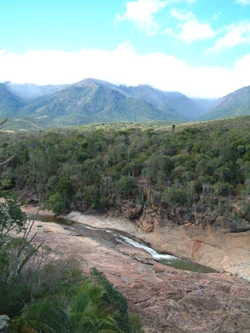
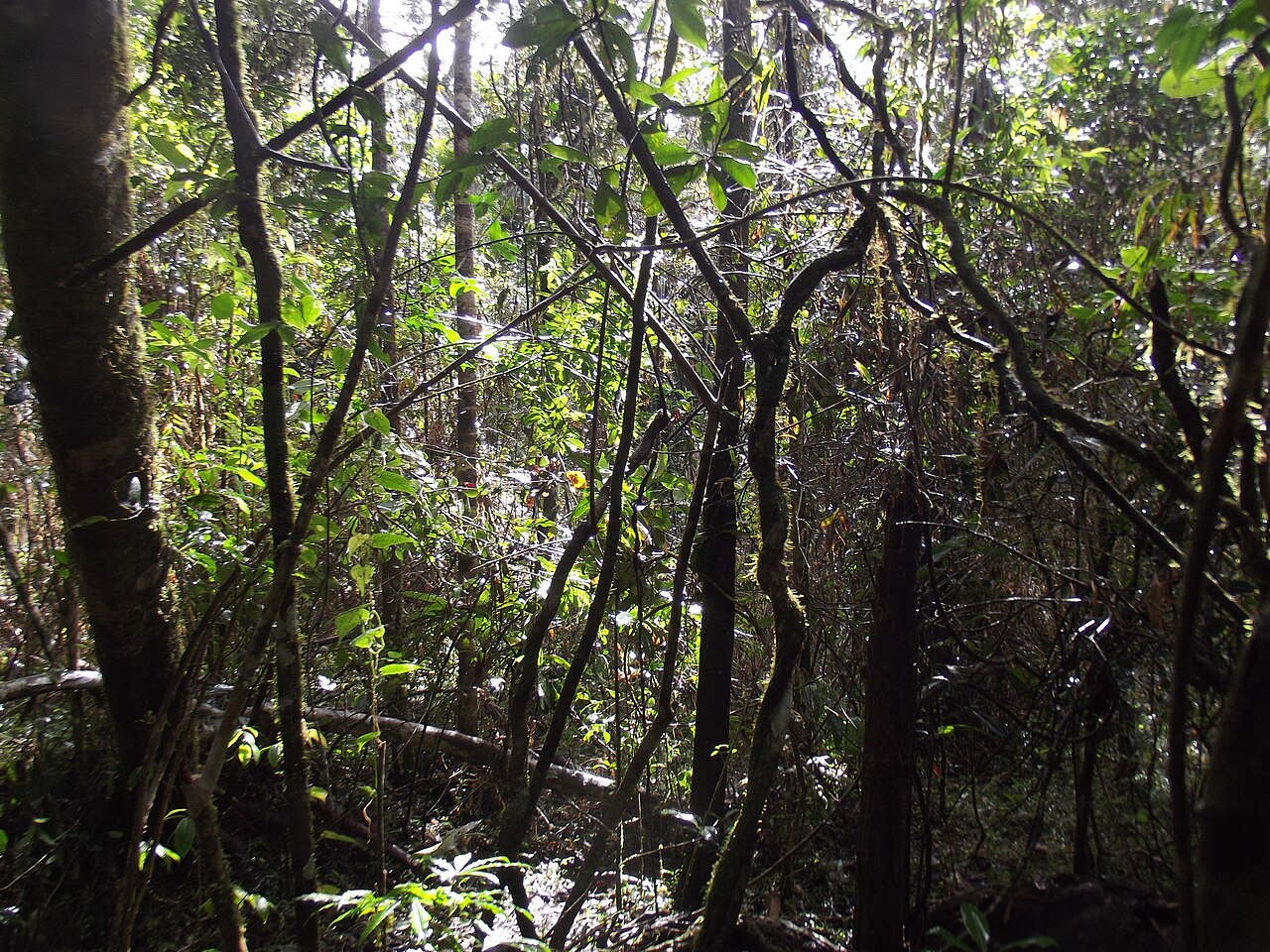
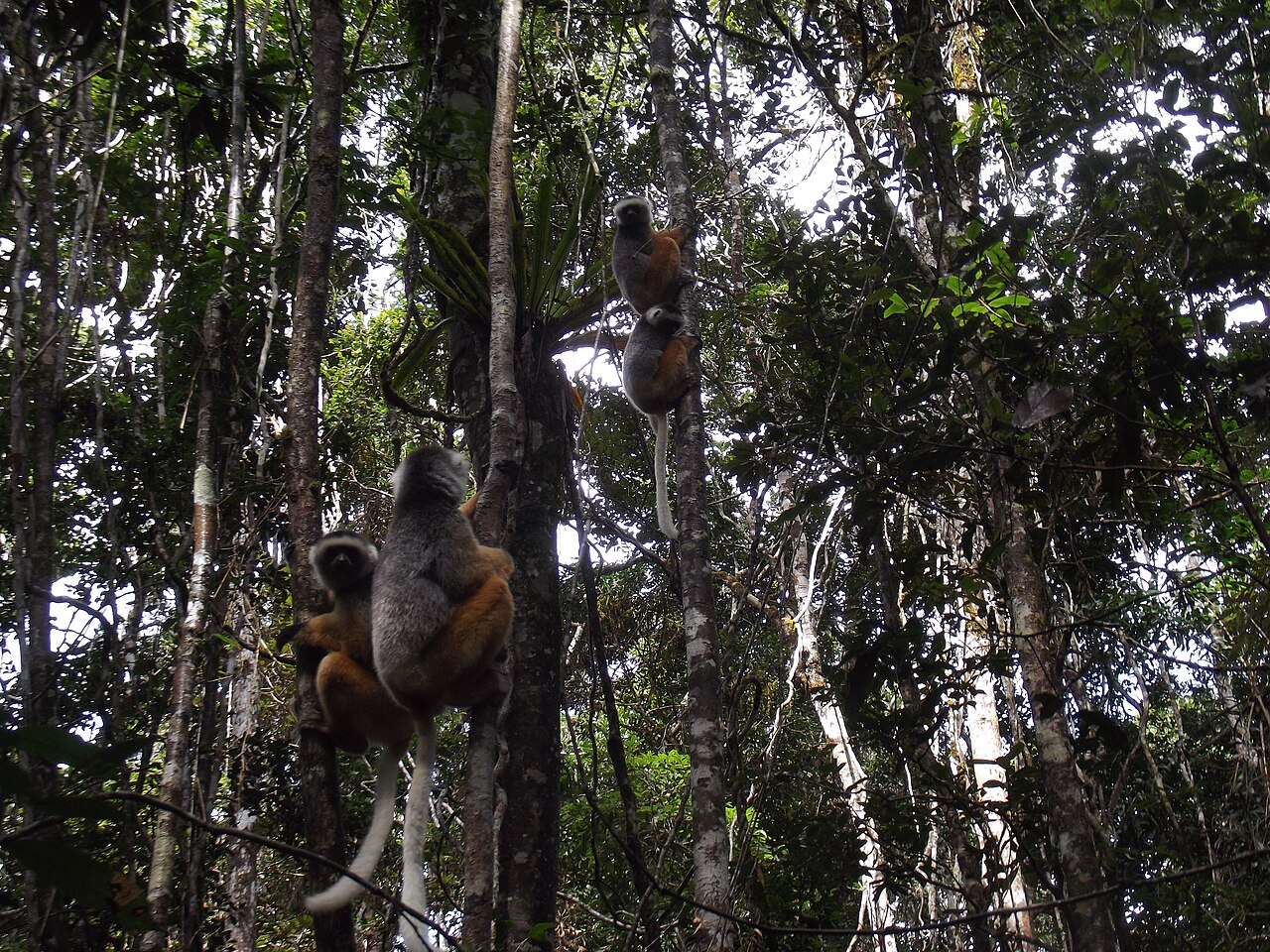
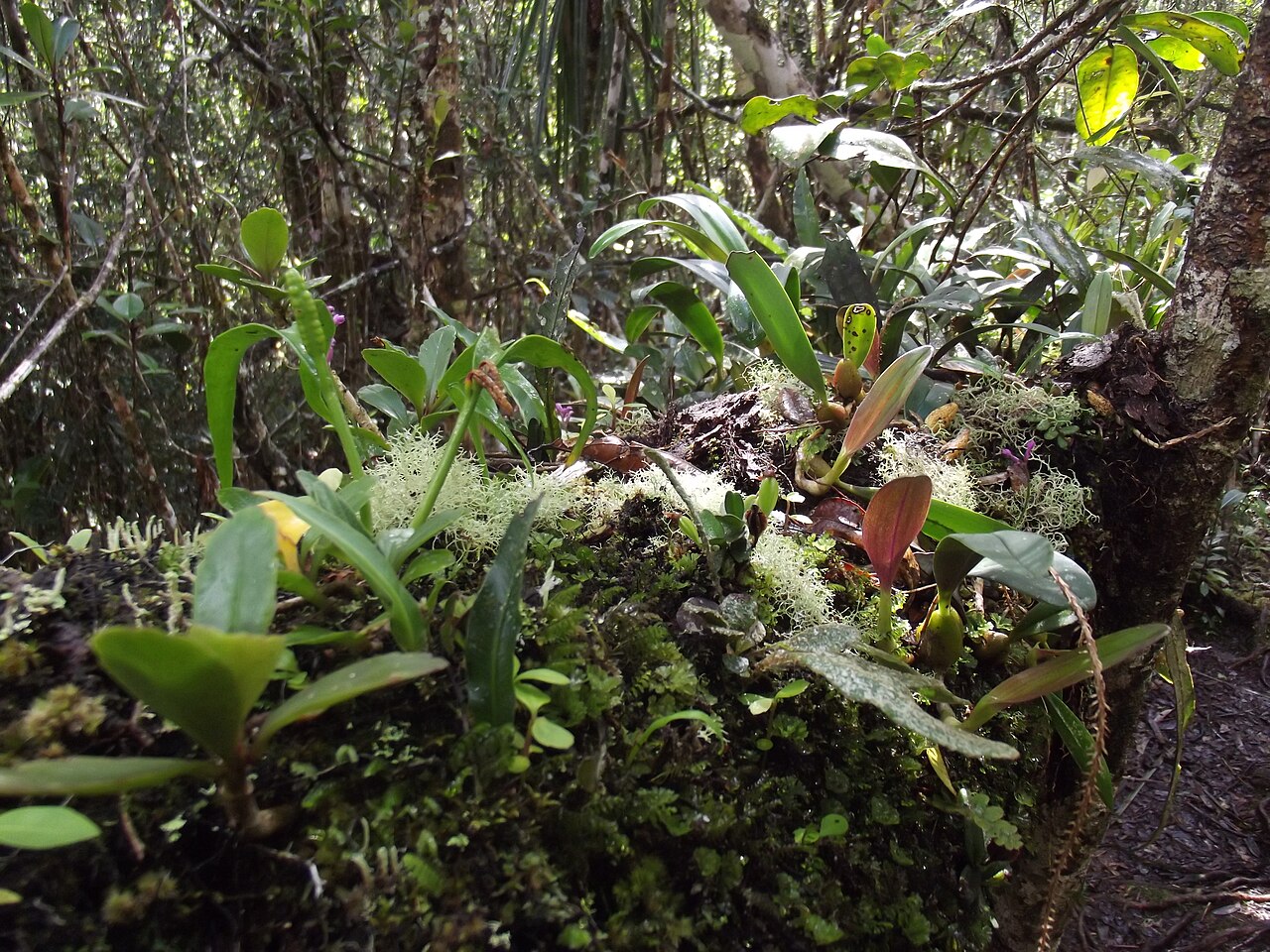
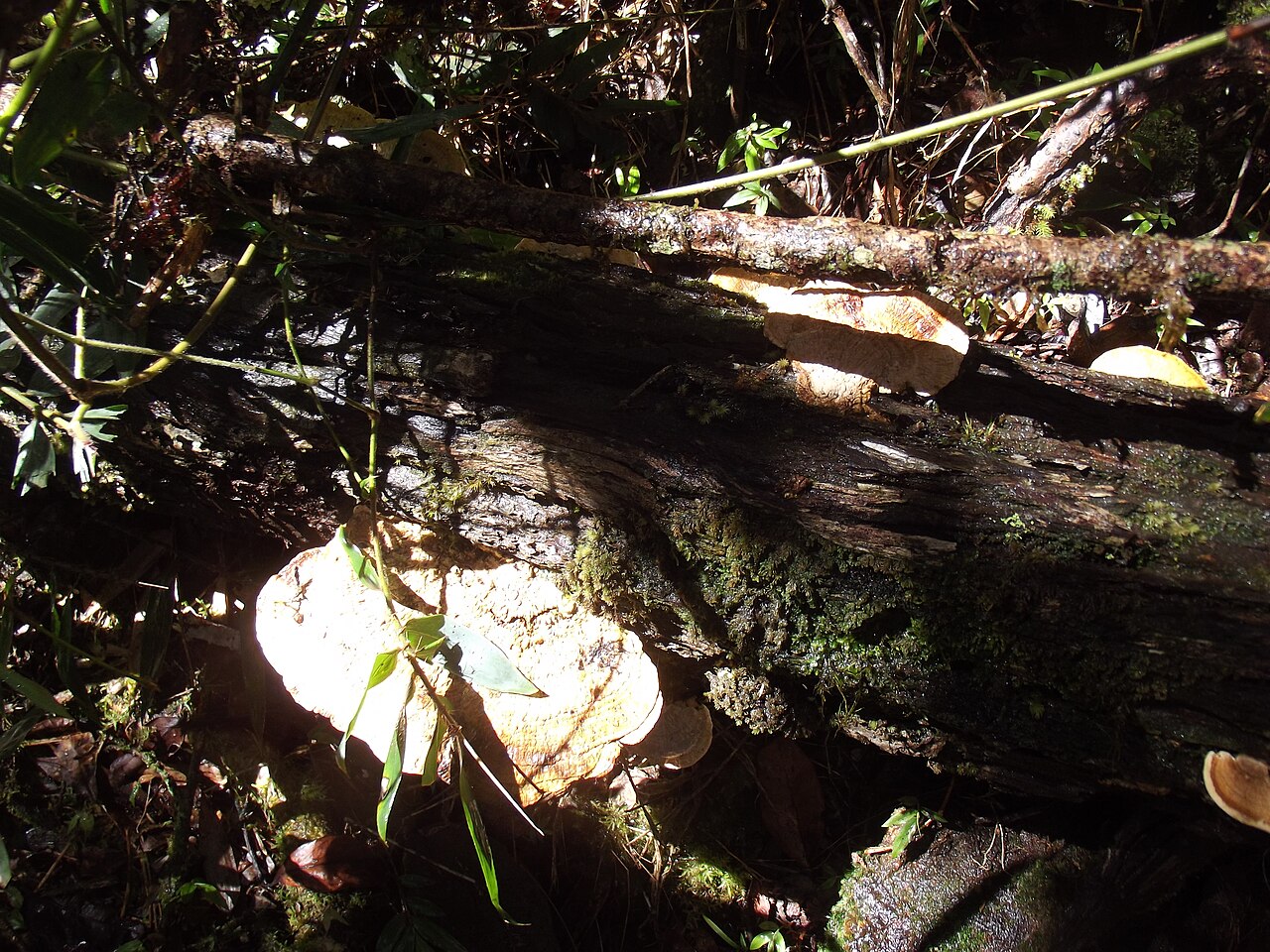
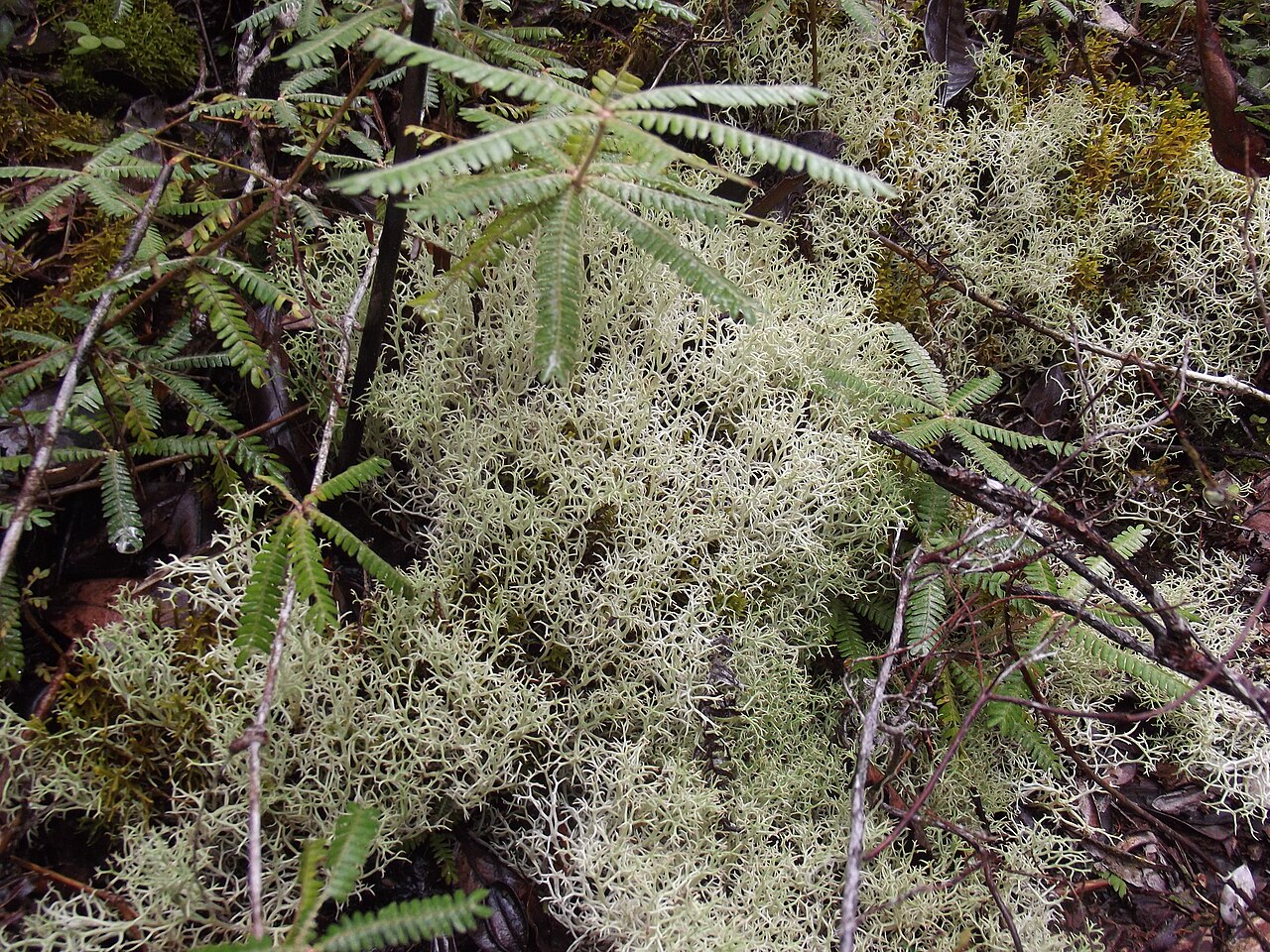
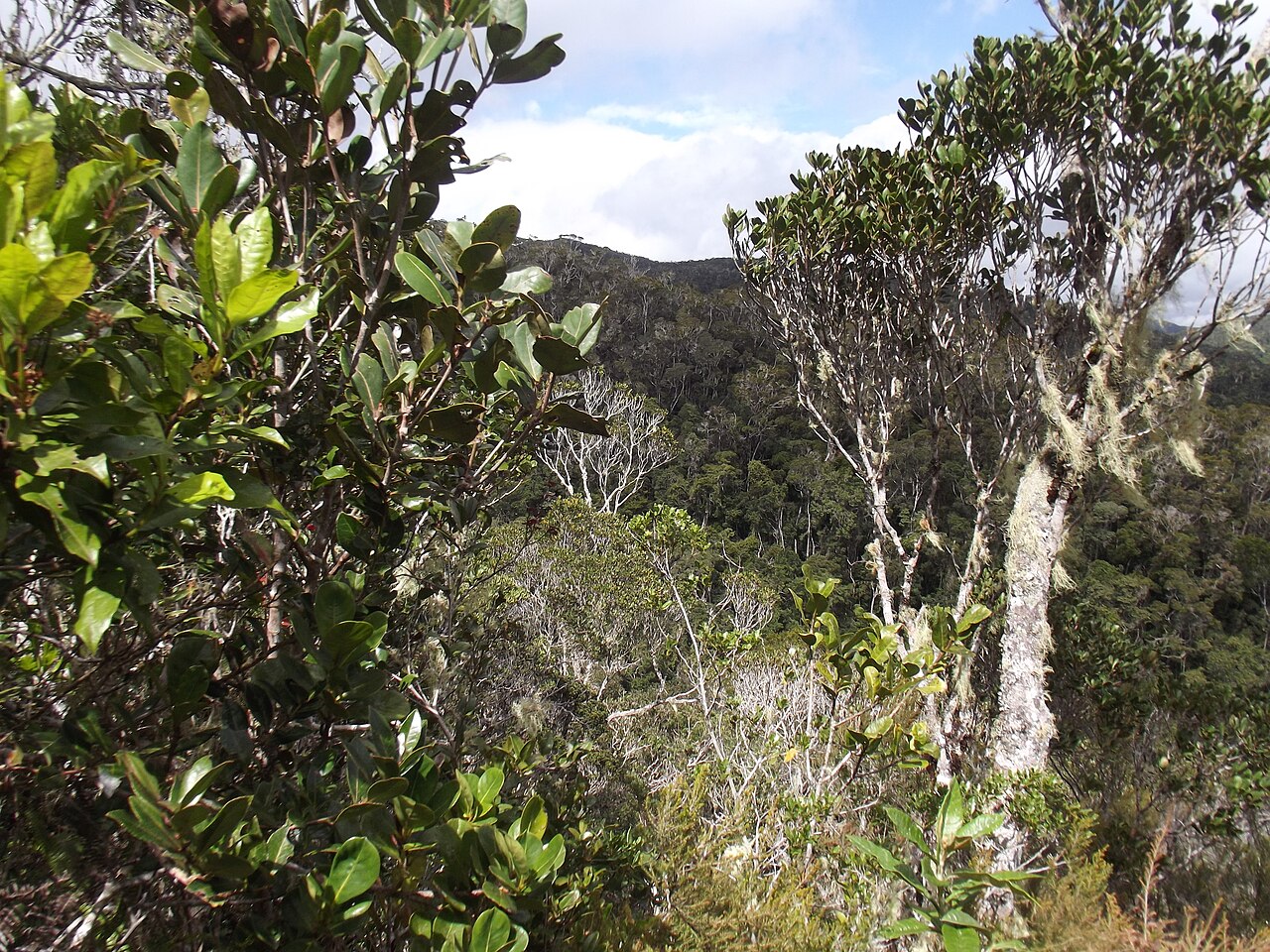
Andasibe-Mantadia National Park is a 155 square kilometre protected area in eastern Madagascar, located about 150 km east of Antananarivo. It consists principally of primary growth forest in the Alaotra-Mangoro Region and is known for its humid climate, elevation range of 800 to 1260 meters, and average annual precipitation of 1700 mm. The park is habitat to vast species biodiversity, including many endemic rare and endangered species, notably 11 lemur species, and is best known for its population of Madagascar's largest lemur, the indri, found in the Analamazoatra Reserve component.
Quick Facts
- Iucn Category
- II
- Location
- Eastern Madagascar
- Nearest City
- Moramanga, Andasibe (Périnet)
- Area
- 155 km / 2
- Established
- 1989
- Visitation Num
- 26,054
- Visitation Year
- 2011
- Governing Body
- Madagascar National Parks Association (PNM-ANGAP)
Facts from the source article.
Lore & Background
The park's two component parts are Mantadia National Park and Analamazoatra Reserve. Analamazoatra, known locally as Andasibe after the nearby village, is a separate reserve that was never part of a larger Mantadia National Park. The main threat to the park comes from the disappearance of adjoining habitat outside the park, caused primarily by logging and replacement of rainforest with commercial Australian eucalyptus and Chinese pine forests, and to a lesser extent by slash-and-burn cultivation for rice agriculture, exacerbated by high population growth and poverty.
In 2006, the Madagascar Biodiversity Partnership and Omaha's Henry Doorly Zoo & Aquarium, in collaboration with Madagascar National Parks and Eaux et Fôret, initiated the Analamazaotra Re-introduction/Translocation (ART) project to reintroduce two endangered species of lemur back into the park. By 2014, the project had reintroduced three groups comprising 26 diademed sifaka and 8 black-and-white ruffed lemur. The project tracked groups using radio collars and collected fecal samples to evaluate biomedical, genetic, habitat, nutritional and reproductive characteristics. The project has been very successful, with two generations of babies born at the park, and also helps the local community through education and providing two local guides.
Reader's Guide
Andasibe-Mantadia National Park is significant as one of the easiest parks in Madagascar to visit from the capital, Antananarivo, with a three-hour drive east on a paved road, Route Nationale 2. While Analamazaotra and park headquarters are short walks from Antsapanana, special transport must be arranged to reach Mantadia. Hikes ranging from one to six hours are typically available in both parts, and a local guide is required for visitors. The park was nominated in 2007 to become part of the World Heritage Site of Rainforests of the Atsinanana, but its forests were not selected for the final list. In 2025, the park was designated as a biosphere reserve by UNESCO. Its legacy includes the ART project, which successfully reintroduced endangered lemurs and provides a model for conservation efforts that balance resource extraction with environmental protection, creating alternatives to replacing native forests with eucalyptus and pine. The park remains a key site for biodiversity conservation and ecotourism in Madagascar.
Did You Know?
- The park's average annual precipitation is 1700 mm, with rainfall on 210 days each year.
- The park's two component parts are Mantadia National Park and Analamazoatra Reserve, which is best known for its population of the indri, Madagascar's largest lemur.
- The park has not been designated a UNESCO biosphere reserve.
- By 2014, the ART project had reintroduced 26 diademed sifaka and 8 black-and-white ruffed lemur into the park.
Geography & Climate
Nestled roughly 150 kilometres east of Madagascar's capital, Antananarivo, Andasibe-Mantadia National Park stretches across 155 square kilometres of predominantly primary-growth rainforest within the Alaotra-Mangoro Region on the island's eastern flank. The terrain rises from 800 to 1,260 metres above sea level, creating a humid microclimate that receives approximately 1,700 millimetres of rain spread across 210 days each year. This consistent moisture sustains the dense canopy and layered understory that define the park's character. The protected area is composed of two distinct units: Mantadia National Park and the Analamazoatra Reserve, the latter being particularly celebrated for sheltering the indri, the largest of Madagascar's lemur species. Despite its considerable size and ecological richness, the park remains remarkably accessible from the capital, connected by a paved three-hour drive along Route Nationale 2, making it one of the most logistically straightforward national parks to reach on the island.
Biodiversity & Lemurs
The rainforests of Andasibe-Mantadia support an extraordinary concentration of wildlife, including numerous endemic and endangered species found nowhere else on Earth. Among the most celebrated residents are the park's eleven lemur species, a testament to the ecological diversity preserved within its 155 square kilometres. The Analamazoatra Reserve has earned particular fame as a stronghold for the indri, Madagascar's largest lemur, whose haunting dawn calls echo through the canopy. Beyond the indri, the park is home to other remarkable primates such as the diademed sifaka and the black-and-white ruffed lemur, both of which have been the focus of dedicated conservation translocation efforts. The humid, multi-layered forest structure—shaped by 1,700 millimetres of annual rainfall—provides the complex habitat niches that sustain this assemblage of rare fauna, making the park one of the most biologically significant protected areas in eastern Madagascar.
History & Threats
The Analamazaotra Special Reserve, known locally as Andasibe after the nearby village, was once a component of a much larger Mantadia National Park that also encompassed the Maromizaha Classified Forest to the southeast and Anosibe an'ala to the south. Over time, extensive logging and the clearing of rainforest for agricultural expansion fragmented this once-continuous landscape, leaving the remaining protected patches isolated from one another. The principal ongoing threat to the park's integrity is not activity within its borders but the progressive loss of adjoining habitat outside them. Native rainforest has been replaced by commercial plantations of Australian eucalyptus and Chinese pine, while slash-and-burn rice cultivation encroaches from the margins. These pressures are amplified by extremely high population growth rates and widespread poverty in rural Madagascar, which drive communities toward short-term resource extraction as a survival strategy.
Conservation & Reintroduction
In 2007, the park was nominated as part of the Rainforests of the Atsinanana World Heritage Site, though its forests ultimately did not make the final list. However, in 2025, UNESCO designated Andasibe-Mantadia as a biosphere reserve, recognising its ongoing ecological value. A landmark conservation effort began in 2006 when the Madagascar Biodiversity Partnership and Omaha's Henry Doorly Zoo & Aquarium, working alongside Madagascar National Parks and Eaux et Fôret, launched the Analamazaotra Re-introduction/Translocation project. Following IUCN guidelines, the team translocated lemurs from areas where habitat loss rendered local populations unsustainable, relocating family groups into the relative safety of the Analamazaotra Special Reserve. By 2014, three groups comprising 26 diademed sifaka and eight black-and-white ruffed lemurs had been reintroduced. Researchers tracked the animals with radio collars and collected faecal samples to assess biomedical, genetic, nutritional, and reproductive health. The project's success is evident in two generations of offspring born within the park, and it also supports the local community through education and the employment of two resident guides.
Gallery
Frequently Asked Questions
What is Andasibe-Mantadia National Park?
It is a 155-square-kilometre protected wilderness in eastern Madagascar that safeguards stretches of old-growth tropical rainforest. The park sits within the Alaotra-Mangoro Region and is celebrated for its dense, humid forest ecosystem teeming with endemic wildlife.
Where exactly is Andasibe-Mantadia National Park located?
The park lies roughly 150 kilometres to the east of Antananarivo, Madagascar's capital. Its terrain spans a mid-elevation band between 800 and 1,260 metres above sea level.
Which lemur species can you see at Andasibe-Mantadia National Park?
Eleven different lemur species call the park home, making it one of Madagascar's richest lemur habitats. The indri, the island's largest lemur, is particularly associated with the Analamazoatra Reserve section of the park.
What is the climate like in Andasibe-Mantadia National Park?
The park enjoys a consistently humid tropical climate with roughly 1,700 millimetres of rainfall spread across the year. Temperatures stay relatively mild thanks to the park's mid-elevation position between 800 and 1,260 metres.
Why is Andasibe-Mantadia National Park important for conservation?
The park shelters a remarkable concentration of endemic and threatened wildlife within its primary forest, many of which exist nowhere else on Earth. Protecting these 155 square kilometres helps preserve one of Madagascar's last large tracts of unbroken rainforest.
More in National parks of Madagascar 1-24
Spotted an error? Know more?
Reader corrections go straight into our review queue. Suggest an edit · How this site is sourced