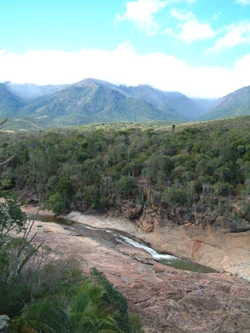
Masoala National Park
A biodiversity hotspot in northeast Madagascar, rich in endemic species.

Frank Vassen · CC BY 2.0
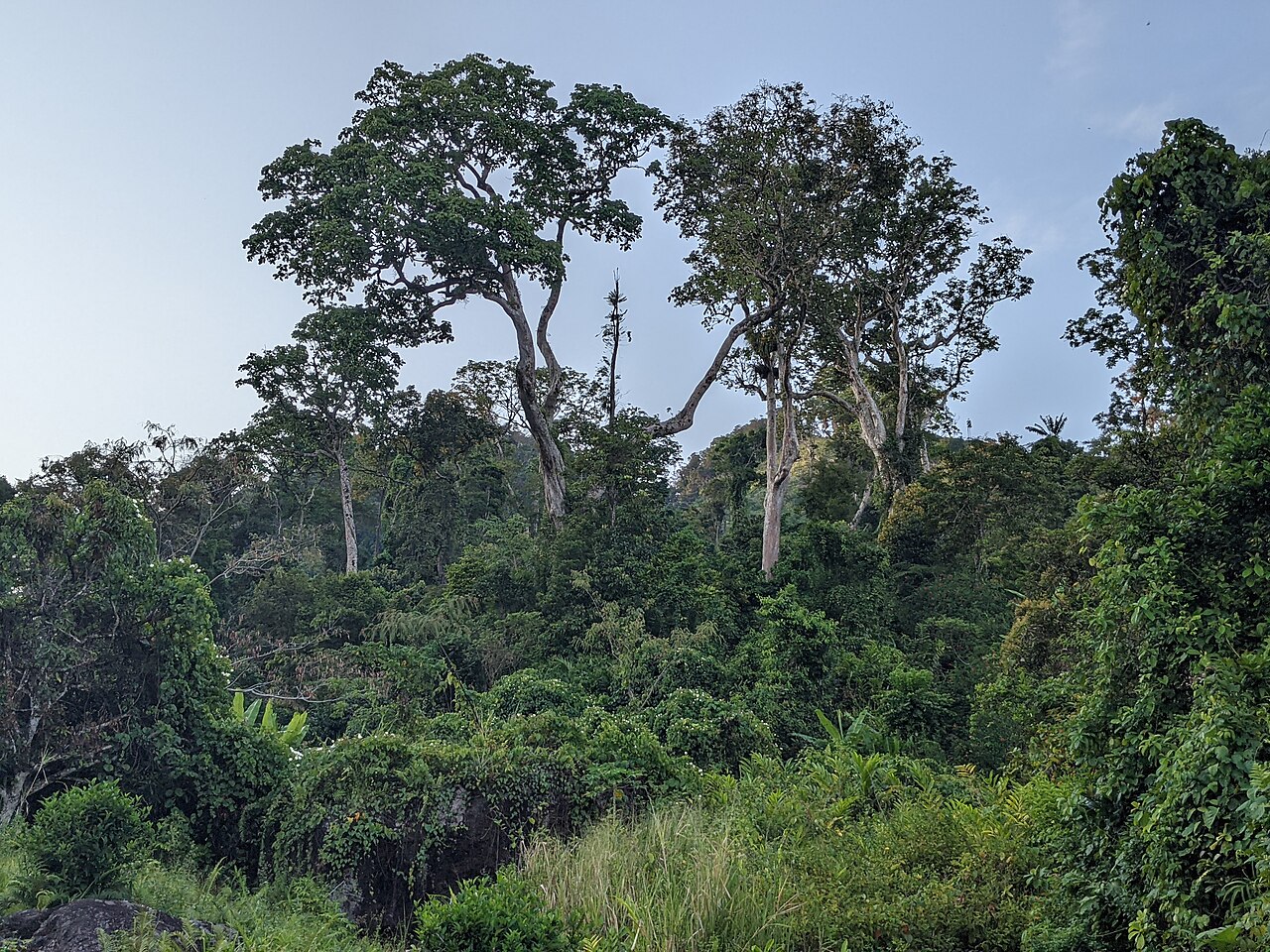
Masoala National Park, located in northeast Madagascar, is one of the island's most significant protected areas. Established in 1997, it encompasses 2,300 square kilometres of rainforest and 100 square kilometres of marine park, entirely within the Sava Region. The park is notable for its exceptional biodiversity, protecting a variety of habitats including tropical rainforest, coastal forest, flooded forest, marsh, and mangrove, along with three marine parks that safeguard coral reefs and diverse marine life.
Quick Facts
- Iucn Category
- II
- Location
- North-eastern Madagascar
- Nearest City
- Maroantsetra and Antalaha
- Established
- 1997
- Visitation Num
- 3000
- Visitation Year
- 2005
- Governing Body
- Madagascar National Parks Association
Facts from the source article.
Lore & Background
Masoala National Park was created in 1997 to protect the rainforests and marine environments of the Masoala Peninsula. The park is exceptionally wet, with the driest period from September to December, and is accessible only by a three-hour boat journey; the cyclone season from January to March is best avoided. The park's large size and variety of habitats contribute to its high diversity, hosting ten lemur species including the red ruffed lemur, which is native to the peninsula. The island reserve of Nosy Mangabe within the park is a prime site to see the nocturnal aye-aye.
Reader's Guide
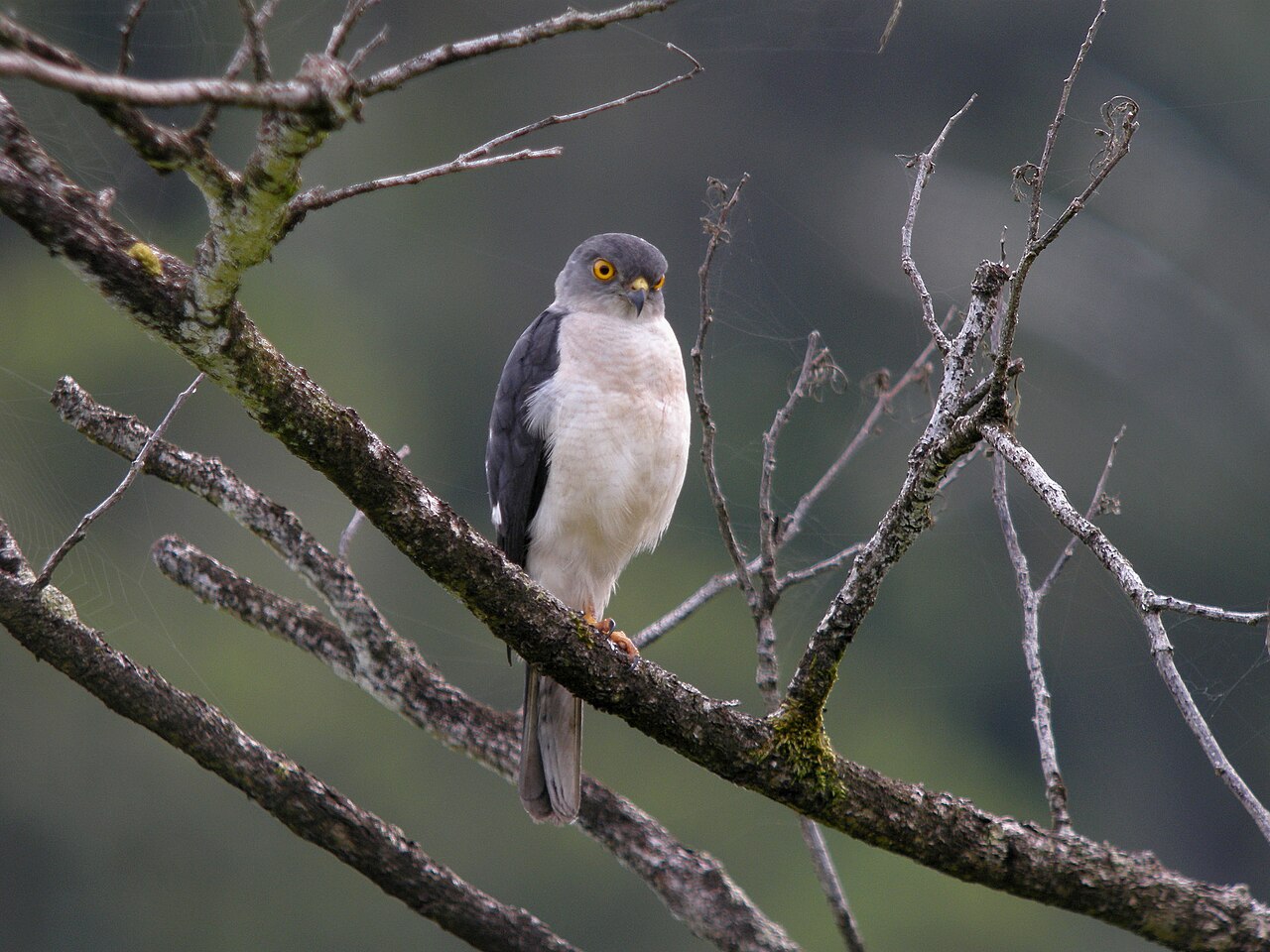
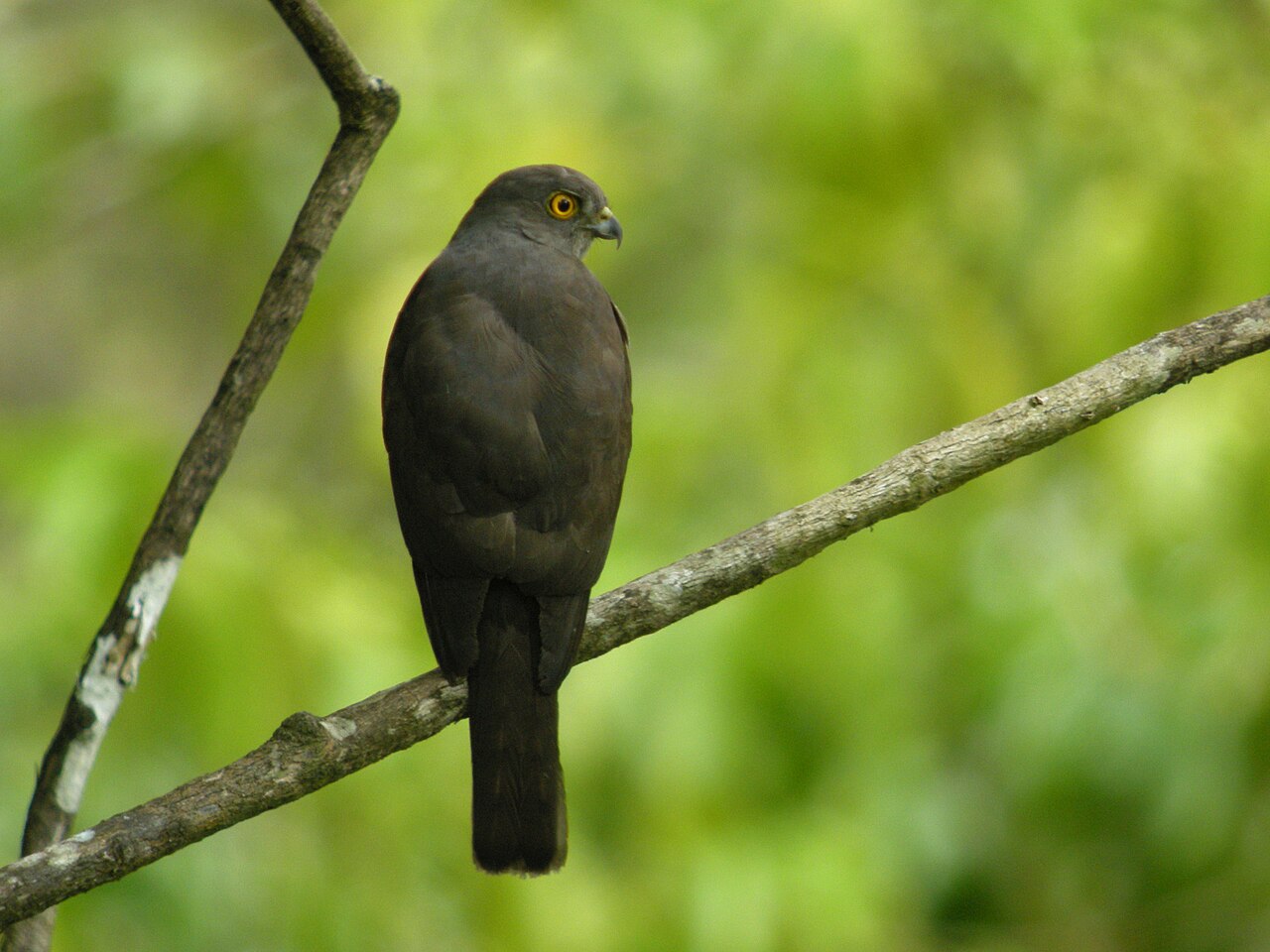
Masoala National Park is significant as the largest protected area in Madagascar and a key component of the Rainforests of the Atsinanana World Heritage Site, designated in June 2007. Its rainforests and three marine parks—Tampolo, Ambodilaitry, and Ifaho—support a dazzling array of life, including the endemic tree Ephippiandra masoalensis, the day-flying sunset moth Chrysiridia rhipheus, and the recently rediscovered Madagascar serpent-eagle, which exists in healthy populations only in this part of northeast Madagascar. The park also provides critical breeding grounds for humpback whales in Antongil Bay from July to early September. However, during 2009 and 2010, the park faced invasion by thousands of illegal loggers searching for rosewood, highlighting ongoing conservation challenges.
Did You Know?
- Masoala National Park is one of the largest protected areas in Madagascar, but not the largest.
- The park protects ten lemur species, including the red ruffed lemur native to the peninsula.
- The Madagascar serpent-eagle was rediscovered here, though small populations also exist elsewhere in northeast Madagascar.
- Each year from July to early September, hundreds of humpback whales visit Antongil Bay within the park.
Geography & Ecological Scale
Spanning the northeast coast of Madagascar, Masoala National Park stands as the largest protected area on the entire island. Established in 1997, the park stretches across the Sava Region with a portion extending into Ambatosoa, encompassing roughly 2,300 square kilometres of dense rainforest alongside 100 square kilometres of designated marine territory. The Masoala Peninsula itself is remarkable for its ecological variety, a consequence of both its considerable size and the wide range of environments it contains. Within its borders, visitors and researchers can encounter tropical rainforest, coastal forest, flooded forest, marshland, and mangrove ecosystems, all coexisting in close proximity. This mosaic of habitats supports an extraordinary concentration of plant and animal life, making the peninsula one of the most biologically rich stretches of coast in the country. The sheer scale of the protected zone—nearly a quarter of a thousand square kilometres of land alone—means that entire ecological communities remain sheltered from the pressures that have degraded much of Madagascar's remaining wilderness.
Terrestrial Biodiversity
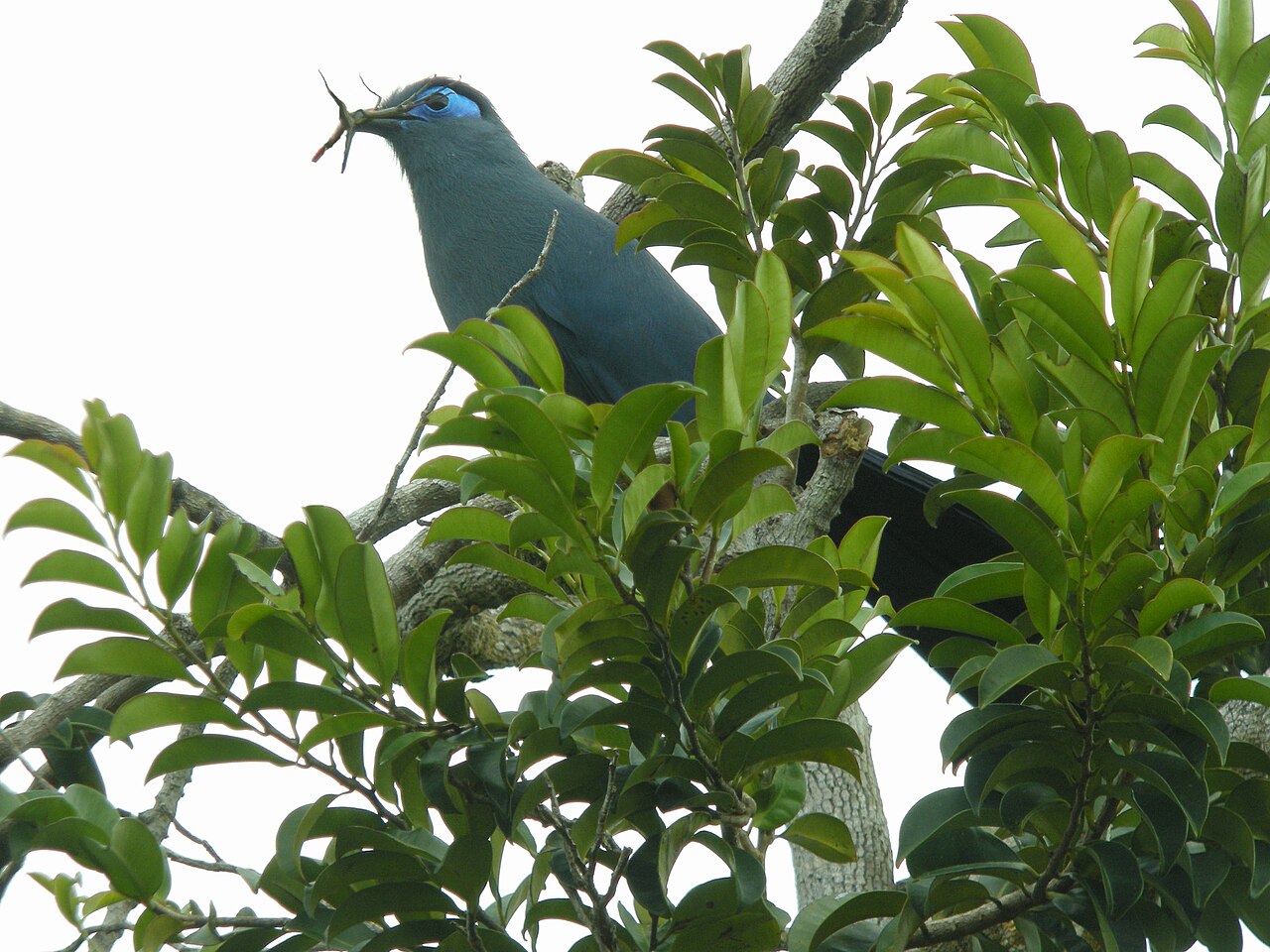
Few places on Earth pack as much animal diversity into a single landscape as the Masoala Peninsula. Ten distinct lemur species roam its forests, among them the red ruffed lemur, which is native to this particular stretch of coast. The nearby island reserve of Nosy Mangabe offers one of Madagascar's finest opportunities to observe the notoriously elusive aye-aye in its natural nocturnal habitat. Beyond primates, the park shelters an astonishing array of reptiles: Madagascar day geckos, leaf-tailed geckos, and chameleons ranging from diminutive to impressively large. The canopy teems with spectacular birds, including the helmet vanga, while the forest floor harbours rarer residents such as the red owl and the vividly coloured tomato frog. Perhaps most striking is the presence of the day-flying sunset moth, Chrysiridia rhipheus, whose iridescent wings make it a true spectacle. The Madagascar serpent-eagle, long thought to be vanishing, was recently rediscovered here and now maintains healthy populations exclusively in this corner of northeast Madagascar. Even the plant kingdom contributes something unique: the tree Ephippiandra masoalensis is found nowhere else on the planet.
Marine World & the Whale Season
Beyond the rainforest edge, Masoala National Park extends its protection into the sea through three distinct marine zones: Tampolo to the west, Ambodilaitry to the south, and Ifaho to the east. Together these waters rank among the most biodiverse marine environments in all of Madagascar, sheltering vibrant coral reefs and a dazzling variety of fish and invertebrate life. The clarity and richness of these waters make them outstanding destinations for kayaking and snorkelling, offering visitors an intimate encounter with ecosystems that few other places on the island can match. Each year between July and early September, the scene transforms dramatically as hundreds of humpback whales arrive in Antongil Bay during their lengthy migratory journey. The warm, sheltered conditions of the bay provide an ideal setting for these massive marine mammals to breed and calve, turning the once-quiet waters into a bustling nursery. For those who time their visit correctly, the sight of humpbacks breaching and nursing their calves against the backdrop of the Masoala coastline remains one of the most unforgettable wildlife experiences available anywhere in the Indian Ocean.
Conservation Status & Ongoing Threats
The international community recognised the extraordinary value of Masoala's ecosystems in June 2007, when the park was inscribed as a UNESCO World Heritage Site. It was designated not in isolation but as part of a broader cluster called the Rainforests of the Atsinanana, a grouping that also includes Marojejy, Zahamena, Ranomafana, Andringitra, and Andohahela. Together these parks represent the full breadth of Madagascar's eastern rainforest biodiversity. Yet the park's remoteness—accessible only by a three-hour boat journey—has not insulated it from human pressure. During 2009 and 2010, thousands of illegal loggers descended on the park in search of valuable rosewood, posing a severe threat to its forest cover. The region's climate, while a gift to biodiversity, complicates access and conservation work: it is exceptionally wet, with the driest stretch running from September through December, and the cyclone season from January to March makes travel particularly hazardous. Balancing the protection of such irreplaceable habitats against the economic pressures that drive exploitation remains an ongoing challenge for the park's stewards.
Gallery
Frequently Asked Questions
Where exactly is Masoala National Park situated?
It sits in the northeastern part of Madagascar, fully contained within the Sava Region. The park stretches across roughly 2,300 square kilometres of forested land plus an additional 100 square kilometres of protected marine area.
What wildlife is Masoala National Park most famous for?
The park shelters ten different lemur species, making it a prime destination for primate enthusiasts. It also harbours the endemic tree Ephippiandra masoalensis and was the site where the Madagascar serpent-eagle was rediscovered after long being thought lost.
When was Masoala National Park officially created?
The park received its protected status in 1997. Since then it has grown into one of Madagascar's most important conservation zones.
What kinds of ecosystems does Masoala National Park encompass?
Beyond its core tropical rainforest, the park covers coastal woodland, seasonal flooded forests, marshlands, and mangrove zones. Three separate marine parks within its boundaries also shield coral reefs and a wide range of underwater species.
Why do conservationists consider Masoala National Park so important?
It acts as a critical biodiversity hotspot, safeguarding a dense concentration of species found nowhere else on Earth. The combination of terrestrial and marine protection in one area makes it a model for integrated conservation on the island.
More in National parks of Madagascar 1-24
Spotted an error? Know more?
Reader corrections go straight into our review queue. Suggest an edit · How this site is sourced