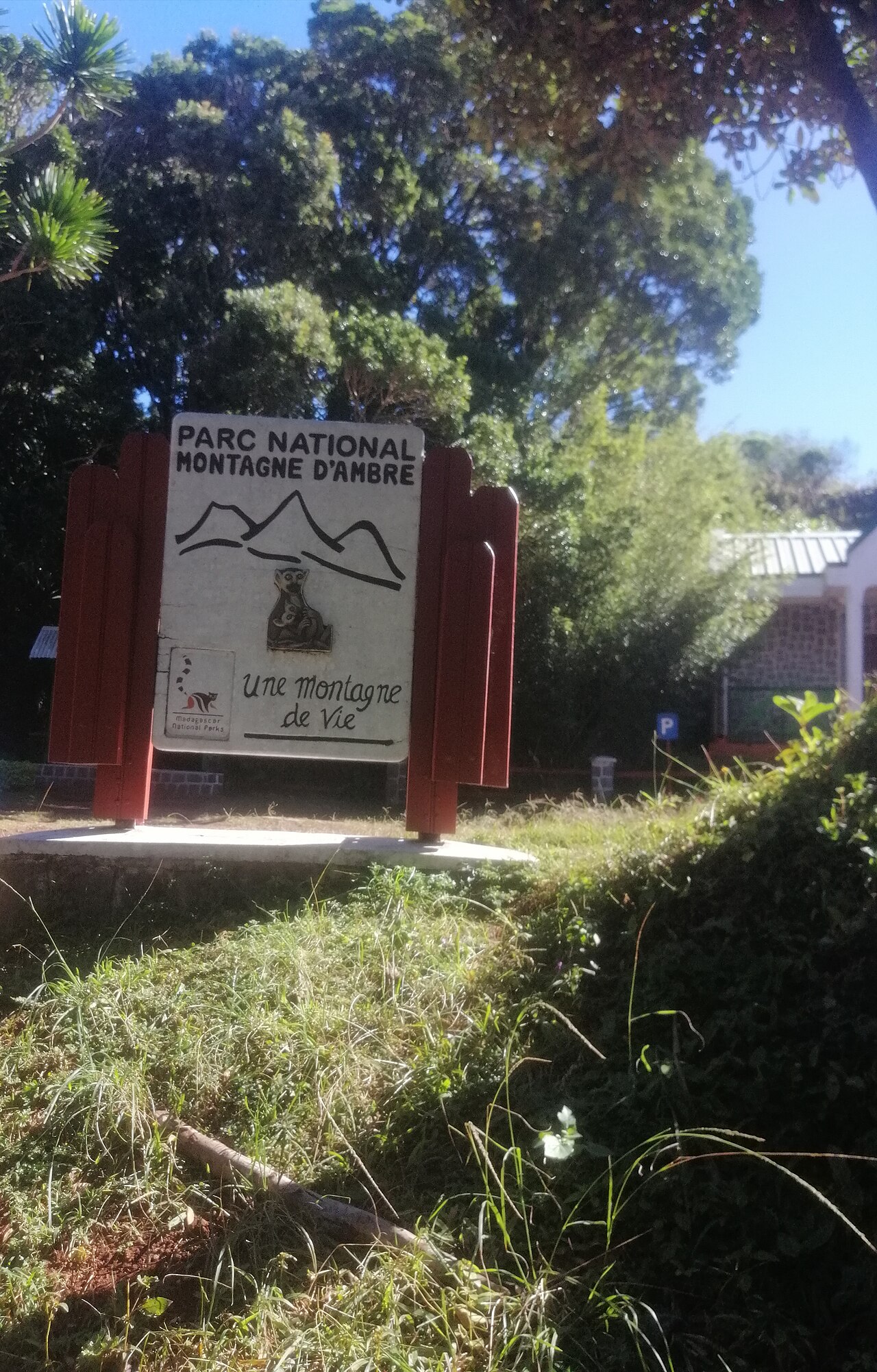
Montagne d'Ambre National Park
A biodiverse national park on an isolated volcanic massif.

Chirocca77 · CC BY-SA 4.0
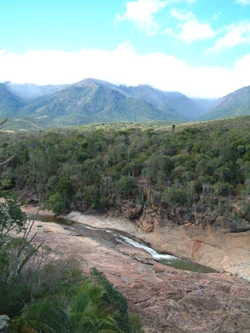
Montagne d’Ambre National Park sits in the Diana Region of northern Madagascar, centered on Mount Ambohitra—also called Amber Mountain—which is the tallest peak in the northern part of the island. The park is famous for its endemic plants and animals, waterfalls, and crater lakes, and ranks among the most biologically rich areas in Madagascar, hosting seventy-five bird species, twenty-five mammal species, and fifty-nine reptile species.
The park covers 18,200 hectares of an isolated volcanic massif made mostly of basalt, rising above the surrounding dry lowlands. Its attractions include dramatic waterfalls and several crater lakes. Numerous rivers and streams flow through the park, which serves as a water catchment for the town of Antsiranana, a place ringed by dry, sparse forests and semi-desert with succulent plants. Annual rainfall here reaches 3,585 millimeters, compared to just 1,000 millimeters around the town. The area gets its name from deposits of copal, a soft form of amber. It is one of the most accessible parks in northern Madagascar: bush taxis run daily from Antsiranana to Joffreville, a trip of about 45 minutes. On the way up the mountain to the park entrance, a few small villages dot the route, and a lodge is available for guests in Joffreville. The Sakavala and Antankarana peoples live in and around the park.
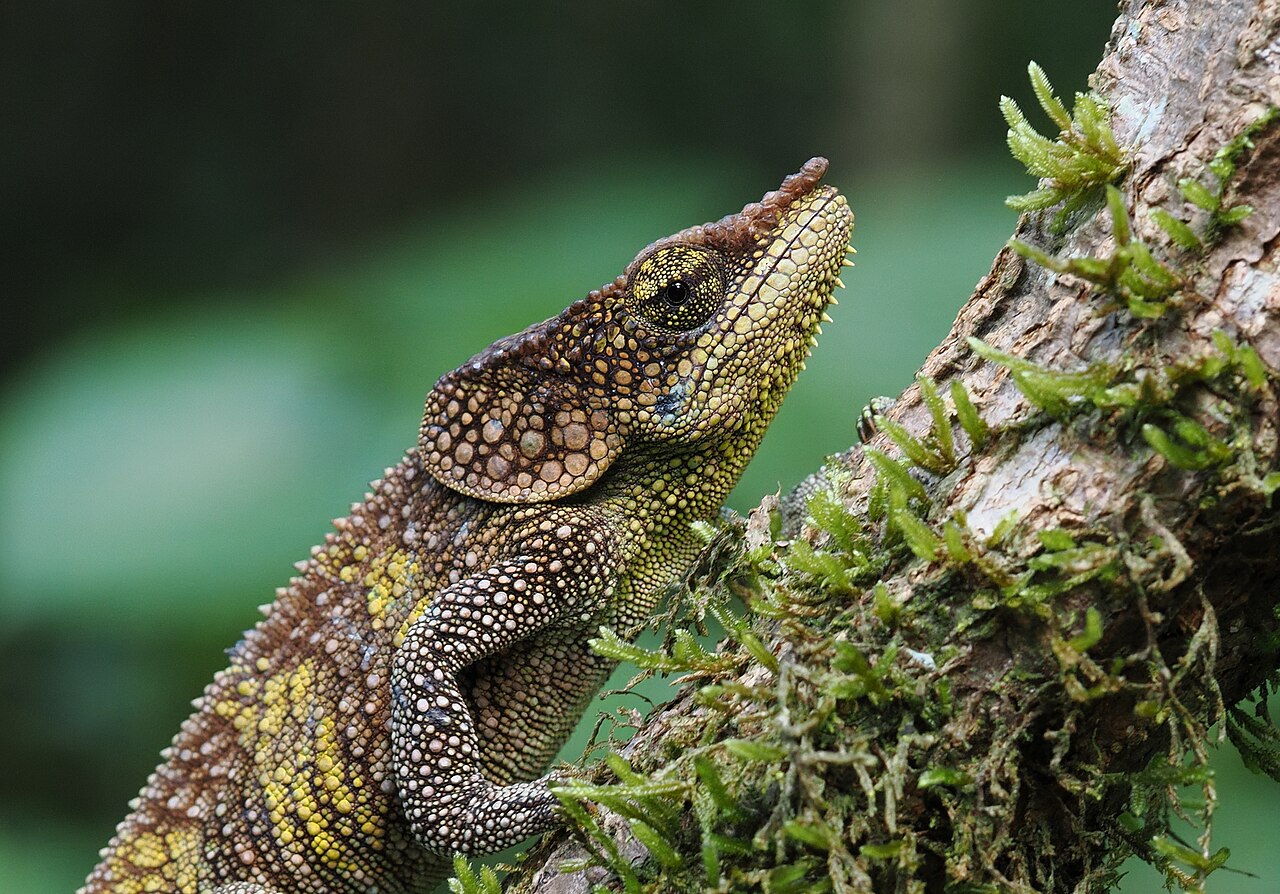
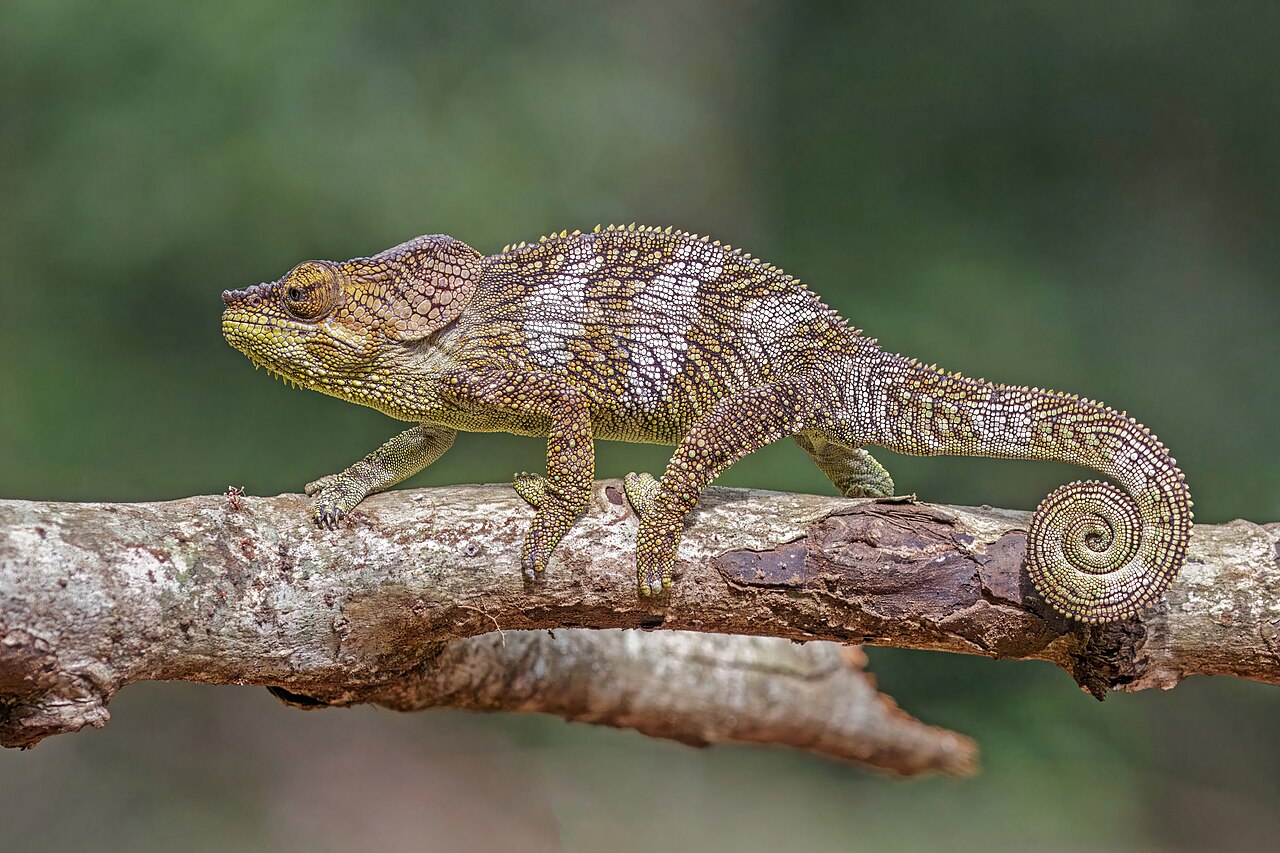
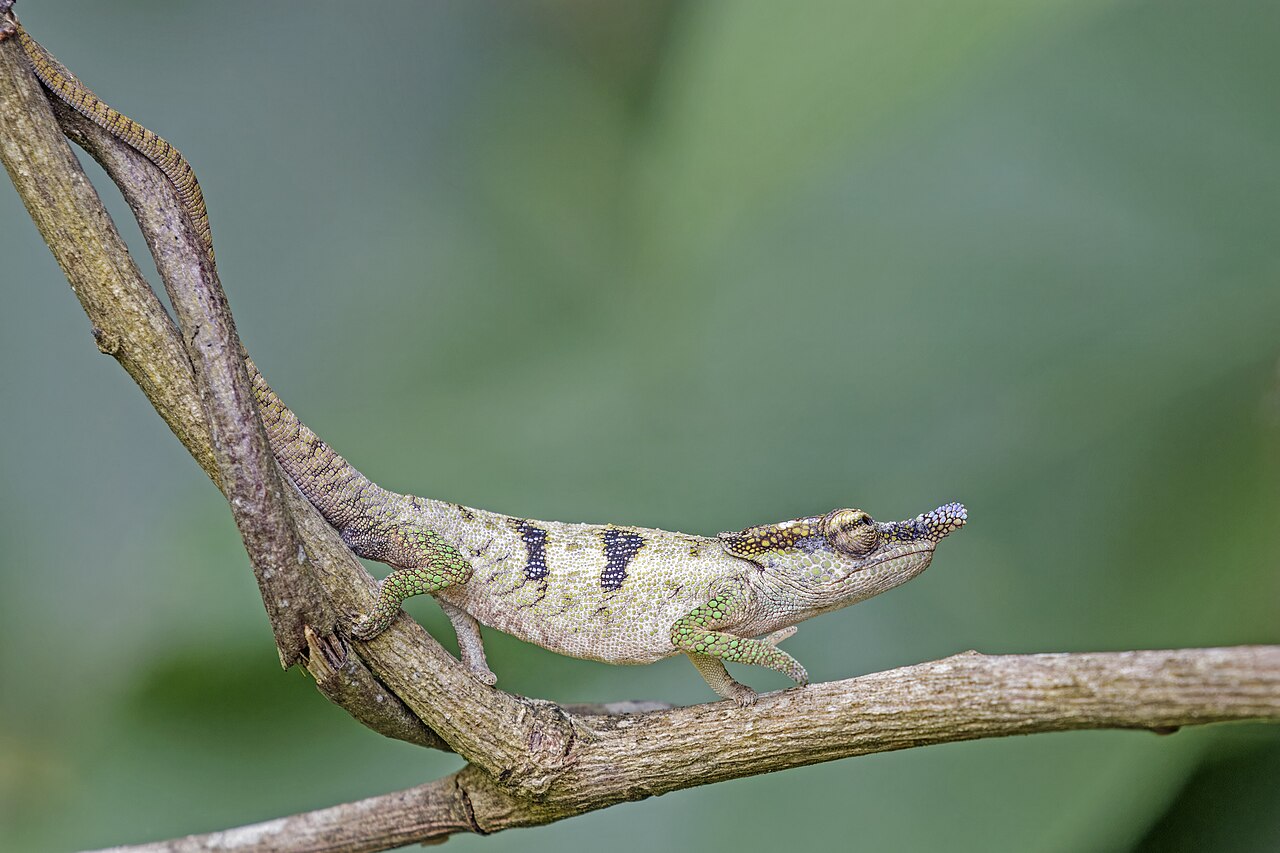
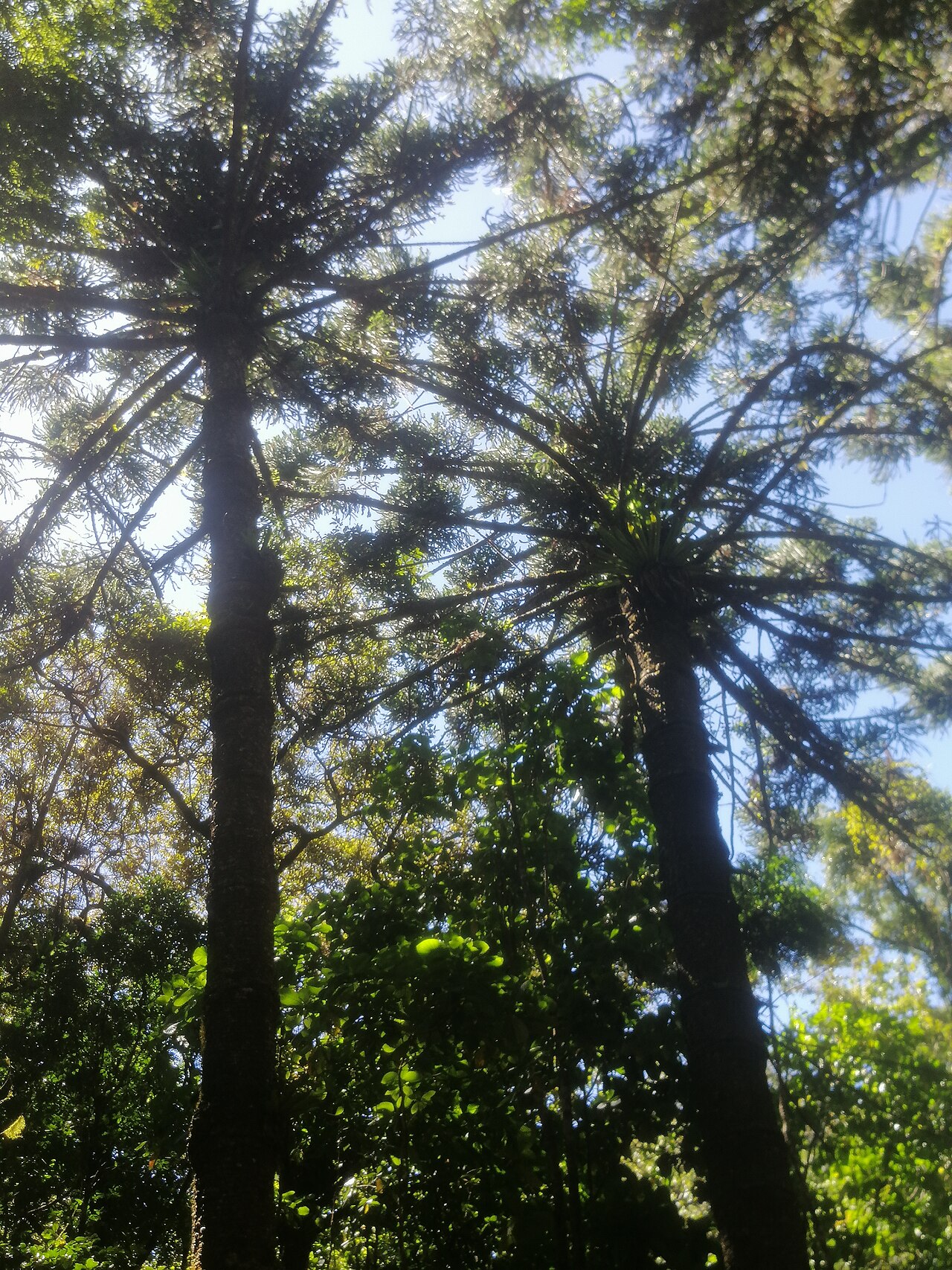
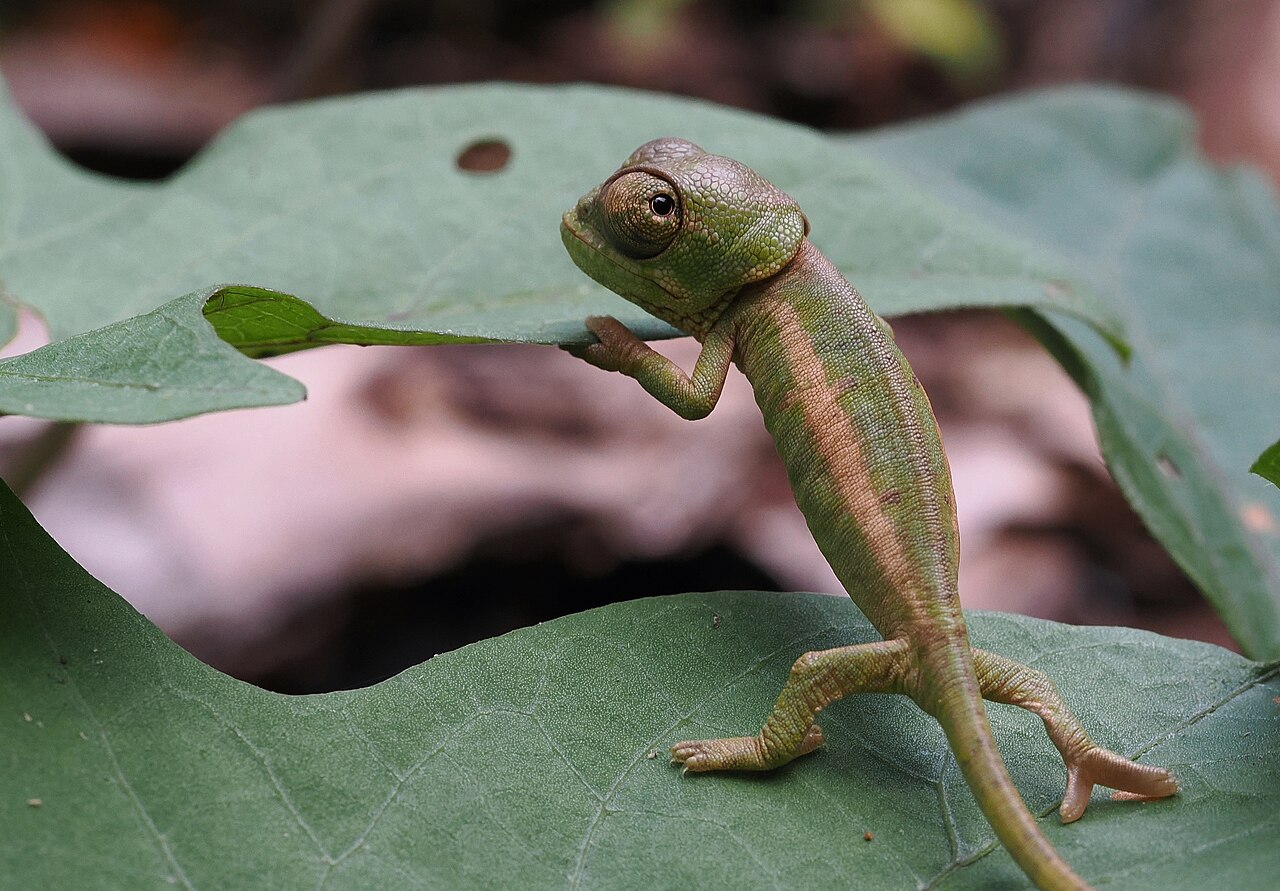
Most of the park is covered in montane rainforest, with trees reaching up to 40 meters tall, draped in lianas, orchids, and ferns like the bird’s-nest fern. This forest is isolated from other rainforests by the surrounding dry forests. Plantations of eucalyptus and exotic conifers—pines, araucaria—are present, along with the invasive alien shrub *Lantana camara*. More than a thousand plant species have been recorded. Among the park’s twenty-five mammal species, local endemics include eight types of lemur, the ring-tailed mongoose, and the Malagasy civet. Of the seventy-five bird species, thirty-five are endemic, including the Amber Mountain rock thrush, which is found only in one area of the Amber Mountain massif. The park is also noted for its amphibians and reptiles, such as the Amber Mountain leaf chameleon, one of the smallest reptiles in the world, and thirty-five species of frog.
Quick Facts
- Iucn Category
- II
- Location
- Diana Region, Madagascar
- Nearest City
- Antsiranana
- Established
- 28 October 1958
- Governing Body
- Madagascar National Parks (PNM-ANGAP)
Facts from the source article.
Lore & Background
The park covers an isolated volcanic massif of mostly basaltic rock, above the surrounding dry region. Attractions include spectacular waterfalls and several crater lakes. The area is named after deposits of copal, a soft form of amber. Annual rainfall in the park is 3,585 mm, compared with 1,000 mm around the nearby town of Antsiranana. The park is a water catchment area for that town, which is surrounded by dry, sparse forests and semi-desert with succulent plants.
Reader's Guide
Montagne d'Ambre National Park is one of the most accessible parks in northern Madagascar, with bush taxis traveling daily from Antsiranana to Joffreville in about 45 minutes. The park's montane rainforest is isolated from other rainforests by surrounding dry forests, contributing to its high endemism. Notable endemic species include eight species of lemur, the ring-tailed mongoose, the Malagasy civet, the Amber Mountain rock thrush, and the Amber Mountain leaf chameleon, one of the smallest reptiles in the world. The park also hosts thirty-five species of frogs and over one thousand species of plants. Living in and around the park are the Sakavala and Antankarana peoples.
Did You Know?
- The Amber Mountain rock thrush is only known from one area on the Amber Mountain massif.
- The Amber Mountain leaf chameleon is one of the smallest reptiles in the world.
- Annual rainfall in the park is 3,585 mm, compared to 1,000 mm around the town of Antsiranana.
Volcanic Heart of Northern Madagascar
Rising dramatically above the arid landscapes of northern Madagascar, Montagne d'Ambre National Park occupies an isolated volcanic massif composed largely of basaltic rock. Spanning 18,200 hectares, roughly 45,000 acres, the park is anchored by Mount Ambohitra, the highest peak in the country's northern reaches. The name itself carries geological history: the area takes its title from deposits of copal, a soft variety of amber found within the rock. The landscape is punctuated by spectacular waterfalls, several crater lakes, and a network of rivers and streams that transform the massif into a vital water catchment for the nearby town of Antsiranana. This hydrological role is made possible by a remarkable rainfall disparity—nearly 3,600 millimetres of precipitation fall within the park each year, compared to just 1,000 millimetres in the surrounding dry, sparse forests and succulent-studded semi-desert. Situated approximately 1,000 kilometres north of the capital Antananarivo, the park represents a verdant island of life suspended above an otherwise parched region.
A Treasury of Endemic Life
Few places on Earth pack such extraordinary biological diversity into a single protected area, yet Montagne d'Ambre stands out even among Madagascar's celebrated hotspots. More than one thousand plant species have been recorded within its boundaries, forming a montane rainforest where trees reach heights of forty metres and are draped in lianas, orchids, and ferns including the bird's-nest fern. The animal community is equally remarkable: seventy-five bird species, twenty-five mammals, fifty-nine reptiles, and thirty-five frogs call the park home. Among the mammals, eight lemur species thrive alongside the ring-tailed mongoose and the Malagasy civet. The avian roster includes thirty-five endemics, most notably the Amber Mountain rock thrush, a subspecies known exclusively from a single locality on the massif. Perhaps the most astonishing resident is the Amber Mountain leaf chameleon, one of the smallest reptiles on the planet. Together, these species make the park one of the most biologically diverse sites in all of Madagascar.
Isolation as an Evolutionary Engine
The park's biological richness is inseparable from its geographic isolation. The montane rainforest of Mount Ambohitra is ringed on all sides by dry, sparse forests and semi-desert landscapes dotted with succulent plants, creating a natural barrier that separates the park's ecosystems from other rainforest patches on the island. This isolation has allowed lineages to diverge over millennia, producing species found nowhere else on Earth. The Amber Mountain rock thrush, for instance, is restricted to a single area on the massif, while the leaf chameleon Brookesia tuberculata represents an evolutionary marvel confined to this one volcanic peak. The contrast between the lush, rain-drenched interior and the arid surroundings is stark: nearly 3,600 millimetres of annual rainfall sustain the forest canopy, while the lowlands around Antsiranana receive only about 1,000 millimetres. Human introductions—Eucalyptus plantations, exotic conifers including pines and Araucaria, and the invasive Lantana camara—now compete with native vegetation, adding a modern layer to this ancient story of separation and speciation.
Reaching the Mountain and the People Who Call It Home
Despite its remote-sounding name, Montagne d'Ambre is among the most accessible protected areas in northern Madagascar. Daily bush taxis depart from the town of Antsiranana and reach Joffreville in roughly forty-five minutes. From there, the road climbs the mountainside past a scattering of small villages before arriving at the park entrance. A guest lodge at Joffreville provides a base for visitors exploring the waterfalls, crater lakes, and forest trails. The park sits within the Diana Region, approximately 1,000 kilometres north of Antananarivo, placing it firmly in the cultural heartland of the Sakavala and Antankarana peoples, who live in and around the park. Their presence underscores that this is not a wilderness untouched by humanity but a living landscape where indigenous communities, introduced plantations, and ancient volcanic geology coexist. The park's role as a water catchment for Antsiranana further binds human settlement to the health of the mountain's forests, making conservation a practical necessity as much as an ecological one.
Gallery
Frequently Asked Questions
Where is Montagne d'Ambre National Park located?
The park sits in the Diana Region of northern Madagascar, built around Mount Ambohitra—also known as Amber Mountain—which is the highest peak in the island's northern section. It rises as an isolated volcanic massif well above the dry lowlands that surround it.
How large is Montagne d'Ambre National Park?
The protected area covers 18,200 hectares (about 45,000 acres) of basalt-dominated volcanic terrain. Despite its moderate footprint, it packs an extraordinary concentration of endemic species into that space.
What wildlife can visitors expect to see in Montagne d'Ambre National Park?
The park shelters seventy-five bird species, twenty-five mammal species, and fifty-nine reptile species, making it one of Madagascar's most species-dense habitats. Its endemic plants, dramatic waterfalls, and crater lakes round out the experience for nature enthusiasts.
What is the climate like in Montagne d'Ambre National Park?
The park receives roughly 3,585 mm (over 141 inches) of rainfall annually, far outpacing the drier lowlands at its base. This heavy precipitation sustains the lush montane forests and the remarkable biodiversity the park is known for.
What makes Montagne d'Ambre National Park geologically unique?
The entire park rests on an isolated volcanic massif composed primarily of basalt, with Mount Ambohitra as its tallest summit. This volcanic origin gives the landscape its distinctive crater lakes, cascading waterfalls, and rugged terrain that set it apart from the surrounding arid regions.
More in National parks of Madagascar 1-24
Spotted an error? Know more?
Reader corrections go straight into our review queue. Suggest an edit · How this site is sourced