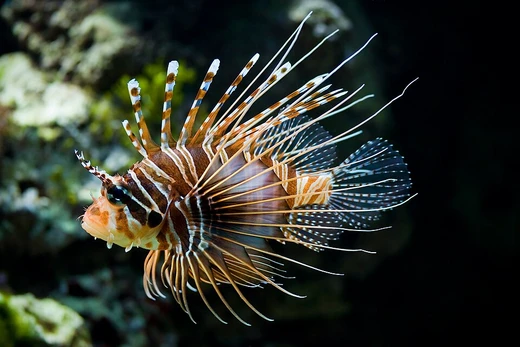
Sebastapistes
A genus of small scorpionfishes from the Indian and Pacific Oceans.

Sebastapistes is a genus of small, marine ray-finned fish in the scorpionfish family Scorpaenidae. These fish live in the Indian and Pacific Oceans.
The genus was first described in 1877 by American ichthyologist Theodore Gill, who initially placed three species in it. In 1898, David Starr Jordan and Barton Warren Evermann designated *Scorpaena strongia*—described by Georges Cuvier in 1829 from Kosrae in the Caroline Islands—as the type species. Sebastapistes belongs to the tribe Scorpaenini, within the subfamily Scorpaeninae of Scorpaenidae. Gill did not explain the name's origin, but *Sebast-* may refer to *Sebastichthys* (a subgenus of *Sebastes*) or to sebastin fishes in general, while *apistes* comes from *apistus*, meaning "untrustworthy" or "perfidious," as these fish are not true rockfishes but sit between sebastoid and scorpaenoid groups.
Eleven species are recognized: *Sebastapistes ballieui* (spotfin scorpionfish), *S. coniorta* (humpback nohu), *S. cyanostigma* (yellowspotted scorpionfish), *S. fowleri* (pygmy scorpionfish), *S. galactacma* (galactacma scorpionfish), *S. mauritiana* (spineblotch scorpionfish), *S. nuchalis*, *S. perplexa*, *S. strongia* (barchin scorpionfish), *S. taeniophrys*, and *S. tinkhami* (darkspotted scorpionfish). Some authorities consider *S. nuchalis* a junior synonym of *S. strongia* and suggest including *Scorpaena pascuensis* in the genus.
These scorpionfishes have 12 spines in the dorsal fin, teeth on the palatine, and a rear lacrimal spine that points diagonally downward. The pored scales of the lateral line continue onto the caudal peduncle, and they lack a deep occipital pit. Deepwater scorpionfish of the genus *Neomerinthe* share these traits but differ in head spine and scale patterns, meristics, and habitat depth. Sizes range from a maximum total length of 2.5 cm (0.98 in) in *S. taeniophrys* to 11.7 cm (4.6 in) in *S. ballieui*.
Sebastapistes species occur from East Africa to Hawaii and Easter Island. Most live in shallow, tropical coastal waters, though *S. strongia* and *S. perplexa* extend into temperate waters off Japan.
Quick Facts
- Taxon
- Sebastapistes
- Type Species
- Scorpaena strongia
- Type Species Authority
- Cuvier, 1829
Facts from the source article.
Lore & Background
The genus Sebastapistes was first described in 1877 by American ichthyologist Theodore Gill, who included three species. In 1898, David Starr Jordan and Barton Warren Evermann designated Scorpaena strongia, described by Georges Cuvier in 1829 from Kosrae in the Caroline Islands, as the type species. The genus is classified within the tribe Scorpaenini, subfamily Scorpaeninae of the family Scorpaenidae. The etymology of the name was not explained by Gill; it may derive from Sebastichthys (a subgenus of Sebastes) or refer to sebastin fishes generally, while 'apistes' means 'untrustworthy' or 'perfidious', indicating these fishes are not true rockfishes but intermediate between Sebastoid and Scorpaenoid genera.
Sebastapistes scorpionfishes are characterized by having 12 spines in the dorsal fin, teeth on the palatine, and the rear lacrimal spine directed diagonally downwards. The pored scales in the lateral line continue onto the caudal peduncle, and they lack a deep occipital pit. These characteristics are shared with the deepwater scorpionfish genus Neomerinthe, but Neomerinthe species have different patterns of spines and scales on their heads, differing meristics, and live in deep water. The size of these small scorpionfishes ranges from a maximum total length of 2.5 cm in S. taeniophrys up to 11.7 cm in S. ballieui.
The 11 recognized species include Sebastapistes ballieui, S. coniorta, S. cyanostigma, S. fowleri, S. galactacma, S. mauritiana, S. nuchalis, S. perplexa, S. strongia, S. taeniophrys, and S. tinkhami. Some authorities consider S. nuchalis a junior synonym of S. strongia and that Scorpaena pascuensis should be included within Sebastapistes.
Reader's Guide
Sebastapistes scorpionfishes are notable as a genus that bridges morphological characteristics between rockfishes (Sebastoid) and true scorpionfishes (Scorpaenoid), as reflected in their name meaning 'untrustworthy' or 'perfidious.' The genus was established by Theodore Gill in 1877 and later had its type species designated by Jordan and Evermann in 1898. The 11 recognized species are distributed across the Indian and Pacific Oceans from East Africa to Hawaii and Easter Island, mostly inhabiting shallow tropical coastal waters, though two species (S. strongia and S. perplexa) extend into temperate waters off Japan. Their small size, ranging from 2.5 cm to 11.7 cm, and shared characteristics with the deepwater genus Neomerinthe highlight their ecological and taxonomic significance. The unresolved synonymy of S. nuchalis with S. strongia and the potential inclusion of Scorpaena pascuensis indicate ongoing taxonomic discussion within the genus.
Did You Know?
- The genus name Sebastapistes may mean 'untrustworthy' or 'perfidious' because these fishes are intermediate between Sebastoid and Scorpaenoid genera.
- The smallest species, Sebastapistes taeniophrys, reaches a maximum total length of only 2.5 cm.
- Some authorities consider Sebastapistes nuchalis a junior synonym of Sebastapistes strongia.
More in Lionfish and Scorpionfish, Part 2 1-24
Spotted an error? Know more?
Reader corrections go straight into our review queue. Suggest an edit · How this site is sourced