Wound
Any disruption of living tissue requiring professional evaluation.

Whoisjohngalt · CC BY-SA 4.0
A wound is a break or injury in living tissue, including skin, mucous membranes, or organs. It may happen suddenly from direct trauma—such as a cut, burn, or chemical exposure—or develop gradually because of an underlying illness like diabetes, poor blood flow in veins or arteries, or an immune system disorder. Because the right treatment depends on the wound’s specific features, a healthcare professional must thoroughly assess it. Normally, all wounds heal through a sequence of steps: stopping bleeding (hemostasis), inflammation, new tissue growth (proliferation), and final remodeling. How fast this happens can be influenced by age, oxygen supply to the tissue, stress, other medical conditions, and certain medications.
Wounds are broadly grouped as acute or chronic, based on how long they’ve been present and whether they’re moving through the normal healing stages. Both types can also be sorted by what caused them, how deep or severe they are, and whether the wound bed is clean or contaminated. Several classification systems exist to describe wounds and guide care, including the CDC’s Surgical Wound Classification, the International Red Cross Wound Classification, the Tscherne classification, the Gustilo-Anderson classification for open fractures, and the AO soft tissue grading system.
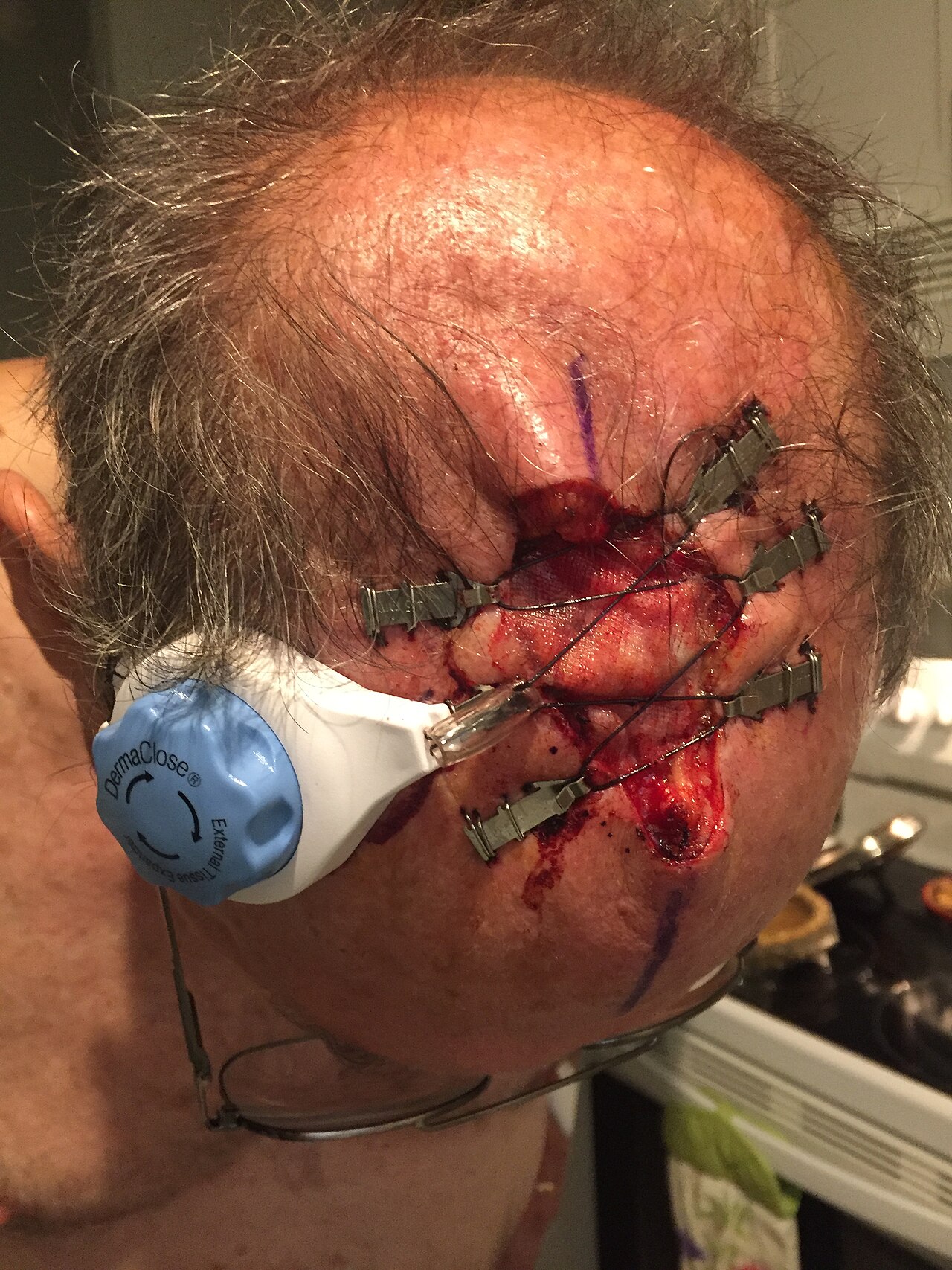
An acute wound results from direct trauma and follows the expected timeline of the four healing stages. Hemostasis lasts from minutes to hours after injury. The inflammatory phase follows, typically lasting 1 to 3 days. Proliferation then takes from a few days up to a month. The final remodeling or scar formation phase usually lasts about 12 months but can continue for up to 2 years. Acute wounds are either open or closed. An open wound breaks the skin, exposing underlying tissue. A closed wound damages deeper tissue while the overlying skin stays intact.
- Field
- Medicine
- Known for
- Classification of acute and chronic wounds, wound healing stages, and sterility systems
Lore & Background
Wounds are broadly classified as acute or chronic based on time from injury and progression through normal healing stages. Acute wounds result from direct trauma and follow an expected timeline: hemostasis (minutes to hours), inflammation (1–3 days), proliferation (days to a month), and remodeling (up to 2 years). Acute wounds are further divided into open wounds (skin disrupted) and closed wounds (skin intact). Open wounds include incisions, lacerations, abrasions, avulsions, puncture wounds, penetration wounds, gunshot wounds, and critical wounds. Closed wounds include hematomas (such as contusions) and crush injuries.
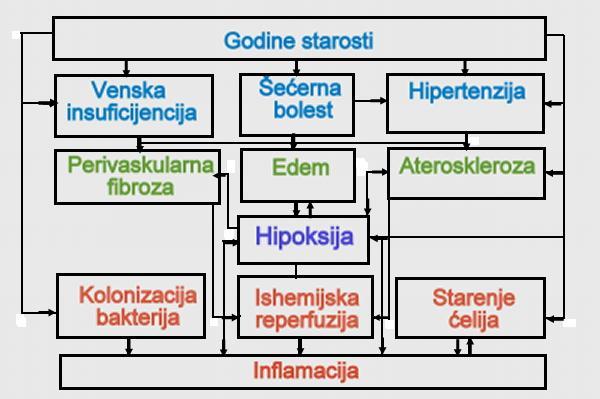
Chronic wounds are arrested or delayed in any healing stage, most often due to underlying disease. Common causes include diabetes mellitus, venous/arterial insufficiency, immunologic disease, and pressure ulcers. Many clinicians consider wounds that have not progressed for over three months as chronic. Pressure ulcers are graded using the National Pressure Injury Advisory Panel system, from stage 1 (erythema, intact skin) to stage 4 (full thickness damage to muscle, tendon, or bone), with unstageable ulcers covered by eschar.
Wound sterility is a critical consideration. The CDC's Surgical Wound Classification System is commonly used in the United States to classify a wound's degree of contamination. Several other classification systems exist for specific contexts, including the International Red Cross Wound Classification, Tscherne classification, Gustilo-Anderson classification for open fractures, and the AO soft tissue grading system.
Reader's Guide
Wounds are a fundamental concept in medicine, representing any disruption of living tissue. Their significance lies in the diversity of causes, appearances, and treatment needs. The distinction between acute and chronic wounds guides clinical approach: acute wounds follow a predictable healing sequence, while chronic wounds are stalled, often due to underlying diseases like diabetes or vascular insufficiency. Classification systems—such as the CDC's Surgical Wound Classification for sterility, the Gustilo-Anderson system for open fractures, and the NPIAP system for pressure ulcers—standardize communication and management. The wound healing process (hemostasis, inflammation, proliferation, remodeling) is universal but can be affected by age, oxygenation, stress, medical conditions, and medications. Understanding wound types, from incisions to avulsions to pressure ulcers, enables appropriate treatment and prevention of complications like infection or chronic non-healing. The legacy of wound study is a structured approach to a common clinical problem, emphasizing that proper evaluation by a healthcare professional is essential.
Did You Know?
- Wounds can be either acute (sudden from trauma) or chronic (delayed healing, often from disease).
- The four stages of wound healing are hemostasis, inflammation, proliferation, and tissue remodeling.
- Pressure ulcers can occur in as little as two hours of immobility in a bedridden or sedated patient.
- The term 'laceration' is commonly misused in reference to incisions.
The Wound Healing Cascade
In healthy physiology, every wound—regardless of how it was inflicted—triggers a remarkably orderly cascade of biological events. The process unfolds in four sequential phases. Hemostasis arrives first, lasting anywhere from mere minutes to a few hours, as the body works to halt bleeding at the injury site. This gives way to the inflammatory phase, typically spanning one to three days, during which the immune system mobilizes to clear debris and defend against infection. Next comes proliferation, a period stretching from several days to roughly a month, in which new tissue is built to bridge the gap left by the damage. The final and longest phase, remodeling or scar formation, can persist for twelve months and, in some cases, extend as far as two years after the original injury. Yet this elegant sequence is not immune to interference. A person's age, the oxygen levels delivered to the tissue, psychological stress, pre-existing medical conditions, and even certain medications can all slow or derail the healing timeline, turning what should be a straightforward recovery into a prolonged struggle.
Classification Frameworks in Clinical Practice
Because wounds differ so dramatically in their origin, depth, and biological context, medicine has developed multiple layered systems to categorize them. The broadest distinction separates acute wounds—those that progress through the healing stages on an expected timeline—from chronic wounds that stall or regress. Within each category, clinicians further sort injuries by the mechanism that caused them, the severity and depth of tissue involvement, and whether the wound bed is sterile or contaminated. Several formal classification systems have been established to standardize this language across clinical settings. The CDC's Surgical Wound Classification and the International Red Cross Wound Classification are two prominent examples. In the specific context of fractures, the Gustilo-Anderson system grades open fractures by wound size, soft tissue loss, and contamination level, while the Tscherne classification describes the external appearance of both open and closed fracture wounds. The Hannover Fracture scale serves as an extremity salvage assessment, and the AO Classification, adapted from Tscherne, provides separate grading for skin, muscles and tendons, and neurovascular structures. Together, these frameworks ensure that treatment strategies are matched precisely to the wound's unique profile.
The Spectrum of Injury Types
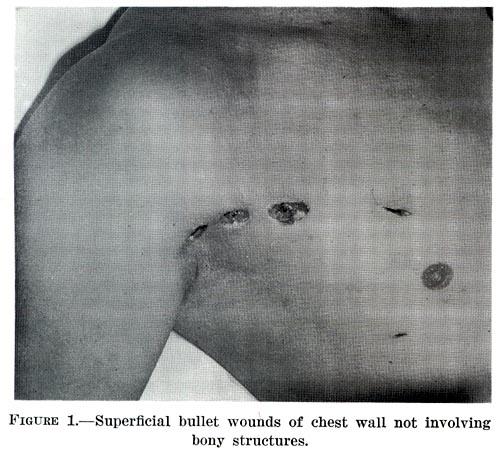
The physical forms a wound can take are as varied as the forces that create them. Open wounds, in which the skin's integrity is broken and deeper tissue is exposed, include incisions made by clean, sharp-edged objects like knives or glass; lacerations, which are irregular tears produced by blunt trauma; abrasions, where the epidermis is scraped away by sliding across rough surfaces; and avulsions, in which tissue is forcibly torn from its attachment point. Puncture wounds, penetration wounds, and gunshot wounds represent injuries where an object drives into or through the body, sometimes leaving both an entry and an exit site. On the opposite end, closed wounds leave the skin intact while damaging tissue beneath—hematomas, contusions, and crush injuries all fall into this category. Critical wounds such as large split burns can trigger severe fluid loss, electrolyte imbalances, and heightened catabolism. The exact appearance of any given wound depends on where it occurs, what mechanism produced it, how deep the damage reaches, whether it is acute or chronic, and whether the wound bed remains sterile or becomes contaminated.
Chronic Wounds and Their Systemic Roots
A wound that fails to advance through its normal healing stages becomes chronic, and the most common culprit behind this stagnation is an underlying systemic disease rather than the initial trauma itself. Diabetes mellitus stands out as a particularly complex driver: hyperglycemia, peripheral neuropathy, microvascular damage, weakened immune and inflammatory responses, and even psychological stress all converge to impair the body's ability to repair tissue. Venous and arterial insufficiency, as well as immunologic disorders, similarly create environments where healing grinds to a halt. While the precise duration that separates an acute wound from a chronic one is not universally defined, many clinicians use a three-month mark as a practical threshold. The inflammatory phase is the stage most frequently disrupted in chronic wounds, though errors in any of the four healing stages can produce the same stalled result. Importantly, no acute wound is immune to this fate; if any phase of the healing cascade is interrupted by infection, poor oxygenation, or metabolic derangement, even a simple cut can transform into a persistent, non-healing lesion that demands ongoing professional management.
Gallery

Frequently Asked Questions
What is a Wound in medical terms?
A Wound refers to any break or disruption in living tissue, whether that involves the skin, mucous membranes, or internal organs. It can appear suddenly from trauma like a cut or burn, or develop slowly due to conditions such as diabetes or impaired blood circulation.
How does the body heal a Wound?
Wound healing follows a predictable sequence: first, bleeding is stopped through hemostasis; next, an inflammatory response cleans the site; then new tissue is built during the proliferation phase; and finally, the tissue remodels and strengthens over time.
What is the difference between an acute and a chronic Wound?
An acute Wound results from a single traumatic event and typically heals within the expected timeframe, while a chronic Wound persists or recurs because of an underlying issue like poor vascular supply, infection, or an immune disorder that stalls the normal healing cascade.
Why must every Wound be evaluated by a healthcare professional?
Because the appropriate treatment depends heavily on the wound's depth, location, cause, and the patient's overall health, a clinician needs to examine it closely. Misjudging these features can lead to infection, delayed healing, or tissue loss.
What role do sterility systems play in Wound care?
Sterility protocols—such as using clean dressings, proper hand hygiene, and controlled environments—protect the open tissue from introducing harmful microorganisms. Maintaining a sterile barrier is critical during dressing changes and surgical wound management to keep the healing process on track.
More in Injuries And Conditions 1-24
Spotted an error? Know more?
Reader corrections go straight into our review queue. Suggest an edit · How this site is sourced