Testicular cancer
Cancer of the testicles, highly treatable and usually curable.

Małgorzata Figura · CC BY 4.0
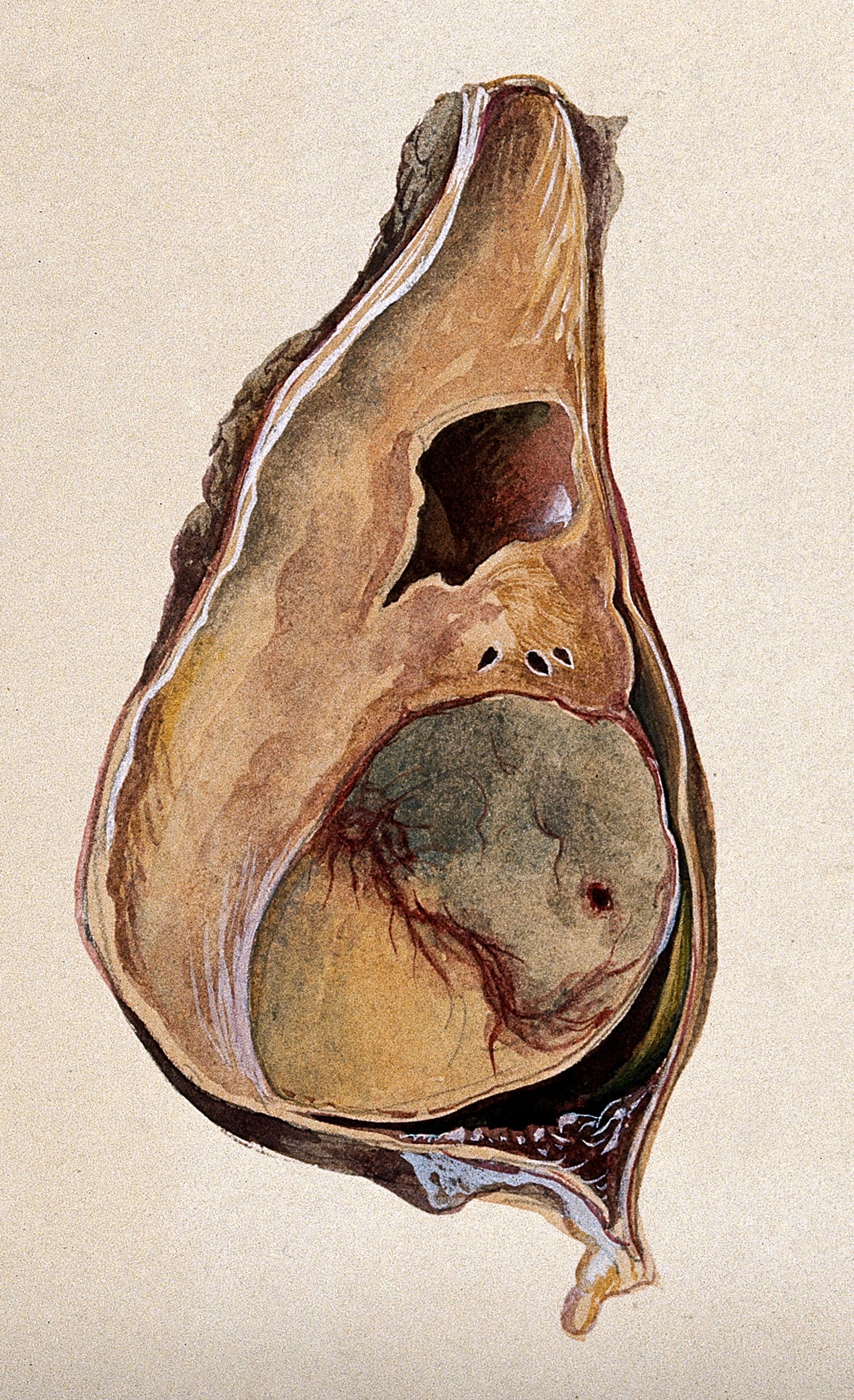
Testicular cancer begins in the testicles, which are part of the male reproductive system. It is highly treatable and usually curable, with a five-year survival rate of about 95% in the United States.
A common early sign is a lump or swelling in the testicle. Other symptoms can include sharp pain or a dull ache in the lower abdomen or scrotum, a feeling of heaviness in the scrotum, firmness of the testicle, breast enlargement due to hormonal effects, or low back pain if the cancer has spread to lymph nodes. If the cancer spreads to the lungs, symptoms may include shortness of breath, cough, or coughing up blood. A lump in the neck can also occur from spread to lymph nodes. The U.S. Preventive Services Task Force advises against routine screening for testicular cancer in people without symptoms, including routine self-exams. However, the American Cancer Society suggests monthly self-exams for some men, especially those with a family history of cancer, and the American Urological Association recommends monthly self-exams for all young men.
Risk factors include an undescended testicle, a family history of the disease, and a previous history of testicular cancer. Other risk factors are inguinal hernias, Klinefelter syndrome, and mumps orchitis. Physical activity is linked to a lower risk, while a sedentary lifestyle is linked to a higher risk. Early onset of male characteristics also increases risk. Higher rates in Western nations have been linked to cannabis use, though this connection remains inconclusive; some doctors advise younger men, particularly those with a family history of cystic fibrosis or indirect hernias, to avoid cannabis as a precaution. Testicular cancer, cryptorchidism, hypospadias, and poor semen quality together form testicular dysgenesis syndrome.
More than 95% of testicular cancers are germ cell tumors, which are divided into seminomas and non-seminomas. Other types include sex-cord stromal tumors and lymphomas. Most germ cell tumors have too many chromosomes, often triploid to tetraploid, and about 80% have an isochromosome 12p.
Diagnosis typically begins with a physical exam, ultrasound, and blood tests. A lump or mass inside a testis is the main indicator, especially in young adults or adolescents with a single enlarged testicle.
- Affected in 2015
- 686,000 people globally
- Deaths in 2015
- 9,400
- Most common age
- 20 to 34 years old
- Five year survival rate us
- 95%
- Cure rate with chemotherapy for advanced
- greater than 80%
Lore & Background
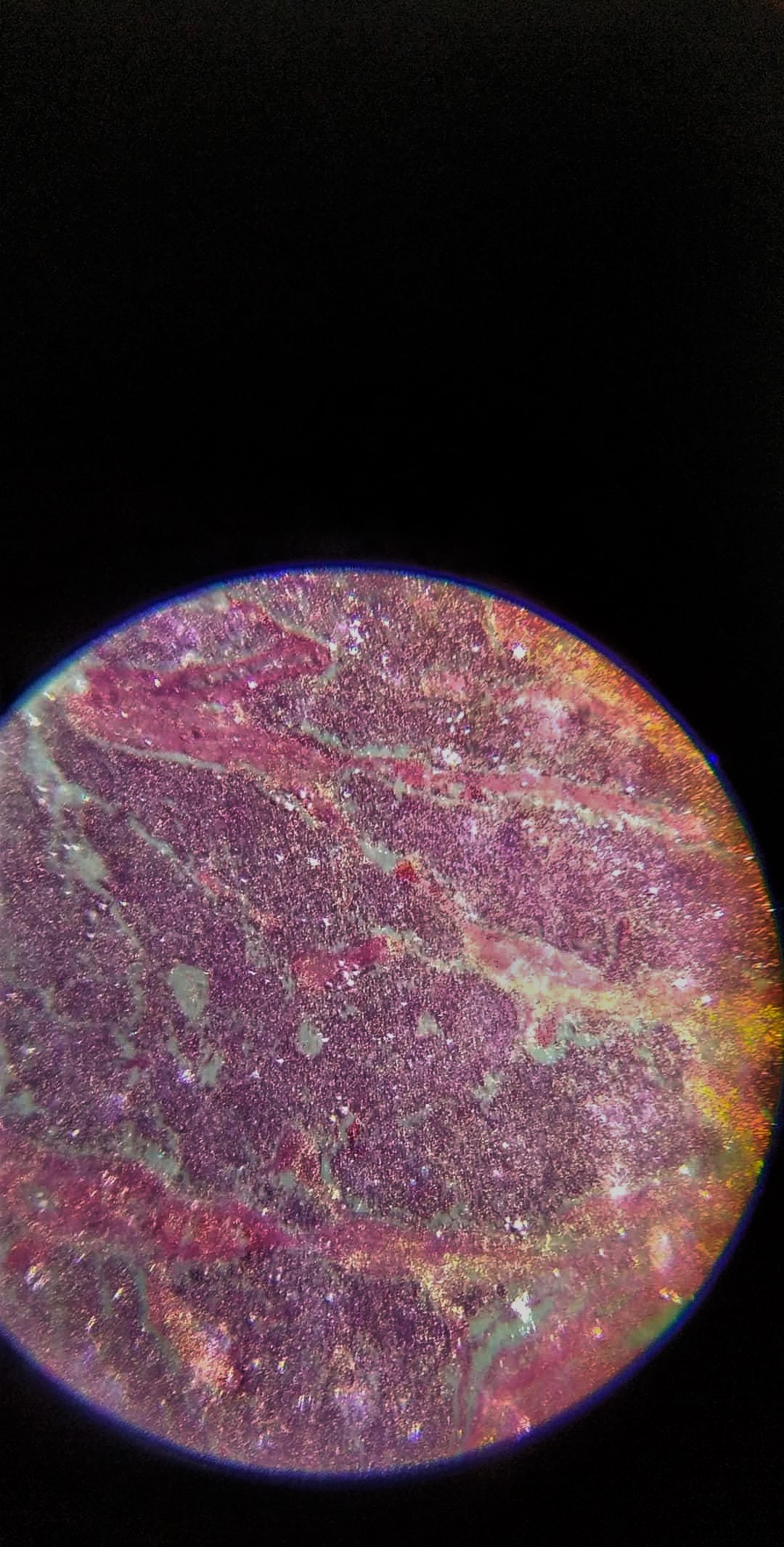
Testicular cancer is cancer that develops in the testicles, a part of the male reproductive system. Symptoms may include a lump in the testicle or swelling or pain in the scrotum. Risk factors include an undescended testis, family history of the disease, and previous history of testicular cancer. More than 95% are germ cell tumors, which are divided into seminomas and non-seminomas. Diagnosis is typically based on a physical exam, ultrasound, and blood tests, followed by surgical removal of the testicle with examination under a microscope.
Reader's Guide
Testicular cancer is significant as a highly treatable and usually curable malignancy, with a five-year survival rate in the United States of about 95%. Even in cases where cancer has spread widely, chemotherapy offers a cure rate greater than 80%. Onset most commonly occurs in males 20 to 34 years old. The U.S. Preventive Services Task Force recommends against routine screening for testicular cancer in asymptomatic adolescents and adults, though the American Cancer Society and American Urological Association have differing recommendations on self-examination. Outcomes are better when the disease remains localized.
Did You Know?
- An isochromosome 12p is present in about 80% of testicular cancers.
- Treatment may result in infertility.
- Rates are lower in the developing than the developed world.
The Neurological Architecture of Testicular Pain
The experience of testicular pain begins at the tissue level, where specialized sensory receptors called nociceptors sense potentially harmful changes in the testis or other structures within the scrotum. Once triggered, these receptors translate the stimulus into electrical impulses that travel along sensory nerve fibers bundled within the spermatic cord, relay through the spinal cord, and ultimately reach the brain. What makes this process particularly complex is that no single brain region is responsible for the experience of pain. Instead, multiple interconnected areas collaborate: the thalamus acts as a relay station for incoming signals, the somatosensory cortex helps localize the pain and gauge its intensity, while other regions contribute to the emotional and unpleasant qualities of the sensation and the drive to respond. Beyond the central nervous system, the autonomic nervous system can amplify the experience by triggering secondary bodily reactions such as elevated heart rate, nausea, or even fainting—responses commonly observed after blunt testicular trauma.
Testicular Torsion: A Race Against Ischemia
Among the many causes of acute scrotal pain, testicular torsion stands out as the most time-critical. The condition typically strikes with sudden, diffuse pain and tenderness lasting fewer than six hours, and it predominantly affects young males—occurring in roughly one in every 4,000 males under twenty-five, with sixty-five percent of cases presenting between the ages of twelve and eighteen, and becoming exceedingly rare after thirty-five. On examination, clinicians often note an absent cremasteric reflex, an abnormally elevated testicle, and a horizontal orientation of the organ. The urgency stems from the fact that the twisted spermatic cord can cut off blood flow, leading to tissue necrosis within just a few hours, which is why the condition is classified as a surgical emergency. A lesser-known variant, intermittent testicular torsion, involves recurrent episodes of rapid-onset pain accompanied by temporary elevation or horizontal positioning of the testicle, followed by spontaneous untwisting and swift resolution of symptoms. Nausea and vomiting frequently accompany both forms.
A Spectrum of Causes: From Infection to Inevitability
The clinical picture of testicular pain spans an enormous range of etiologies, from relatively benign to immediately life-threatening. In children presenting to emergency departments, torsion of a testicular appendage accounts for the largest share at forty-six percent, followed by epididymitis at thirty-five percent and true testicular torsion at sixteen percent. In adults, epididymitis becomes the leading cause, typically presenting with gradual onset, a warm and swollen scrotum, and frequently concurrent urinary symptoms or fever. In sexually active adolescents and young adults aged fourteen to thirty-five, gonorrhea and chlamydia are the usual bacterial culprits, while E. coli predominates in younger children and older adults. At the extreme end of the spectrum, Fournier's gangrene—a rapidly spreading perineal infection—presents with fever and intense pain and carries a fatal prognosis unless aggressively managed with surgical debridement and broad-spectrum antibiotics. Chronic scrotal pain persisting beyond three months can follow vasectomy in fifteen to nineteen percent of men, arise from infections, varicoceles, or prior surgery, and in a quarter of cases remains unexplained.
Clinical Evaluation: Balancing Thoroughness with Speed
Evaluating acute or chronic testicular pain follows a structured clinical pathway designed to identify the underlying cause while avoiding dangerous delays. Physical examination begins with assessment of the cremasteric reflex—stroking the upper inner thigh to observe testicular elevation—which is typically preserved in epididymitis but absent in torsion because the testis is already displaced upward. Prehn's sign, the partial relief of pain upon manual elevation, has historically been used to differentiate torsion from other causes, though its reliability is limited. Laboratory workup includes urinalysis, which tends to be normal in torsion but may reveal white blood cells and bacteria suggestive of an infectious etiology; in such cases, targeted testing for gonorrhea and chlamydia is indicated, and all patients with chronic scrotal pain should undergo the same screening. When the diagnosis remains uncertain, Doppler ultrasonography provides valuable imaging of blood flow and tissue structure. Crucially, however, if clinical findings point clearly to torsion, imaging must not delay definitive surgical intervention, as every minute of delay increases the risk of irreversible tissue damage.
Gallery
Frequently Asked Questions
Who is Testicular cancer?
It is a malignant growth that originates in the testicles, which belong to the male reproductive system. It most commonly strikes men in their twenties and thirties, with the peak window falling between ages 20 and 34.
What are Testicular cancer's powers/role?
Its most recognizable tell is a new lump or swelling in the testicle, though it can also present as a dull ache, a heavy feeling in the scrotum, or even breast enlargement from hormonal shifts. In more advanced cases it can migrate to lymph nodes or the lungs, triggering back pain or breathing difficulties.
Why is Testicular cancer important?
In 2015 it affected approximately 686,000 people worldwide and claimed about 9,400 lives, so its global footprint is substantial. Its exceptionally high cure rate makes it a standout example of how early detection combined with modern treatment can turn a frightening diagnosis into a survivable one.
Who does Testicular cancer primarily target?
It predominantly affects young and middle-aged men, with incidence peaking between ages 20 and 34. Globally, it touches nearly 700,000 individuals in a given year, making it a condition that hits a demographic often considered too young to worry about cancer.
More in Injuries And Conditions 1-24
Spotted an error? Know more?
Reader corrections go straight into our review queue. Suggest an edit · How this site is sourced