Tendinopathy
A tendon disorder causing pain, swelling, and impaired function.

Emilios Pakos1, Ioannis Gkiatas1*, Georgios Rakkas2, Dimitrios Papadopoulos1, Io · CC BY 4.0
Tendinopathy, also known as tendinitis in U.S. English, is a type of tendon disorder that results in pain, swelling, and impaired function. It most commonly occurs around larger joints, including the shoulder, elbow, wrist, hip, knee, or ankle. Causes may include trauma or repetitive activities, with less common causes including infection, arthritis, gout, thyroid disease, diabetes, and the use of quinolone antibiotic medicines.
- Common sites
- Shoulder, elbow, wrist, hip, knee, ankle
- Typical recovery rate
- About 80% of overuse tendinopathy patients recover completely within six months
- Affected populations
- Manual laborers, musicians, sports participants; older people most commonly affected
- Associated medication risk
- Quinolone antibiotics (incidence of tendon injury 0.08–0.2%)
- Common treatments
- Rest, NSAIDs, splinting, physiotherapy; steroid injections, surgery, or shockwave therapy may be appropriate
Lore & Background
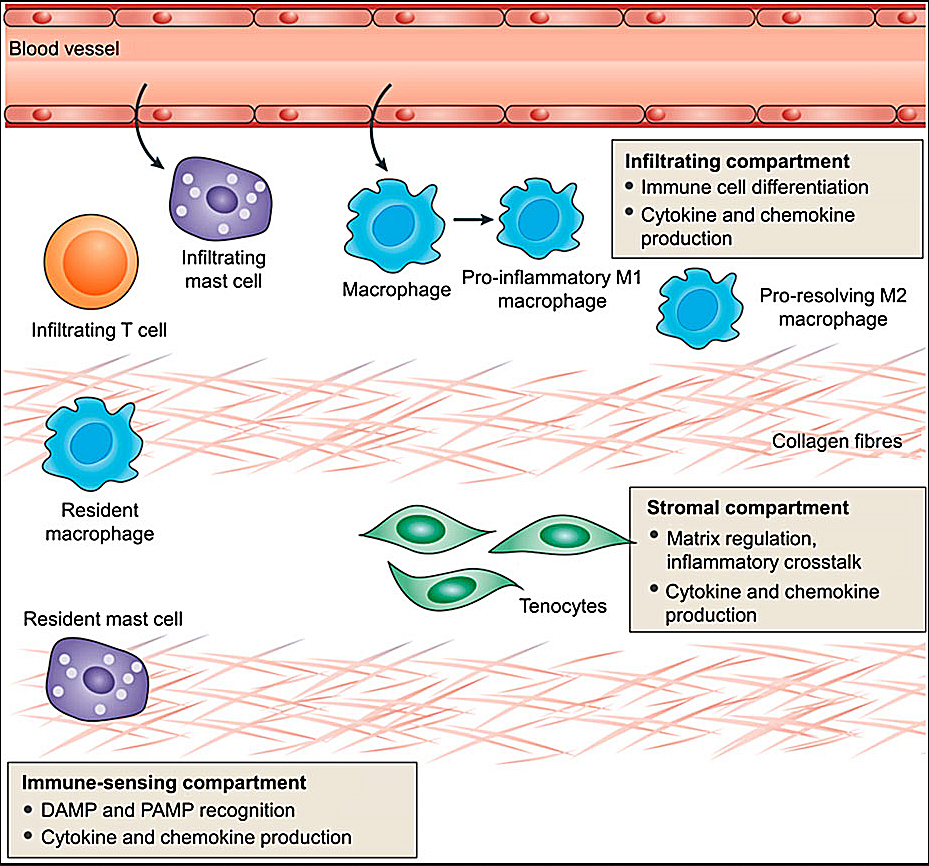
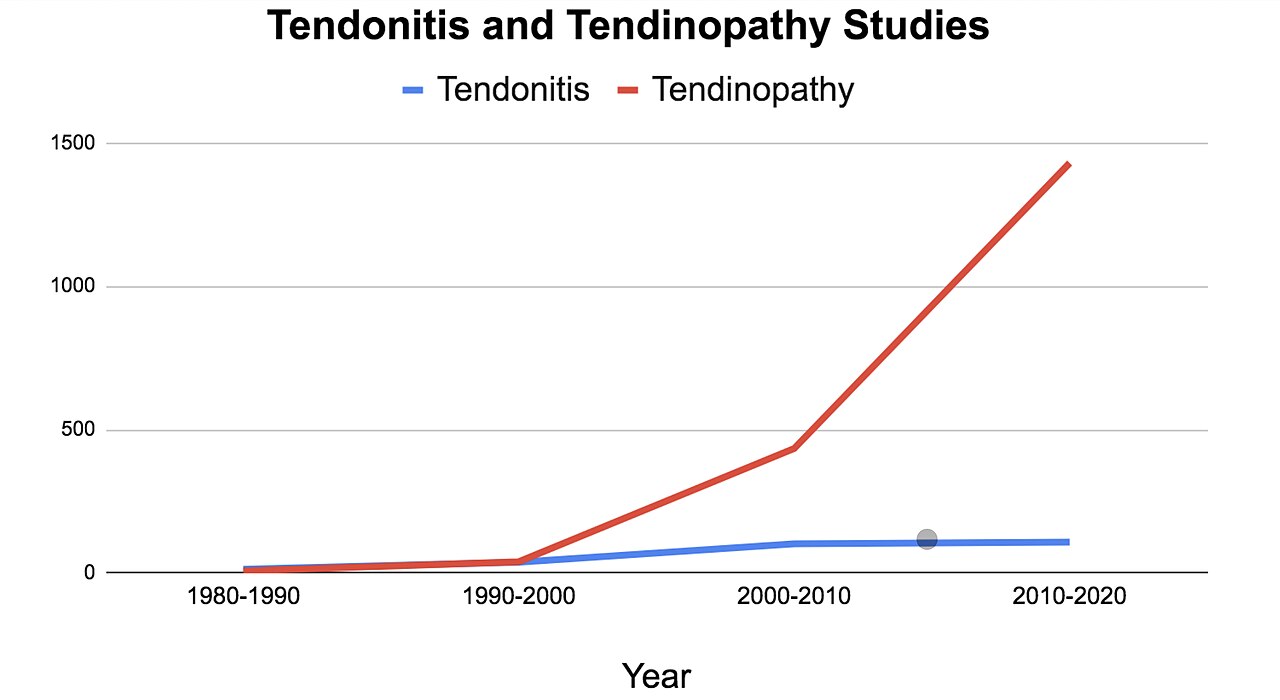
Tendinopathy involves degenerative changes in the collagenous matrix, hypercellularity, hypervascularity, and a lack of inflammatory cells, which has challenged the misnomer 'tendinitis'. For chronic tennis elbow, histological findings include granulation tissue, microrupture, and degenerative changes but without traditional inflammation. Cultures from tendinopathic tendons contain increased type III collagen. Load-induced non-rupture tendinopathy in humans is associated with an increase in the ratio of collagen III:I proteins, a shift from large to small diameter collagen fibrils, and buckling of the collagen fascicles and tenocyte cells.
Reader's Guide
Tendinopathy is relatively common and most frequently affects older people. Diagnosis is typically based on symptoms, examination, and imaging. Ultrasound imaging can evaluate tissue strain and mechanical properties. Treatment is largely conservative, including rest, NSAIDs, and gradual return to exercise. Exercise using weights or a resistance band is more effective than bodyweight alone, and having rest days is more effective than exercising every day. Steroid injections improve pain and function in the short term but have not shown long-term benefits. About 80% of overuse tendinopathy patients recover completely within six months. The pathophysiology remains poorly understood as of 2016, with inflammation playing a role but relationships among tissue structure changes, function, and pain not fully understood.
Did You Know?
- Tendinopathy most commonly occurs around larger joints such as the shoulder, elbow, wrist, hip, knee, or ankle.
- Quinolone antibiotics are associated with an increased risk of tendinitis and tendon rupture, with an incidence of 0.08–0.2%.
- Obesity, or adiposity, is linked to increasing incidence of tendinopathy.
Where It Strikes and What Patients Feel
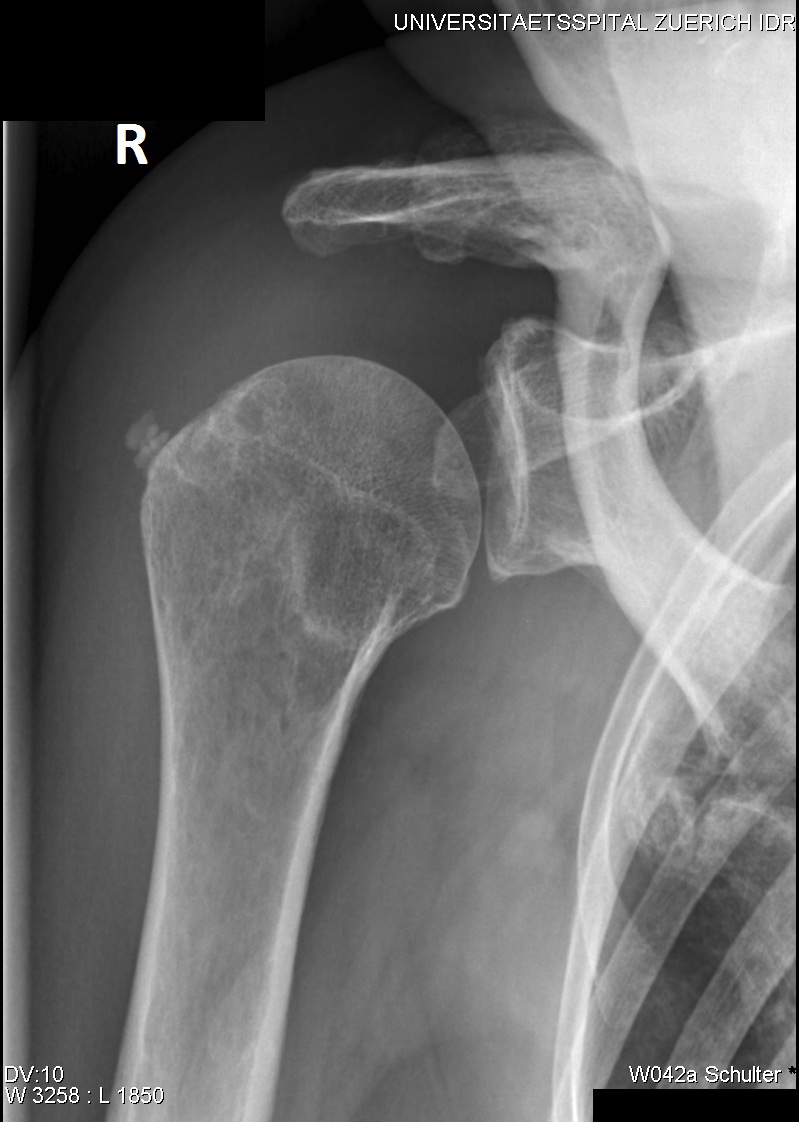
Tendinopathy most commonly affects the larger joints of the body, though it can appear anywhere a tendon bears significant load. The shoulder is a frequent target, presenting as rotator cuff or biceps tendinitis. The elbow is well known for tennis elbow and golfer's elbow, while the knee produces the condition popularly called "jumper's knee," or patellar tendinitis. The Achilles tendon at the ankle and the wrist are additional common sites. Patients typically report tenderness when the area is pressed, localized swelling, and pain that sharpens during exercise or with a particular movement. The discomfort often intensifies during and after activity, and the following day the joint may feel stiff as surrounding muscles tighten around the affected tendon. In more pronounced presentations, heat and redness accompany the swelling, and visible knots may form around the joint. Many patients also note that stressful life events coincide with the onset of their symptoms. The condition is relatively common in the general population, with older individuals being most frequently affected.
Beyond Inflammation: The Degeneration Debate
The term "tendinitis" has long been considered a misnomer. Histological examination of chronic cases, particularly tennis elbow, reveals granulation tissue, microruptures, and degenerative changes but notably an absence of traditional inflammatory cells. This has led researchers to prefer "tendinosis" or "angiofibroblastic tendinosis" over the older inflammatory label. Classic characteristics include a disorganized collagenous matrix, hypercellularity, and hypervascularity. Cultures from affected tendons show increased type III collagen, and load-induced tendinopathy is associated with a shifted collagen III-to-I ratio, smaller fibril diameters, and buckling of both collagen fascicles and tenocyte nuclei. While inflammatory cytokines like IL-1β can reduce type I collagen mRNA expression and degrade extracellular matrix, a 2020 review found that data heterogeneity prevented any consensus on a single pathophysiology. As of 2016, the field still lacked a fully validated model explaining how structural changes, tendon function, and pain interrelate. The most commonly accepted explanation remains an overuse syndrome combined with a progressive failure of the body's innate healing response, involving apoptosis, matrix disorganization, and neovascularization.
What Drives the Breakdown
The most widely accepted explanation is an overuse syndrome combined with a progressive failure of the body's innate healing response. Repetitive activities and acute trauma sit at the top of the causal list, making manual laborers, musicians, and sports participants particularly vulnerable to developing the condition. However, less common triggers include infection, arthritis, gout, thyroid disease, and diabetes. Obesity and adiposity are linked to a rising incidence of tendinopathy. A notable pharmacological risk involves quinolone antibiotics: a 2013 review estimated tendon injury incidence among fluoroquinolone users at 0.08 to 0.2 percent, with the Achilles tendon and other large load-bearing lower-limb tendons most frequently affected. Multifactorial theories also point to tensile overload, tenocyte-related collagen synthesis disruption, load-induced ischemia, neural sprouting, thermal damage, and adaptive compressive responses. Intratendinous sliding of fascicles and shear forces at fascicle interfaces may predispose tendons toward rupture. The interplay of these mechanical and biological factors means no single cause accounts for every presentation, and identifying the dominant contributor in an individual patient remains a clinical challenge.
Healing the Tendon
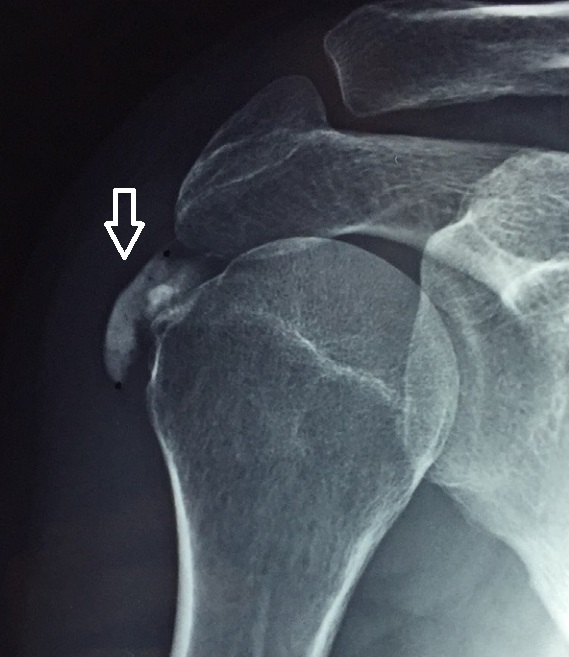
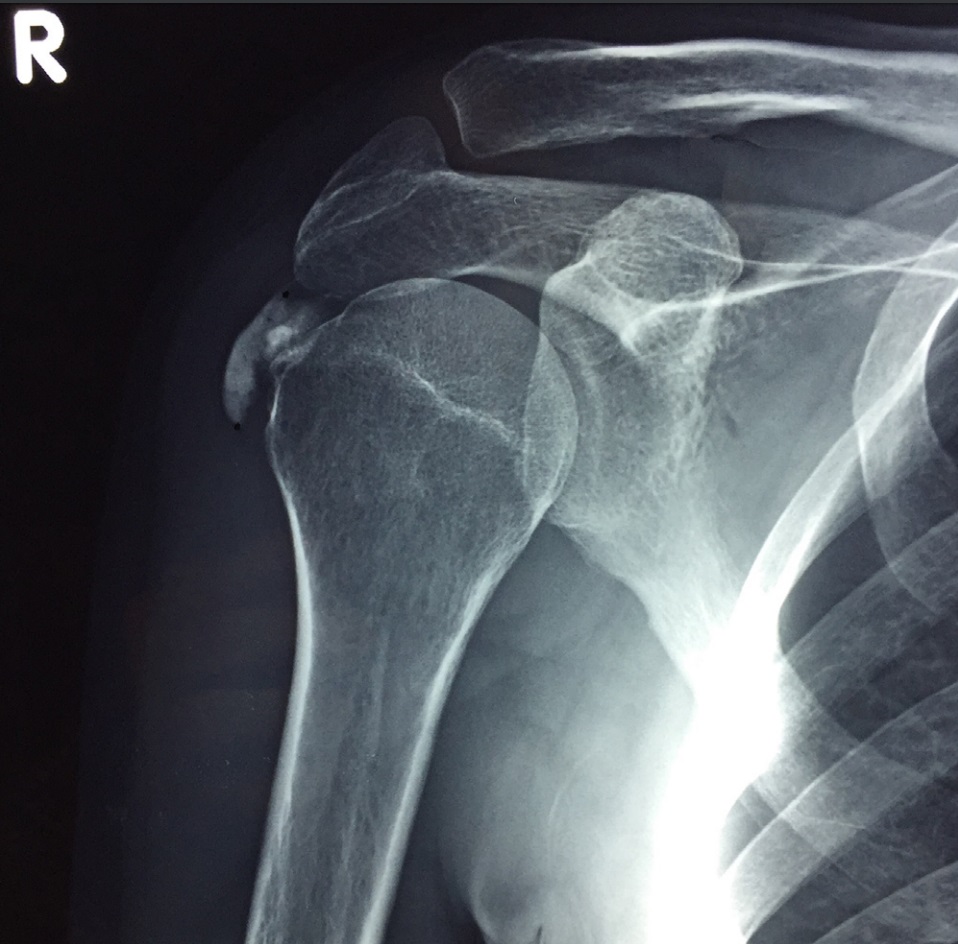
Treatment of tendinopathy is overwhelmingly conservative. The standard first-line approach combines rest, non-steroidal anti-inflammatory drugs, splinting, and physiotherapy, with a gradual return to exercise. A meta-analysis found that resistance training using weights or elastic bands outperforms bodyweight-only exercise, and incorporating rest days between sessions yields better outcomes than daily training. For patients who do not respond, steroid injections, shockwave therapy, or surgery may be considered. Ultrasound imaging has become an increasingly popular diagnostic and monitoring tool owing to its affordability, safety, and speed; it can reveal tissue strain, calcifications, intrasubstance tears, and vascularity changes that correlate with pain. The prognosis is encouraging: approximately 80 percent of overuse tendinopathy patients achieve full recovery within six months. Diagnosis itself typically relies on symptom assessment, physical examination, and imaging rather than invasive testing. In most cases, little inflammation remains after a few weeks, assuming the underlying problem relates to weak or disrupted tendon fibrils rather than an ongoing inflammatory process.
Gallery
Frequently Asked Questions
Who is Tendinopathy?
Tendinopathy (referred to as tendinitis in American English) is a broad tendon disorder that produces pain, swelling, and reduced mobility. Rather than a single condition, it is an umbrella term covering a range of tendon-related dysfunction.
What are Tendinopathy's powers/role?
Its 'attack pattern' concentrates on the tendons surrounding the body's major joints—shoulder, elbow, wrist, hip, knee, and ankle. It strikes hardest at manual laborers, musicians, athletes, and older adults whose tendons endure repetitive or traumatic mechanical loads.
Why is Tendinopathy important?
It sits at the crossroads of everyday mechanical strain and systemic disease—repetitive activity and acute trauma are the usual triggers, yet infection, arthritis, gout, thyroid disorders, diabetes, and quinolone antibiotics (carrying a 0.08–0.2 % tendon-injury incidence) can also set it off. That breadth makes it one of the most frequently encountered musculoskeletal complaints in clinical practice.
What are Tendinopathy's weaknesses?
First-line countermeasures typically include rest, non-steroidal anti-inflammatory drugs, splinting, and a structured physiotherapy regimen. When those prove insufficient, clinicians may step up to corticosteroid injections, shockwave therapy, or surgery.
More in Injuries And Conditions 1-24
Spotted an error? Know more?
Reader corrections go straight into our review queue. Suggest an edit · How this site is sourced