Ulcerative colitis
Chronic inflammation and ulcers of the colon and rectum.

DataBase Center for Life Science (DBCLS) · CC BY 4.0
Ulcerative colitis (UC) is a long-term inflammatory bowel disease (IBD) that causes inflammation and ulcers of the colon and rectum. It is one of the two main types of IBD, the other being Crohn's disease, and is characterized by symptoms such as abdominal pain and diarrhea mixed with blood.
- Type
- Medical condition
- Category
- Inflammatory bowel disease
- Primary symptoms
- Abdominal pain, bloody diarrhea
- Diagnosis method
- Colonoscopy with tissue biopsy
- Treatment options
- Aminosalicylates, steroids, immunosuppressants, biologic therapy, surgery
- Complications
- Megacolon, eye/joint/liver inflammation, colon cancer
Lore & Background
Ulcerative colitis is a condition of unknown cause, with theories involving immune system dysfunction, genetics, changes in gut bacteria, and environmental factors. Rates are higher in the developed world, possibly due to less exposure to intestinal infections or Western diet and lifestyle. Removal of the appendix at an early age may be protective. Diagnosis is typically by colonoscopy with tissue biopsies. The disease is classified by extent of involvement: proctitis (rectum only), left-sided colitis (to descending colon), or extensive colitis (beyond descending colon). Severity ranges from mild (fewer than four stools daily) to acute severe ulcerative colitis (ASUC), which can lead to toxic megacolon and has a 12-month mortality rate of about 1%.
Reader's Guide
Ulcerative colitis is significant as a chronic, incurable condition that requires lifelong management. Its impact extends beyond the gastrointestinal tract, with extraintestinal manifestations affecting the eyes, joints, skin, and liver in 6–47% of individuals. Treatment aims to induce and maintain remission using medications such as aminosalicylates, steroids, immunosuppressants, and biologic therapy. Surgery to remove the colon and rectum generally cures the condition but is reserved for severe cases or complications like colon cancer. The disease's intermittent nature—with flares and periods of remission—poses challenges for patients and clinicians. Understanding its continuous pattern of inflammation (contrasting with Crohn's disease) aids in diagnosis and management. The condition's association with systemic inflammation and risk of colon cancer underscores the need for regular monitoring.
Did You Know?
- Ulcerative colitis is one of the two types of inflammatory bowel disease, the other being Crohn's disease.
- About 17% of individuals with ulcerative colitis have inflammation of the ileum (backwash ileitis).
- Toxic megacolon, a complication of severe ulcerative colitis, has a 50% mortality rate if colonic perforation occurs.
The Clinical Face of the Disease
Ulcerative colitis typically announces itself through a gradual onset of bloody diarrhea that persists for weeks rather than days. Roughly nine in ten patients report rectal bleeding of varying intensity, while a similar proportion deal with watery or loose stools accompanied by increased frequency. Bowel urgency affects between 75 and 90 percent of those affected. Beyond the core triad, patients may experience fecal incontinence, mucus discharge, and the need to defecate during the night. In proctitis specifically, a sensation called tenesmus—an urgent desire to empty the bowels with only minimal output—can be so misleading that it mimics constipation. As disease intensifies, abdominal pain escalates from mild discomfort to severe cramping, and systemic signs such as fever, weight loss, nausea, and fatigue join the picture. Chronic blood loss and ongoing inflammation frequently produce iron-deficiency anemia, further eroding quality of life. Notably, up to 15 percent of individuals face severe disease at their very first presentation, and even among those in clinical remission, as many as 45 percent still harbor objective evidence of smoldering inflammation.
How Far the Inflammation Reaches
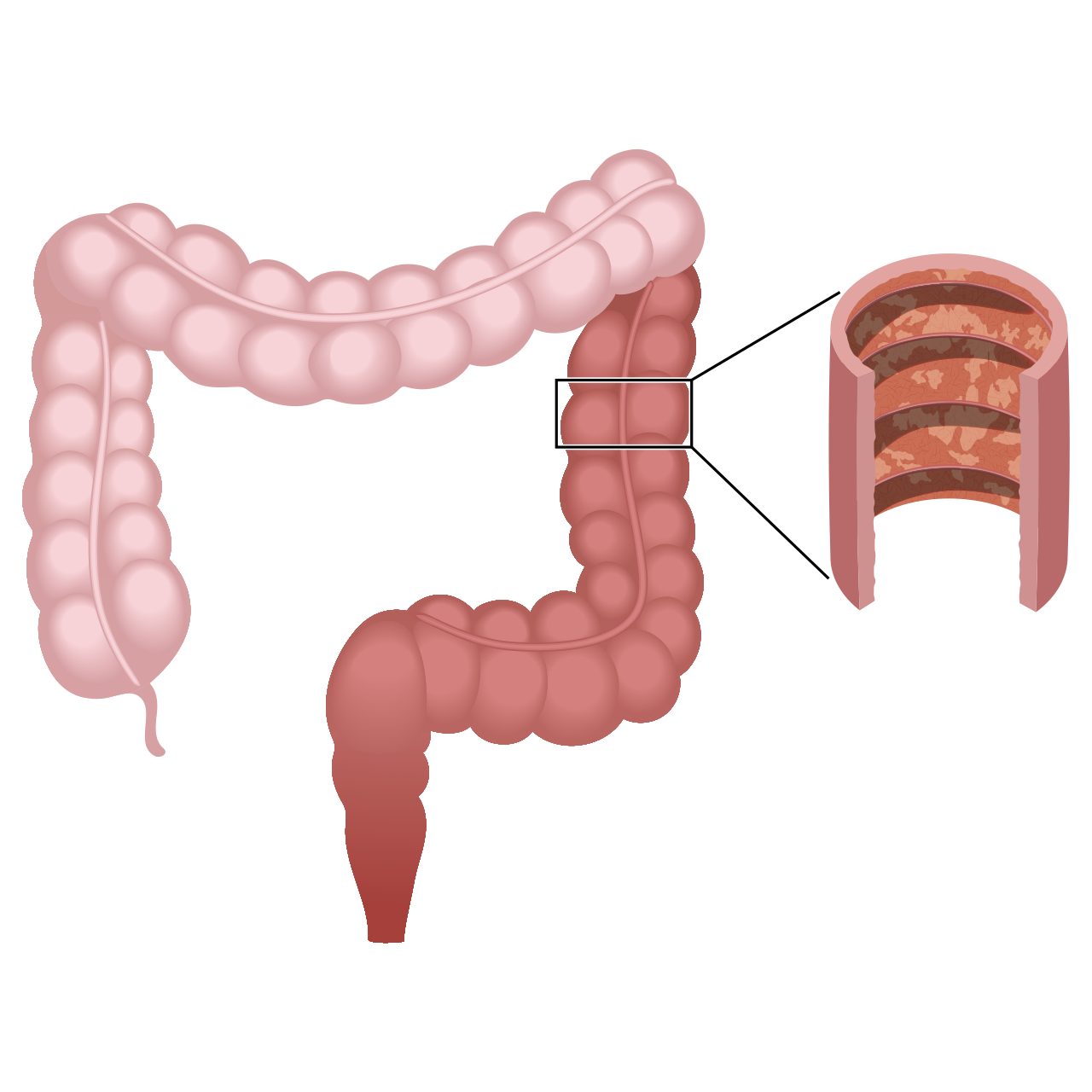
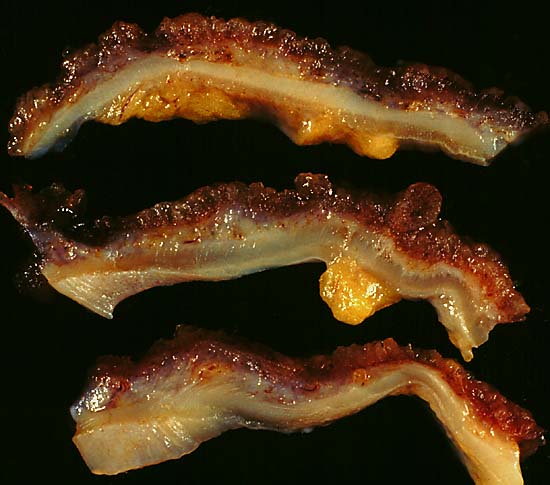
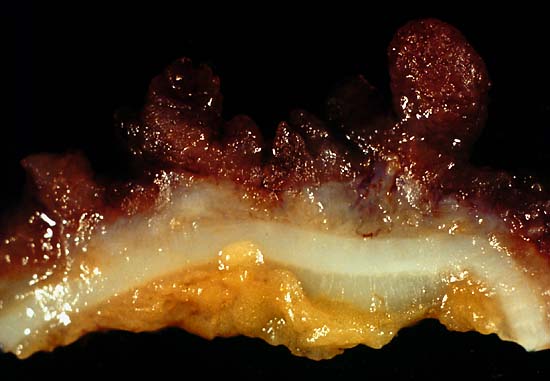
Unlike Crohn's disease, which can scatter skip lesions across the entire gastrointestinal tract, ulcerative colitis is generally confined to the colon and produces a continuous band of inflammation that always begins in the rectum and extends proximally. Clinicians classify the reach of this inflammation into distinct categories: proctitis when only the rectum is involved; proctosigmoiditis when the sigmoid colon joins the process; left-sided colitis when inflammation stretches to the descending colon; and extensive colitis or pancolitis when the entire colon from rectum to cecum is affected. A noteworthy exception is backwash ileitis, in which the terminal ileum becomes inflamed in roughly 10 to 20 percent of pancolitis cases, though this is thought to carry little clinical significance. The extent of involvement matters because it shapes both the severity of symptoms and the trajectory of long-term risk. Severity itself is graded using tools like the Mayo Score, which blends stool frequency, rectal bleeding, endoscopic appearance, and physician assessment into a unified mild, moderate, or severe classification. Mild disease is marked by fewer than four stools per day and normal inflammatory markers, while moderate-to-severe disease brings more than six bloody stools daily, low-grade fever, and elevated CRP and ESR levels.
Unraveling the Cause
No single cause has been identified for ulcerative colitis, and researchers continue to piece together a multifactorial picture. Immune system dysregulation sits at the center of most theories, suggesting that the body's defense mechanisms mount an inappropriate attack against the colon lining. Genetic predisposition, shifts in the composition of normal gut microbiota, and environmental exposures all appear to contribute. Epidemiologically, UC is more prevalent in the developed world, and some investigators link this pattern to reduced childhood exposure to intestinal infections, a Western dietary pattern, and broader lifestyle factors. An intriguing protective observation is that early-life appendectomy—removal of the appendix—appears to lower the risk of developing the condition. The interplay of these factors likely explains why symptoms often emerge gradually, why they fluctuate between active flares and periods of relative quiet, and why persistent functional complaints can linger even when overt inflammation has subsided. Because the underlying trigger remains elusive, current management focuses on controlling the inflammatory response rather than eliminating a root cause.
From Medication to Definitive Surgery
Treatment strategy is layered and tailored to disease severity. First-line agents include aminosalicylates such as mesalazine and sulfasalazine, which help bring about and sustain remission in milder presentations. When inflammation proves more stubborn, corticosteroids offer short-term control, while immunosuppressants like azathioprine provide longer-term modulation of the immune response. For patients who do not respond adequately to these conventional therapies, biologic agents targeting specific inflammatory pathways represent the next therapeutic tier. Surgery—specifically removal of the colon and rectum—remains the definitive option when disease is severe, refractory to medical management, or complicated by conditions such as toxic megacolon or colon cancer. Because the disease is confined to the colon, complete surgical excision generally cures ulcerative colitis, a distinction that sets it apart from Crohn's disease, where residual intestinal segments can continue to be affected. The decision to operate balances the quality-of-life burden of chronic flares and complications against the permanence of losing the colon, and it is typically reserved for cases where the risks of ongoing disease outweigh the consequences of surgery.
Gallery
Frequently Asked Questions
Who is Ulcerative colitis?
UC is a chronic inflammatory bowel disease that targets the innermost lining of the colon and rectum, producing persistent swelling and open sores in those regions. It is one of the two principal IBD categories, the other being Crohn's disease.
What are Ulcerative colitis's powers/role?
Its hallmark 'abilities' present as ongoing abdominal cramping and diarrhea frequently streaked with visible blood. Unlike Crohn's, which can strike any segment of the gut, UC confines its damage to the mucosal layer of the large intestine and rectum.
How do fans confirm a diagnosis of Ulcerative colitis?
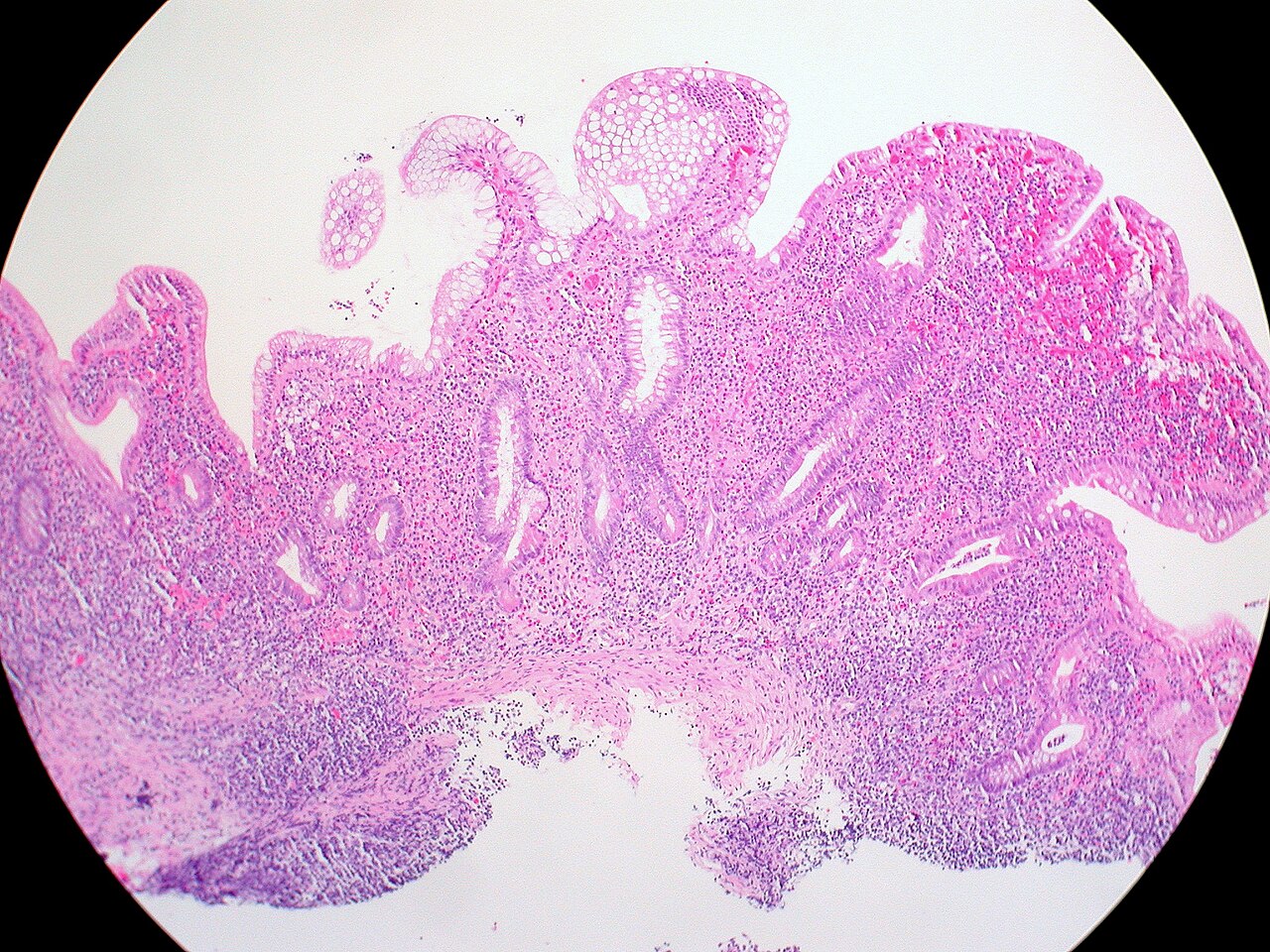
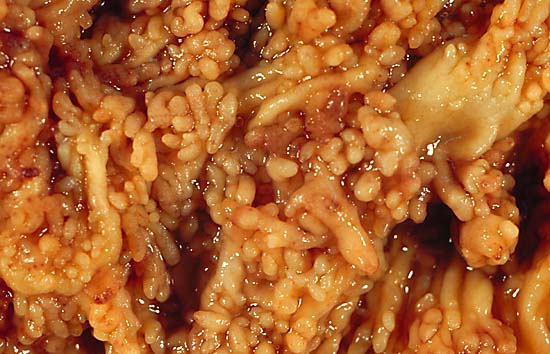
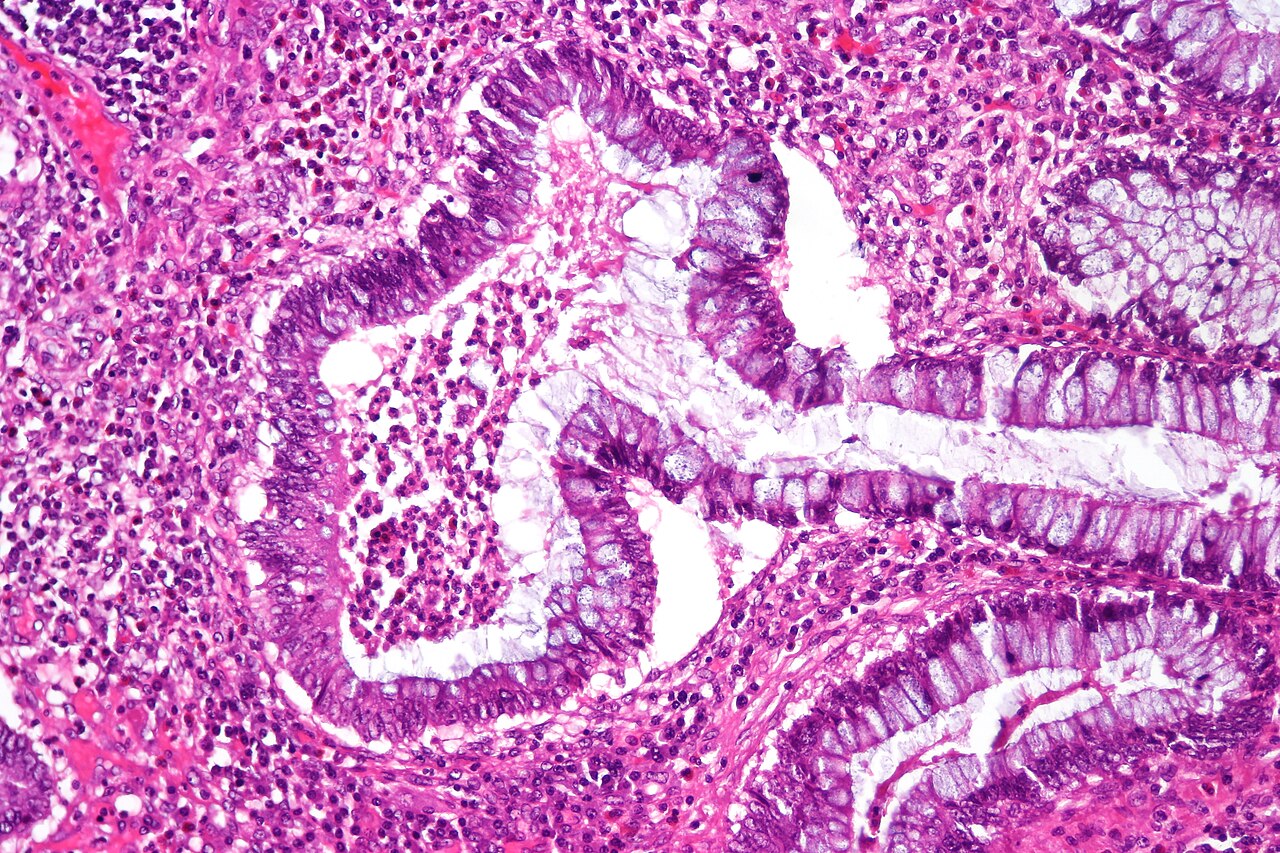
The gold-standard workup is a colonoscopy in which the physician visually inspects the colon and rectum and snips a small tissue sample for histological biopsy. That sample reveals the characteristic continuous mucosal inflammation and ulceration that clinch the diagnosis.
What are Ulcerative colitis's weaknesses or countermeasures?
Management steps up from aminosalicylates and short courses of corticosteroids for milder flares to immunosuppressants and biologic agents when disease proves stubborn. In the most refractory cases, surgical removal of the colon (colectomy) can offer a definitive, curative resolution.
Why is Ulcerative colitis important in the canon?
Beyond the daily toll of pain and bloody stools, UC carries grave long-term risks such as toxic megacolon, extraintestinal inflammation of the eyes, joints, or liver, and a significantly elevated lifetime chance of developing colorectal cancer. These complications make sustained surveillance and proactive treatment essential for anyone living with the condition.
More in Injuries And Conditions 1-24
Spotted an error? Know more?
Reader corrections go straight into our review queue. Suggest an edit · How this site is sourced