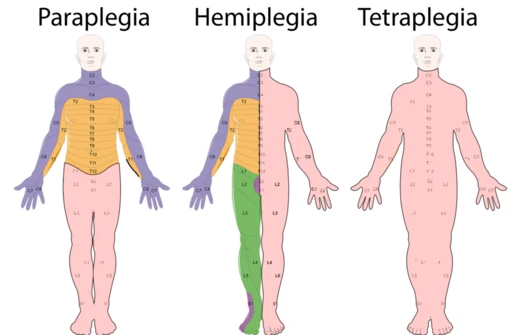
Visual impairment
Visual impairment is partial or total inability of visual perception.

Simon Legner ( User:simon04 ) · CC BY-SA 4.0
Visual impairment, also referred to as VI or VIP, means a person has partial or total loss of sight. Without help from things like glasses, medical treatment, or assistive tools, this condition can make everyday activities—such as reading or walking—much harder. When the impairment is permanent or very hard to fix, it’s often called low vision or blindness. A temporary, fleeting form called amaurosis fugax can also occur and may signal serious health issues.
Worldwide, the main causes are uncorrected refractive errors (43%), cataracts (33%), and glaucoma (2%). Refractive errors include nearsightedness, farsightedness, presbyopia, and astigmatism. Cataracts are the top cause of blindness. Other conditions that can lead to vision problems include age-related macular degeneration, diabetic retinopathy, corneal clouding, childhood blindness, and certain infections. Brain-related issues—from stroke, premature birth, or trauma—can also cause visual impairment, known as cortical visual impairment. Screening children for vision problems can improve their future sight and school performance, but screening adults without symptoms has unclear benefits. Diagnosis comes from an eye exam.
The World Health Organization (WHO) estimates that 80% of visual impairment is either preventable or treatable. This includes cataracts, infections like river blindness and trachoma, glaucoma, diabetic retinopathy, uncorrected refractive errors, and some childhood blindness. Many people with significant vision loss benefit from vision rehabilitation, changes to their surroundings, and assistive devices.
In 2015, about 940 million people worldwide had some degree of vision loss—246 million with low vision and 39 million who were blind. Most of those affected live in developing countries and are over 50 years old. Rates of visual impairment have dropped since the 1990s. The condition carries major economic costs, both from treatment expenses and lost work ability.
**Classification**
In 2010, the WHO updated its definition of visual impairment to match the ICD-11. Instead of using “best corrected visual acuity,” it now uses “presenting visual acuity.” This change was made because the old method missed many people whose vision loss came from uncorrected refractive errors or lack of access to care.
- Global prevalence (2015)
- 940 million with some degree of vision loss
- Low vision (2015)
- 246 million
- Blindness (2015)
- 39 million
- Most common cause
- uncorrected refractive errors (43%)
- Most common cause of blindness
- cataracts
- Preventable or curable
- 80% (WHO estimate)
Lore & Background
Visual impairment encompasses a range of conditions from low vision to total blindness. The World Health Organization (WHO) changed its definition in 2010 from 'best corrected visual acuity' to 'presenting visual acuity' to better capture those with uncorrected refractive errors or lack of access to treatment. Classification includes distance vision categories from 0 (no or mild impairment) to 5 (irreversible blindness with no light perception), and near vision impairment defined as worse than N6 or M 0.8 at 40 cm.
In the United Kingdom, certification as severely sight-impaired or sight-impaired is based on visual acuity and visual field restrictions, with guidance from the National Assistance Act 1948. In the United States, legal blindness is defined as central visual acuity of 20/200 or less in the better eye after correction, or a visual field of 20 degrees or less. The American Medical Association adopted this definition in 1934, and it was incorporated into the Social Security Act in 1935 and later into Supplemental Security Income.
Temporary vision impairment, known as amaurosis fugax, may occur for seconds or minutes and can indicate serious medical problems. Visual impairments have considerable economic costs, both directly from treatment and indirectly from reduced ability to work.
Reader's Guide
Visual impairment is a significant global health issue, affecting 940 million people as of 2015, with 246 million having low vision and 39 million blind. The majority of those affected are in the developing world and over age 50. The WHO estimates that 80% of visual impairment is preventable or curable with treatment, including cataracts, river blindness, trachoma, glaucoma, diabetic retinopathy, uncorrected refractive errors, and some childhood blindness. Rates have decreased since the 1990s. Screening for vision problems in children may improve future vision and educational achievement, while screening adults without symptoms is of uncertain benefit. Diagnosis is by an eye exam. Many people benefit from vision rehabilitation, environmental changes, and assistive devices. The change in WHO classification to 'presenting visual acuity' highlights the importance of access to care. The economic costs are substantial, both direct and indirect.
Did You Know?
- The most common cause of visual impairment globally is uncorrected refractive errors (43%).
- Cataracts are the most common cause of blindness.
- Temporary vision impairment, amaurosis fugax, may indicate serious medical problems.
Anatomy of Damage: How Brain Injuries Are Classified
Brain injury refers to the destruction or progressive degeneration of brain cells, caused by external forces such as accidents and falls, or by internal processes including strokes, infections, and metabolic disorders. Traumatic brain injury is the most common subtype, typically resulting from physical impact to the head. Injuries are also split by timing of onset: acquired types develop after birth, whereas congenital ones are present from the start.
Clinicians classify brain injuries along two principal axes. Spatially, focal injuries strike a single region, producing haemorrhages, contusions, and subdural or epidural haematomas from direct force. Diffuse injuries scatter damage across many or all brain regions through axonal shearing, oxygen deprivation, and vascular disruption. Temporally, primary injuries occur in the instant of trauma as mechanical forces deform neural tissue, while secondary injuries unfold afterward through cascading events like swelling, fluid buildup, and rising intracranial pressure.
When both categories reach severe levels, focal injuries carry a mortality rate near forty percent versus twenty-five percent for diffuse injuries. However, diffuse damage more often leaves survivors with persistent neurological and cognitive deficits.
Reading the Signs: Symptoms Across the Severity Spectrum
The symptoms a person experiences after a brain injury depend heavily on how severe the damage is, which regions were hit, and how much tissue was affected. In the mildest form—a concussion from a blow to the head—individuals report headaches, confusion, ringing in the ears, fatigue, and shifts in sleep, mood, or behavior. Memory lapses, difficulty concentrating, and trouble thinking clearly are also common. Because mental fatigue can stem from so many unrelated conditions, patients sometimes fail to connect their exhaustion to a minor head injury.
Moderate and severe injuries paint a far more alarming picture. Cognitive symptoms escalate to confusion, aggression, abnormal behavior, and slurred speech. Physical signs include loss of consciousness, headaches that intensify or simply refuse to resolve, vomiting, convulsions, visible brain pulsation, abnormal dilation of the pupils, an inability to rouse from sleep, limb weakness, and a breakdown in coordination.
In young children, the challenge is compounded by their limited ability to articulate what they feel. Parents, physicians, and caregivers must instead watch for behavioral shifts: changes in eating, persistent irritability or sadness, a loss of attention, abandoning previously loved activities, and disrupted sleep patterns.
The Long Shadow: Complications and Life-Altering Consequences
The aftermath of a brain injury can extend far beyond the initial trauma. In the immediate wake, patients may experience swelling, pain, bruising, or a complete loss of consciousness. Headaches, dizziness, and fatigue that appear days or weeks later can become permanent fixtures of daily life.
More troubling still, brain damage raises the risk of developing seizures, Parkinson's disease, dementia, and disorders of hormone-secreting glands. Ongoing medical monitoring is therefore essential to catch these conditions early and intervene promptly.
In the most devastating scenarios, diffuse injuries, intracranial hypertension, or damage to consciousness-regulating regions can plunge a patient into a coma—a prolonged state of deep unconsciousness. A persistent vegetative state represents an even more harrowing outcome, in which wakefulness appears present yet no awareness of the surrounding world remains.
On the cognitive side, post-traumatic amnesia and deficits in both short- and long-term memory are frequently documented. Temporary aphasia—impaired language ability—and apraxia, a loss of motor coordination, may also emerge. When tissue damage and reduced blood flow are extensive, these impairments can become permanent. Larger lesions generally correlate with more severe and complex symptom profiles.
Healing and Adaptation: Treatment Pathways and the Brain's Resilience
Managing a brain injury is a multifaceted endeavor. The first priority is always preventing further damage to already-vulnerable tissue. Beyond that, the therapeutic toolkit is broad: medications to control symptoms and protect neural tissue, surgery to address structural problems, physical therapy to rebuild movement, occupational therapy to restore daily-functioning skills, and psychotherapy to help patients and families navigate the emotional upheaval.
Perhaps the most encouraging aspect of brain-injury recovery is neuroplasticity—the brain's remarkable capacity to rewire itself. Even after cells are destroyed, the surviving neural network can form new connections that partially compensate for lost function. Through sustained therapy and deliberate practice, many patients gradually regain adaptive skills such as coordinated movement and speech.
However, recovery is neither uniform nor guaranteed. The degree of improvement depends on the injury's location, severity, and the individual's overall health. Because brain damage also predisposes patients to later-onset conditions like seizures, Parkinson's disease, and dementia, long-term medical surveillance remains a critical component of care, ensuring that emerging complications are identified and treated before they become irreversible.
Gallery


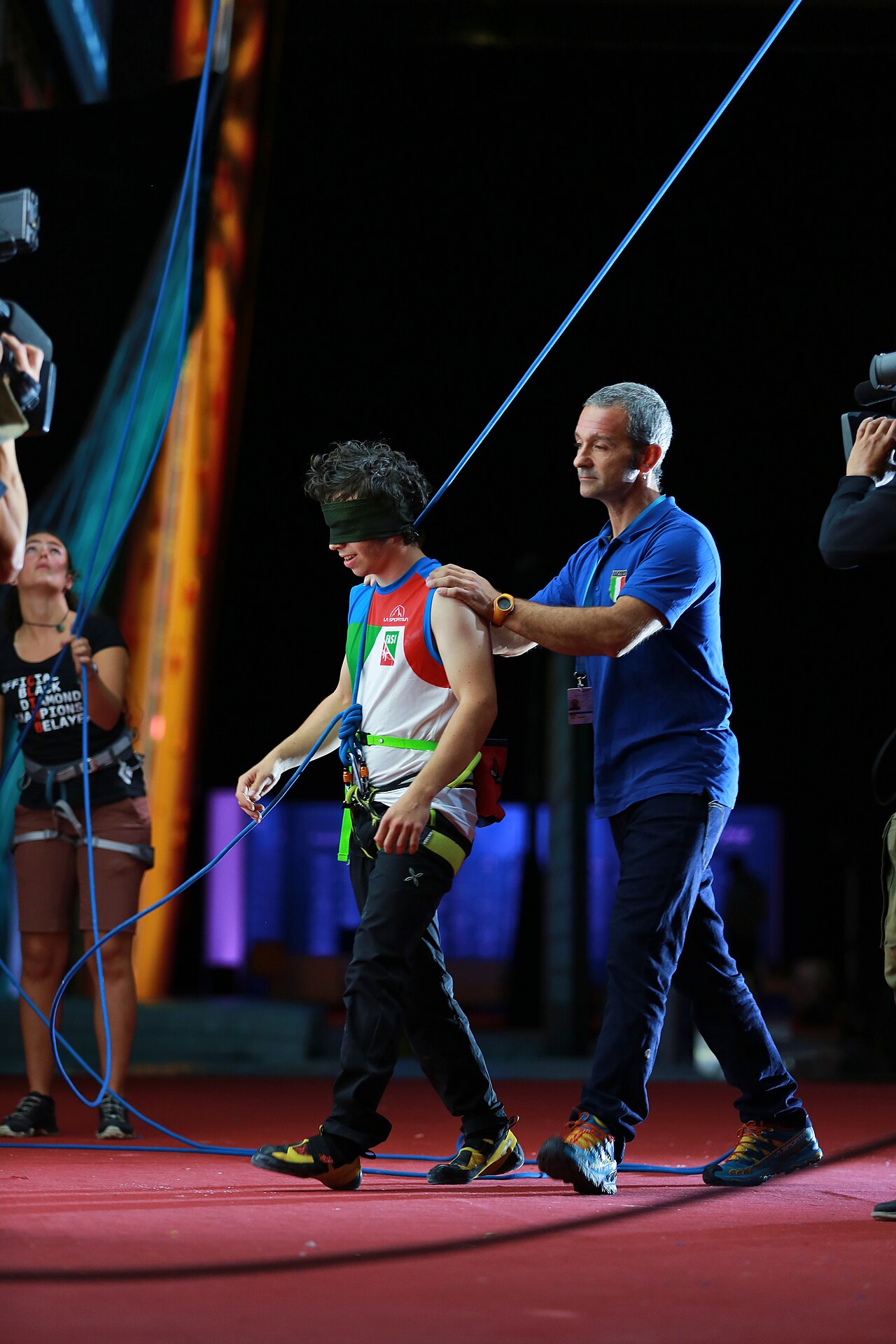



Frequently Asked Questions
What exactly is visual impairment?
Visual impairment (sometimes shortened to VI or VIP) describes a partial or complete loss of sight. Without corrective lenses, medical intervention, or assistive devices, routine tasks like reading or navigating a room become significantly more difficult.
What are the most common causes of visual impairment worldwide?
Uncorrected refractive errors account for roughly 43% of cases globally, while cataracts make up about 33% and are the leading cause of actual blindness. Glaucoma is another notable contributor, responsible for around 2% of cases.
How many people around the world live with visual impairment?
As of 2015 estimates, approximately 940 million people experienced some degree of vision loss. Of those, about 246 million had low vision and roughly 39 million were classified as blind.
Is visual impairment always permanent?
Not necessarily—there is a temporary form called amaurosis fugax that can resolve on its own, though it may flag a more serious underlying health problem. When the condition is permanent or extremely difficult to reverse, it is typically labeled low vision or blindness.
Can most cases of visual impairment be prevented or treated?
According to WHO estimates, around 80% of visual impairment cases are either preventable or curable. Correcting refractive errors, treating cataracts, and managing conditions like glaucoma are among the interventions that can restore or preserve sight.
More in Injuries And Conditions 1-24
Spotted an error? Know more?
Reader corrections go straight into our review queue. Suggest an edit · How this site is sourced