Sunburn
A radiation burn from UV overexposure causing skin inflammation and damage.

Unknown author Unknown author or not provided · Public domain
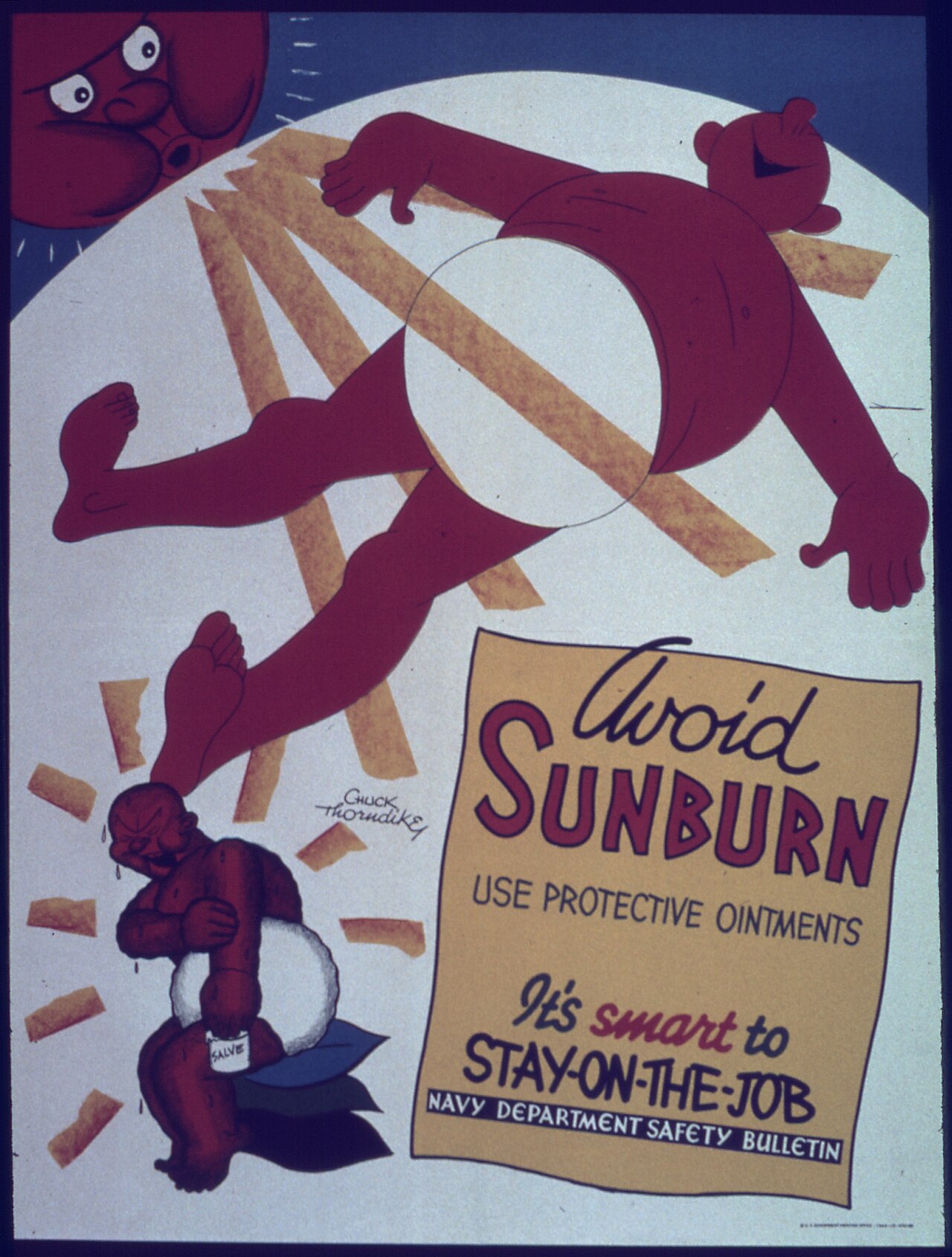
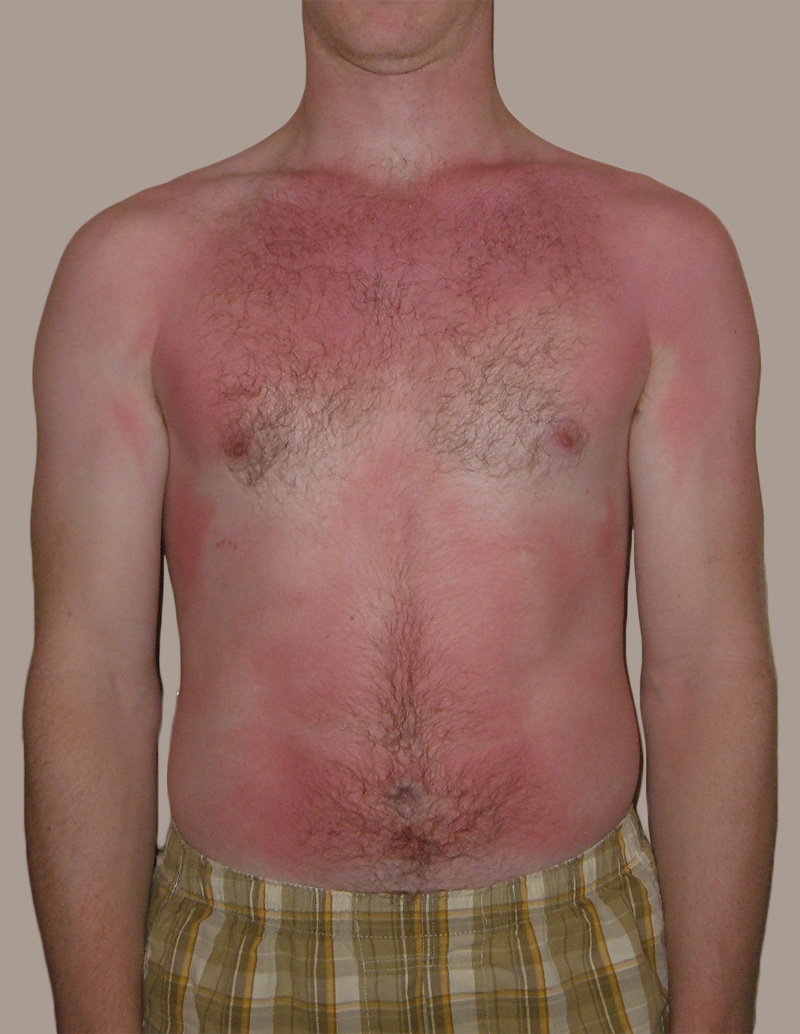
Sunburn is a form of radiation burn affecting living tissue, primarily skin, caused by overexposure to ultraviolet (UV) radiation, most commonly from the Sun. It is an inflammatory response triggered primarily by direct DNA damage from UVB rays, and can range from minor redness to severe blistering and systemic symptoms.
- Type
- Medical condition
- Cause
- Overexposure to ultraviolet (UV) radiation
- Symptoms
- Redness, swelling, blistering, peeling, pain, fatigue, nausea
- Duration
- Symptoms peak at 24–36 hours, healing within 7 days
- Risk factor
- Lighter skin types, prolonged UV exposure, proximity to equator
- Prevention
- Sunscreen, sun protective clothing
Lore & Background
Sunburn results from prolonged exposure to UV radiation from the Sun or artificial sources like tanning lamps and welding arcs. Two types of UV reach Earth's surface: UVA and UVB, with UVB being approximately 1,000 times more effective at causing sunburn. UVB primarily causes direct DNA damage, triggering an inflammatory response that leads to immune cell recruitment. The body responds with DNA repair, apoptosis, peeling, and increased melanin production. Melanin absorbs UV light, helping to protect skin cells. Sunburn inflammation involves prostanoids and bradykinin, which lower the heat receptor threshold, and pain may be caused by the protein CXCL5.
Reader's Guide
Sunburn is significant as a common yet potentially serious condition that increases the risk of three types of skin cancer: melanoma, basal-cell carcinoma, and squamous-cell carcinoma. Melanoma risk rises dose-dependently with cumulative sunburn episodes; an estimated one-third of melanomas in the United States and Australia could be prevented with regular sunscreen use. Sunburn can occur in less than 15 minutes of sun exposure, with symptoms worsening over 24–36 hours and healing typically within a week. Risk factors include lighter skin types, time of day (10 am to 4 pm), proximity to reflective surfaces, altitude, and latitude. The UV Index helps gauge risk. Sun protective measures like sunscreen and protective clothing are widely accepted to prevent sunburn and some skin cancers. Special populations, such as children, are especially susceptible. Sunburn's legacy lies in its role as a preventable cause of skin cancer and a driver of public health campaigns promoting sun safety.
Did You Know?
- Sunburn can occur in less than 15 minutes of sun exposure, but first signs may not appear for a few hours.
- Sunburn symptoms are typically worst 24 to 36 hours after exposure and begin to improve after 3 to 5 days.
The Inflammatory Cascade
Sunburn is fundamentally an inflammatory response set off when ultraviolet radiation strikes living tissue. While both UVA and UVB wavelengths reach Earth's surface, UVB carries far more energy and is the primary driver of the burn. The critical trigger is not DNA damage as once assumed, but rather the disruption of messenger RNA. When UVB scrambles mRNA, ribosomes detect the injury through a protein called ZAK-alpha, activating a rapid cell-surveillance stress response. This detection cascades into inflammatory signaling that recruits immune cells to the affected skin. The body simultaneously deploys several defensive strategies: repairing damaged DNA, triggering apoptosis to shed irreparably harmed cells, and ramping up melanin production for future protection. Melanin absorbs UV photons and blocks both direct DNA alteration and free-radical generation, yet human melanocytes harbor over two thousand genomic sites that are extraordinarily UV-sensitive—up to one hundred seventy times more prone to forming cyclobutane pyrimidine dimers than average sites. The resulting inflammation floods the tissue with prostanoids and bradykinin, which lower the activation threshold of heat receptors from roughly 109 degrees Fahrenheit down to 85 degrees, explaining the intense burning sensation. An overabundance of the protein CXCL5 further sensitizes nerve fibers, compounding the pain.
The Spectrum of Injury
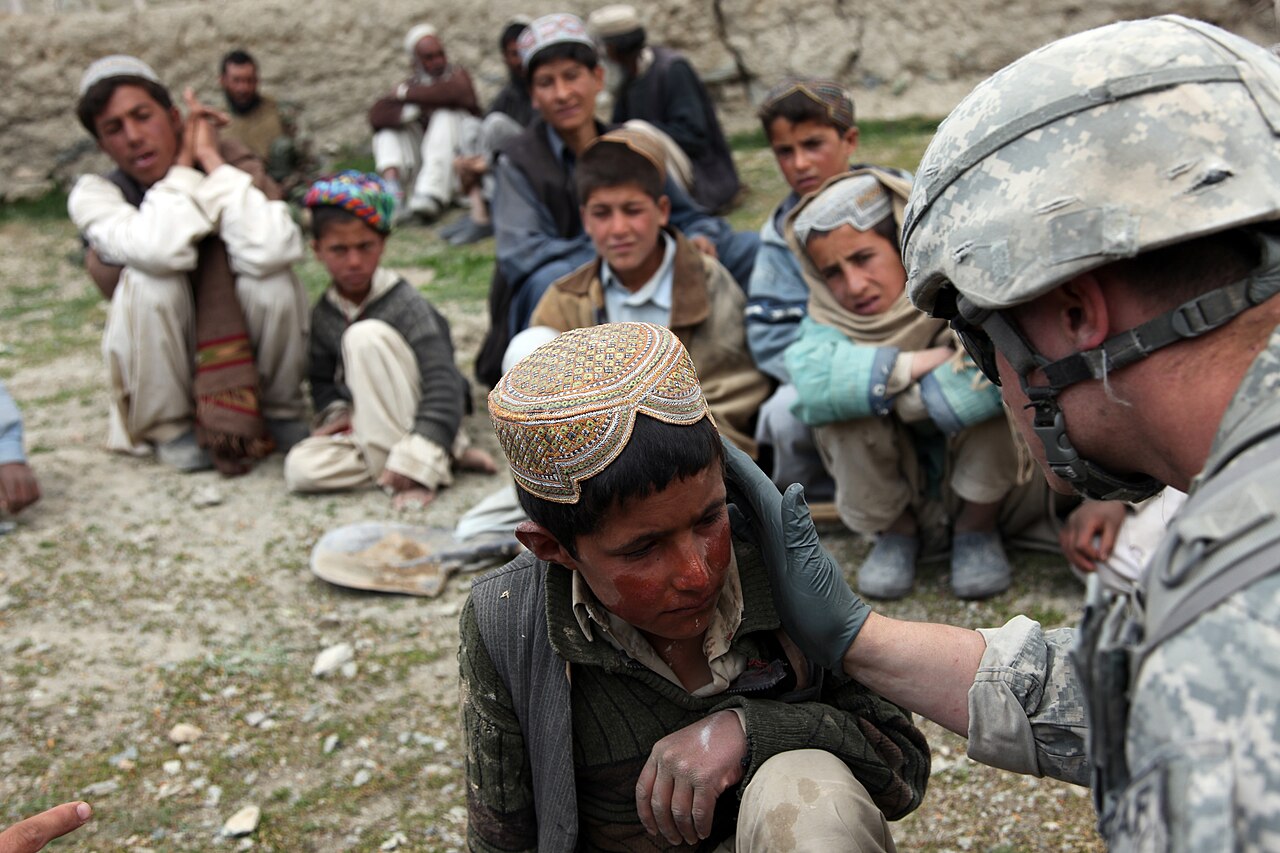
The visible and physical consequences of sunburn span a wide range depending on how much ultraviolet energy the skin absorbed. At its mildest, a burn presents as faint redness and a tender, warm patch where capillaries near the surface have generated excess heat. As severity escalates, the erythema deepens, swelling becomes pronounced, and the skin may blister, itch, or develop a rash. In the most extreme cases—sometimes colloquially called sun poisoning—victims experience nausea, fever, chills, and even fainting, with pain severe enough to be genuinely debilitating and occasionally necessitating hospital admission. Clinically, sunburns are categorized as either superficial or partial-thickness burns, with blistering marking a second-degree injury. The timeline is deceptive: damage can begin in under fifteen minutes of sun exposure, or even in mere seconds near an unshielded welding arc, yet the first visible signs may not surface for several hours. Symptoms typically peak between twenty-four and thirty-six hours after the exposure, then gradually ease over three to five days. Peeling and flaking follow, with full healing usually complete within a week, though small patches of skin can continue shedding for days or even weeks afterward.
Environmental and Personal Vulnerability
Not everyone, everywhere, faces the same sunburn risk. The single most important variable is how long and how intensely the skin is exposed to ultraviolet radiation. Anatomically, the face, neck, and trunk are two to four times more vulnerable than the arms and legs. People with lighter complexions and those taking certain medications are also more prone to burning. Beyond individual traits, a constellation of environmental factors shapes the danger. UV intensity peaks between roughly ten in the morning and four in the afternoon. Overcast skies offer only partial shielding—enough damaging radiation still penetrates clouds to cause harm. Reflective surfaces such as water, sand, concrete, snow, and ice bounce additional rays onto the skin. Season matters, with late spring and early summer producing the harshest burns. Altitude amplifies exposure by about four percent for every thousand feet of elevation, since thinner atmosphere filters less light. Latitude also matters: the southern United States receives roughly fifty percent more annual sunlight than the northern states, and danger climbs as one nears the tropic lines at twenty-three and a half degrees. UVA, while present, is a thousand to two thousand times less effective at causing burns than UVB.
Long-Term Consequences and the Case for Prevention
The stakes of sunburn extend far beyond the immediate discomfort. Excessive ultraviolet exposure is the leading cause of primarily non-malignant skin tumors, and in extreme cases these growths can become life-threatening. More alarmingly, cumulative sunburn episodes raise the risk of three distinct skin cancers: melanoma, basal-cell carcinoma, and squamous-cell carcinoma. The melanoma connection is particularly dose-dependent—each additional lifetime burn event proportionally increases a person's odds of developing the disease. Researchers estimate that roughly one-third of melanoma cases in the United States and Australia could have been averted through consistent sunscreen use. This evidence underpins the broad medical consensus that sunscreen and sun-protective clothing are essential preventive tools, not optional luxuries. The warning is especially urgent for children, whose developing skin is particularly susceptible to UV damage, and for other vulnerable populations who require deliberate protective measures. Because the damage is cumulative and the cancers it seeds can emerge years or decades later, the window for meaningful prevention is not the day of the beach trip but every day of a lifetime spent under the sun.
Gallery

Frequently Asked Questions
What is Sunburn?
Sunburn is a radiation burn to living tissue, most often the skin, triggered by excessive ultraviolet radiation—usually from the Sun. It is fundamentally an inflammatory response in which UVB rays inflict direct damage on cellular DNA.
What causes Sunburn?
Prolonged or intense UV radiation exposure is the direct cause, with UVB rays responsible for the bulk of the cellular damage. Lighter skin types, extended time outdoors, and proximity to the equator all heighten the risk.
What are Sunburn's symptoms?
Typical signs include redness, swelling, pain, blistering, and eventual peeling of the affected skin. More severe cases can also produce systemic effects such as fatigue and nausea.
How long does Sunburn last?
Symptoms generally peak somewhere between 24 and 36 hours after the initial exposure. Most cases resolve within roughly seven days, though severe blistering or systemic reactions may take longer to heal.
How do you prevent Sunburn?
Applying sunscreen and wearing sun-protective clothing are the two most reliable defenses. Limiting direct UV exposure—especially during peak midday hours—further reduces the chance of a burn.
More in Injuries And Conditions 1-24
Spotted an error? Know more?
Reader corrections go straight into our review queue. Suggest an edit · How this site is sourced