
Tooth decay
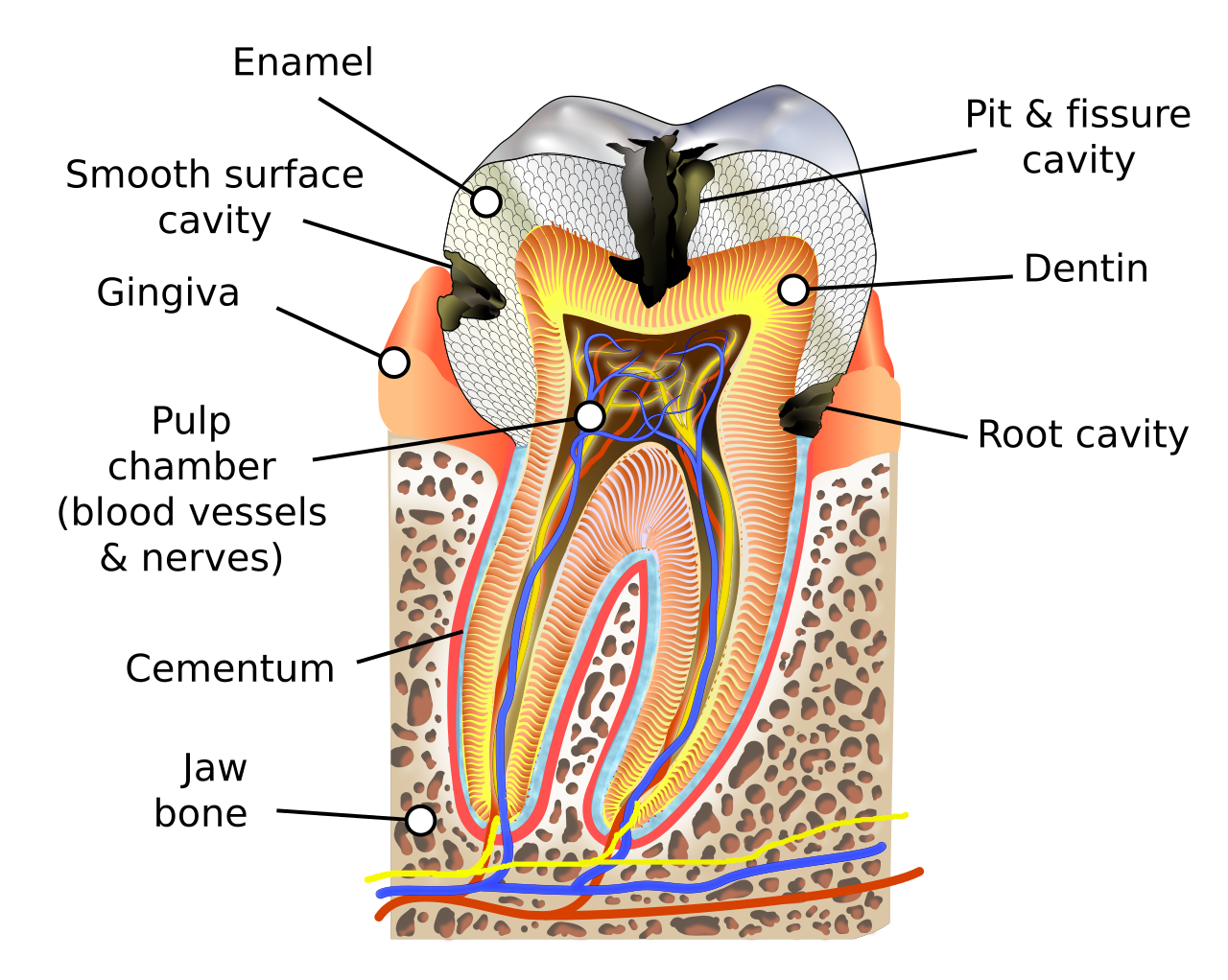
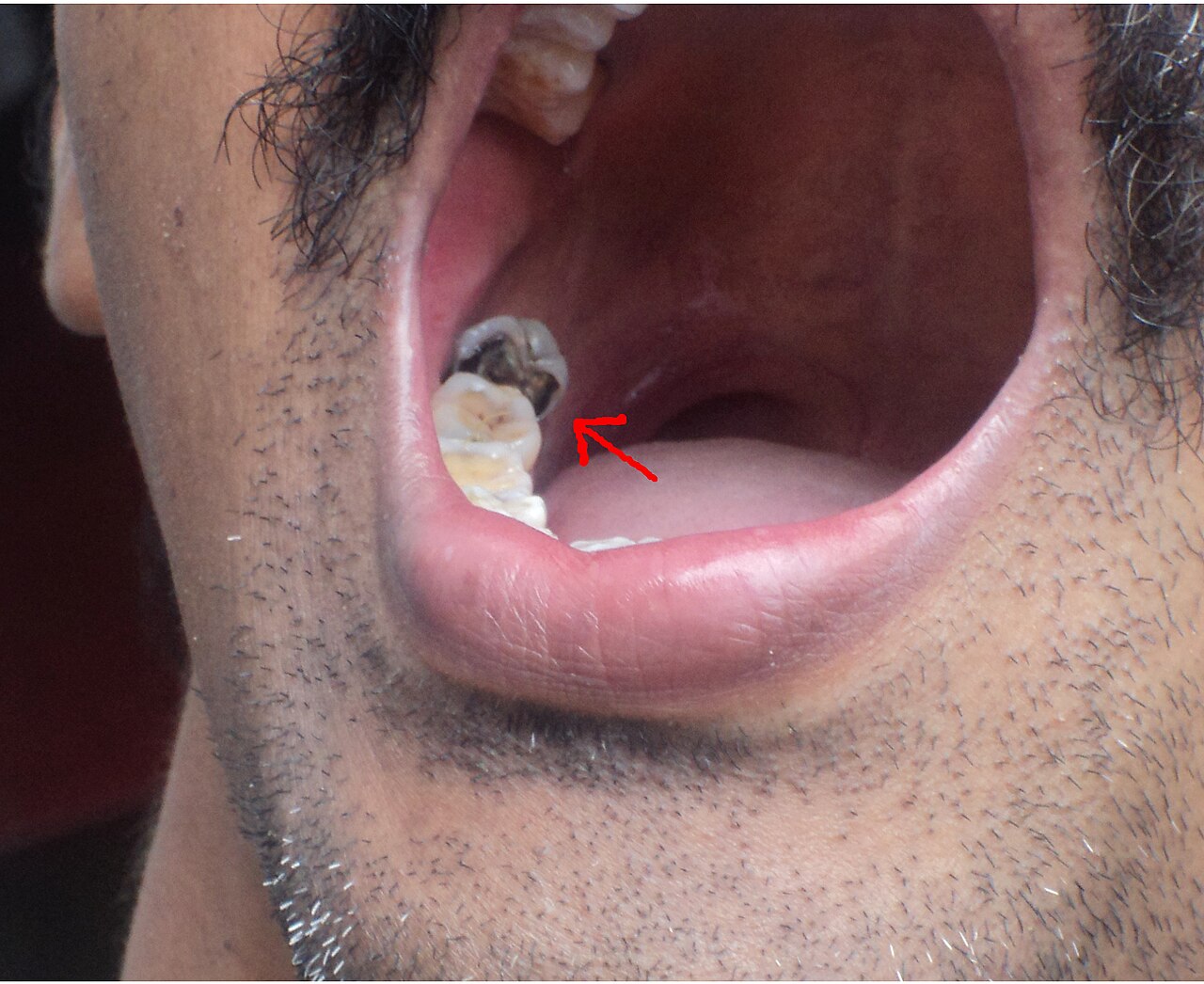
Bacterial acid destroys tooth hard tissues, causing cavities.

தகவலுழவன் · CC BY-SA 3.0
Tooth decay, also known as caries (from Latin for 'rottenness'), is the breakdown of teeth due to acids produced by bacteria. It is a widespread disease affecting billions of people globally, causing cavities, pain, and potential complications such as infection or tooth loss.
- Field
- Dentistry, Oral Health
- Known for
- Breakdown of teeth by bacterial acid, leading to cavities
- Global prevalence 2016
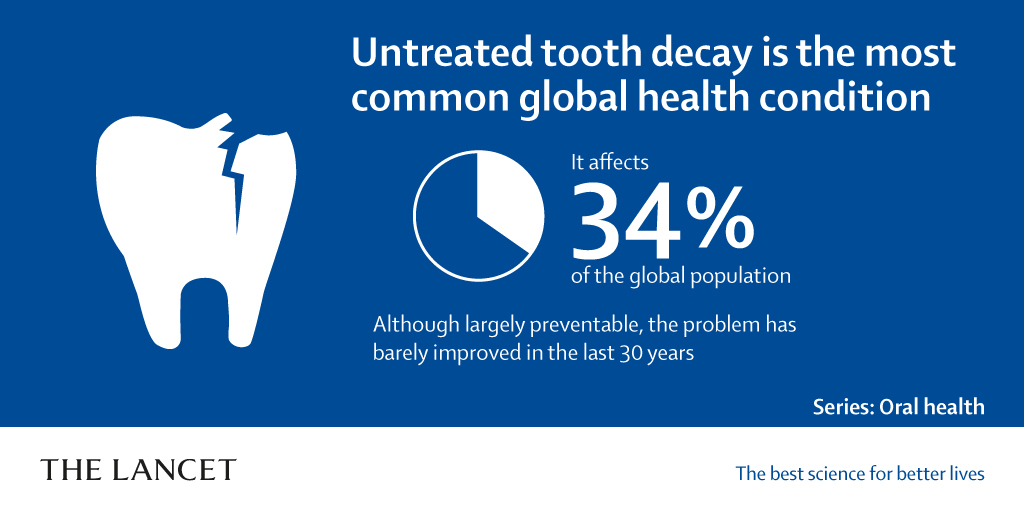
- 3.6 billion people (48% of global population) in permanent teeth
- Global prevalence 2010 baby teeth
- 620 million people (9.02% of global population)
- Primary cause
- Acid from bacteria dissolving enamel, dentin, and cementum
- Key risk factors
- High simple sugar diet, poor oral hygiene, reduced saliva, poverty
Lore & Background
Tooth decay results from acids produced by bacteria, primarily mutans streptococci and lactobacilli, when they break down fermentable carbohydrates like sucrose on tooth surfaces. The acid dissolves enamel, dentin, and cementum, leading to demineralization. If demineralization exceeds remineralization from saliva or fluoride, cavities form. Early signs include chalky white spots; advanced decay causes pain, sensitivity, and possible fracture.
Reader's Guide
Tooth decay is a major global health issue, affecting nearly all adults at some point. Prevention includes regular brushing, flossing, low-sugar diet, and fluoride exposure. Treatment is limited to symptom management, as no method exists to regrow large amounts of tooth. The disease is more common in developed nations due to higher sugar consumption, but treatment access is poor in developing regions. Complications can include periodontal disease, tooth loss, infection, and life-threatening conditions like cavernous sinus thrombosis.
Did You Know?
- Tooth decay is caused by acids from bacteria, primarily Streptococcus mutans and Lactobacillus species.
- A diet high in simple sugars is a major risk factor because bacteria use them as an energy source.
- Fluoride from water, salt, or toothpaste can aid remineralization and help prevent cavities.
- As of 2016, about 3.6 billion people had dental caries in their permanent teeth.
The Four-Part Recipe for Destruction
Tooth decay does not strike randomly; it demands a precise convergence of four elements before it can take hold. A tooth surface—whether enamel or dentin—must be present, along with the specific bacteria capable of producing acid, a supply of fermentable carbohydrates like sucrose, fructose, or glucose, and sufficient time for the process to unfold. In practice, these ingredients interact through dental plaque, a biofilm that adheres to the tooth and matures into a cariogenic community. The principal offenders are the mutans streptococci, especially Streptococcus mutans and Streptococcus sobrinus, alongside lactobacilli. When these microbes metabolize sugars, they release acids, predominantly lactic acid, which dissolve the hard mineral tissues of the tooth. Whether decay actually takes root depends on a delicate balance: if demineralization outpaces the remineralizing action of saliva, caries results. Individual susceptibility varies widely, shaped by the geometry of one's teeth, daily hygiene habits, and the buffering capacity of the saliva. A sheltered environment that allows the biofilm to flourish is the final ingredient that tips the scales toward destruction.
The Slow Unraveling: From White Spot to Wreckage
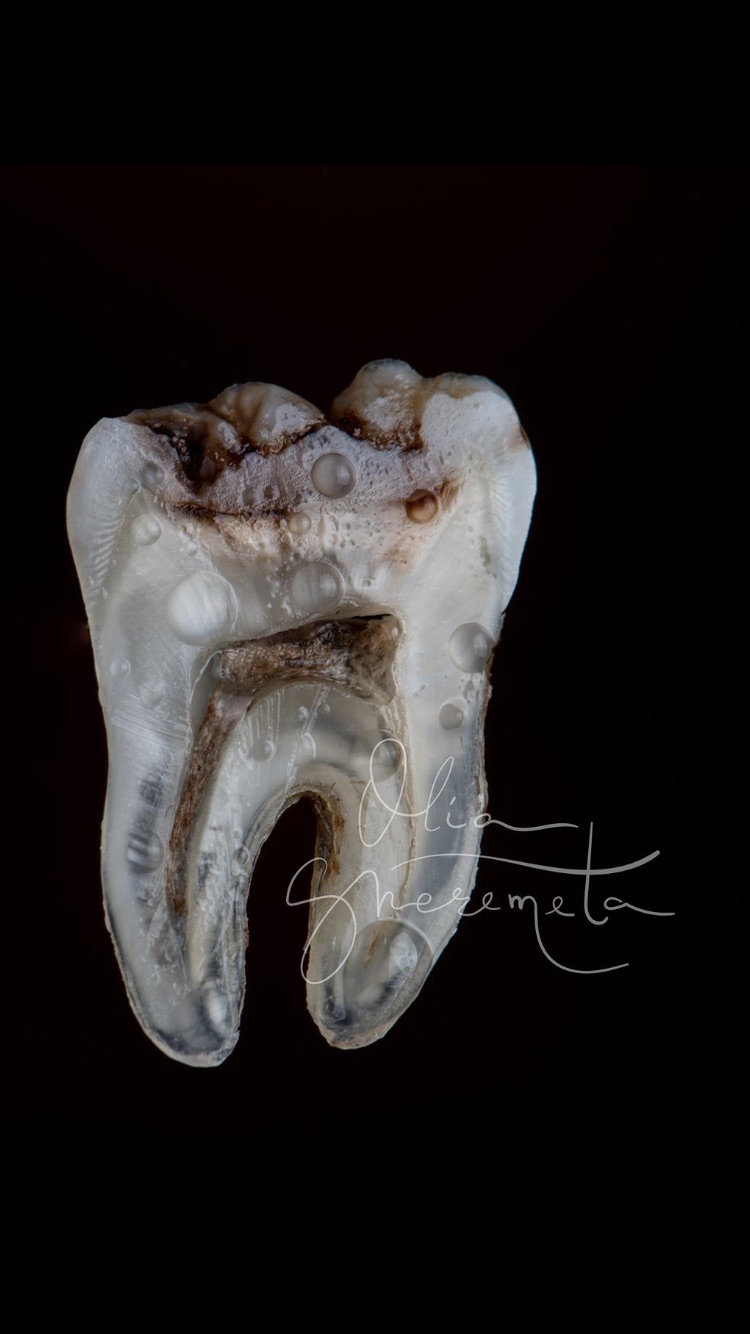
The first whisper of decay is deceptively quiet: a chalky white spot on the enamel surface, marking where mineral content has begun to erode. Dentists call this a white spot lesion, an incipient carious lesion, or a micro-cavity. If unchecked, the spot darkens toward brown before the surface caves in to form a true cavity. A dark brown, glossy patch actually signals arrested decay—the damage has stopped but left a permanent stain—whereas active lesions appear paler and matte. As enamel and dentin give way, the tooth surface softens under a fingertip. Once the protective shell is breached, dentinal tubules open a direct highway to the nerve, and the patient feels sharp, transient pain triggered by heat, cold, or sweetness. A tooth hollowed out by extensive internal decay can shatter under the ordinary pressure of chewing. When bacteria finally overwhelm the pulp at the tooth's core, the pain shifts from intermittent to constant. Eventually the pulp dies, infection sets in, and the tooth loses its hot-and-cold sensitivity but becomes achingly tender to pressure. In the most advanced cases, infection can spread into surrounding soft tissues, producing life-threatening emergencies such as cavernous sinus thrombosis or Ludwig angina.
Shielding the Teeth: Prevention and the Limits of Repair
Preventing dental caries rests on a few well-established pillars: regular professional cleanings, a diet that keeps simple sugars to a minimum, and consistent low-level fluoride exposure. Brushing twice a day and flossing once a day form the daily routine most clinicians recommend. Fluoride can be drawn from drinking water, fortified salt, or toothpaste. An often-overlooked strategy is treating a mother's own cavities, since reducing her bacterial load can lower the risk of passing cariogenic organisms to her children. Early screening helps catch lesions before they require invasive intervention. When decay has already taken hold, treatment ranges from restoring the tooth to proper function to outright extraction, depending on how much structure remains. For pain, over-the-counter paracetamol or ibuprofen can provide relief. Yet a sobering truth underlies all of this: there is no known method to regrow large amounts of tooth structure. Stem cell research is actively exploring regeneration, but current clinical options remain limited to managing symptoms. Risk is amplified by conditions that reduce saliva flow—diabetes mellitus, Sjögren syndrome, and certain medications such as psychostimulants, antihistamines, and antidepressants—making prevention all the more critical.
A Global Epidemic with Social Roots
By 2016, roughly 3.6 billion people—nearly half the world's population—carried dental caries in their permanent teeth, and the World Health Organization estimates that virtually every adult will experience the condition at some point in life. Among children, the burden is substantial as well: in 2010, approximately 620 million people, or about nine percent of the global population, had decay in their baby teeth. A 2009 report by Bagramian and colleagues noted that caries was becoming more prevalent in both age groups. Paradoxically, the disease is most common in the developed world, where high consumption of simple sugars fuels bacterial acid production, yet it remains less common in the developing world. Socioeconomic position plays a decisive role: people at the lower end of the income scale are disproportionately affected, largely because of limited dental education, poor access to professional care, and the high cost of treatment. Poverty, inadequate oral hygiene, and receding gums that expose tooth roots all compound the risk. The World Health Organization has flagged that the availability of treatment in the developing world is often poor, meaning that for many, a cavity is not a treatable inconvenience but a slow, painful loss of function.
Gallery

Frequently Asked Questions
What is Tooth decay?
Tooth decay, medically called caries, is the progressive breakdown of a tooth's hard tissues caused by acids secreted by mouth bacteria. It is the leading cause of cavities and, if left unchecked, can lead to infection or complete tooth loss.
How does Tooth decay actually work?
Bacteria in the mouth metabolize sugars and release acid, which gradually dissolves enamel, then dentin, and finally cementum. This chemical erosion is what creates the hollowed-out cavity that characterizes the condition.
How widespread is Tooth decay?
As of 2016, roughly 3.6 billion people—about 48 percent of the world's population—have cavities in their permanent teeth. Among children with baby teeth, the 2010 figure was around 620 million, or about 9 percent of the global population.
What are the main risk factors for developing Tooth decay?
A diet heavy in simple sugars, inadequate brushing and flossing, reduced saliva flow, and poverty-related barriers to dental care are the primary drivers. These factors either feed the acid-producing bacteria or weaken the tooth's natural defenses.
What are the worst-case outcomes of untreated Tooth decay?
If the cavity progresses deep enough, it can trigger a painful infection that spreads beyond the tooth, and ultimately the tooth may need to be extracted. In severe cases, the infection can compromise surrounding bone and soft tissue.
More in Injuries And Conditions 1-24
Spotted an error? Know more?
Reader corrections go straight into our review queue. Suggest an edit · How this site is sourced