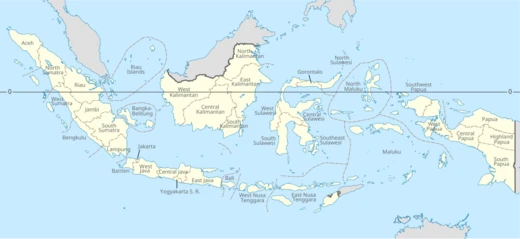
Riau
Wealthy Indonesian province on Sumatra's east coast.

Gunkarta · Public domain
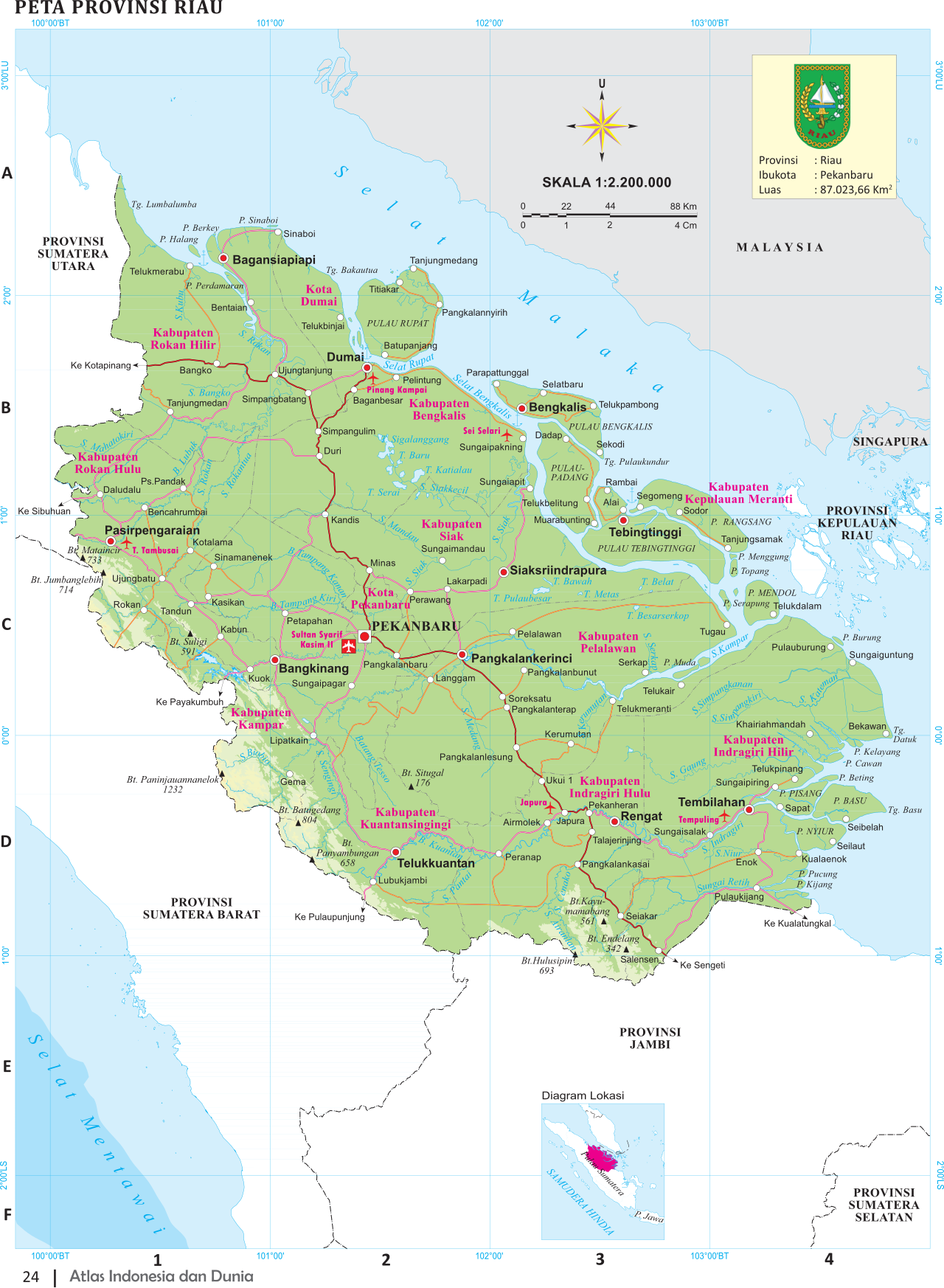
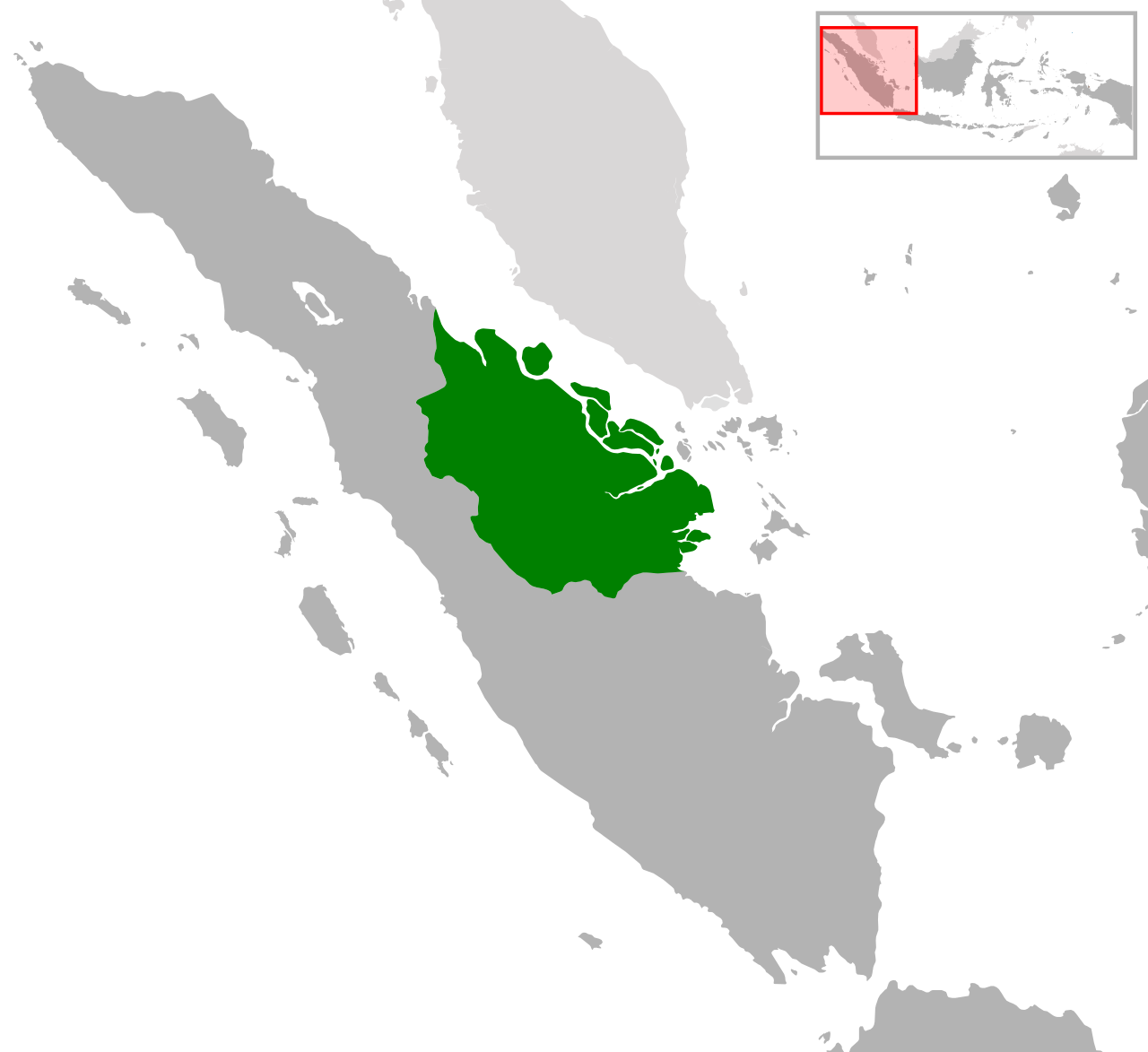
Riau is a province of Indonesia located on the central eastern coast of Sumatra, extending from the Barisan Mountains to the Malacca Strait. Historically part of various monarchies and sultanates, it became a province in 1957 and is one of Indonesia's wealthiest regions due to its natural resources.
Quick Facts
- Official Name
- Province of Riau / id · Provinsi Riau
- Shield Link
- Armorial of Indonesia#Provincial
- Shield Size
- 80
- Nickname
- ms · Bumi Lancang Kuning / بومي لنچڠ كونيڠ / "Land of Yellow Lancang"
- Motto
- ms · Bumi Bertuah Negeri Beradat / بومي برتواه نڬري برادت / "Ground of Fortunes, Land of Customs"
- Established Title
- Province status
- Established Date
- 10 August 1957
- Seat Type
- Capital / and largest city
Facts from the source article.
Lore & Background
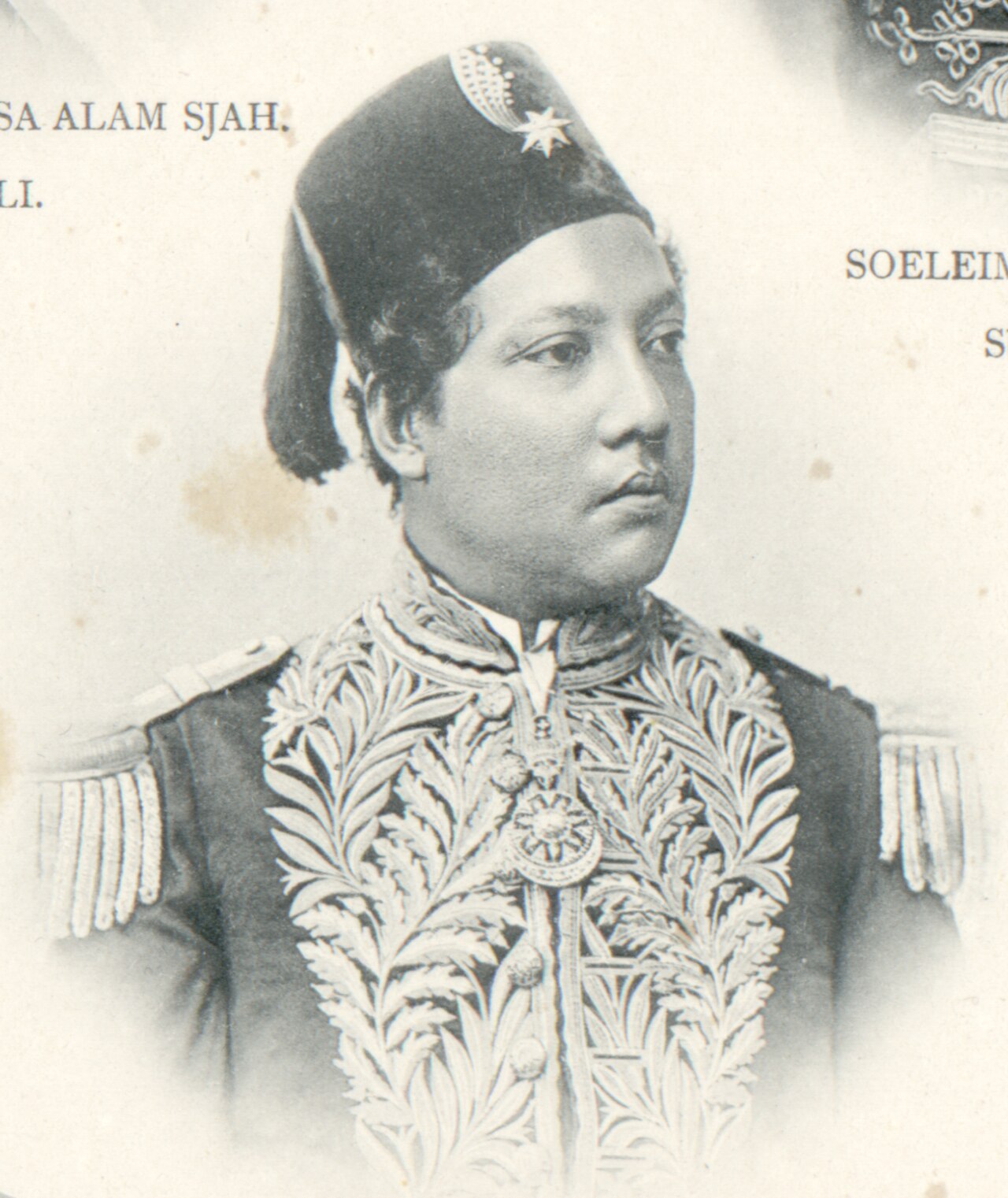
Riau has been inhabited since prehistoric times, with stone tools from the Pleistocene era found in the Sengingi River area. Historically, it was part of the Buddhist Srivijaya Empire, evidenced by the Muara Takus temple complex from the 11th-12th century. After the spread of Islam in the 14th century, the region came under Malay sultanates such as Siak Sri Indrapura, Indragiri, and Johor, which later became Dutch protectorates.
Reader's Guide
Riau is significant as a major economic hub in Indonesia, rich in petroleum, natural gas, rubber, palm oil, and fibre plantations. Its history reflects the transition from Buddhist and Hindu-Buddhist empires to Islamic sultanates and colonial rule. The province is ethnically diverse, with Malays forming one-third of the population alongside Javanese, Minangkabau, Batak, and Chinese communities. The Riau dialect of Malay serves as a lingua franca, while Indonesian is the official language. Extensive logging and plantation development have led to deforestation and haze issues. The etymology of 'Riau' is uncertain, with possible origins from Portuguese 'rio' (river), Arabic 'riahi' (sea water), or Malay 'riuh' (crowded).
Did You Know?
- Riau is the second-largest province on Sumatra after South Sumatra.
- The Muara Takus Buddhist temple complex in Kampar Regency is believed to be from the Srivijaya empire, c. 11th-12th century.
- The province's name may derive from Portuguese 'rio', Arabic 'riahi', or Malay 'riuh'.
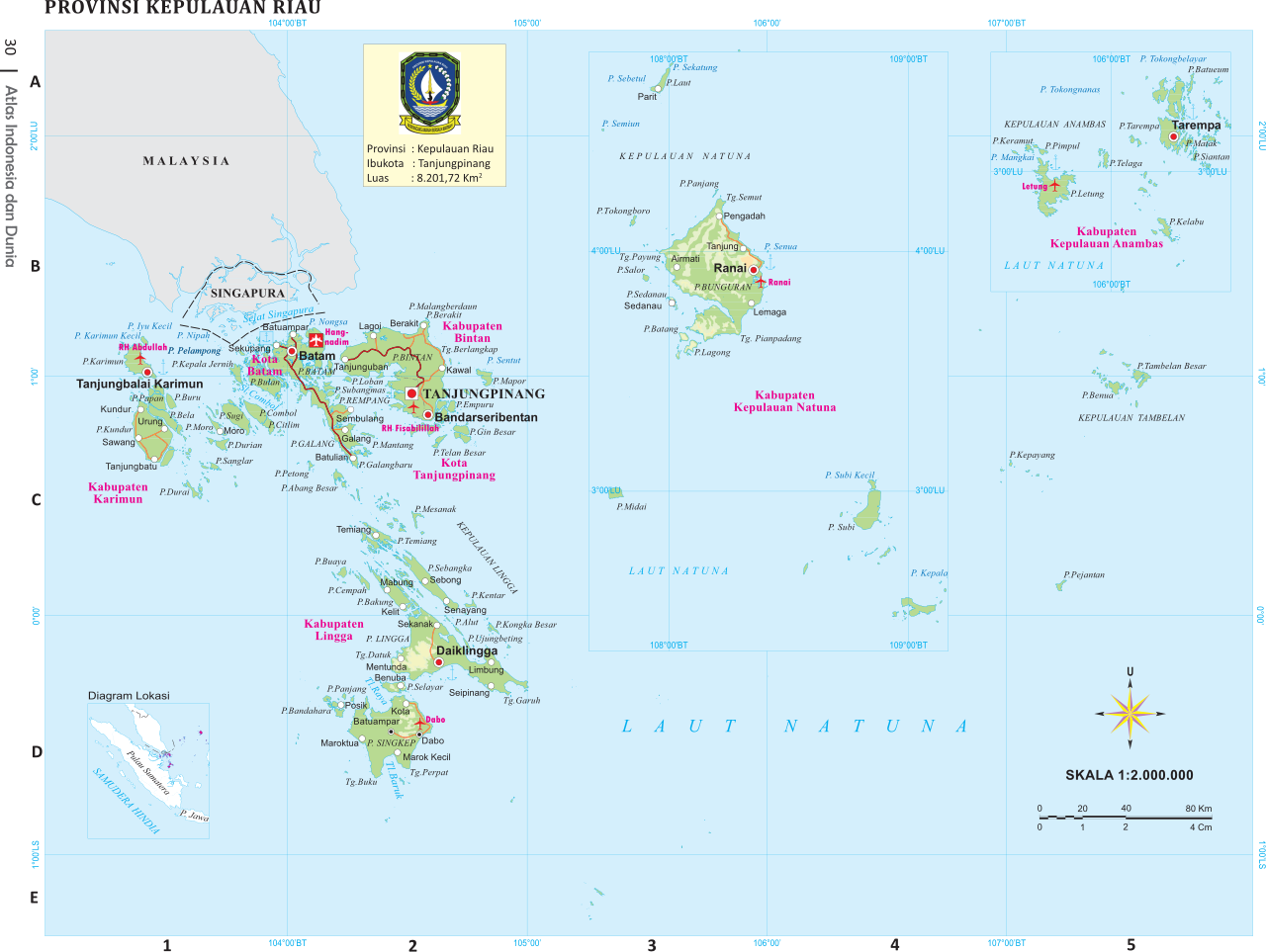
- Riau included the Riau Islands until 2004.
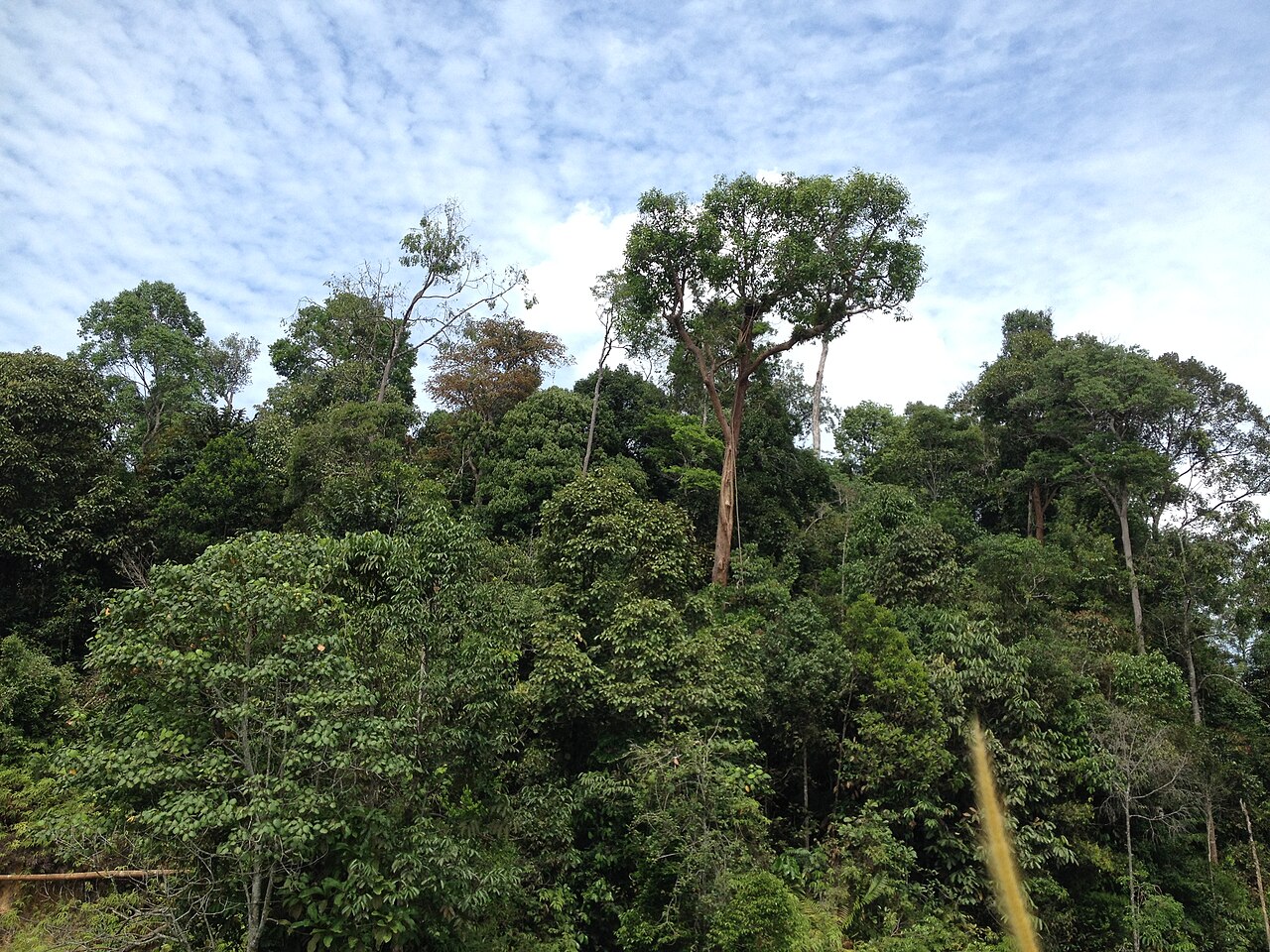
The Unprecedented Scale of the 2026 Fire Season
By mid-August 2026, Indonesian authorities had confirmed that roughly 202,000 hectares of forest and land had been consumed by fire across the archipelago, a figure announced by Forestry Minister Raja Juli Antoni. Earlier data from the Ministry of Forestry, relayed through Reuters, already showed 107,465 hectares burned between January and June alone—a 110 percent jump over the same window in 2023, the last year El Niño struck Indonesia. The geographic reach was staggering: beyond the six priority provinces flagged for intensified fire prevention and response (Riau, Jambi, South Sumatra, West Kalimantan, Central Kalimantan, and South Kalimantan), blazes were also documented on Java, in Papua, and across the Lesser Sunda Islands. The Ministry's Sipongi monitoring system tracked the ten worst-affected provinces by burned area, underscoring that this was not a localized event but a nationwide emergency spanning multiple island groups and ecosystems simultaneously.
How Peatlands and Plantation Practices Fuel the Flames
The 2026 fires were not simply a weather event. While the developing 2026–2027 El Niño and the accompanying dry season reduced rainfall and dried out vegetation, experts stressed that these climatic factors acted as catalysts rather than direct causes. The primary driver was human activity: large-scale clearing of forest for plantation and mining operations left landscapes extremely vulnerable to ignition. Open burning, long regarded as the cheapest and quickest way to clear land, paradoxically produced the greatest economic and environmental losses. A particularly insidious practice involved digging drainage canals to drain water-storing peatlands for palm oil cultivation. Once dried, these peat deposits became fuel for subsurface smoldering fires that are notoriously resistant to extinguishing, setting the stage for recurring blazes year after year. Illegal logging compounded the problem by stripping vegetation cover and accelerating soil desiccation, creating conditions in which even a small spark could ignite a catastrophic, long-burning fire.
Corporate Concessions and the Accountability Gap
Environmental watchdog Walhi published data showing that 74 percent of all fire hotspots recorded in Kalimantan during the 2026 season fell inside corporate concession boundaries. The breakdown was striking: 10,739 hotspots sat within oil-palm plantation Right-to-Cultivate (HGU) zones, 7,880 appeared in mining concession areas, and 6,905 were located in Forest Utilization Business Permit (PBPH) territories. National Geographic Indonesia pointed to a deeper structural problem—a persistent conflict of interest between commercial operators and political actors—that allowed land fires to recur season after season without comprehensive resolution. In response, the Ministry of Environment announced it was investigating 19 unnamed companies connected to the wildfires, drawn from a broader pool of 42 concession holders identified as carrying high wildfire potential. The fact that the companies remained unnamed at the time of reporting highlighted how opaque the accountability process remained, and how the legal and political machinery for enforcing environmental compliance still lagged far behind the scale of the destruction.
Regional Devastation: From Riau's Peatlands to Papua's Strategic Projects
The ecological toll varied sharply by region but was severe everywhere. In Riau, 15,477 hectares went up in flames between January and August, with the overwhelming majority being peatland—making suppression especially difficult. South Sumatra's Way Kambas National Park lost 2,685 hectares of protected jungle and rehabilitation zone in late January, and the fires kept flaring in at least twenty separate spots through July. On Java, a blaze that erupted on August 3 inside Bromo Tengger Semeru National Park consumed 1,120 hectares and was not fully extinguished until August 14, with the park reopening to visitors only on August 20. Papua bore a different kind of burden: 25,838 hectares burned in South Papua, driven largely by massive land clearing tied to National Strategic Projects including food estates, palm oil plantations, and mining. In Kalimantan, West Kalimantan logged 200 confirmed fire spots across twelve regencies, while Central Kalimantan recorded 570 hotspots covering 3,657 hectares by mid-August.
Gallery
Frequently Asked Questions
What is Riau?
Riau is a province on Sumatra's eastern coastline in Indonesia, spanning from the Barisan Mountains in the interior out to the Malacca Strait. It is widely regarded as one of the nation's most resource-rich and economically powerful regions.
When and how did Riau become a province?
The region was governed for centuries by a succession of sultanates and monarchies before being formally designated as a province on 10 August 1957. That date marks the start of its current administrative identity within the Republic of Indonesia.
Why is Riau considered so wealthy?
Its geography gives it access to rich deposits of minerals, oil, and other natural resources, which have made it consistently one of Indonesia's top-grossing provinces. The combination of land and coastal resources underpins much of its economic clout.
What is Riau's capital and largest city?
Pekanbaru holds both titles, serving as the provincial seat of government and the most populous urban centre. It anchors the region's commerce, education, and transport networks.
Who are the main ethnic groups in Riau?
Malay, Javanese, Minangkabau, Batak, and Chinese communities make up the core of the roughly 6.8 million residents (2025 estimate). This mix reflects centuries of migration and trade along Sumatra's east coast.
More in Indonesian Provinces 1-19
Spotted an error? Know more?
Reader corrections go straight into our review queue. Suggest an edit · How this site is sourced