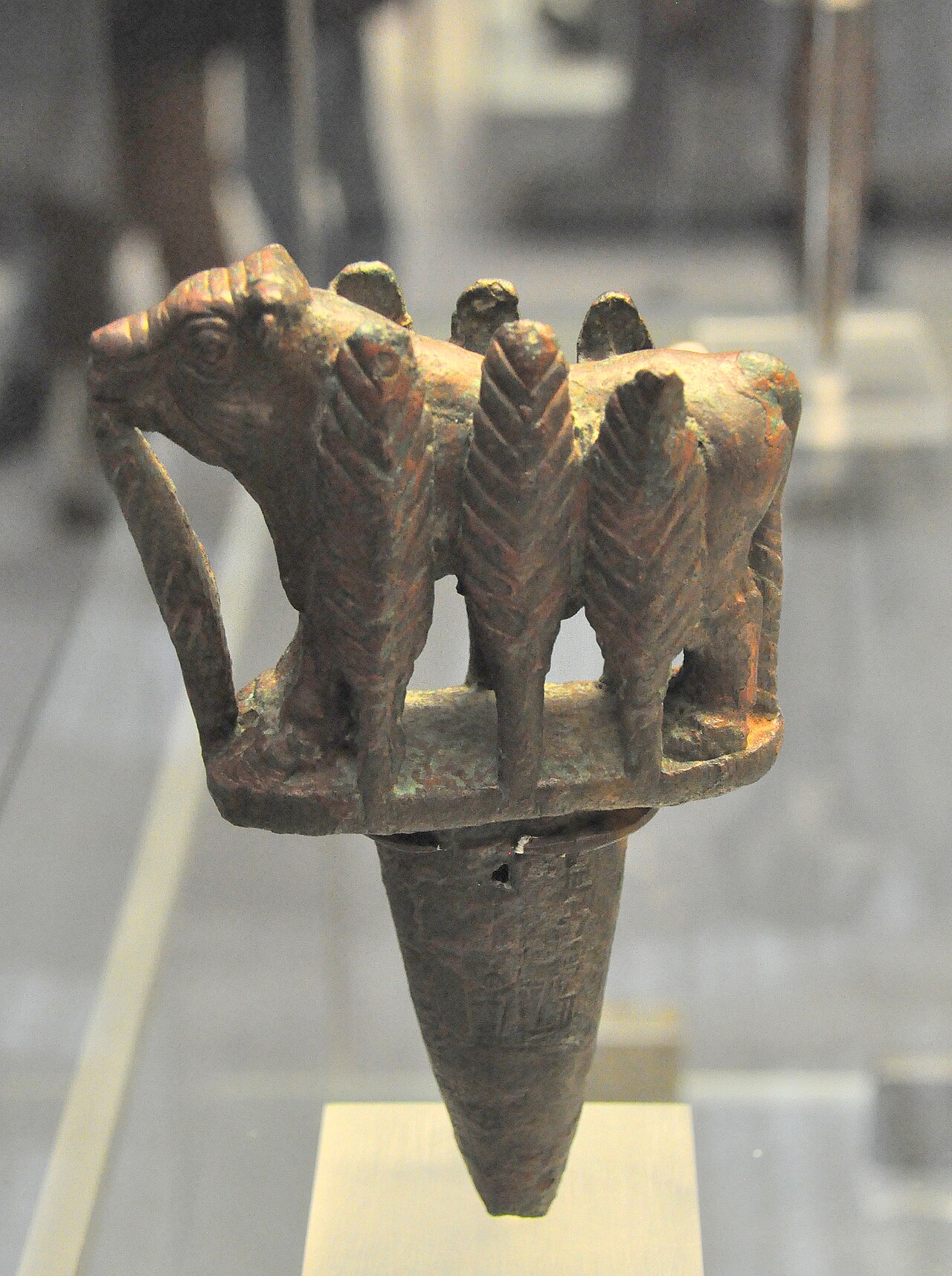
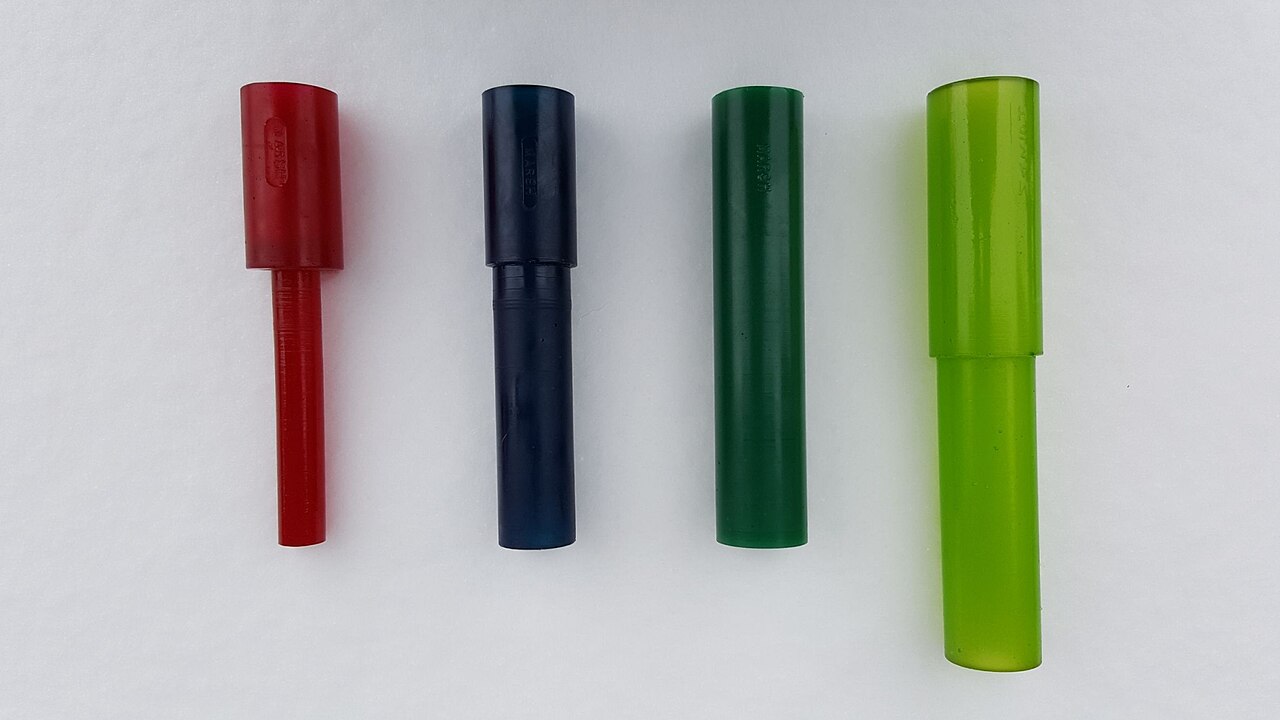
Marsh peg
Goal anchoring system used in NHL since 1991.

Osama Shukir Muhammed Amin FRCP(Glasg) · CC BY-SA 4.0
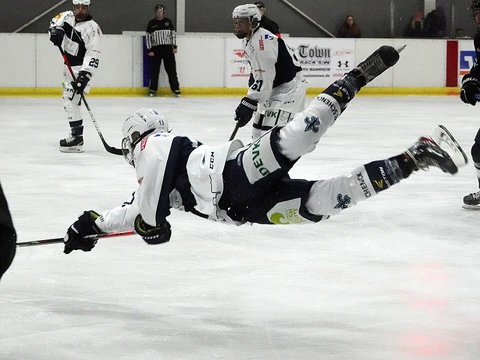
Fred Marsh, a Canadian Zamboni driver who worked at rinks across western Canada, invented the Marsh peg in the 1980s. He wanted a goal anchor that could flex to absorb a player’s impact but still hold the net firmly in place. The pegs first saw use in Moose Jaw, Saskatoon, and Kitimat before spreading through the Western Hockey League. In 1991, the NHL adopted them as the standard; they have also been used in the Winter Olympics since 1998 and in World Cup games. Marsh received the Ernest C. Manning Innovation Award in 2000 for his invention. After his death in 2016, Don Cherry mentioned him on *Hockey Night in Canada*. A controversy arose in 2013 when Steven Stamkos broke his right leg after hitting a net during a game between Tampa Bay and Boston. Some players argued the net came off its moorings too easily, but Marsh disagreed, saying the net behaved correctly and that overhead replays showed the goalpost had already been dislodged before Stamkos’ leg struck it.
- Inventor
- Fred Marsh
- First used
- Moose Jaw and Saskatoon, Saskatchewan, Canada; Kitimat, British Columbia
- Nhl adoption
- 1991
- Olympic use
- 1998
- Award
- Ernest C. Manning Innovation Award (2000)
Lore & Background
Fred Marsh (1934–2016) was a Canadian Zamboni driver who worked at various hockey arenas in western Canada. He invented the pegs in the 1980s, aiming to create a product that was flexible enough to absorb shock when a player hit the net yet strong enough to keep the net in place. The pegs were first used in Moose Jaw and Saskatoon, Saskatchewan, as well as Kitimat, British Columbia, before spreading throughout the Western Hockey League.
In 1991, the NHL made Marsh Pegs the standard. They have been used in the Winter Olympics since 1998 and also in World Cup games. In 2000, Marsh won the Ernest C. Manning Innovation Award for his invention. After his death in 2016, Marsh was mentioned on the television show Hockey Night in Canada by Don Cherry.
A controversy arose in 2013 when Steven Stamkos broke his right leg after colliding with a net during a match between Tampa Bay and the Boston Bruins. Some players claimed that the net came off the moorings too easily. Marsh disagreed, insisting that the net reacted the way it should and that the overhead replay showed the goalpost had been dislodged prior to Stamkos' leg colliding with the net.
Reader's Guide
Marsh pegs represent a significant innovation in ice hockey equipment, balancing player safety with game integrity. Their adoption by the NHL in 1991 established them as the standard anchoring system at the highest level of professional hockey. The pegs' design—flexible enough to absorb impact yet strong enough to hold the net in place—addressed a longstanding challenge in the sport. Their use expanded to the Winter Olympics in 1998 and World Cup games, cementing their global reach. The invention earned Fred Marsh the Ernest C. Manning Innovation Award in 2000, recognizing his contribution to hockey technology. The 2013 incident involving Steven Stamkos sparked debate about the pegs' performance, with Marsh defending the design based on video evidence. The controversy highlighted the ongoing tension between safety and equipment functionality in professional hockey. Marsh's background as a Zamboni driver underscores the grassroots origins of the invention, which started in minor hockey arenas in Saskatchewan and British Columbia before reaching the NHL.
Did You Know?
- Fred Marsh was a Zamboni driver before inventing the pegs.
- Don Cherry mentioned Marsh on Hockey Night in Canada after his death.
The Zamboni Driver's Invention
Fred Marsh, a Canadian who spent his working years driving Zamboni machines at hockey arenas across western Canada, is the man behind one of the sport's most quietly essential pieces of equipment. In the 1980s, Marsh set out to solve a persistent problem: goal nets needed to be flexible enough to absorb the shock of a player crashing into them, yet rigid enough to stay firmly anchored to the ice. The result was a goal anchoring system he called Marsh Pegs. The design first saw practical use in the Western Hockey League, taking hold in Moose Jaw and Saskatoon in Saskatchewan as well as Kitimat in British Columbia. From those early rinks, the pegs gradually spread throughout the WHL, proving their worth in junior hockey before catching the attention of the sport's top league. What began as a practical fix from a man who knew the ice from the driver's seat of a resurfacer would eventually become the universal standard for anchoring goals in professional hockey.
From Junior Rinks to the World Stage
The path from a Zamboni driver's workshop to the most prestigious stages in ice hockey was neither instant nor guaranteed. After proving themselves in WHL arenas across Saskatchewan and British Columbia, Marsh Pegs earned the trust of the National Hockey League, which adopted them as its official standard in 1991. That decision meant every NHL game from that season forward featured the same anchoring system Marsh had designed. The reach extended well beyond North America: the Winter Olympics began using Marsh Pegs starting with the 1998 Games, and the system also appeared in World Cup of Hockey matchups. In other words, the small metal pegs that hold a goal to the ice became a fixture at the highest level of competition the sport offers. For a product born in the practical concerns of a man who spent his days smoothing ice in western Canadian rinks, the trajectory from local junior hockey to Olympic and World Cup ice represents a remarkable arc of quiet, functional success.
Recognition and a Belated Tribute
Fred Marsh's contribution to hockey was not always celebrated during his lifetime, though it did receive a significant formal honor. In 2000, he was presented with the Ernest C. Manning Innovation Award, recognizing his peg system as a meaningful advancement in the sport's equipment. Marsh, who passed away in 2016, had spent most of his career in a role that rarely draws headlines: driving a Zamboni at various arenas throughout western Canada. It was only after his death that a wider hockey audience was reminded of his name. Don Cherry, the legendary broadcaster, took to the airwaves on Hockey Night in Canada to mention Marsh and his invention, ensuring that millions of viewers learned about the man behind the pegs. The contrast between Marsh's humble daily work and the global reach of his creation underscores a common truth in hockey's infrastructure: the people who build and maintain the game's physical environment often remain invisible to fans, their contributions embedded in the ice itself rather than in the box score.
The Stamkos Incident and the Design Debate
No piece of hockey equipment is immune to scrutiny when a player is seriously injured, and Marsh Pegs faced a high-profile challenge in 2013. During a game between the Tampa Bay Lightning and the Boston Bruins, Steven Stamkos suffered a broken right leg after colliding with a goal net. In the aftermath, several players publicly questioned whether the net had detached from its moorings too easily, implicitly casting doubt on the anchoring system's reliability. Marsh himself pushed back firmly against that narrative. He maintained that the net had reacted exactly as it was designed to and pointed to overhead replay footage showing that the goalpost had already been dislodged before Stamkos's leg made contact with the net. The incident highlighted an inherent tension in the peg's design philosophy: it must yield enough to protect a player from the full force of a collision while still holding the structure in place. Marsh's insistence that the system performed as intended, even in the face of a career-threatening injury to a star player, speaks to the difficulty of designing for safety in a sport where bodies and steel meet at high speed.
Gallery
Frequently Asked Questions
What is a Marsh peg in ice hockey?
A Marsh peg is a flexible goal-anchoring system that lets the net bend slightly when a player crashes into it while still keeping the goal firmly planted on the ice. It was designed to replace rigid anchors that could snap or shift under impact.
Who invented the Marsh peg?
Fred Marsh, a Canadian Zamboni driver who worked at rinks across western Canada, created the design in the 1980s. His goal was to build a goal anchor that could flex to absorb a player's hit yet hold the net steady.
When did the NHL start using Marsh pegs?
The NHL adopted the Marsh peg as its standard goal-anchoring system in 1991. Before that, the pegs had already been in use at rinks in Moose Jaw, Saskatoon, and Kitimat and had spread throughout the Western Hockey League.
Are Marsh pegs used in international hockey?
Yes, the pegs have served as the standard goal anchor at the Winter Olympics since 1998. They are also the anchoring system used in World Cup of Hockey games.
What award did Fred Marsh receive for the Marsh peg?
In 2000, Fred Marsh was honored with the Ernest C. Manning Innovation Award for creating the flexible goal-anchoring system. He passed away in 2016, but his invention remains a staple of professional hockey to this day.
More in Ice Hockey Equipment 1-24
Spotted an error? Know more?
Reader corrections go straight into our review queue. Suggest an edit · How this site is sourced