Glove (ice hockey)
Protective handwear for skaters and specialized gloves for goaltenders.

Ailura · CC BY-SA 3.0 at
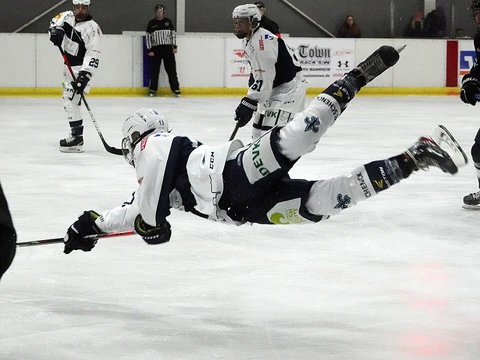
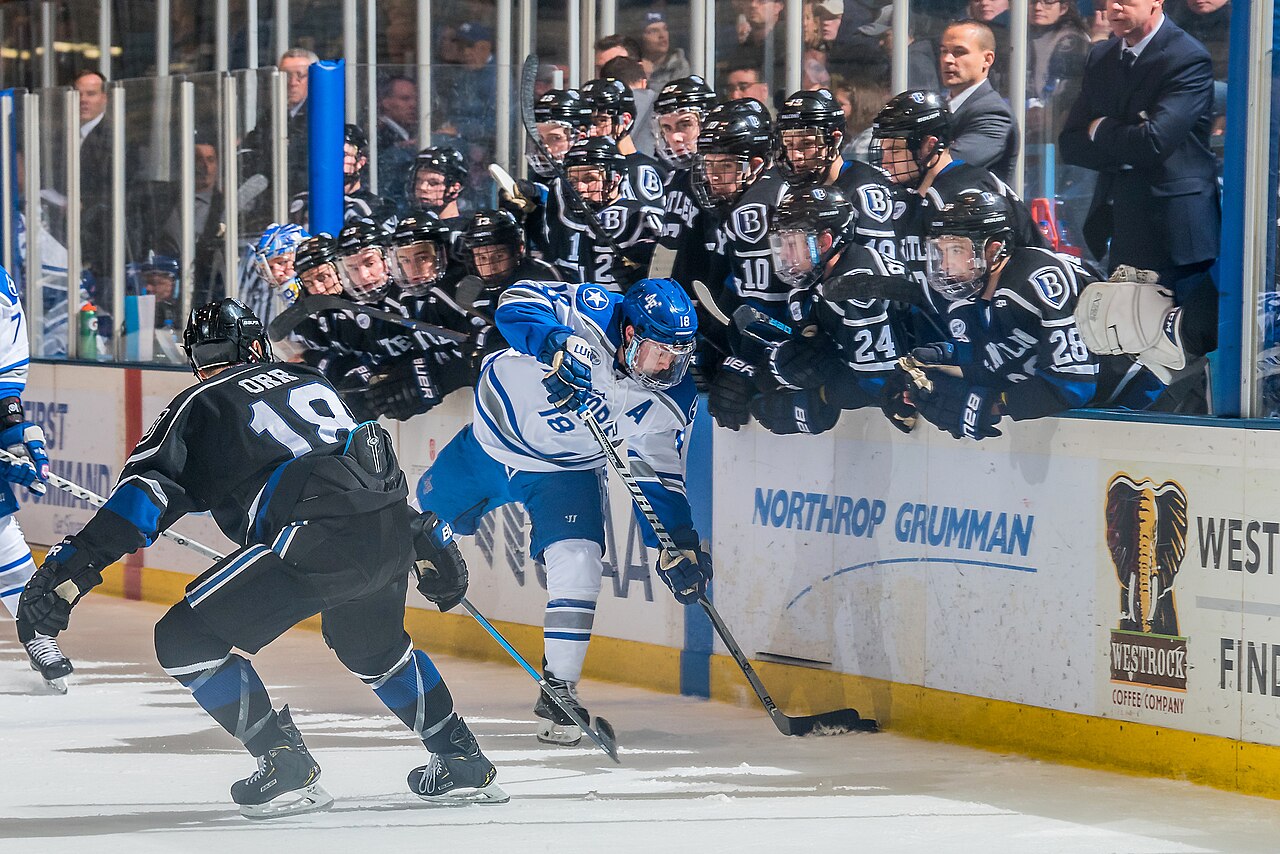
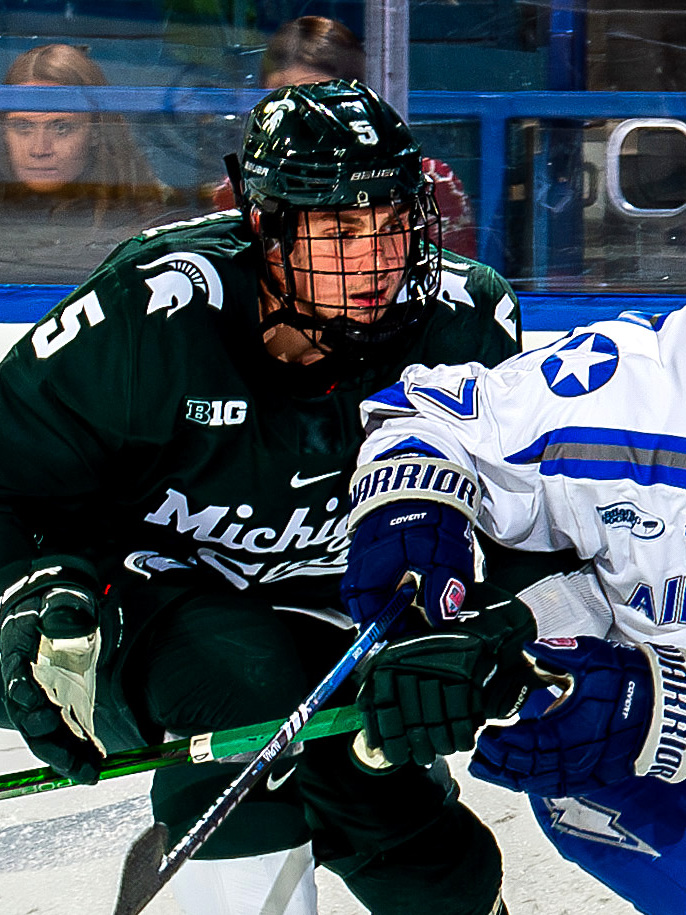
Ice hockey gloves are protective handwear worn by players. Skaters wear similar gloves on each hand, while goaltenders wear different types of gloves on each hand. The gloves help prevent the hands from getting bruised and battered and stop them from being burned by the ice.
- Skaters' glove sizes
- Youth: 8 in, 9 in, 10 in; Junior: 11 in, 12 in; Senior: 13 in, 14 in, 15 in
- Nhl blocker width limit
- 8 in
- Nhl blocker length limit
- 15 in
- Nhl trapper perimeter limit
- 45 in
- Nhl trapper widest part limit
- 18 in
Lore & Background
Skaters' gloves come in two main styles. The traditional four-roll style has more room inside, giving a looser feel and less resistance in the fingers and hands. The natural or anatomical fit glove is tighter, designed to become an extension of the player's hand, with tapered ergonomic design for better wrist mobility and range of motion. Gloves are available in youth, junior, and senior sizes.
Goaltenders wear a blocker on their stick hand, featuring a large pad across the back of the forearm that extends just beyond the wrist, used to deflect shots. On the other hand, called the glove hand, they wear a trapper—a catching glove similar to a baseball glove—used to catch shots and distribute pucks by tossing them. Most goaltenders use their non-dominant hand as the glove hand, like in baseball, though exceptions exist.
Reader's Guide
Gloves are a fundamental piece of ice hockey equipment, serving both protective and functional roles. For skaters, the choice between four-roll and anatomical fit gloves affects comfort, mobility, and feel for the stick. The four-roll style offers a looser, less noticeable fit, while the anatomical style provides a tighter connection to the hand. Goaltenders' gloves are specialized for their position: the blocker deflects shots, and the trapper catches and distributes pucks. National Hockey League rules impose specific size limits on both the blocker and trapper to standardize equipment. The distinction between skaters' and goaltenders' gloves highlights the different demands of each role in the game.
Did You Know?
- Skaters' gloves come in two main styles: four-roll and natural/anatomical fit.
- Goaltenders wear a blocker on their stick hand and a trapper on their glove hand.
- NHL rules limit the blocker to no wider than 8 inches and no longer than 15 inches.
From Bicycles to Blades – The Birth of a Hockey Brand
CCM's story begins not on the ice but in the bicycle sheds of Toronto. In 1899, four major Canadian bicycle makers—H. A. Lozier, Massey-Harris, Goold, and Welland Vale Manufacturing—merged their operations to form Canada Cycle and Motor Limited. The company produced bicycles in the Weston district of Toronto for years and even briefly ventured into automobile production with the Russell car. By 1905, however, the bicycle market had become saturated, and CCM pivoted to a secondary line: hockey equipment. The company repurposed scrap steel left over from its bicycle and auto work to craft the first hockey skates, and from there expanded into other gear. A pivotal moment came in 1937 when CCM acquired the Tackaberry brand from Manitoban maker George Tackaberry. The "Tacks" skate line became the company's signature product and remained so until 2006, when it was eventually replaced by the Vector, U+, and RBZ lines before being resurrected in 2014.
A Chameleon of Ownership – Eight Decades of Corporate Reinvention
CCM's corporate history reads like a series of dramatic handoffs. After Canada Cycle and Motor filed for bankruptcy in 1982, the hockey division was purchased by Sport Maska, a Quebec-based jersey maker originally founded by Gérard Côté in 1936. In 1991, David Zunenshine consolidated his growing portfolio under a Delaware holding company called SLM International, which by 1998 had absorbed brands like Titan, Canadien, Heaton, Koho, and Jofa, making it the world's largest hockey merchandise producer. SLM was renamed The Hockey Company in 1999. Reebok bought the company in 2004, only to be swallowed by Adidas the following year. Adidas then began phasing out the Reebok hockey name starting in 2015, folding those products back under the CCM banner. In 2017, Adidas sold its hockey operations to Birch Hill Equity Partners for roughly $100 million. Most recently, in October 2024, Swedish firm Altor Equity Partners acquired a majority stake, joined in January 2025 by Toronto's Northleaf Capital Partners.
On the Ice and in the Rink – Products, Partners, and Rivals
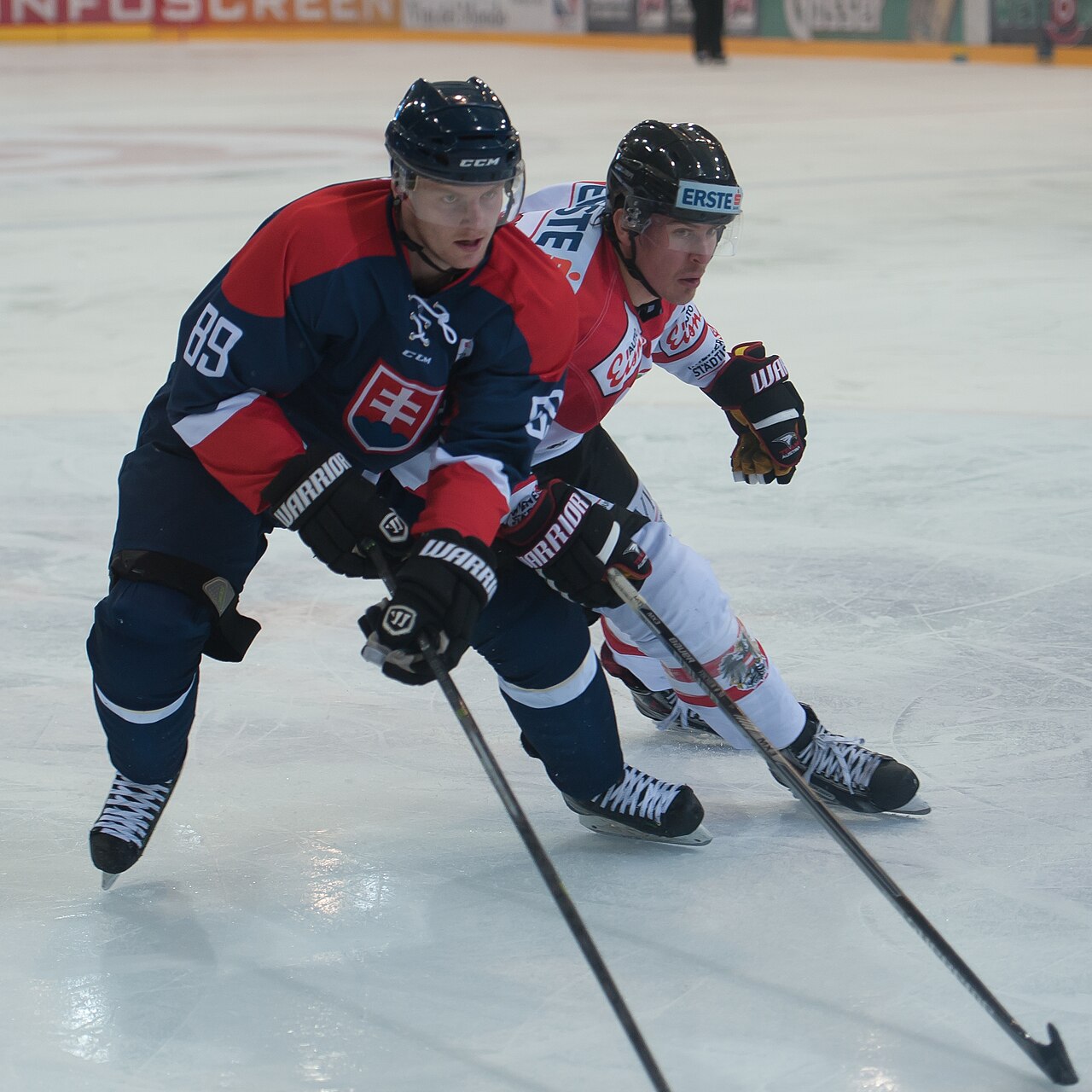
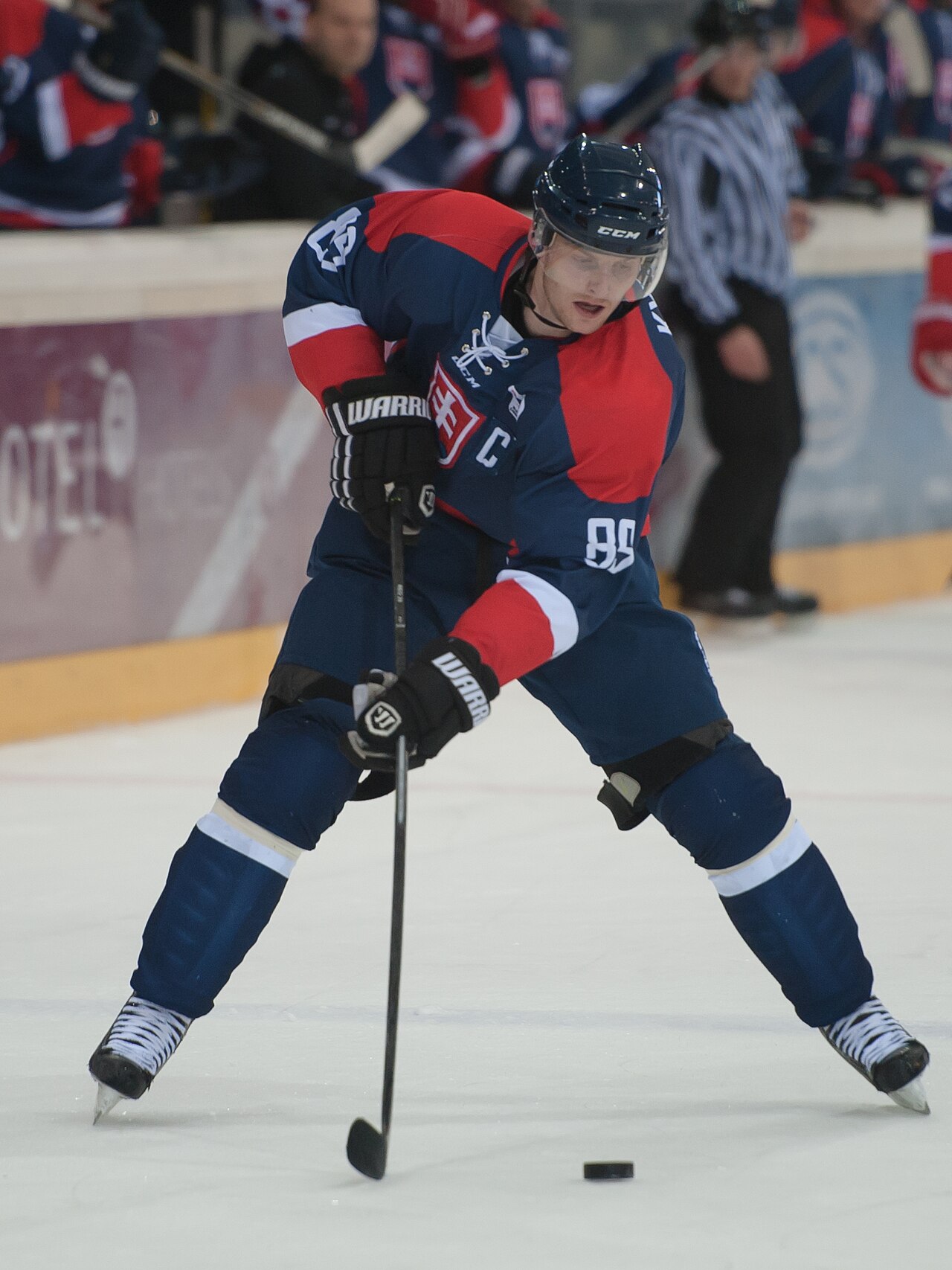
CCM's product catalog spans virtually every piece of gear a hockey player or goaltender might need: sticks, skates, helmets, shoulder and elbow pads, knee pads, throat collars, goaltender masks, pads, and gloves, plus team uniforms for the American Hockey League. The brand competes head-to-head with Bauer Hockey at every price tier, from recreational to professional. CCM served as an official NHL equipment supplier until 2014, and its roster of high-profile endorsers has included Sidney Crosby, Alexander Ovechkin, Patrice Bergeron, Nathan MacKinnon, and Connor McDavid. The company's brand family once extended well beyond the CCM name itself. Titan and Canadien were iconic wooden stick makers in the 1980s and 1990s—Wayne Gretzky famously skated with a Titan 2020 during his Edmonton Oilers years—while Heaton built a reputation for goaltending gear trusted by Martin Brodeur and many other NHL netminders. After Reebok's 2004 acquisition, most of these sister brands were retired in favor of a unified CCM identity.
The Face Behind the Mask – Safety, Innovation, and a Player's Legacy
One of CCM's most meaningful contributions to the sport grew out of personal tragedy. In 1939, NHL player George Parsons suffered a career-ending eye injury that forced him to retire. Rather than walk away from the game, Parsons threw himself into developing safer head and facial protection for hockey players, working closely with CCM. His advocacy and hands-on involvement helped shape the evolution of hockey helmets over the following decades. By early 1976, CCM had produced a complete hockey helmet featuring an eye and face shield along with a lower face protector, earning approval from the Canadian Standards Association and endorsement from the Canadian Amateur Hockey Association. That milestone represented the culmination of nearly four decades of incremental safety improvements, many of them inspired by Parsons' own painful experience. The brand's commitment to player protection became woven into its identity, setting CCM apart as a company that listened to the athletes whose careers depended on the gear hanging in their stores.
Gallery
Frequently Asked Questions
What is an ice hockey glove and what does it do?
An ice hockey glove is a piece of protective handwear that shields a player's hands from bruising, impact damage, and the cold burn of the ice surface. It is a mandatory part of the equipment loadout for every player on the rink.
How do skater gloves differ from goaltender gloves?
Skaters wear a matching pair of gloves, one on each hand, while goaltenders use two completely different gloves: a padded blocker on the catching hand and a larger, more flexible trapper on the catching hand. This split design lets goalies block shots and secure pucks in distinct ways.
What sizes are available for skater hockey gloves?
Youth gloves come in 8, 9, and 10 inches; junior sizes run 11 and 12 inches; and senior sizes top out at 13, 14, and 15 inches. Players typically choose based on hand circumference and personal fit preference.
What size limits does the NHL impose on goalie gloves?
The NHL caps the blocker at 8 inches wide and 15 inches long, while the trapper is limited to a 45-inch perimeter and an 18-inch maximum at its widest point. These rules keep the equipment within a standardized range so goalies cannot gain an outsized advantage.
Why are hockey gloves considered essential rather than optional?
Without gloves, a player's bare hands would quickly suffer bruising from sticks, pucks, and boards, and the extreme cold of the ice would cause painful frostbite-like burns. The gloves act as the first line of defense, allowing players to handle the stick and body-check safely throughout a full game.
More in Ice Hockey Equipment 1-24
Spotted an error? Know more?
Reader corrections go straight into our review queue. Suggest an edit · How this site is sourced