Guardian Cap
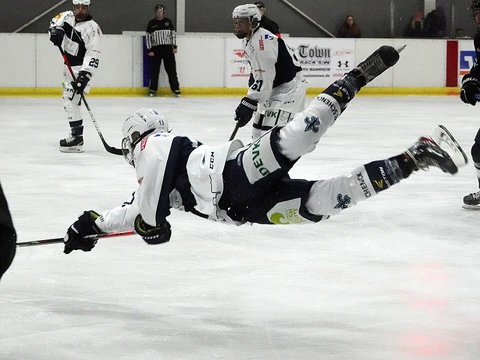
Soft-shell helmet cover used in football and hockey for impact reduction.

Cleveland Guardians · Public domain
A Guardian Cap is a soft-shell pad designed to fit over the outside of a football or ice hockey helmet. Since 2015, these caps have been used in football practices. The NFL first required certain position groups to wear them starting in 2022, and expanded that requirement to more positions in later years. In 2024, the league made them optional for use in live games. The caps are also worn in the Canadian Football League, as well as in college and youth football.
The caps are lightweight, weighing less than one pound, and attach to the outer shell of a helmet to absorb impact from hits. According to the manufacturer, Guardian Sports, the foam material can reduce the temperature inside a helmet by 15 to 20 degrees Fahrenheit when outside temperatures are 90 degrees or higher, because the foam insulates better than standard polycarbonate. For game use, the cap is covered with a wrap that matches the team’s helmet design, including logos and patterns.
The idea of add-on helmet padding dates back to the late 1980s, but such products voided helmet warranties and certifications until 2013, when the National Operating Committee on Standards for Athletic Equipment began recognizing third-party certification for add-ons. Guardian was founded in 2010 by owners of a materials science company. They first tried to create a soft-shell football helmet to replace the hard-shell models from the 1960s, but it wasn’t accepted. After the NOCSAE rule change, they shifted to a soft-shell cover as a more practical product. High school football programs started using Guardian Caps in 2015.
The NFL awarded Guardian a grant in 2017 to help develop the caps further. The Los Angeles Rams were early adopters in 2021 after their quarterback, Matthew Stafford, injured his hand on an uncapped helmet during training camp. In March 2022, the NFL mandated that offensive and defensive linemen, tight ends, and linebackers wear Guardian Caps during all preseason practices from the start of contact periods through the second preseason game. This decision followed discussions with the Competition Committee, the Owners’ Health and Safety Advisory Committee, and NFL head coaches.
In 2023, the NFL expanded the mandate to include running backs and fullbacks, and required the caps for all preseason, regular-season, and postseason practices involving contact.
- Weight
- less than 1 lb
- Heat reduction
- 15 to 20 F-change when used in conditions of 90 F and higher
- Impact force reduction single player
- 11 to 12 percent
- Impact force reduction both players
- around 20 percent
- Concussion rate decrease claimed
- 52 percent decrease in concussions suffered by players at positions wearing Guardian Caps
- First nfl preseason game use
- August 9, 2024
- First professional regular season game u
- August 16, 2024
Lore & Background
Ancillary helmet pads had been developed from at least the late 1980s. However, their use voided the warranties and certifications of helmet manufacturers. This position was supported by the US National Operating Committee on Standards for Athletic Equipment (NOCSAE) until 2013, when it recognized third-party certification for add-on equipment. Guardian was formed in 2010 by the owners of a materials science company. They initially developed a soft-shelled football helmet intended to replace the hard-shelled helmets of the 1960s, but it did not gain acceptance. With the change to NOCSAE rules, they decided that a soft-shell cover would be a more viable product while demonstrating the advantages of soft-shell helmet technology. Guardian Caps have been used in high school football programs from 2015.
Guardian further developed the equipment partly through a grant awarded by the NFL in 2017. Running back Peyton Logan stated he used Guardian Caps in 2020 and 2021, during his college career. The Los Angeles Rams became early adopters of the caps in 2021, after the team's quarterback, Matthew Stafford, injured his hand on an uncapped helmet during training camp. During the Annual League Meeting in March 2022, the NFL passed a mandate and began requiring offensive and defensive linemen, tight ends, and linebackers to wear Guardian Caps during every preseason practice between the start of the training camp contact period and the second preseason game. During the 2023 NFL offseason, the mandates on wearing Guardian Caps were expanded. Running backs and fullbacks were added to the position groups required to wear them, while their use was made required for 'every preseason practice, as well as every regular-season and postseason practice with contact'. Ahead of the 2023 season, the CFL also mandated the use of Guardian Caps during training camp and padded practices for offensive and defensive linemen, running backs, and linebackers.
Guardian Sports developed a successor model, the Guardian Cap NXT 2.0, that was approved by the NFL for the 2026 season. It has a sleeker surface which allows for stickers to be directly applied.
Reader's Guide
The Guardian Cap represents a significant shift in protective equipment philosophy, moving from hard-shell-only helmets to soft-shell add-ons. Its adoption by the NFL, CFL, and collegiate and youth levels underscores a growing emphasis on head impact mitigation. The caps are lightweight, weighing less than 1 lb, and according to the manufacturer can reduce heat inside a helmet by 15 to 20 F-change in hot conditions. When used in games, the cap is covered by a wrap depicting the team's logo and patterns to match teammates' helmets.
NFL research has claimed a 52 percent decrease in concussions among players at positions wearing the caps, and that a single cap absorbs 11 to 12 percent of impact force, rising to around 20 percent when both players wear them. However, independent research has not confirmed these findings, and independent studies have not found that the equipment provides substantial improvement in mitigating the effect of head impact. Player reception has been mixed: some criticized the aesthetics, comparing the caps to a 'bobblehead', while others recognized their role in player safety. The first player to wear a Guardian Cap in an organized game was James Daniels of the Pittsburgh Steelers during an NFL preseason game on August 9, 2024. The first to wear one in a professional regular season game was Thomas Bertrand-Hudon of the Saskatchewan Roughriders on August 16, 2024.
Did You Know?
- The caps weigh less than 1 lb.
- The first NFL player to wear a Guardian Cap in a preseason game was James Daniels of the Pittsburgh Steelers on August 9, 2024.
- The Guardian Cap NXT 2.0, approved for the 2026 NFL season, has a sleeker surface for direct sticker application.
From Soft-Shell Helmet to Add-On Cap
Guardian Sports was founded in 2010 by the people who owned a materials-science company. Their original ambition was bold: build an entirely soft-shelled football helmet that would replace the rigid hard shells players had worn since the 1960s. That full-helmet concept never found a market. The turning point came in 2013, when the U.S. National Operating Committee on Standards for Athletic Equipment (NOCSAE) shifted its long-standing policy. For years, NOCSAE had maintained that any third-party padding attached to a helmet voided the manufacturer's warranty and safety certification. After 2013, however, the committee began recognizing third-party certification for add-on gear, opening the regulatory door. Guardian pivoted quickly, repurposing its soft-shell technology into a lightweight outer cover that snaps onto an existing helmet rather than replacing it. The company received a development grant from the NFL in 2017, which helped refine the product. By 2015, high-school football programs had already begun putting the caps on players during practice, and the equipment gradually spread through collegiate and youth leagues before reaching the professional ranks.
A Stepping-Stone Path to League Mandates
The road from voluntary practice gear to league-wide requirement unfolded over several seasons. In 2022, the NFL's Annual League Meeting produced the first mandate: offensive and defensive linemen, tight ends, and linebackers had to wear Guardian Caps during every preseason practice from the start of the contact period through the second preseason game. The rule had been shaped by discussions with the Competition Committee, the Owners' Health and Safety Advisory Committee, and head coaches. The 2023 offseason broadened the scope considerably—running backs and fullbacks joined the required groups, and the requirement extended to every regular-season and postseason contact practice as well. That same year, the Canadian Football League issued its own mandate covering linemen, running backs, and linebackers during training camp and padded sessions. By 2024, wide receivers and defensive backs were added, leaving only quarterbacks, kickers, and punters outside the mandate, though those players could still opt in. A notable exemption allows any player to skip the cap if they wear one of six newer helmet models the league and the NFLPA identified as offering equal or superior protection.
Breaking the Glass Ceiling: First In-Game Wears
For years the Guardian Cap was strictly a practice accessory. In August 2023, NFL executive Jeff Miller suggested on Good Morning Football that the caps might eventually appear in live games, but that same month league spokesman Brian McCarthy made clear a player asking to wear one in a game would be turned down. The policy flipped the following spring. At an April 2024 webinar, NFL chief administration officer Dawn Aponte announced the league would permit players to use Guardian Caps during games if they chose. The first organized-game appearance came on August 9, 2024, when Pittsburgh Steelers offensive lineman James Daniels suited up in a cap for a preseason matchup against the Houston Texans. A week later, Saskatchewan Roughriders running back Thomas Bertrand-Hudon became the first to wear one in a professional regular-season contest against the Montreal Alouettes. Tennessee Titans center Josh Whyle and others followed during the 2024 NFL regular season. For game-day aesthetics, the cap is wrapped in a team-specific cover reproducing the helmet's logo and patterns so the headgear matches teammates. Guardian Sports has already had a successor model, the NXT 2.0, approved for 2026, with a sleeker surface that accepts stickers directly.
Skepticism, Science, and the Safety Question
Player reactions to the caps were not uniformly enthusiastic. Arizona Cardinals linebacker J. J. Watt quipped during the 2022 offseason that wearing one made him feel like a bobblehead as though he might topple over, even while acknowledging he understood the safety rationale. Beyond aesthetics, the scientific evidence remains contested. NFL-conducted research has concluded that Guardian Caps reduce impact force and lower concussion rates, yet independent studies have failed to confirm those findings, with some reporting no substantial improvement in mitigating head-impact effects. The manufacturer also touts a thermal benefit: Guardian Sports claims the foam layer can cut interior helmet temperature by roughly 15 to 20 degrees Fahrenheit in conditions of 90 degrees or higher, because the foam insulates rather than conducting heat the way the polycarbonate shells of standard helmets do. Practicality is another selling point—Calgary Stampeders equipment manager George Hopkins noted the caps weigh under one pound. The Los Angeles Rams became early adopters in 2021 after quarterback Matthew Stafford injured his hand on an uncapped helmet during training camp, and running back Peyton Logan had already used the caps during his 2020 and 2021 college seasons.
Gallery

Frequently Asked Questions
What is a Guardian Cap?
It's a soft-shell pad that clips over the outer shell of a helmet to cushion the blow when a player gets hit. Originally introduced for football practice in 2015, it has since crossed over into ice hockey and other contact-sport settings.
What does a Guardian Cap actually do for a player?
Its job is to soak up impact energy before it reaches the skull, cutting single-player impact force by roughly 11 to 12 percent. When both colliding players are capped, the combined reduction jumps to about 20 percent.
How heavy is a Guardian Cap?
The whole thing weighs less than one pound, so it adds virtually no noticeable bulk to the helmet. That lightness is a big reason coaches and players accept wearing it during drills and practices.
Can you wear a Guardian Cap in an actual game?
The NFL opened the door in 2024 by making the cap optional for live-game play, with the first on-field use coming in a preseason matchup on August 9, 2024. Prior to that rule change, it was strictly a practice and training-day accessory.
Does a Guardian Cap help with heat out on the field?
In conditions of 90 °F or above, the cap is credited with shaving 15 to 20 degrees off the heat a player feels on the back of the head. That makes it a practical summer-practice addition, not just an impact tool.
More in Ice Hockey Equipment 1-24
Spotted an error? Know more?
Reader corrections go straight into our review queue. Suggest an edit · How this site is sourced