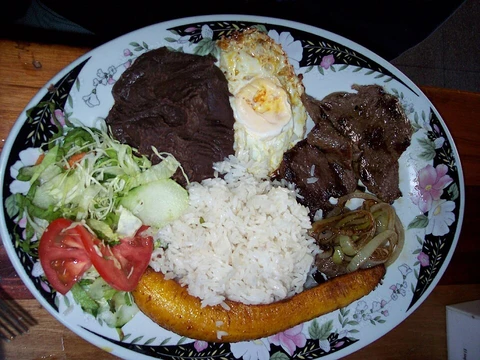
Natillas
A diverse family of custard desserts across the Spanish-speaking world.

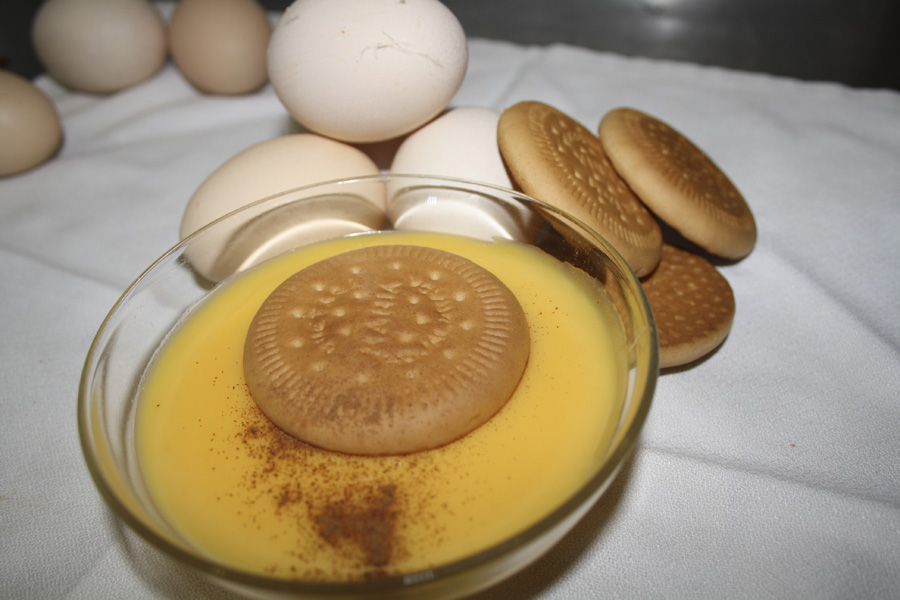
Mover el Bigote · CC BY 2.0
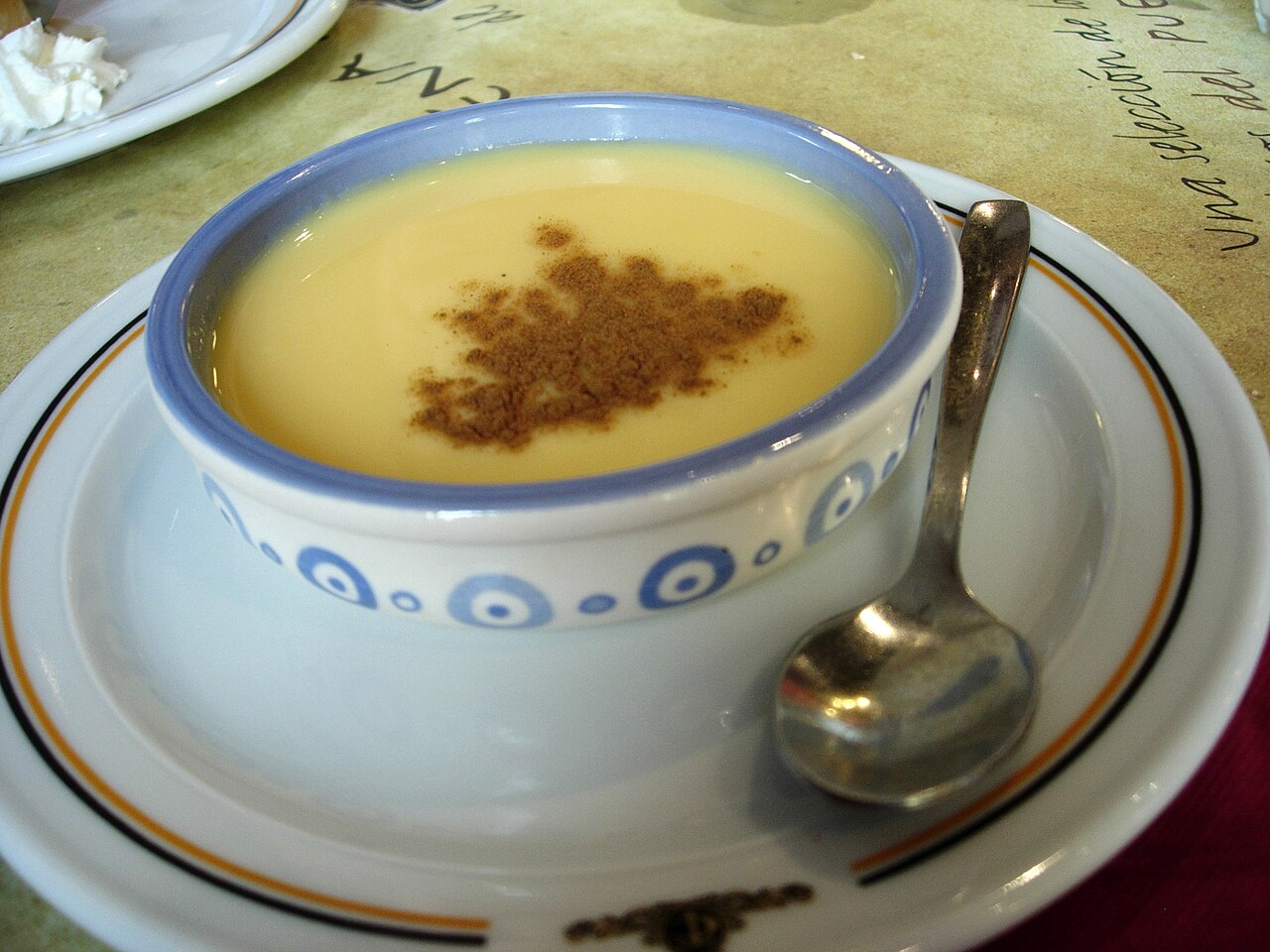
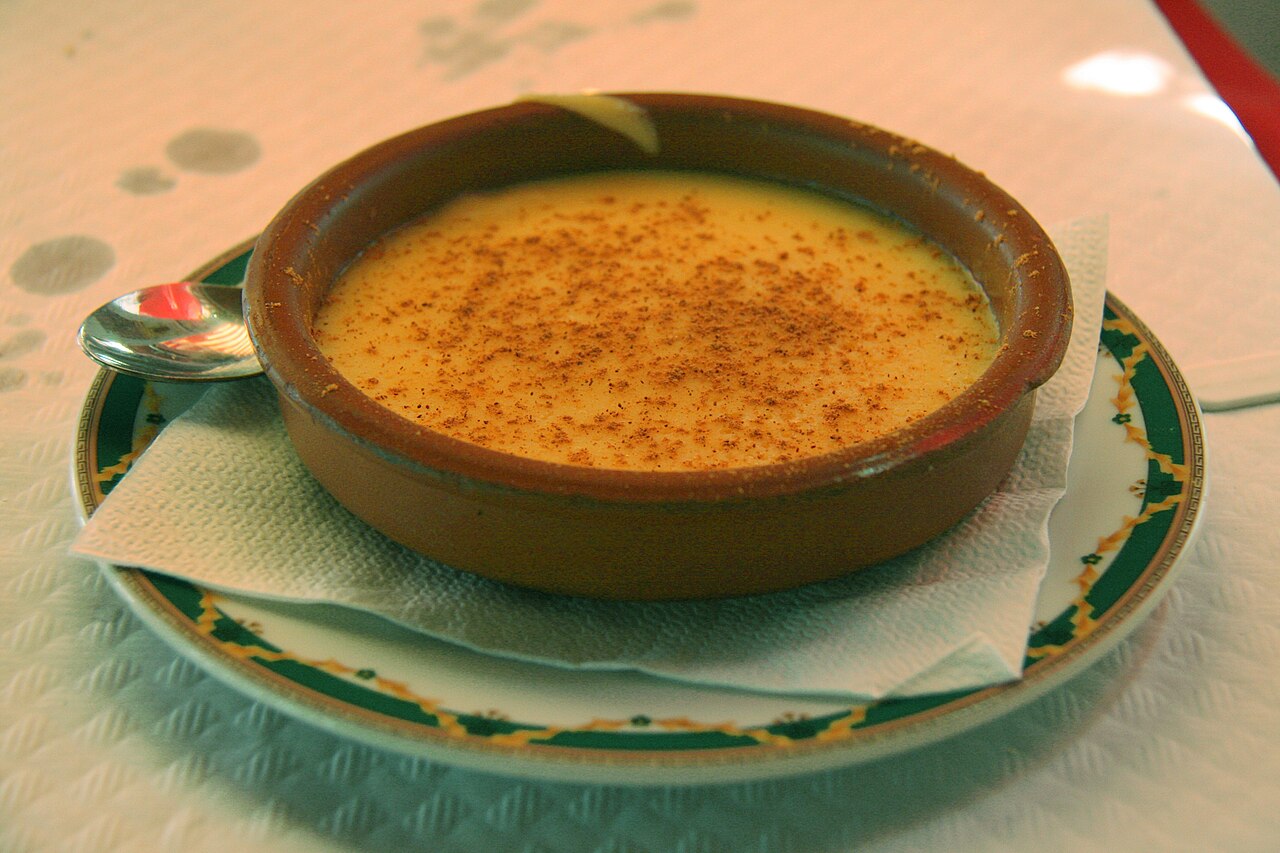
Natillas is a Spanish term for a variety of custards and similar sweet desserts found across the Spanish-speaking world. In Spain, it refers to a custard dish made with milk and eggs, similar to crème anglaise, while in other regions the dish varies significantly, sometimes omitting eggs or using different thickeners and flavorings.
Quick Facts
- Country
- Spain
- Main Ingredient
- milk and eggs
Facts from the source article.
Lore & Background
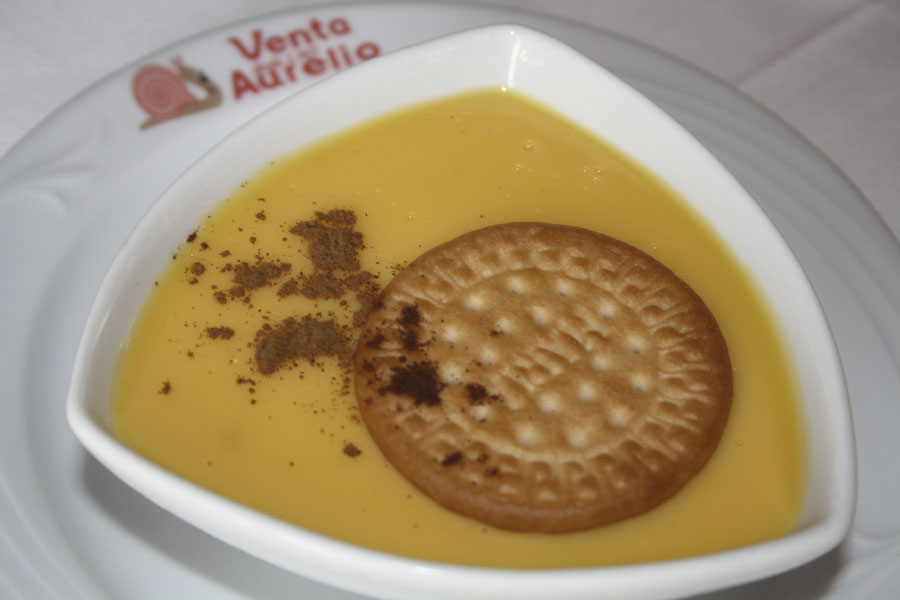
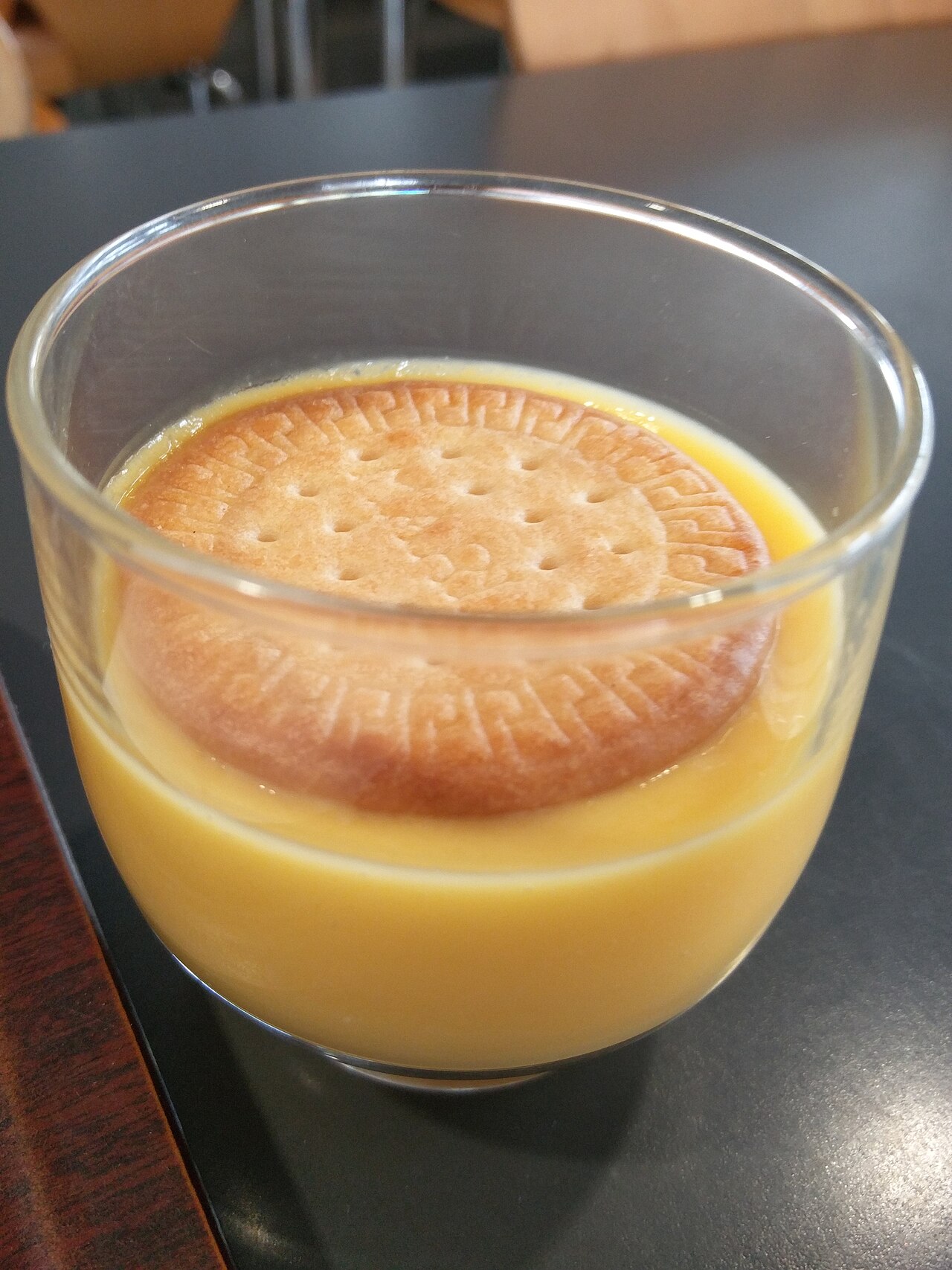
In Spain, natillas is a custard dish made with milk, sugar, vanilla, eggs, and cinnamon, prepared by gently boiling milk and slowly stirring in eggs. It is often served with a María biscuit on top and is similar to flan but richer, including cinnamon and no caramel. In New Mexico, natillas derive from Spanish recipes and may include flour or egg whites, distinct from Mexican natillas.
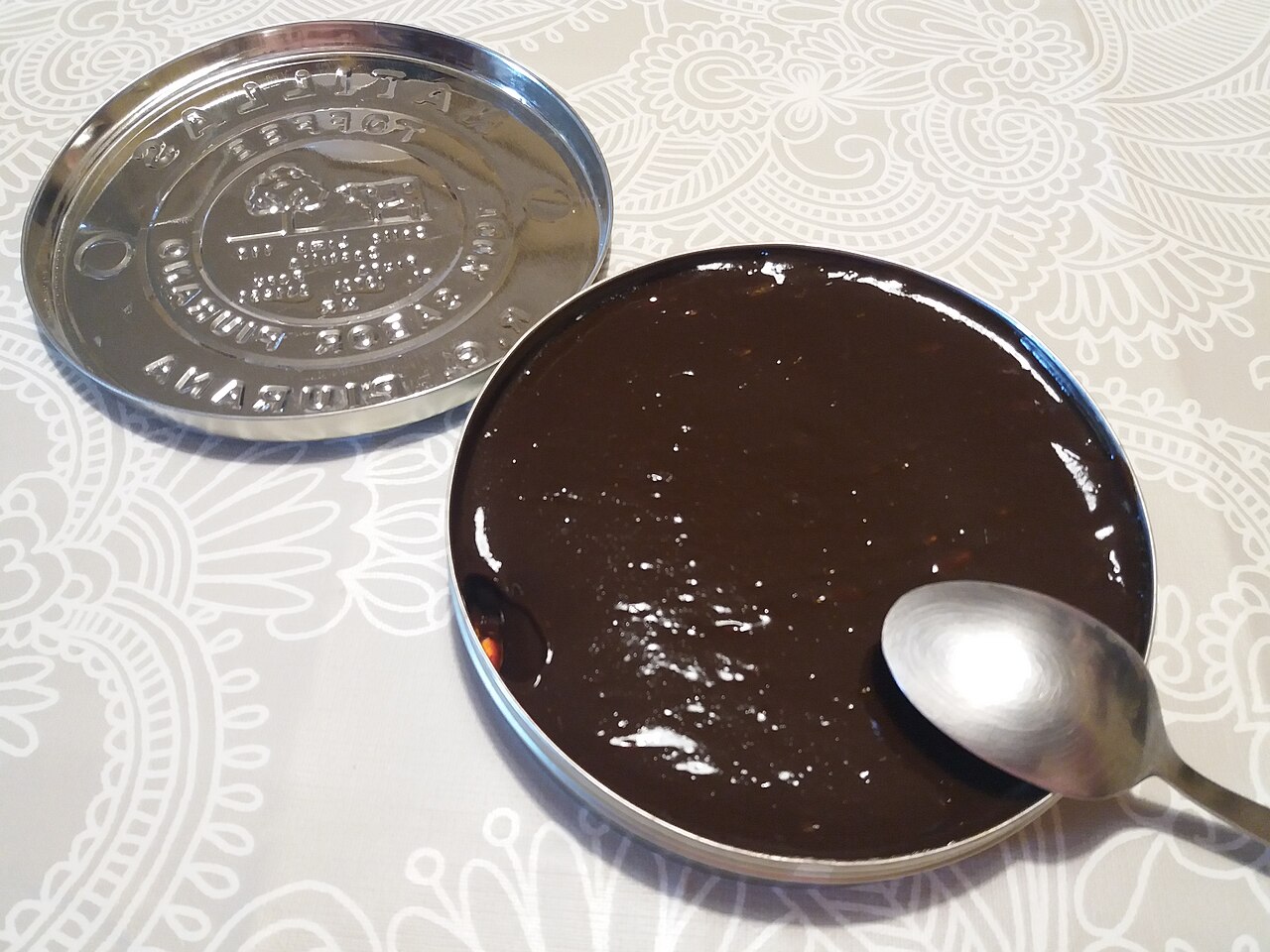
In Colombia, natilla is the most popular Christmas dish, eaten with buñuelos and manjar blanco, made with milk, panela, cinnamon sticks, and flour or cornstarch, sometimes with coconut, cheese, or raisins. It is often made over an improvised campfire. In Peru, especially Piura, natillas is a spread of milk and chancaca boiled until thick and caramelized, thicker than Spanish natillas and without eggs.
In Mexico, natillas resemble a thicker version of atole. In Costa Rica, the term refers to a sour cream-like dairy product used as a condiment, with lower fat content than normal sour cream. In Cuba, natilla is a cold custard dessert made with cornstarch, vanilla, sugar, eggs, lemon peel, cinnamon, and evaporated milk, served on Christmas. In Puerto Rico, two versions exist: one for breakfast cooked on the stove, and another baked like crème brûlée for Christmas, both including milk, coconut cream, sugar, egg yolks, cornstarch, cinnamon, vanilla, zest, and orange blossom water. In Guam, the dish is called latiya, often made with canned evaporated or condensed milk.
Reader's Guide
Natillas represents a broad category of custard-like desserts that have adapted to local ingredients and traditions across the Spanish-speaking world. In Spain, it is a classic thin custard similar to crème anglaise, while in Colombia it has become a central Christmas dish without eggs, thickened with cornstarch or flour. The term itself, a diminutive of 'nata' (cream), reflects the creamy consistency that unites these variations. The dish's significance lies in its cultural adaptability: from a breakfast item in Puerto Rico to a Christmas tradition in Colombia and Cuba, and even a sour cream condiment in Costa Rica. The variations highlight how a basic concept—milk thickened and sweetened—can evolve into distinct regional identities, with some versions omitting eggs, others adding alcohol like aguardiente, and still others being sold as pre-made powders. Natillas thus serves as a lens into the culinary history of Spanish colonization and the subsequent local innovations that have kept the dish relevant across centuries.
Did You Know?
- In Colombia, natilla is the most popular Christmas dish and is often made over an improvised campfire in the streets or home patios.
- In Costa Rica, the term natillas refers to a sour cream-like dairy product used as a condiment, with a lower fat content than normal sour cream.
- In Guam, the dish is called latiya and was likely first introduced in the 17th to 19th centuries, often made with canned evaporated or condensed milk.
- In Puerto Rico, one version of natillas is served for breakfast and cooked stove top, while another is baked like crème brûlée for Christmas.
Etymology & Identity
The word natillas, pronounced [naˈtiʎas] in Spanish, is fundamentally a diminutive of nata, meaning cream or milk cream. This linguistic root reveals the dish's essential character: a preparation defined by its velvety, milk-based consistency rather than by any single fixed recipe. The term functions as a broad umbrella across the entire Spanish-speaking world, encompassing everything from a thin pouring custard in Spain to a sour cream-like condiment in Costa Rica. What unites these diverse preparations is the evocation of that soft, creamy texture the name promises. The diminutive suffix adds a sense of intimacy and domesticity, suggesting a humble, home-kitchen creation rather than a grand confection. This etymological thread connects every regional variation back to a shared sensory ideal—the gentle richness of cream drawn from milk—making the name itself a kind of recipe instruction.
The Spanish Classic & European Cousins
In Spain, natillas occupies a specific place in the custard family. The traditional preparation calls for milk, sugar, vanilla, eggs (often just the yolks), and cinnamon, with the milk gently boiled while the eggs are slowly stirred in to produce a smooth, sweet cream. Crucially, this is a thin pouring cream rather than a coagulated custard, and it is typically served with a María biscuit resting on top. The dish is frequently compared to flan, but natillas is generally richer, carries cinnamon, and omits caramel. Its relationship to English custard and French crème anglaise is deliberately vague, with the distinctions between them hinging primarily on thickness. This European lineage then traveled across the Atlantic: New Mexican natillas trace their recipes directly to Spanish colonial-era cooking, sometimes incorporating flour alongside egg whites, and they stand apart from the Mexican version of the same name. The Spanish original thus serves as the anchor from which a constellation of regional interpretations radiates.
Christmas & Holiday Traditions
In several Spanish-speaking cultures, natillas is inseparable from the Christmas season. In Colombia, natilla is the most beloved holiday dish, traditionally enjoyed alongside buñuelos and manjar blanco. It is prepared with milk, panela (unrefined cane sugar blocks), cinnamon sticks, and a thickener such as flour or cornstarch, with optional additions of grated coconut, cheese, or raisins. The most cherished tradition involves cooking natilla over an improvised campfire in the street or a home patio, and some families stir in aguardiente or anisette for warmth. Pre-made versions in flavors like coconut and arequipe are widely available in stores. In Cuba, natilla is a cold custard dessert made with cornstarch, vanilla, sugar, eggs, lemon peel, cinnamon, and evaporated milk, served in small cups dusted with cinnamon during the holidays. In Puerto Rico, a Christmas version is baked in the manner of crème brûlée, using milk, coconut cream, egg yolks, cornstarch, cinnamon, vanilla, zest, and orange blossom water.
A Name That Stretches Across Continents
The term natillas stretches far beyond any single recipe, adapting to local ingredients and culinary traditions across the globe. In Peru, particularly in Piura, it refers to a spread of milk and chancaca boiled until thick and caramelized to a deep brown, somewhat thicker than the Spanish version and egg-free. In Mexico, natillas resemble a thicker iteration of the traditional drink atole. In Costa Rica, the word designates a homogenized, pasteurized dairy condiment with roughly twelve percent fat—lower than standard sour cream—sometimes salted, and used alongside savory dishes rather than as a dessert. In Guam, the dish is known as latiya, likely introduced between the seventeenth and nineteenth centuries, and is commonly prepared with canned evaporated or condensed milk. In Puerto Rico, a breakfast version is cooked on the stove and served with honey, fruit, and nuts, while a prepackaged powder form is available year-round in supermarkets. This geographic and culinary range demonstrates that natillas is less a fixed recipe than a cultural concept—a shared word for milk-based richness, interpreted through local hands and palates.
Gallery
Frequently Asked Questions
What is Natillas in Costa Rican cuisine?
Natillas is a beloved custard-style dessert in Costa Rica, falling under the broader family of creamy, egg- or starch-thickened sweets found throughout the Spanish-speaking world. It is essentially a rich, smooth milk-based pudding that can be served chilled or warm.
Where does the name Natillas come from?
The word is a diminutive of 'nata,' the Spanish term for cream, so it literally evokes the silky, cream-like texture of the finished dessert. This etymology highlights the dish's defining characteristic: a velvety, milk-cream consistency rather than a stiff or grainy one.
How does Costa Rican Natillas differ from the Spanish version?
In Spain, Natillas typically relies on eggs as the primary thickener, producing a result close to a light crème anglaise. In Costa Rica and other Latin American regions, the recipe can shift—sometimes dropping eggs entirely and using cornstarch or other starches instead, while also incorporating local flavorings like vanilla, cinnamon, or citrus zest.
What ingredients define a classic Natillas recipe?
At its core, the dessert is built on milk (or a milk-and-cream blend) combined with a thickening agent such as eggs or starch, sweetened with sugar, and often finished with a dusting of cinnamon or a splash of vanilla. The result is a pourable-to-set custard that sits somewhere between a sauce and a pudding in texture.
Why is Natillas considered a staple in Costa Rican sweet traditions?
Its simplicity—requiring only pantry basics like milk, sugar, and a thickener—makes it an accessible dessert for home cooks across the country. Because the recipe is flexible enough to absorb regional twists while keeping a recognizable creamy identity, it has become a go-to treat at family gatherings, holiday tables, and casual coffee breaks.
More in Costa Rican cuisine 1-24
Spotted an error? Know more?
Reader corrections go straight into our review queue. Suggest an edit · How this site is sourced