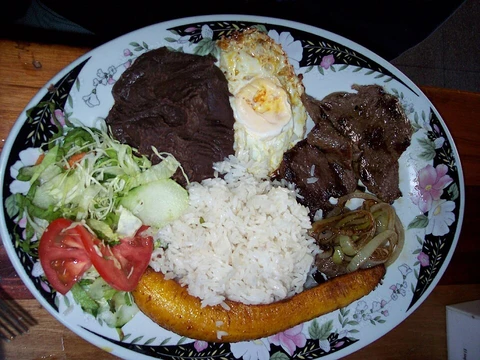
Fried cheese
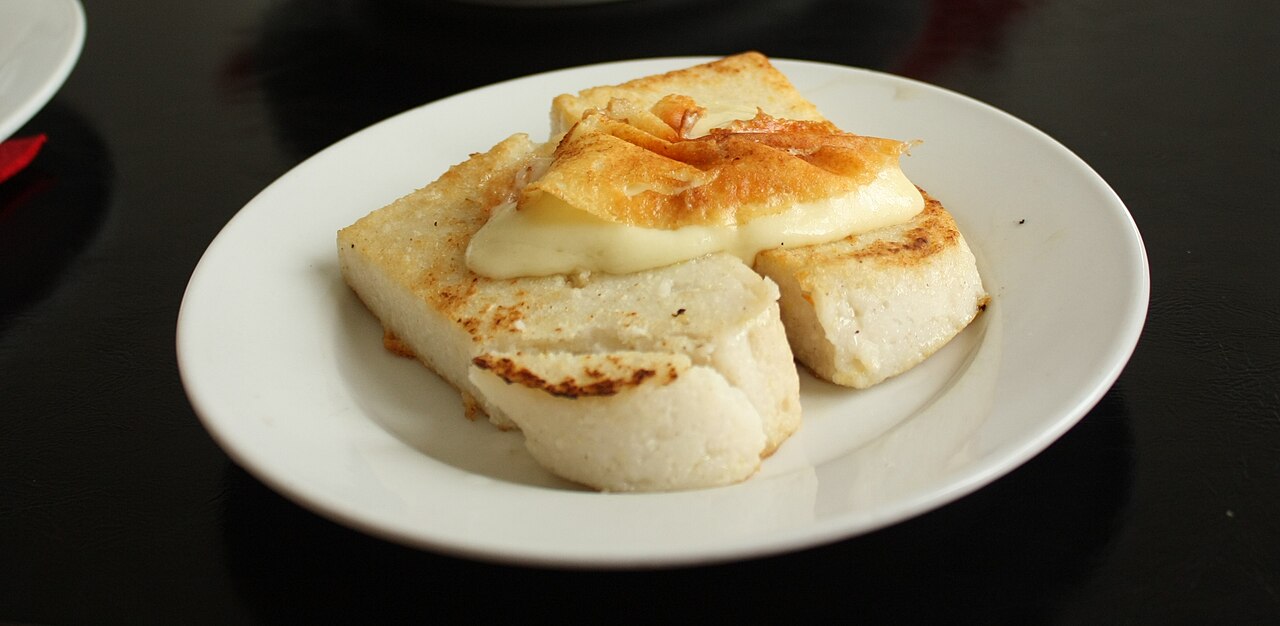
Fried cheese is a global dish of cheese fried in oil.

DanielPenfield · CC BY-SA 4.0
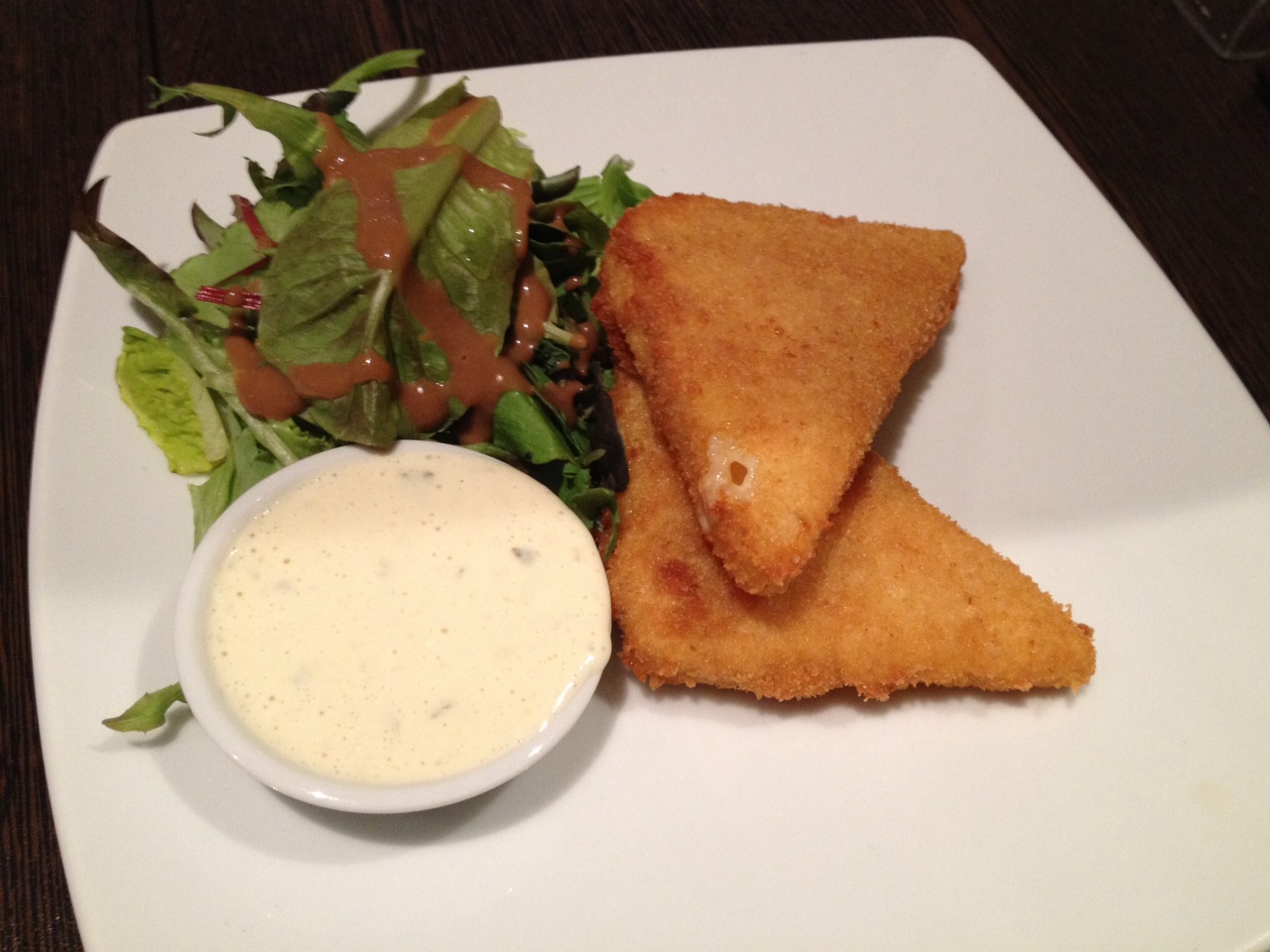
Fried cheese is a dish of cheese that is fried in oil, which can be dipped in a batter before frying and can be pan-fried or deep-fried. It is typically served hot, right after being cooked, and may be accompanied by a dipping sauce or coated with a dressing. Fried cheese is served as an appetizer or a snack in many cuisines around the world.
- Commonly fried cheeses
- Halloumi, Nabulsi cheese
- Typical serving temperature
- Hot, immediately after cooking
- Common accompaniments
- Dipping sauce or dressing
- Historical region
- Cairo during the Middle Ages
- Notable regional variations
- Brazil, Costa Rica, Cyprus, Greece, Lebanon, Syria, Turkey, Spain, Italy, Czech Republic, Slovakia, Hungary, Romania, Bulgaria, Netherlands, Switzerland, Israel, Egypt, Central America
Lore & Background
Fried cheese was a popular dish in Cairo during the Middle Ages and remained a part of the cuisine under Ottoman rule, though its popularity has since decreased. The dish appears in many forms worldwide: in Greece, saganaki is prepared in a small copper pan; in the Czech Republic and Slovakia, smažený sýr is a common street food made by dredging cheese in flour, egg wash, and bread crumbs before deep-frying. In Hungary, rántott sajt is a cheap dish often made from trappista cheese, served as a vegetarian option in restaurants. In Egypt, gebnah ma'liyyah is usually battered and served as an appetizer, considered a specialty of Alexandria. In Israel, halloumi is primarily fried with olive oil in a pan, unlike other countries where grilling is the main method.
Reader's Guide
Fried cheese holds significance as a versatile and widespread dish, appearing in breakfast, snack, appetizer, and main course contexts across many cultures. Its historical roots in medieval Cairo and persistence under Ottoman rule highlight its long-standing appeal. The dish's many variations—from Spanish tapas (delicias de queso) to Dutch kaassoufflé and Swiss Malakoff—demonstrate its adaptability. Commercially, mozzarella is favored in the United States for its neutral flavor and desirable consistency. However, health concerns are noted: frying adds advanced lipid end products and dicarbonyls to cheeses, and most cheeses are salty, leading to descriptions of fried cheese as unhealthy. In Brazil, chronic consumption has been linked to oral cancer risk. Despite these concerns, fried cheese remains a popular comfort food and street food globally, with each region adding its own twist in cheese type, batter, and serving style.
Did You Know?
- In Hungary, fried cheese (rántott sajt) is often made from trappista cheese, which is a popular variety in the country.
- In Brazil, fried cheese is a common snack, but there is no established medical consensus linking its chronic consumption to oral cancer.
Gallery



Frequently Asked Questions
What is fried cheese in Costa Rican cooking?
In Costa Rican cuisine, fried cheese refers to pieces of cheese cooked in hot oil, either pan-fried or deep-fried, and sometimes coated in a batter before hitting the pan. It is most often enjoyed as a warm appetizer or a casual snack.
What kinds of cheese work best for frying?
Halloumi and Nabulsi cheese are the go-to choices because they hold their shape in hot oil rather than melting away completely. Their firm texture makes them ideal for both pan-frying and deep-frying.
How do Costa Ricans typically serve fried cheese?
It is plated hot, straight out of the fryer, and usually paired with a dipping sauce or a light dressing on the side. The emphasis is on eating it immediately while the exterior is still crisp.
Where does the tradition of frying cheese come from?
The practice traces back to Cairo during the Middle Ages and has since spread to many regions, including Costa Rica, Greece, Turkey, Brazil, and Spain. In Costa Rica it has become a familiar street-food and household staple.
Why is fried cheese such a popular snack in Costa Rica?
It requires very few ingredients and comes together quickly, making it a low-effort, high-satisfaction treat for households and vendors alike. Its flexibility—battered or plain, pan-fried or deep-fried—keeps it a reliable crowd-pleaser.
More in Costa Rican cuisine 1-24
Spotted an error? Know more?
Reader corrections go straight into our review queue. Suggest an edit · How this site is sourced