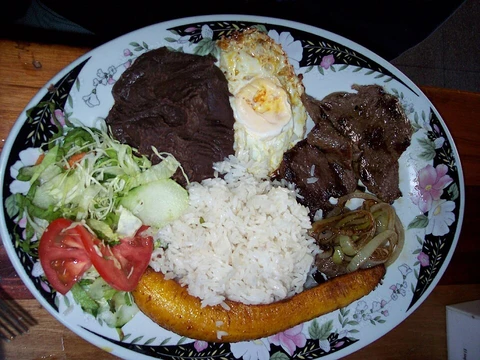
Corn tortilla
Pre-Columbian unleavened flatbread made from nixtamalized maize.

T.Tseng · CC BY 2.0
The corn tortilla is a thin, unleavened flatbread made from hominy, which is maize treated with alkali in a process called nixtamalization. It originated in Mexico during prehistoric times and became a staple carbohydrate in North American and Mesoamerican cultures, predating the wheat flour tortilla.
Quick Facts
- Region
- Mexico and Central America
- Creator
- Pre-Columbian cultures
- Course
- Staple
- Served
- Warm
- Main Ingredient
- Maize flour (nixtamal)
- Variations
- Gordita, pupusa, sope, tlacoyo, güirila
- Place Of Origin
- Mesoamerica
Facts from the source article.
Lore & Background
The corn tortilla was first developed in Mexico during prehistoric times. The Aztecs and other Nahuatl-speakers called it tlaxcalli, derived from the verb 'to bake.' The Spanish named it tortilla, meaning 'little cake,' due to its resemblance to Spanish round, unleavened cakes and omelettes. The Spanish conquest of the Aztec empire ensured this variation became prototypical for much of the Spanish-speaking world.
In Aztec times, two or three corn tortillas were eaten with each meal, plain or dipped in mole or chili pepper and water sauce. They were also sold at marketplaces filled with turkey meat, turkey eggs, beans, honey, squash, prickly pears, and chili pepper preparations. The nixtamalization process, developed indigenously by pre-Columbian cultures, makes available the B vitamin niacin and the amino acid tryptophan, preventing the deficiency disease pellagra.
Today, corn tortillas are consumed daily in Mexico and Central America. They are made by curing maize in limewater, grinding it into masa, pressing it flat, and cooking on a hot comal. Factory-made tortillas are widely sold, but handmade versions persist. The largest tortilla producer is the Mexican company Gruma.
Reader's Guide
The corn tortilla is a foundational element of Mexican and Central American cuisine, serving as the base for dishes such as tacos, enchiladas, chilaquiles, quesadillas, and tostadas. Its significance extends beyond food: the nixtamalization process, developed by pre-Columbian cultures, was a crucial nutritional innovation that prevented pellagra when maize was the dietary staple. This process was often omitted when maize was introduced to Europe, Africa, and Asia, leading to widespread deficiency disease. The tortilla's cultural importance is reflected in its Nahuatl name tlaxcalli and its continued daily consumption across the region. While factory production dominates, traditional handmade methods using a mano and metate persist in some areas. The corn tortilla also distinguishes itself from similar foods like the South American arepa, which uses ground maize rather than hominy, and from the wheat flour tortilla, which developed after European contact. Its versatility and deep historical roots make it a symbol of Mesoamerican agricultural and culinary heritage.
Did You Know?
- The Nahuatl word for tortilla, tlaxcalli, means 'something baked.'
- In Aztec times, tortillas were sold at marketplaces filled with turkey meat, turkey eggs, beans, honey, squash, and prickly pears.
- The largest tortilla producer in the world is the Mexican company Gruma, headquartered in Monterrey.
The Art of Nixtamalization and Masa
The defining step in corn tortilla production is nixtamalization, a process in which dried corn kernels are soaked in an alkaline solution of calcium hydroxide, commonly called limewater. This single step profoundly transforms the final product, lending the dough greater pliability and boosting its nutritional profile. Once the corn has absorbed the alkaline bath, it becomes nixtamal, which is then ground—traditionally on a stone called a metate—into a pliable dough known as masa. The masa is pressed or hand-shaped into thin discs and cooked on a clay griddle called a comal, where browning reactions and starch gelatinization occur as the tortilla slightly puffs. Three distinct methods exist for producing masa: the fully traditional hand-ground approach, an industrial fresh-masa process using rotating grinders and extruders, and the dry masa harina method, where nixtamal is ground, dried into a flour, and later rehydrated. The last option separates production from baking in both time and location, making it the dominant approach in countries like the United States, while indigenous communities in Mexico and Central America still favor the ancestral technique.
Ancient Roots and Mesoamerican Heritage
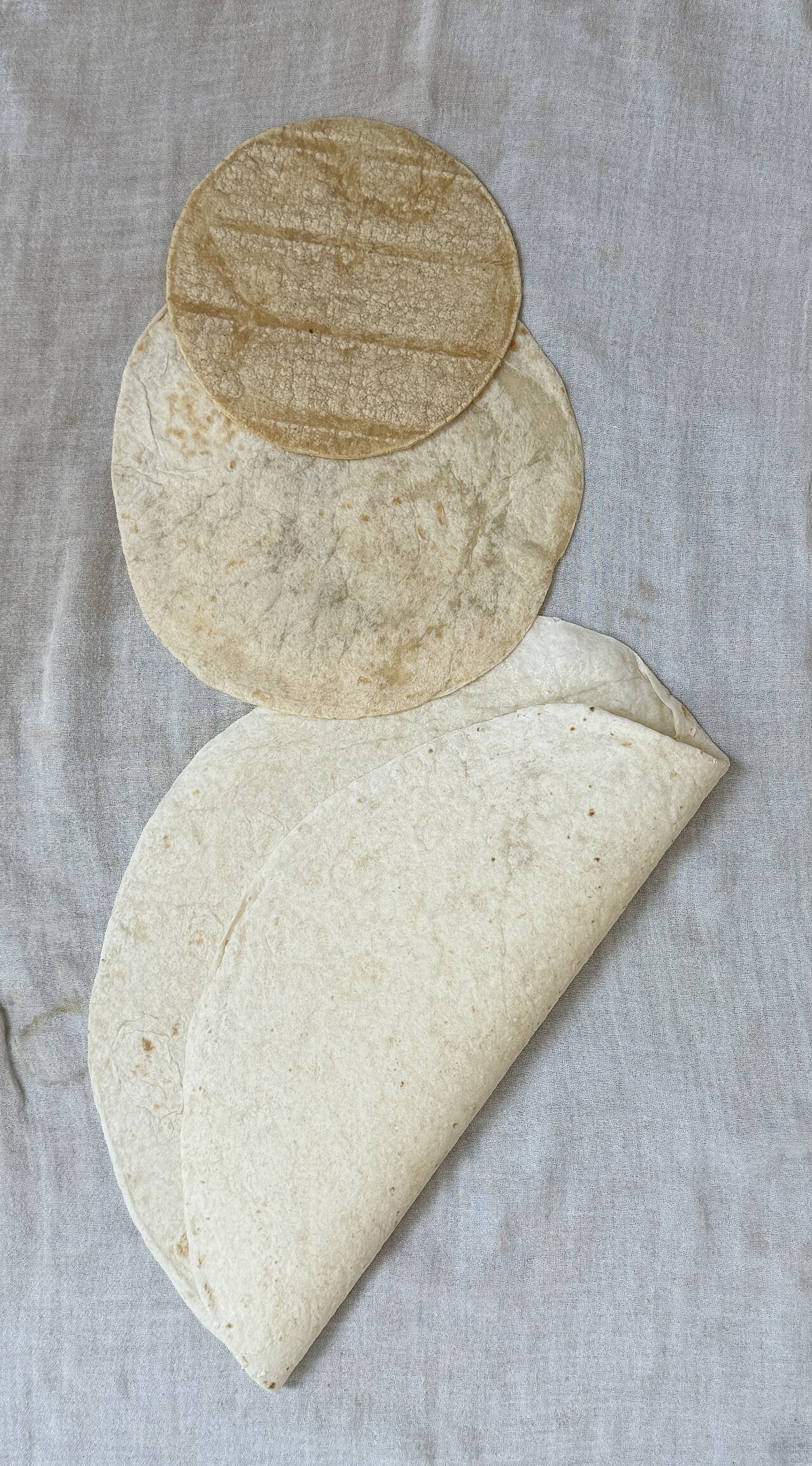
Corn tortillas trace their origins to the ancient peoples of Mesoamerica, where maize was already a central crop long before complex civilizations emerged. As societies like those in the Oaxaca Valley and the Aztec empire grew, the tortilla evolved into a cornerstone of daily sustenance and cultural identity. The Maya civilization also adopted and spread the practice. In Nahuatl, the language of the Aztecs and modern Nahuas, tortillas were called tlaxcalli, while the Ancient Maya referred to them as cauhimich; contemporary Maya languages use the word wah, a broader term encompassing various corn-based products. The 16th-century Spanish conquest of Mexico did not erase this tradition—indigenous communities continued preparing corn tortillas at home. The Spanish, however, introduced wheat to the region, giving rise to the flour tortilla, which became common among settlers in Northern Mexico. After the Mexican-American War, flour tortillas carried their popularity into what are now Texas and California, embedding themselves in the culinary identity of those areas.
From Local Staple to Global Industry
What began as a hand-shaped disc cooked on a clay comal in rural villages has become a worldwide food industry. The pivotal shift came in the 1950s, when tortilla machines equipped with dough sheeters and extruders enabled mass production, with some units churning out as many as 30,000 tortillas per hour. The adoption of masa harina—a dehydrated, shelf-stable form of masa—further streamlined manufacturing by decoupling masa preparation from the actual baking. In Mexico, the urban population now typically purchases tortillas from specialized bakeries called tortillerias or from supermarkets, while rural indigenous communities still prepare them at home. Beyond Mexico, companies like Gruma have built global supply chains, and Hispanic influence on American cuisine has made tortillas a household item across the United States. By the early 21st century, tortillas had achieved genuine worldwide popularity, appearing in kitchens far removed from their Mesoamerican origins.
Culinary Versatility and Everyday Uses
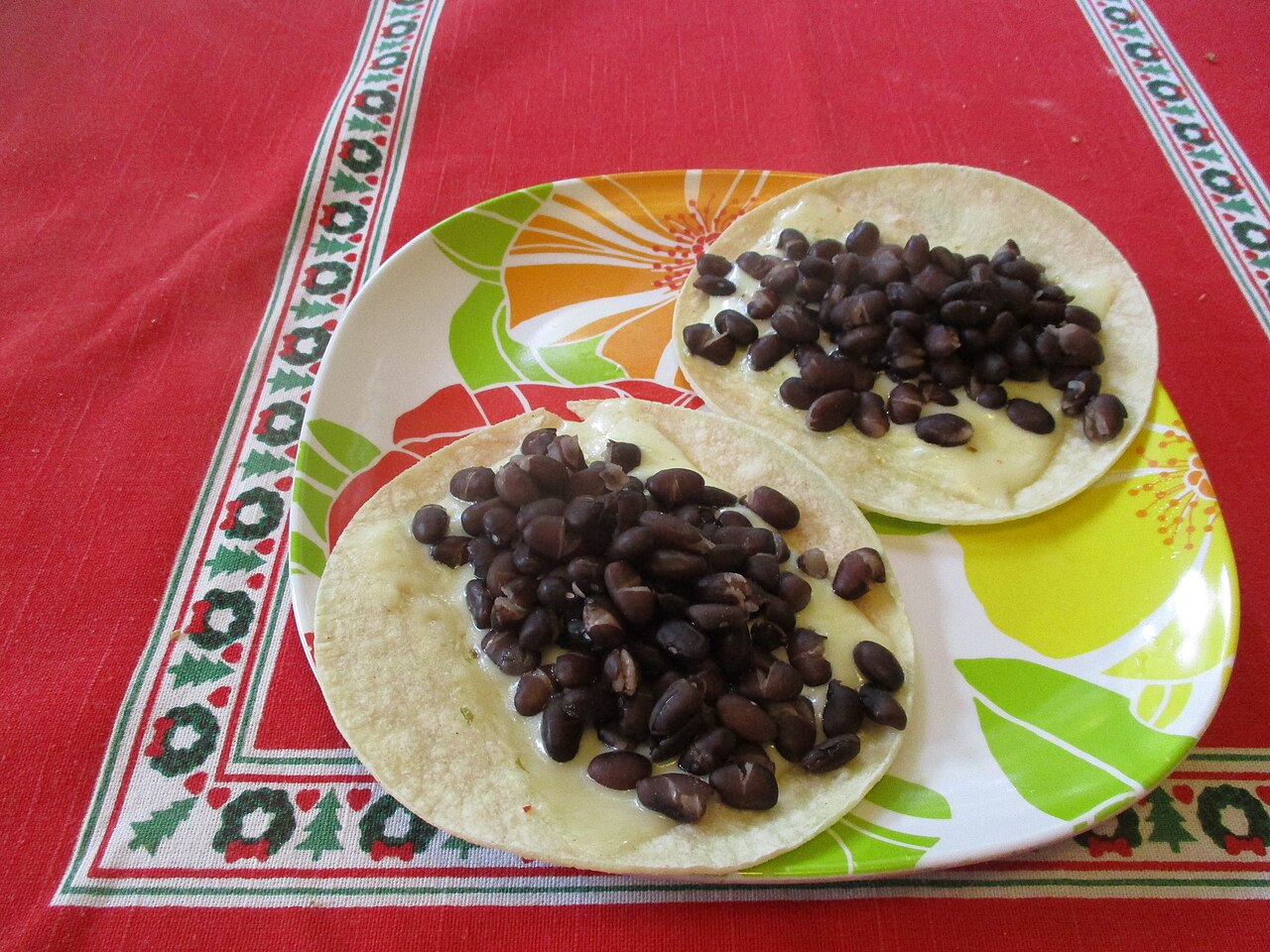
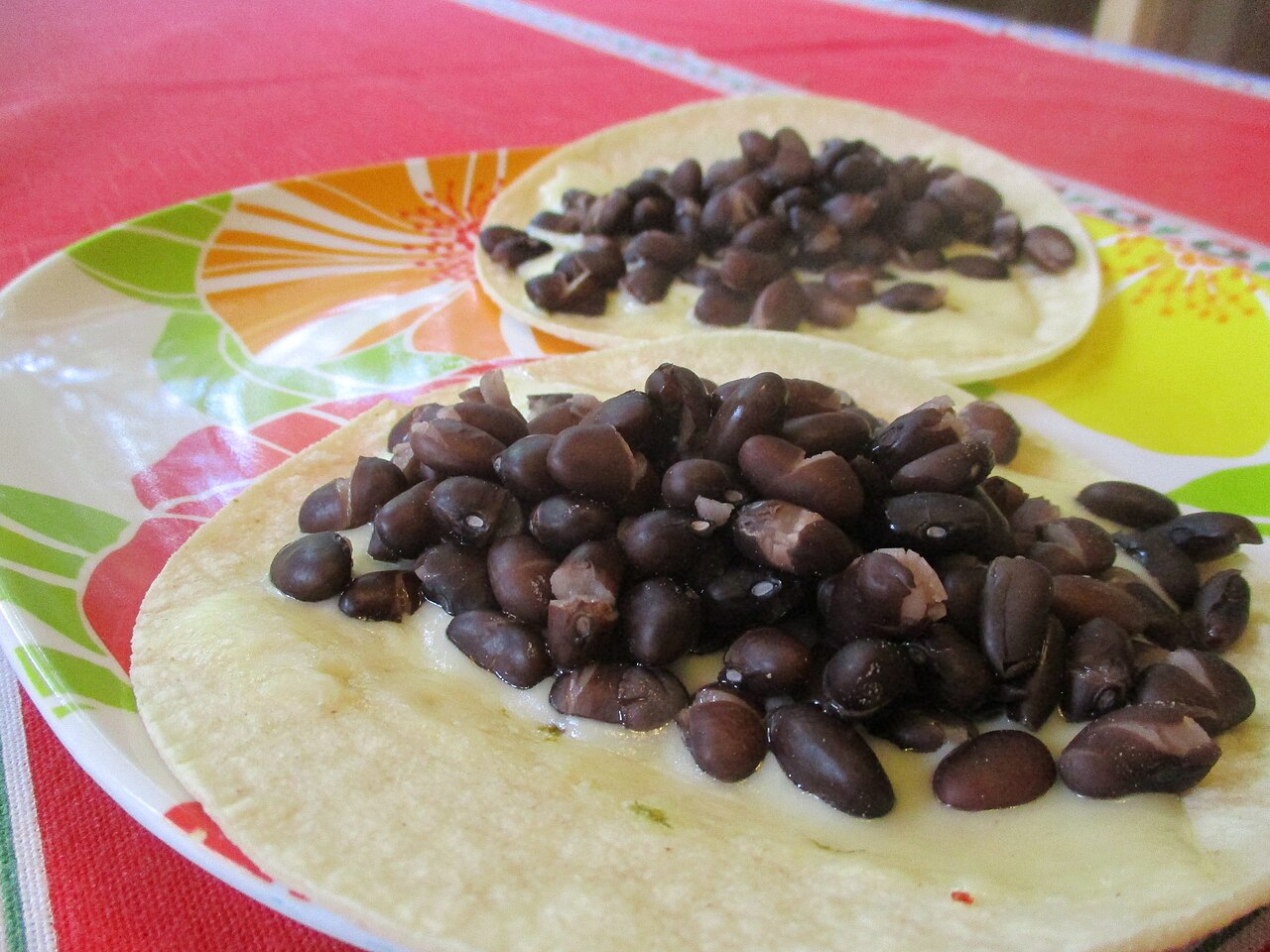
The corn tortilla's thin, circular, unleavened form makes it extraordinarily versatile in the kitchen. Its most celebrated role is as a wrapper: folded around fillings to create tacos, rolled into burritos, layered in enchiladas, or pressed into quesadillas. It can also function as an edible utensil, scooping up beans, salsas, or stews much like a spoon. When cooked further or fried, the tortilla transforms into entirely different products—tostadas become crisp plates for toppings, tortilla chips become a snack staple, and torn pieces find their way into tortilla soup. The tortilla's role extends beyond a single dish; it is the most consumed food in Mexican and Central American cuisine and serves as a national symbol of Mexico. Its softness is fleeting, however, as tortillas stale quickly, which is why daily preparation or fresh purchase from a tortilleria remains the norm in many communities. This impermanence has kept the craft alive across generations.
Gallery
Frequently Asked Questions
Who is Corn Tortilla?
Corn Tortilla is a thin, unleavened flatbread that has anchored Mesoamerican and North American food cultures since prehistoric times. It is crafted from hominy—maize processed through alkali treatment in a technique called nixtamalization. In Costa Rica, it sits at the center of the daily table alongside beans, rice, and grilled meats.
What is Corn Tortilla's origin story?
Corn Tortilla traces its roots to pre-Columbian Mexico and Central America, where indigenous peoples developed the nixtamalization process to turn raw maize into a workable dough. It predates the wheat flour tortilla by centuries, making it one of the oldest continuously prepared breads in the Western Hemisphere. Its Nahuatl name, Tlaxcalli, is a direct echo of that ancient Mesoamerican heritage.
What role does Corn Tortilla play in Costa Rican cuisine?
In Costa Rica, Corn Tortilla functions as the essential carbohydrate base for countless everyday dishes, from breakfast pairings with beans and eggs to wraps for grilled chicken and vegetables. It is a daily staple rather than a special-occasion item, found in virtually every household and roadside food stall. Its diameter typically ranges from about 6 cm for small portions to over 30 cm for larger servings.
What are Corn Tortilla's known aliases and color variants?
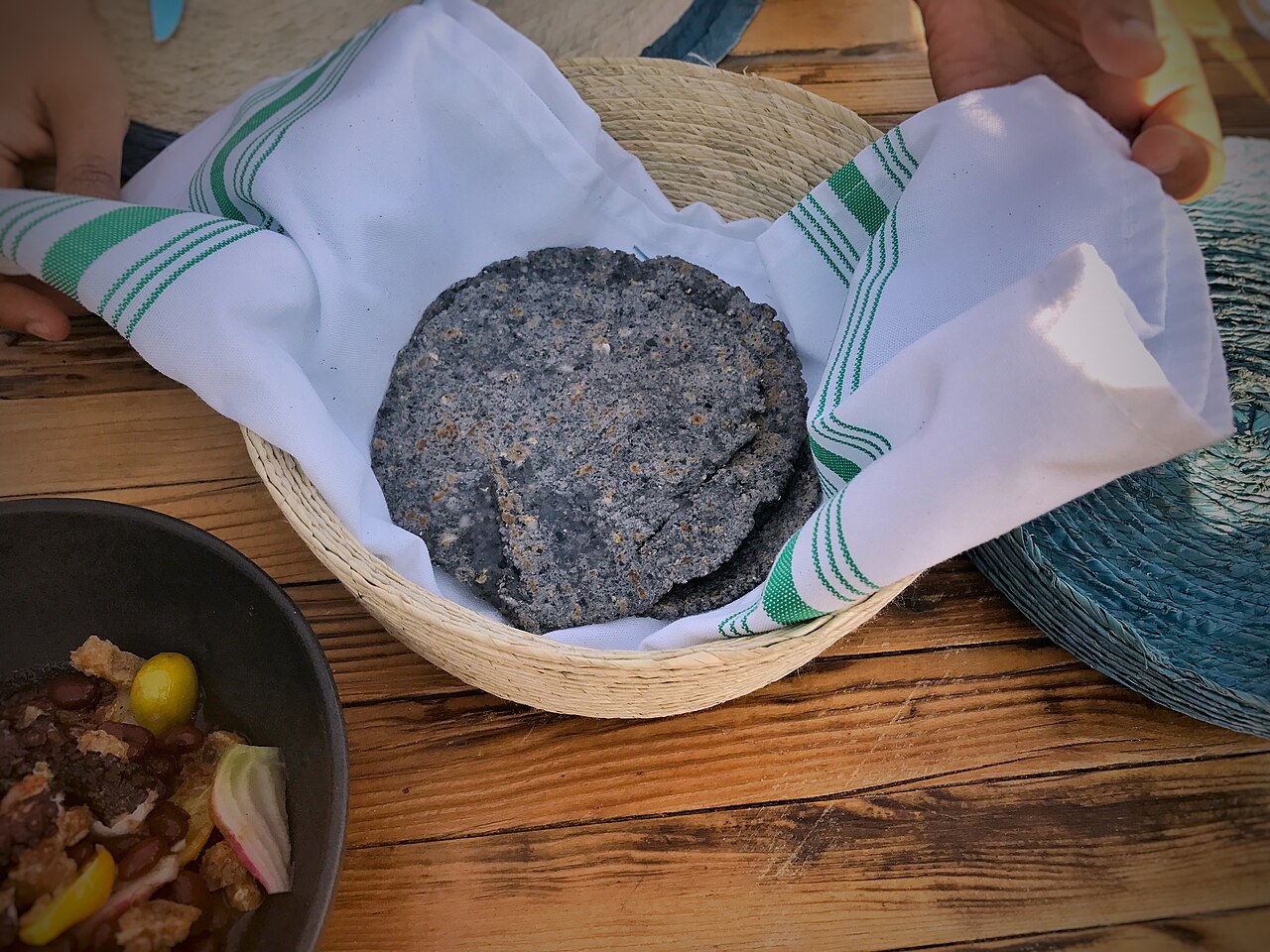
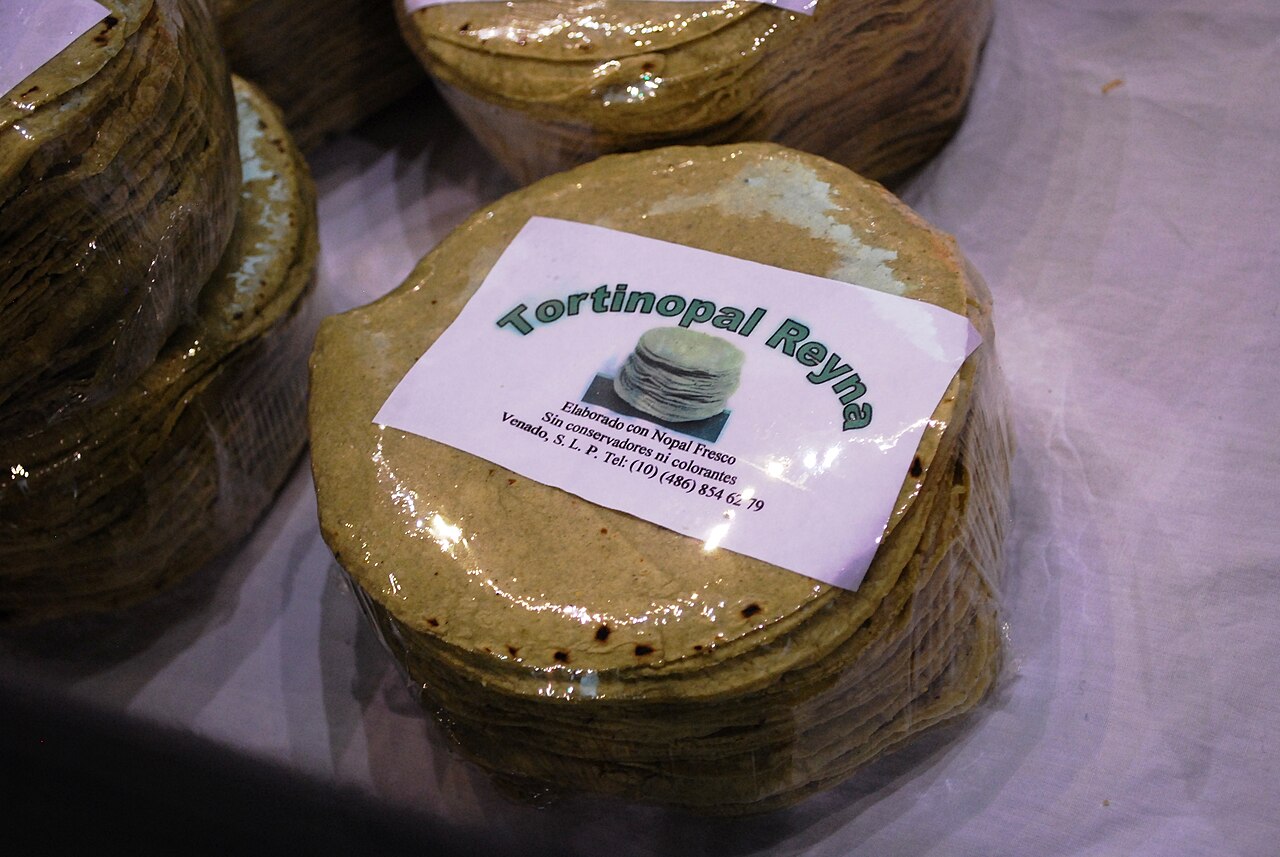
Corn Tortilla goes by the Nahuatl name Tlaxcalli, a remnant of its pre-Columbian identity. Depending on the variety of maize used, it can appear white, yellow, or in rarer blue and near-black shades. These color differences come entirely from the natural pigments in the corn kernel rather than any added dye.
Why is Corn Tortilla considered a legendary figure in food history?
Corn Tortilla has sustained entire civilizations as a primary energy source for well over a thousand years, predating the introduction of wheat to the Americas by European colonizers. Its nixtamalization technique unlocked nutrients in maize that would otherwise remain inaccessible, representing a genuine nutritional breakthrough of the ancient world. Today it remains a daily staple across Costa Rica, Guatemala, Belize, El Salvador, Honduras, and Nicaragua.
More in Costa Rican cuisine 1-24
Spotted an error? Know more?
Reader corrections go straight into our review queue. Suggest an edit · How this site is sourced