Beer in Costa Rica
Costa Rican beer history blends industrial lagers with a growing craft scene.

Fespinozalemistre · CC BY-SA 4.0
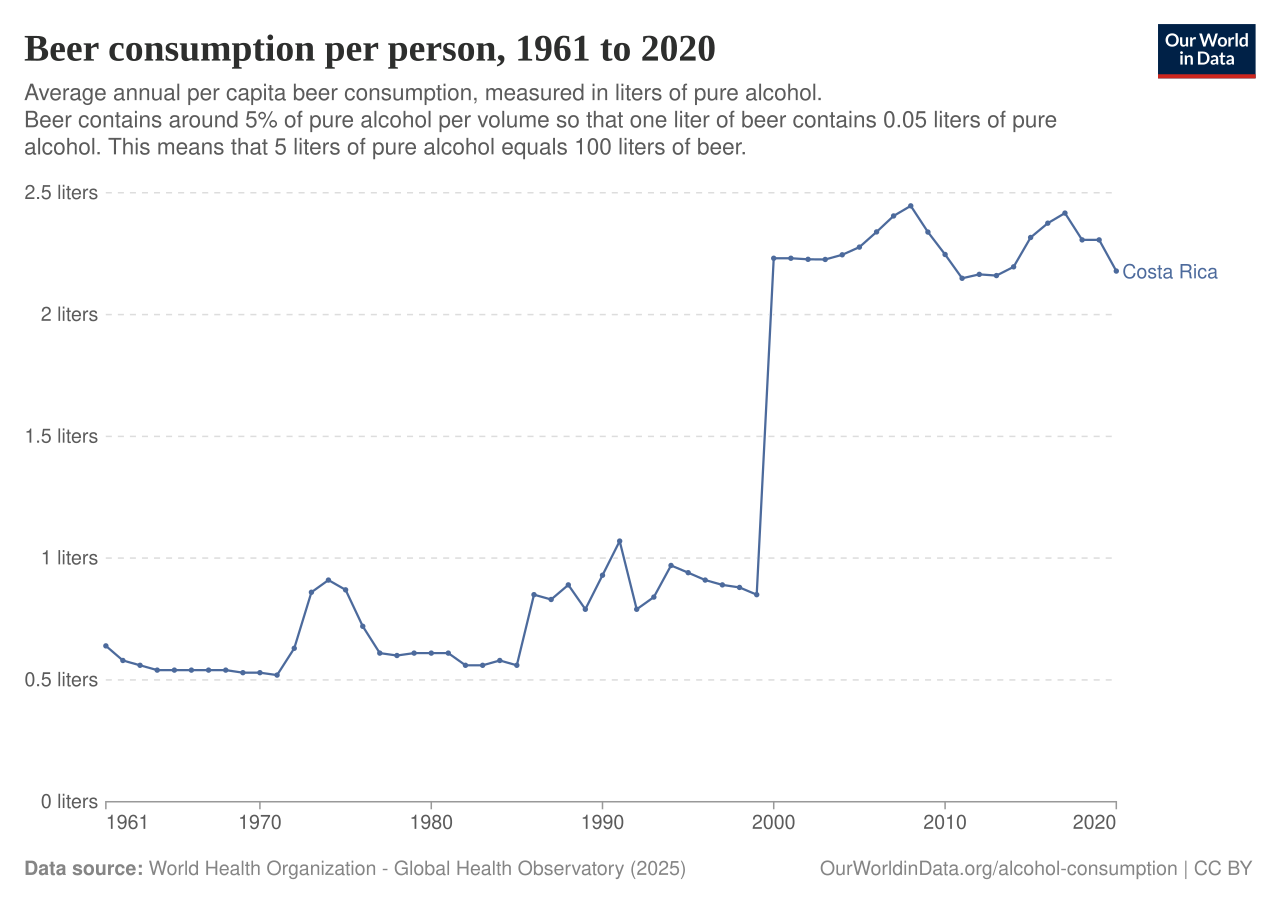
Beer in Costa Rica has been shaped by a strong industrial lager tradition, dominated by Florida Ice & Farm Co., and a more recent craft beer movement. The country's inability to grow raw materials like barley and hops has led to a heavy reliance on imported ingredients, while the industry's history dates back to the mid-19th century with numerous breweries in San José and Cartago.
- First brewery patent
- February 1851, at a price of fifty pesos
- Craft beer milestone
- First microbrew pub, Cabeza Grande, established around 2000 or 2001
- Number of microbreweries by 2022
- Around 100–120
Lore & Background
The history of beer in Costa Rica began in February 1851 with a brewery patent. By April 1856, Cerveza de Torres, a barley and hops beer, was advertised by the Joy & von Schröter commercial house. Later, a dark beer was produced, but the business closed by 1861. In 1867, James Hasland and Arthur Kopper opened a brewery in Cartago, and in 1868 President José María Castro Madriz requested Karl Johanning to build a state-managed brewery in San José to raise funds during a coffee crisis. By the 1880s, at least six breweries operated in San José and Cartago, including Cervecería del León, which produced up to 7,500 bottles daily, and Cervecería Irazú.
Reader's Guide
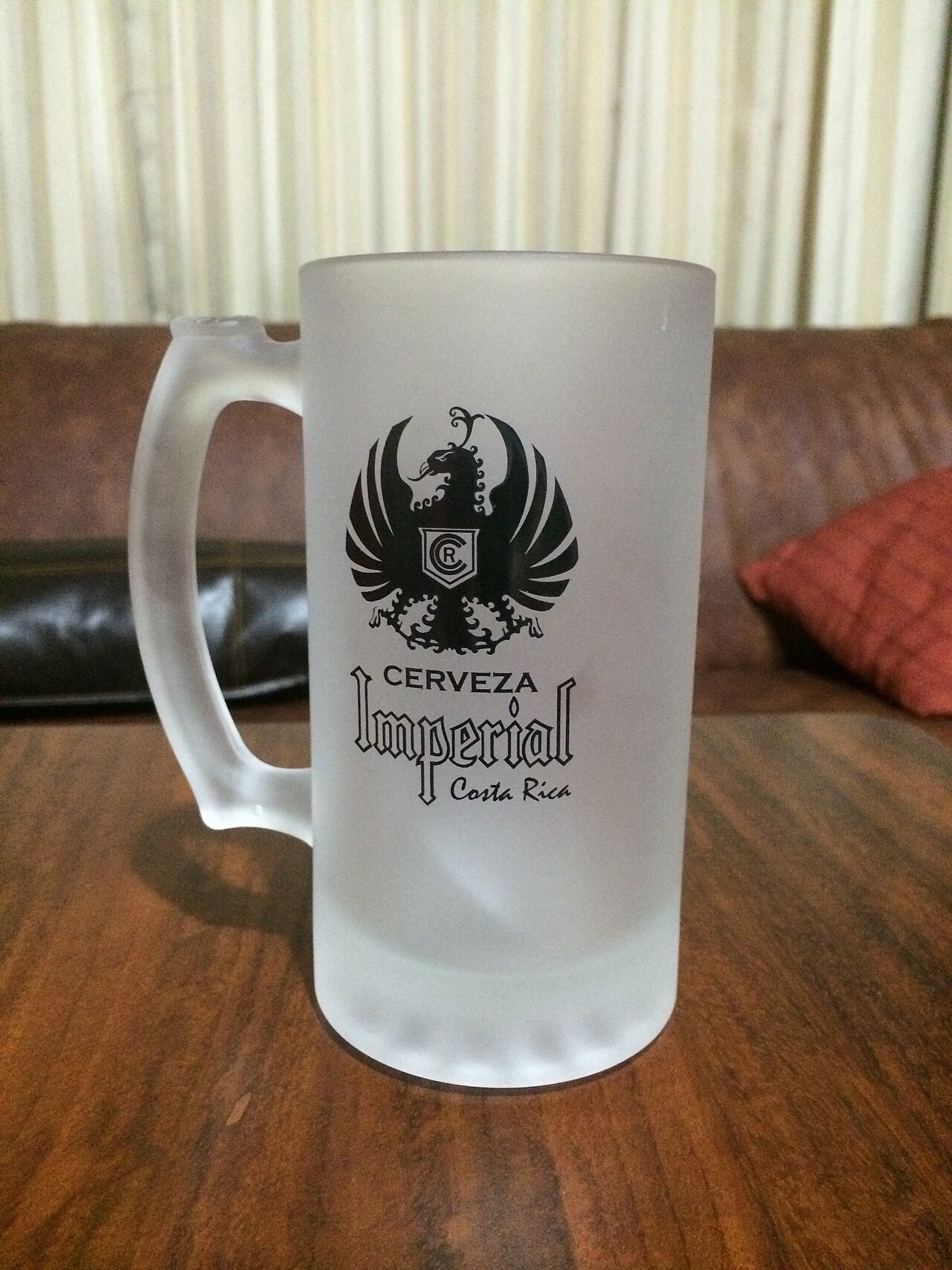
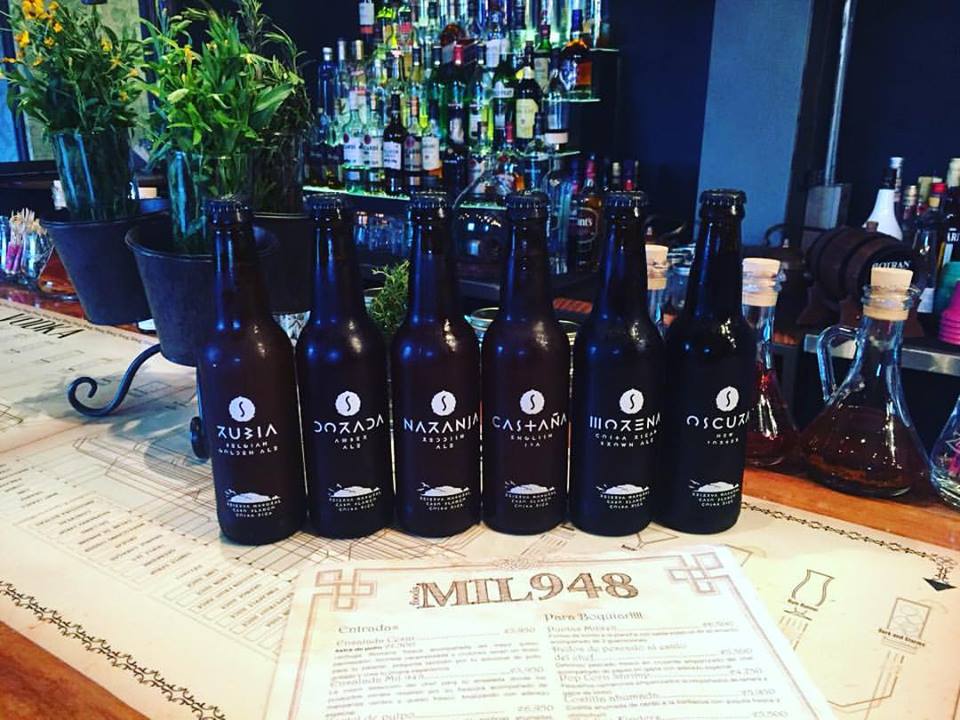
Florida Ice & Farm Co., founded in 1908 by the Lindo Morales brothers in Siquirres, Limón, acquired Gran Cervecería Traube in 1912, inheriting the Pilsen Traube recipe that became Pilsen. In 1957, it acquired the Ortega family brewery, which had started producing Imperial and Bavaria in 1914. Through further acquisitions of Cervecería Tropical in 1977 and 1988, Florida Ice & Farm Co. consolidated the country's beer production into a single company, limiting available styles to industrial lagers until the early 21st century. The craft beer movement began with K&S restaurant in 1997 and Cabeza Grande in 1998, and grew significantly after 2010 with the Costa Rica Craft Beer Co. and the import of ingredients by TicoBirra and La Bodega de Chema. By 2022, around 200 microbreweries existed, with a notable boom in Guanacaste Province. A trademark dispute over the name 'Búho' between El Búho Cervecería Artesanal and Florida Ice & Farm Co.'s La Micro Brewing Company was resolved in favor of the larger company.
Did You Know?
- The first advertised beer in Costa Rica was Cerveza de Torres in April 1856, sold at two pesos or fourteen reales if the bottle was returned.
- Florida Ice & Farm Co. was founded by the Lindo brothers on September 16, 1908, and originally produced ice and agricultural goods.
- The craft beer festival in Costa Rica grew from 400 attendees in its first year to around 3,000 in 2014.
- In 2014, Florida Ice & Farm Co. started its craft beer division, La Micro Brewing Company, in response to the growth of microbreweries.
The Daily Rhythm of Rice and Beans
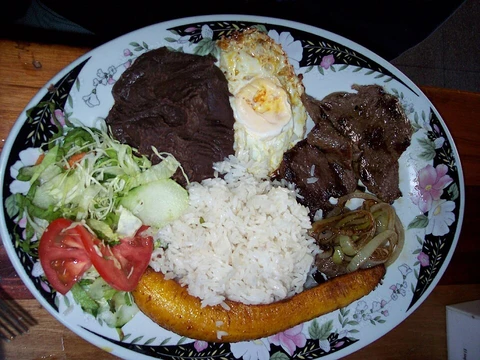
Rice and black beans form the backbone of nearly every Costa Rican meal, appearing at breakfast, lunch, and dinner. This starch-rich foundation is complemented by potatoes, creating a diet that nutritionally covers a wide range. The national dish, gallo pinto, takes rice and red or black beans and stir-fries them together with cilantro, red pepper, onion, celery, and Salsa Lizano to produce a distinctive speckled look. It is typically paired with scrambled or fried eggs and sour cream or cheese at the start of the day. For lunch, the casado presents the same staples side by side rather than mixed, accompanied by a protein, salad, and optional extras like patacones or white cheese. The name casado, meaning married man, traces back to wives packing field workers' lunches in banana leaves. Both dishes are available across the country at affordable prices, anchoring the everyday food culture of Ticos.
Indigenous Roots and Colonial Layers
Long before Spanish colonization, the Chorotega and other Indigenous peoples of Costa Rica built their diets around maize. That legacy persists: cornmeal remains central to dishes like tamales, which are prepared for virtually every celebration, especially Christmas. A traditional tamale is a cornmeal-and-lard dough stuffed with meat, rice, and vegetables, then wrapped in a plantain or banana leaf and steamed. The Chorotega variant fills the wrapper with deer or turkey, pumpkin seeds, tomatoes, and sweet peppers. Spanish colonial influence reshaped the broader cuisine, introducing pork, beef, and new cooking techniques, yet corn never lost its place. Tamales, originally brought to Central America by the Aztecs, now sit at the heart of Costa Rican festivity. The result is a cuisine where pre-Columbian grain traditions and post-conquest European ingredients coexist on every plate.
The Caribbean Coast's Distinct Table
Costa Rica's Caribbean coast carries a separate culinary identity shaped by Afro-Caribbean traditions. Where the Pacific side leans on gallo pinto, the Caribbean table features rice and beans simmered in coconut milk, typically served alongside fish and fried plantain. Holiday spreads on this coast include pork cracklings and a tripe soup known as mondongo, dishes that have no direct counterpart in the mainland's repertoire. Fish and seafood feature more prominently here than in the interior, and the overall flavor profile reflects the island-influenced heritage of the region. This geographic and cultural divide means that a traveler moving from San José to the Caribbean shore encounters an entirely different set of staples, cooking methods, and seasonal traditions, all within the same small country.
Condiments, Snacks, and the Social Table
Salsa Lizano, created in 1920 by the Lizano company, has become as essential to Tico cooking as salt and pepper. Its tangy blend of water, sugar, salt, onions, carrots, cauliflower, cucumber, pepper, mustard, turmeric, and monosodium glutamate seasons everything from gallo pinto to tamales. Locals sometimes call it salsa inglesa, drawing a parallel to Worcestershire sauce, and it is increasingly found in markets beyond Costa Rica's borders. Beyond the main plate, social eating revolves around bocas or boquitas, small portions of familiar dishes served at bars, parties, and family gatherings. Patacones, gallos (small corn-tortilla tacos filled with beef, chicken, or arracache), chicharrón, and the 1990s-born chifrijo all fill this role. Food is the glue of Costa Rican social life: family celebrations, holiday feasts, and casual bar nights all orbit the shared table.
Gallery
Frequently Asked Questions
What is the origin of brewing in Costa Rica?
The first brewery patent was granted in February 1851 for a fee of fifty pesos, and early brewing operations quickly took root in cities like San José and Cartago during the mid-19th century.
Why does Costa Rica import most of its beer ingredients?
Local climate and soil conditions make it impractical to cultivate barley and hops domestically, so breweries lean heavily on imported raw materials to produce both their lagers and newer craft styles.
Which company dominates the Costa Rican beer market?
Florida Ice & Farm Company (FIFCO) has long anchored the industry, giving the country a strong industrial lager tradition that shapes what most Costa Ricans reach for at the table.
When did the Costa Rican craft beer scene take off?
The first microbrew pub, Cabeza Grande, opened around 2000 or 2001, kicking off a movement that expanded to roughly 100–120 microbreweries by 2022.
Why is beer considered central to Costa Rican food culture?
Beer functions as the default pairing for everyday meals and social gatherings, linking the country's long industrial lager heritage to its growing craft options at every level of dining.
More in Costa Rican cuisine 1-24
Spotted an error? Know more?
Reader corrections go straight into our review queue. Suggest an edit · How this site is sourced