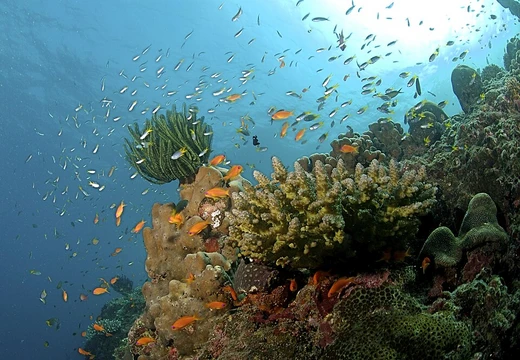
Montipora dilatata
A rare Hawaiian coral with variable morphology and limited distribution.

Montipora dilatata, commonly known as the Hawaiian reef coral, is a species of coral in the family Acroporidae. It is notable for its variable morphology, which can include encrustations, plates, knobs, and branches, and for its very smooth surface. The species is restricted to the Hawaiian archipelago, occurring in Kaneohe Bay, Oahu, and in the Northwestern Hawaiian Islands at several atolls and islands.
Quick Facts
- Taxon
- Montipora dilatata
Facts from the source article.
Lore & Background
Montipora dilatata exhibits highly variable morphology, with colonies forming any combination of encrustations, plates, knobs, and branches. It is a glabro-favoleate type characterized by a very smooth surface. Colonies are usually purple or brown and can reach 3 feet (1 m) in diameter. The species occurs only in the Hawaiian archipelago, specifically in Kaneohe Bay, Oahu, and in the Northwestern Hawaiian Islands at Midway Atoll, Pearl and Hermes Atoll, Lisianski Island, Laysan Island, Maro Reef, and French Frigate Shoals.
Ecologically, this species requires calm water in sub-tidal environments and is restricted to shallow, low-water motion environments such as lagoons and bays. It is easily broken into fragments by storms or bioerosion, and these fragments readily grow into new colonies. The species is very rare in Kaneohe Bay, though it used to be more abundant and occurred in large patches on some reef flats.
Threats to M. dilatata include vulnerability to coral bleaching due to high temperatures (it was the first species to bleach during the 1996 event in Kaneohe Bay), fresh water kills and exposure at extreme low tide, habitat degradation from sedimentation, pollution, alien alga species (Gracilaria salicornia, Kappaphycus and Eucheuma spp. algae) and invasive green alga (Dictyosphaeria cavernosa) in Kaneohe Bay, limited distribution, and damage by anchors, fish pots, swimmers, and divers. Two similar species—M. turgescens at Kure Atoll and M. cf. dilatata (recorded at one site out of 30 sites surveyed at Maro Reef in 2000-2002)—require genetic analysis to confirm their separation into distinct species.
Reader's Guide
Montipora dilatata is significant as a rare, endemic Hawaiian coral with a very restricted distribution. Its decline is documented: only three colonies were found in a 2000 survey, and it was the first species to bleach during the 1996 event in Kaneohe Bay, indicating high sensitivity to thermal stress. The species faces multiple threats including bleaching, freshwater kills, habitat degradation from sedimentation and pollution, competition from alien and invasive algae, and physical damage from human activities. Its limited distribution makes it especially vulnerable. The species is listed as a U.S. National Marine Fisheries Service Species of Concern, meaning there are concerns about its status and threats but insufficient information to list it under the U.S. Endangered Species Act. Coral collection is not allowed in state waters of Hawaii without a research permit. The presence of similar species (M. turgescens and M. cf. dilatata) that may require genetic analysis underscores taxonomic uncertainties that could affect conservation priorities. The species' ability to regenerate from fragments offers some resilience, but overall its rarity and the array of threats highlight its precarious status.
Did You Know?
- Only three colonies of Montipora dilatata were found in a 2000 survey.
- The species is easily broken into fragments by storms or bioerosion, and fragments readily grow into new colonies.
Frequently Asked Questions
Who is Montipora dilatata?
Montipora dilatata, nicknamed the Hawaiian reef coral, is a stony coral in the family Acroporidae. It is a geographically isolated species found exclusively within the Hawaiian archipelago.
What are Montipora dilatata's powers/role?
Its standout trait is an unusually variable growth form—it can appear as encrusting sheets, flat plates, rounded knobs, or branching structures depending on local conditions. The colony surface is notably smooth, and colonies can reach roughly three feet in diameter while typically displaying purple or brown hues.
Why is Montipora dilatata important?
Because it is endemic to the Hawaiian archipelago, it serves as a living indicator of the health of those specific reef ecosystems. Its presence in habitats like Kaneohe Bay, Midway Atoll, and the French Frigate Shoals makes it a key structural component of the coral community there.
Where can I find Montipora dilatata?
You will only encounter it in Hawaiian waters—specifically Kaneohe Bay on Oahu and across the Northwestern Hawaiian Islands at sites including Midway Atoll, Pearl and Hermes Atoll, Lisianski Island, Laysan Island, Maro Reef, and the French Frigate Shoals. It does not occur outside this archipelago.
More in Coral Reefs, Part 2 1-24
Spotted an error? Know more?
Reader corrections go straight into our review queue. Suggest an edit · How this site is sourced