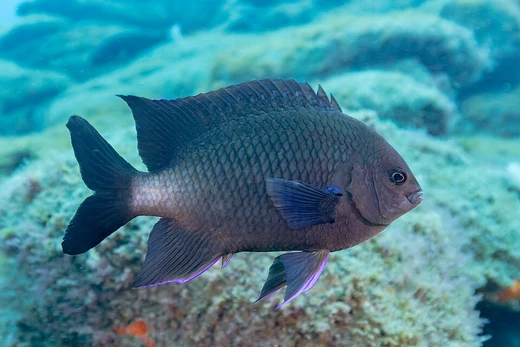
Chrysiptera
A genus of damselfish in the family Pomacentridae.

Chrysiptera is a genus within the damselfish family, Pomacentridae. The genus currently includes 35 recognized species, such as the twin-spot damselfish (Chrysiptera biocellata), the sapphire damselfish (Chrysiptera cyanea), and the king damselfish (Chrysiptera rex). Other members are the grey damselfish (Chrysiptera glauca), the black damselfish (Chrysiptera niger), and the one-spot damselfish (Chrysiptera unimaculata). The list also features species named after people, including Arnaz's damselfish (Chrysiptera arnazae), Burt's damselfish (Chrysiptera burtjonesi), and Sheila's damselfish (Chrysiptera sheila).
Quick Facts
- Taxon
- Chrysiptera
- Type Species
- Glyphisodon azureus
- Type Species Authority
- Cuvier, 1830
Facts from the source article.
Lore & Background
The genus Chrysiptera was established within the family Pomacentridae. As of the source article, there are 35 recognized species in this genus. Many species bear common names that reflect their appearance or the person they honor, such as the Twin-spot damselfish (Chrysiptera biocellata), the Sapphire damselfish (Chrysiptera cyanea), and the King damselfish (Chrysiptera rex). The species were described by various ichthyologists including G. R. Allen, Erdmann, and others, with descriptions spanning from the early 19th century to 2017.
Reader's Guide
The genus Chrysiptera is significant within the family Pomacentridae due to its large number of recognized species—35 in total. The species list includes many that were described relatively recently, such as Chrysiptera burtjonesi (2017) and Chrysiptera arnazae (2010), indicating ongoing taxonomic work. The common names often highlight distinctive features (e.g., Blue-line damselfish, Yellow-fin damselfish) or honor individuals (e.g., Ellen's damselfish, Maurine's damselfish). The genus includes species from various regions, as suggested by names like Papuan damselfish and Easter damselfish. The source article provides a comprehensive list of species but does not discuss their ecology, behavior, or conservation status.
Did You Know?
- Chrysiptera is a genus of damselfish in the family Pomacentridae.
- There are currently 35 recognized species in the genus Chrysiptera.
- The species Chrysiptera burtjonesi was described in 2017.
- Common names include Twin-spot damselfish, Sapphire damselfish, and King damselfish.
More in Clownfish and Damselfish 1-24
Spotted an error? Know more?
Reader corrections go straight into our review queue. Suggest an edit · How this site is sourced