Ascophyllum
A single-species genus of dominant intertidal brown algae.

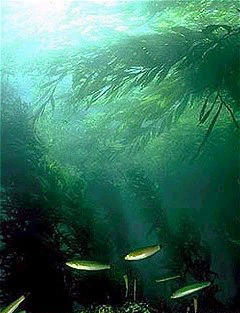
Ascophyllum is a genus of brown algae in the family Fucaceae, containing only the single species Ascophyllum nodosum. This large, cold-water seaweed is commonly known as knotted wrack, egg wrack, rockweed, or Norwegian kelp, and it dominates the intertidal zone of the northern Atlantic Ocean. It is notable for its ecological dominance, commercial harvest for alginates and fertilizers, and its use in scientific research and human health applications.
Quick Facts
- Genus
- Ascophyllum
- Species
- nodosum
Facts from the source article.
Lore & Background
The species was originally described as Fucus nodosus by Linnaeus in 1753. It was later transferred to the genus Ascophyllum by Stackhouse, under the name Ascophyllum laevigata, and the combination Ascophyllum nodosum was made by Le Jolis in 1863. Ascophyllum nodosum has long, tough, leathery fronds that are irregularly dichotomously branched, with large, egg-shaped air bladders set in series at regular intervals. The fronds are olive-green to olive-brown, lack a midrib, and are attached by a holdfast to rocks and boulders. Young shoots are yellow and darken with age. The species is dioecious, with gametes produced in spring in conceptacles embedded in yellowish receptacles on short branches. A year after fertilization, the first frond grows, and an air bladder forms at the beginning of year 2, which allows aging of individuals.
Reader's Guide
Ascophyllum nodosum is ecologically significant as the dominant species in the midlittoral zone of sheltered shores across the northern Atlantic, from the White Sea to Portugal and from east Greenland to the northeastern coast of North America. Its distribution is limited by warmer waters, salinity, wave exposure, temperature, desiccation, and stress. The air bladders aid photosynthesis by floating fronds toward sunlight, and excess sperm released during reproduction can serve as food for plankton. The mats provide habitat for barnacles, periwinkles, and marine isopods, while phlorotannins defend against herbivorous snails. The red alga Polysiphonia lanosa grows as an epiphyte on Ascophyllum. Commercially, it is harvested for alginates, fertilizers, and seaweed meal, and has been used for centuries in Ireland, Scotland, and Norway. It has dental and anti-inflammatory benefits in humans, dogs, and cats, and extracts show potential for weight control in obese mice. It is also used to monitor heavy metals and environmental radioactivity. Harvesting is managed sustainably in some regions, with annual removal of 17–25% of biomass in Canada and Maine allowing recovery within a year.
Did You Know?
- Ascophyllum nodosum is the only species in the genus Ascophyllum.
- Its air bladders allow fronds broken by waves to disperse and regrow elsewhere.
- The species has been used for over fifty years to monitor heavy metal concentrations in seawater.
- Free-floating forms, such as Ascophyllum nodosum mackaii, are found in sheltered sea lochs in Scotland and Ireland.
More in Brown Macroalgae and Kelp, Part 2 1-24
Spotted an error? Know more?
Reader corrections go straight into our review queue. Suggest an edit · How this site is sourced