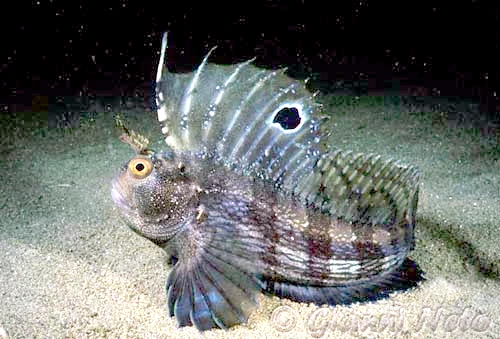
Parablennius
A diverse genus of combtooth blennies from three oceans.

Parablennius is a genus of combtooth blennies with a wide distribution across the Atlantic, western Pacific, and Indian Oceans. It contains 26 currently recognized species. Among these are the Tompot blenny, Mystery blenny, and Horned blenny, along with others such as the Crested blenny, Mud blenny, Seaweed blenny, Cheekspot blenny, Rock-pool blenny, Ringneck blenny, False Tasmanian blenny, Longstriped blenny, Portuguese blenny, Rusty blenny, Tasmanian blenny, Tentacled blenny, Tasseled blenny, Yatabe blenny, and Zvonimir's blenny.
Quick Facts
- Taxon
- Parablennius
- Type Species
- Parablennius pilicornis
- Type Species Authority
- (Cuvier, 1829)
Facts from the source article.
Lore & Background
Parablennius is a genus of combtooth blennies, with 26 recognized species. The species were described by various authors including Linnaeus, Rüppell, Bath, Valenciennes, and others, spanning from the 18th to the late 20th century. Many species have common names, such as Parablennius gattorugine (Tompot blenny), Parablennius incognitus (Mystery blenny), and Parablennius intermedius (Horned blenny). The genus is found in the Atlantic, western Pacific, and Indian Ocean.
Reader's Guide
The genus Parablennius is notable for its diversity, comprising 26 species of combtooth blennies. Its distribution across the Atlantic, western Pacific, and Indian Ocean highlights its wide ecological range. The species within this genus have been described by multiple ichthyologists over centuries, reflecting ongoing taxonomic work. Common names like Tompot blenny, Mystery blenny, and Horned blenny indicate morphological or behavioral traits. The genus serves as a key group for studying blenny diversity and biogeography in warm and temperate waters.
Did You Know?
- Parablennius contains 26 recognized species.
- Species were described by authors such as Linnaeus, Rüppell, and Bath.
More in Blennies 1-24
Spotted an error? Know more?
Reader corrections go straight into our review queue. Suggest an edit · How this site is sourced