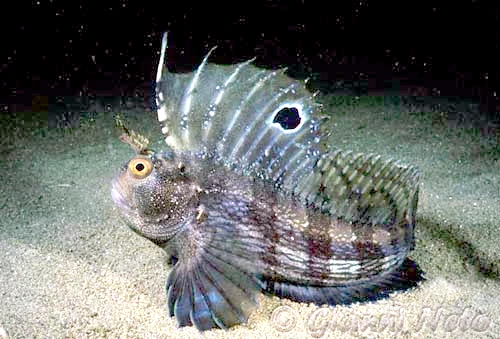
Meiacanthus
A genus of venomous combtooth blennies from the Indo-Pacific.

Meiacanthus is a genus of combtooth blennies native to the western Pacific and Indian Oceans. A number of its species are commonly sold for home aquariums, and some of them are venomous. The name *Meiacanthus* comes from Greek words meaning "less" and "thorn," a reference to the fact that most species in this group have relatively few spines on their dorsal fin.
Quick Facts
- Taxon
- Meiacanthus
- Type Species
- Petroscirtes ovalanensis
- Type Species Authority
- Günther, 1880
Facts from the source article.
Lore & Background
The genus name Meiacanthus is derived from the Greek meion meaning 'less' and akantha meaning 'thorn', referring to most species having relatively few dorsal fin spines. These blennies are found in the western Pacific and Indian oceans. Many species in this genus make their way into the aquarium trade, and several are venomous.
Reader's Guide
Meiacanthus is a genus of combtooth blennies notable for its presence in the aquarium trade and the venomous nature of several species. The genus name, from Greek words meaning 'less' and 'thorn', reflects the reduced number of dorsal fin spines in most species. The genus comprises 28 recognized species, distributed across the western Pacific and Indian oceans. The article lists these species with their authorities and common names, such as the Threadless blenny (Meiacanthus anema), Forktail blenny (Meiacanthus atrodorsalis), and Striped poison-fang blenny (Meiacanthus grammistes). The significance of Meiacanthus lies in its dual role as both a popular aquarium fish and a group containing venomous members, which adds a layer of caution for hobbyists. The species list includes many described by Smith-Vaniz and others, indicating ongoing taxonomic work. The genus's ecological and commercial importance is underscored by its wide distribution and the number of species that enter the aquarium trade.
Did You Know?
- The genus name Meiacanthus means 'less thorn' in Greek, referring to few dorsal fin spines.
- Several species in this genus are venomous.
- Many Meiacanthus species are traded in the aquarium industry.
- The genus contains 28 recognized species.
Nomenclature & Morphological Identity
The genus Meiacanthus carries a name that tells you something about the fish's body plan before you even see one. The term is built from two Greek roots: meion, meaning "less," and akantha, meaning "thorn." Together they signal a defining anatomical trait shared by most members of the group—a relatively small number of dorsal fin spines compared to other blenny lineages. This morphological signature is so central to the genus that it earned a place in the very name, distinguishing combtooth blennies from their more heavily spined relatives. The familiar common name "combtooth blenny" reinforces the same idea of a reduced, comb-like arrangement of spines along the dorsal profile. For ichthyologists working in the western Pacific and Indian Oceans, recognizing this modest spine count has long served as a quick field clue that a specimen belongs to Meiacanthus rather than a more heavily armored blenny genus. The etymology thus does double duty: it is both a taxonomic label and a practical morphological shorthand that has guided identification for well over a century.
Taxonomic Depth & the Smith-Vaniz Legacy
Twenty-eight species currently make up the genus Meiacanthus, a count that reflects both genuine biological diversity and decades of careful taxonomic work. The earliest species in the list, described by Valenciennes in 1836, predates modern ichthyology by more than a century, while the most recent addition, Meiacanthus solomon, was only named in 2019 by Smith-Vaniz and Allen. In between, a remarkable concentration of new species emerged from the work of William F. Smith-Vaniz, who is credited with describing or co-describing the majority of the genus. His contributions span from the 1960s through the 2010s, revealing that what once appeared to be a handful of similar blennies was in fact a richly diverse group. Other notable contributors include Günther, Bleeker, De Vis, Tomiyama, Klausewitz, and J. L. B. Smith, each adding species from different regions and decades. The breadth of authors and the span of nearly two centuries underscore how slowly and painstakingly the full picture of this genus has been assembled.
Venom, Danger & the Aquarium Trade
For the casual aquarist, Meiacanthus species are often encountered as colorful, small-bodied reef fish that fit neatly into a community tank. Yet behind their modest size and sometimes striking coloration lies a genuine hazard: several species in the genus are venomous. This toxic capability, hinted at by common names like poison-fang blenny and fangblenny, makes these small fish a double-edged attraction in the aquarium trade. Many species are regularly collected and sold to hobbyists across the globe, drawn by the visual appeal of patterns like the black lines of the blackline fangblenny or the bold striping of the striped poison-fang blenny. The recurring use of "fang" and "poison" in the common names of multiple species serves as a constant reminder that the danger is not merely decorative. Prospective keepers must weigh the aesthetic reward against the very real risk of envenomation, and those who handle these fish professionally—collectors, transporters, and shop staff—need to respect the venom as a serious biological weapon rather than a minor curiosity. The combination of beauty and bite is what makes Meiacanthus both beloved and feared in the marine aquarium world.
Geographic Range & Common Name Palette
The genus Meiacanthus is distributed across the western Pacific and Indian Oceans, a range that stretches from the waters off Mozambique to the islands of Tonga and the Solomon Islands. This broad tropical footprint is echoed in the common names assigned to various species, many of which reference their geographic origin or a distinctive visual trait. The Mozambique fangblenny and the Tonga blenny carry their homeland in their name, while the Solomon blenny does the same for a more recently described species. Other names highlight morphology or pattern: the threadless blenny, the forktail blenny, the disco blenny, the lined fangblenny, the one-striped fangblenny, and the yellow fangbelly. The recurring use of "fangblenny" and "poison-fang blenny" across multiple species reinforces the shared venomous trait that defines the group. Together, this palette of common names paints a picture of a genus that is both geographically widespread and morphologically varied, with each species earning a nickname that captures something memorable about its appearance or origin.
Frequently Asked Questions
What is Meiacanthus?
Meiacanthus is a genus of 28 combtooth blenny species native to the western Pacific and Indian Oceans. Several of them are popular in the home aquarium trade, though a number carry venom that makes handling them a bit risky for hobbyists.
What does the name Meiacanthus actually mean?
It's built from two Greek roots: 'meion' (less) and 'akantha' (thorn). The name is a nod to the fact that most species in this group sport a relatively small number of dorsal-fin spines compared to other blenny lineages.
Are Meiacanthus blennies dangerous to keep in a tank?
Some species are venomous, so yes, they can sting if you grab them carelessly. The venom is tied to their dorsal spines, which is ironic given the genus is literally named for having fewer of those spines.
Where in the world can I find Meiacanthus in the wild?
They range across the western Pacific and the Indian Ocean, placing them squarely in the Indo-Pacific marine zone. That broad distribution is one reason so many different species end up in the aquarium trade.
How many species are in the Meiacanthus genus?
There are 28 recognized species, all belonging to the combtooth blenny family. The group is fairly diverse, which is part of what keeps fish-keeping enthusiasts and taxonomists interested in sorting out which is which.
More in Blennies 1-24
Spotted an error? Know more?
Reader corrections go straight into our review queue. Suggest an edit · How this site is sourced