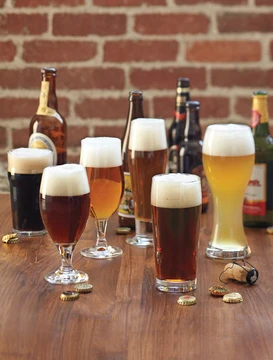
Steam beer
Lager yeast fermented at ale temperatures, born of necessity.

Hazel Greenfield · CC BY-SA 2.0
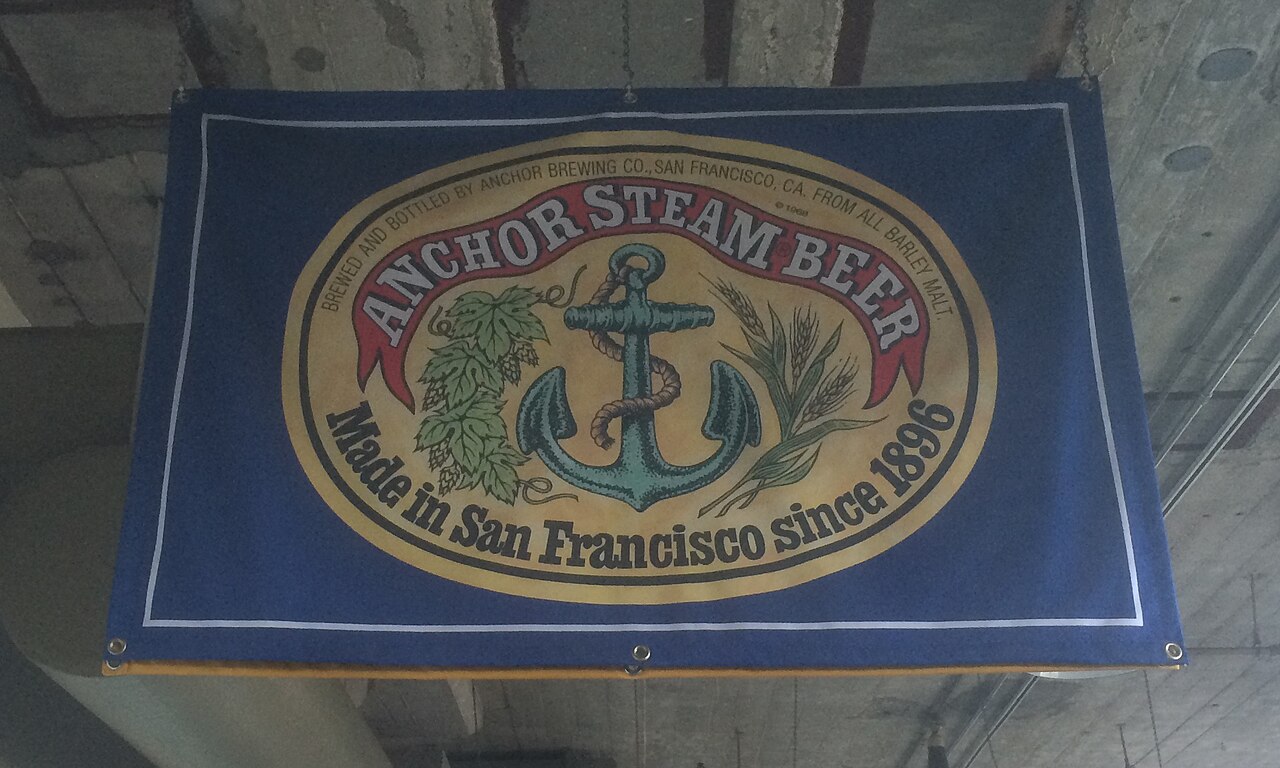
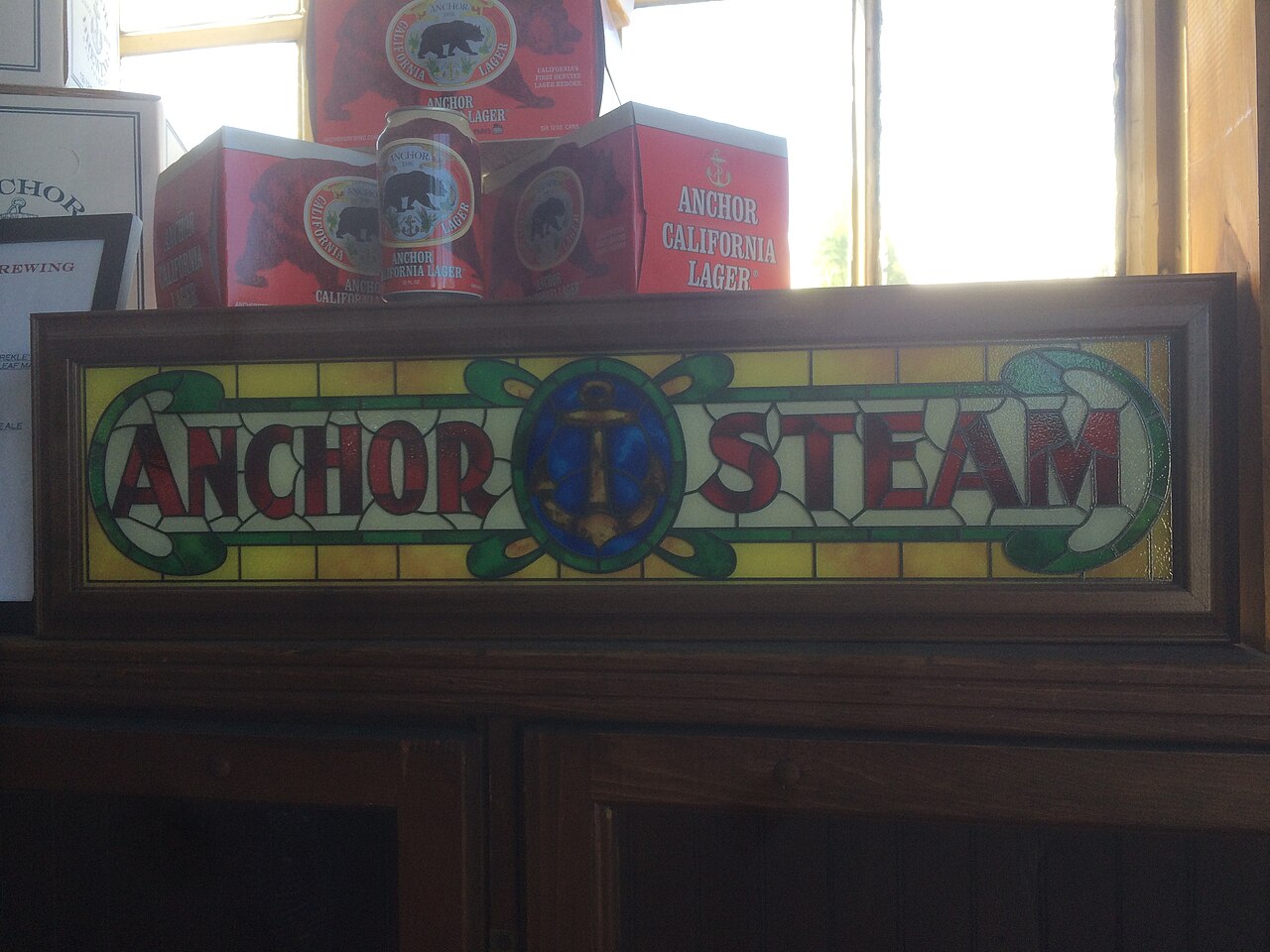
Steam beer, often called California common beer, is produced by fermenting lager yeast at temperatures more typical of ales. Its origins trace back to Bavaria, Germany, but it is now most strongly linked to San Francisco and the broader West Coast of the United States. The process was an improvised solution born from necessity, and in its early days, the beer was regarded as cheap and of low quality—a reputation reflected in literary references from the 1890s and 1900s. The modern version of steam beer was introduced by the Anchor Brewing Company, which secured a trademark on the term in 1981 and shut down in 2023. Although the company had a continuous corporate history with a small brewery that had been operating since the 1890s, Anchor Steam was actually a modern craft-brewed lager. Anchor Brewing never asserted that its product closely resembled the steam beer of the early 20th century.
The name “steam beer” has several proposed explanations. According to Anchor Brewing, it came from the brewery’s lack of a conventional method to cool boiling wort. Instead, they pumped the hot wort into large, shallow, open-top bins on the roof, where it was rapidly chilled by cool Pacific Ocean breezes. This created a noticeable cloud of steam above the brewery as the wort cooled, giving the beer its name. Another theory suggests that the high carbon dioxide pressure generated during the 19th-century steam-beer process required releasing “steam” before the beer could be dispensed. It is also possible that the name or technique derives from Dampfbier (literally “steam beer”), a traditional German ale fermented at unusually high temperatures that may have been familiar to 19th-century American brewers of German descent—though Dampfbier is an ale, not a lager.
In 19th-century California, brewers discovered a strain of lager yeast capable of fermenting at higher temperatures. Beer flavor is shaped by both the yeast strain and fermentation temperature. Lager yeast performs best between 48 and 58 °F (9 to 14 °C), with classic lagering lasting weeks to months at 37 °F (3 °C). Ale yeast, in contrast, works well between 55 and 75 °F (13 to 24 °C) and produces a more pronounced flavor. Steam beer uses bottom-fermenting lager yeast at ale temperatures, yielding a distinctive flavor profile that blends characteristics of both ales and lagers.
- Fermentation temperature range
- 48 to 58 °F (9 to 14 °C) for lager yeast; ale yeast 55 to 75 °F (13 to 24 °C)
- Classic lagering temperature
- 37 °F (3 °C)
- Trademark year
- 1981
- Anchor brewery closure year
- 2023
- Historical references
- 1890s and 1900s literature
Lore & Background
In 19th-century California, brewers found a strain of lager yeast that would ferment at higher temperatures. The flavor of beer is influenced by the yeast strain and fermentation temperature; steam beer uses bottom-fermenting lager yeasts at ale temperatures, resulting in a distinctive flavor profile with both ale and lager characteristics. While considered a specialty microbrew style today, it was originally a cheap beer for blue-collar workers. Wahl and Heinus's American Handy Book of Brewing and Malting (1902) describes California Steam Beer as 'a very clear, refreshing drink, much consumed by the laboring classes.' Adjuncts such as malt, grits, raw cereals, and sugars were often used, and roasted malt or sugar coloring gave the amber color of Munich beer.
The etymology of the name 'steam beer' has several explanations. According to Anchor Brewing, the name came from pumping hot wort up to large, shallow, open-top bins on the brewery roof to be rapidly chilled by cool ocean air, creating a distinct cloud of steam. Another explanation is that high carbon dioxide pressure required letting off 'steam' before dispensing. It is also possible the name derives from Dampfbier, a traditional German beer fermented at high temperatures, though Dampfbier is an ale, not a lager.
In literature, Jack London's John Barleycorn references steam beer in late-1880s San Francisco, noting it was cheaper than ginger ale. Frank Norris's 1899 novel McTeague opens with the protagonist buying a pitcher of steam beer, and later his wife substitutes bottled beer for steam beer as a more refined habit.
Reader's Guide
Steam beer's significance lies in its improvised origins and its evolution from a cheap, low-quality beer for laborers to a recognized specialty microbrew style. The Anchor Brewing Company's modern version, trademarked in 1981, established the style's commercial identity, though the company did not claim close similarity to historical steam beer. The style is notable for its unique fermentation process—using lager yeast at ale temperatures—which produces a distinctive flavor combining ale and lager characteristics. Historical references in literature from the 1890s and 1900s, such as Jack London's John Barleycorn and Frank Norris's McTeague, document its association with working-class San Francisco. The trademark dispute in Canada, where Anchor's trademark was ruled invalid because the beer had not been marketed there, highlights the style's geographic and legal complexities. Other commercial examples include Skyscraper Brewing Company Lug Nut Lager, Moab Brewery Rocket Bike Lager, and Flying Dog Old Scratch Amber Lager. Parallel developments may have occurred in North Korea due to electricity scarcity, and a modern example, Derecho Common, arose from a power outage causing unintended steam beer fermentation.
Did You Know?
- Steam beer uses bottom-fermenting lager yeasts at ale temperatures (55–75 °F), resulting in both ale and lager characteristics.
- Anchor Brewing Company trademarked the term 'steam beer' in 1981 and ceased operations in 2023.
- Jack London's John Barleycorn mentions steam beer as cheaper than ginger ale in late-1880s San Francisco.
- A North Korean beer style very similar to steam beer developed due to scarcity of electricity and lack of refrigeration.
Origins & the Science of an Improvised Style
Steam beer traces its roots to Bavaria, Germany, before becoming firmly associated with San Francisco and the broader West Coast. The style emerged not from deliberate innovation but from practical necessity in 19th-century California, where brewers discovered a strain of lager yeast capable of fermenting at temperatures well above the 48-to-58 °F range typically required for lager production. By pushing bottom-fermenting lager yeast into the 55-to-75 °F zone normally reserved for ale yeasts, brewers created a hybrid flavor profile carrying characteristics of both families. This improvised technique produced what was, by the standards of the era, a cheap, low-quality beer aimed squarely at blue-collar workers. Early recipes were far from the all-barley-malt purity of modern craft versions; brewers added grits, raw cereals, glucose, and roasted malt or sugar coloring to approximate the amber hue of Munich lagers. The result was a clear, refreshing drink that Wahl and Heinus's 1902 brewing manual noted was widely consumed by the laboring classes.
A Working-Class Symbol in American Literature
Steam beer left an indelible mark on American literature of the 1890s and 1900s, almost always as a symbol of working-class roughness. Jack London, in his alcoholic memoir John Barleycorn, recalled how, as a young bowling-alley worker in late-1880s San Francisco, choosing ginger ale over steam beer was a social faux pas that cost him the barkeeper's respect. He later described being challenged to a drinking contest by a wild band of young revolutionists, where the beer in question was, of course, steam beer—a style he had not touched in years. Frank Norris opened his 1899 novel McTeague with the protagonist stopping at a Polk Street saloon for a pitcher of steam beer, then dozing off in the heat amid cheap tobacco and a heavy meal. The beer's cultural weight is perhaps best captured when McTeague's wife, seeking to refine his manners, convinces him to swap his pitcher of steam beer for bottled beer. In both authors' hands, the drink is shorthand for unpolished, blue-collar life.
The Anchor Era & the Craft-Beer Renaissance
The modern identity of steam beer is inseparable from the Anchor Brewing Company, which trademarked the term in 1981 and built a recognizable brand around it. Although Anchor's corporate lineage stretched back to a small brewery producing beer since the 1890s, the company was candid that its contemporary product—a modern craft-brewed lager—bore no close resemblance to the turn-of-the-20th-century drink. Anchor operated until 2023, by which point the California common style had spawned a wide field of imitators and interpreters. Breweries such as Skyscraper, Moab, Southampton, Old Dominion, Flying Dog, Schlafly, Linden Street, Eagle, 33 Acres, Cosmic, and Mare Island all produce versions labeled as steam beer or California common, each bringing its own twist to the amber-lager formula. The style has thus transitioned from a cheap, improvised brew for laborers to a recognized specialty microbrew category, a transformation that would have been unrecognizable to the 19th-century workers who first drank it.
The Name and Its Unresolved Mysteries
The word steam in steam beer has never had a single agreed-upon explanation. Anchor Brewing's own account holds that the name arose from a practical brewing problem: the brewery had no effective way to chill boiling wort using conventional methods, so workers pumped the hot liquid up to large, shallow, open-top bins on the roof, where cool Pacific Ocean air rapidly brought the temperature down. The resulting cloud of steam billowing off the roof became the brewery's visual signature and, by extension, the beer's name. A competing theory points to the high carbon dioxide pressure generated during 19th-century fermentation, suggesting that brewers had to vent steam before the beer could be dispensed. A third possibility links the style to Dampfbier, a traditional German beer fermented at unusually high temperatures, which may have been known to the many German-descended brewers working in 19th-century California. Dampfbier is technically an ale rather than a lager, yet the temperature overlap makes the connection plausible.
Gallery

Frequently Asked Questions
What makes steam beer different from a standard lager or ale?
Steam beer uses a lager yeast strain but ferments it at warmer temperatures (roughly 48–58 °F) that overlap the ale range of 55–75 °F. This hybrid approach was originally an improvised workaround rather than a deliberate style choice, giving the finished beer a flavor profile that sits between the two families.
Where did steam beer come from?
The technique traces its roots to Bavaria, Germany, but the style became most closely identified with San Francisco and the wider West Coast of the United States. It emerged as a practical, improvised solution born from necessity rather than a carefully designed recipe.
Who owns the 'steam beer' name?
The Anchor Brewing Company in San Francisco secured a trademark on the term in 1981, effectively staking a corporate claim on what had long been a generic descriptor. Anchor shut its doors in 2023, leaving the trademark's future in the hands of its corporate parent.
Was steam beer always considered a quality beer?
Not at all. Literary references from the 1890s and 1900s consistently describe it as a cheap, low-quality drink. Its reputation as a working-class staple only began to shift when later brewers reimagined the style with higher-quality ingredients.
Is steam beer technically a lager or an ale?
It is a hybrid: the yeast strain is a lager strain, yet it is fermented at temperatures more typical of ales (around 48–58 °F) rather than the classic 37 °F lagering temperature. Because of that, it picks up some of the fruity esters associated with ales while retaining the cleaner backbone of a lager.
More in Beer Styles, Part 2 1-24
Spotted an error? Know more?
Reader corrections go straight into our review queue. Suggest an edit · How this site is sourced