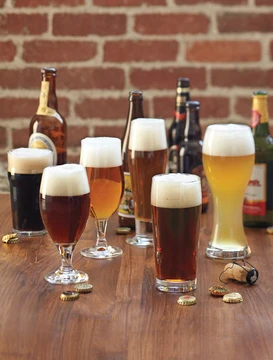
American lager
A modestly hopped pale lager from the US and Canada.

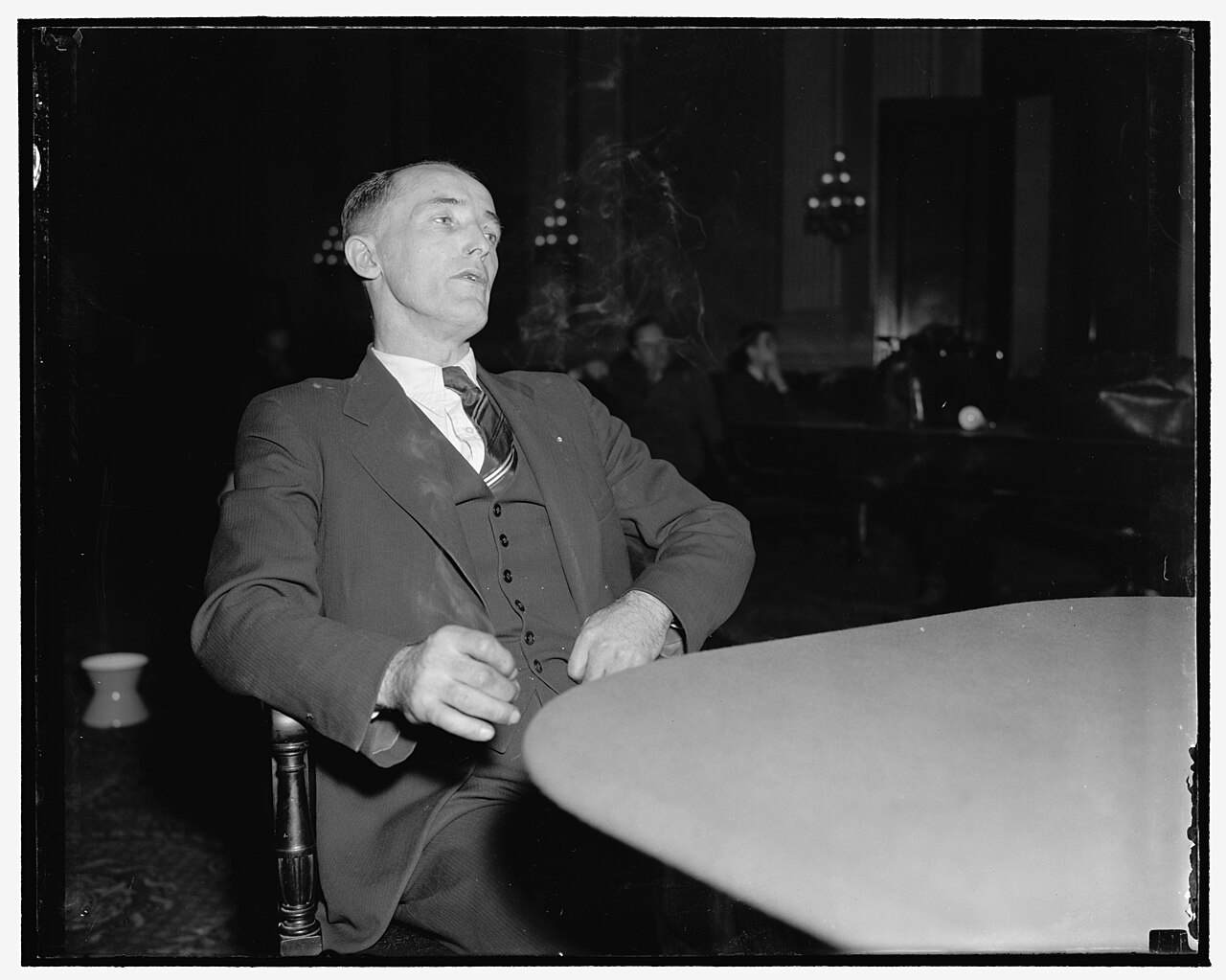
Harris & Ewing, photographer · Public domain
American lager, also known as North American lager, is a style of pale lager produced in the United States and Canada. It is notable for being the predominant choice among the largest brewing companies in both countries, though it is not common in microbreweries. The best-known examples worldwide include Budweiser, Bud Light, Coors Light, Miller Lite, and Molson Canadian.
- Origin
- United States and Canada
- Introduced by
- German immigrants
- Key adjuncts
- rice or corn
- Best known brands
- Budweiser, Bud Light, Coors Light, Coors Banquet, Miller Lite, Miller High Life, Molson Canadian, Labatt Blue, Kokanee, Carling Black Label, Old Style Pilsner
- Other terms
- adjunct lager, American-style light lager, American-style low-carbohydrate light lager, American-style lager, American-style premium lager, North American style-lager, North American-style premium lag
Lore & Background
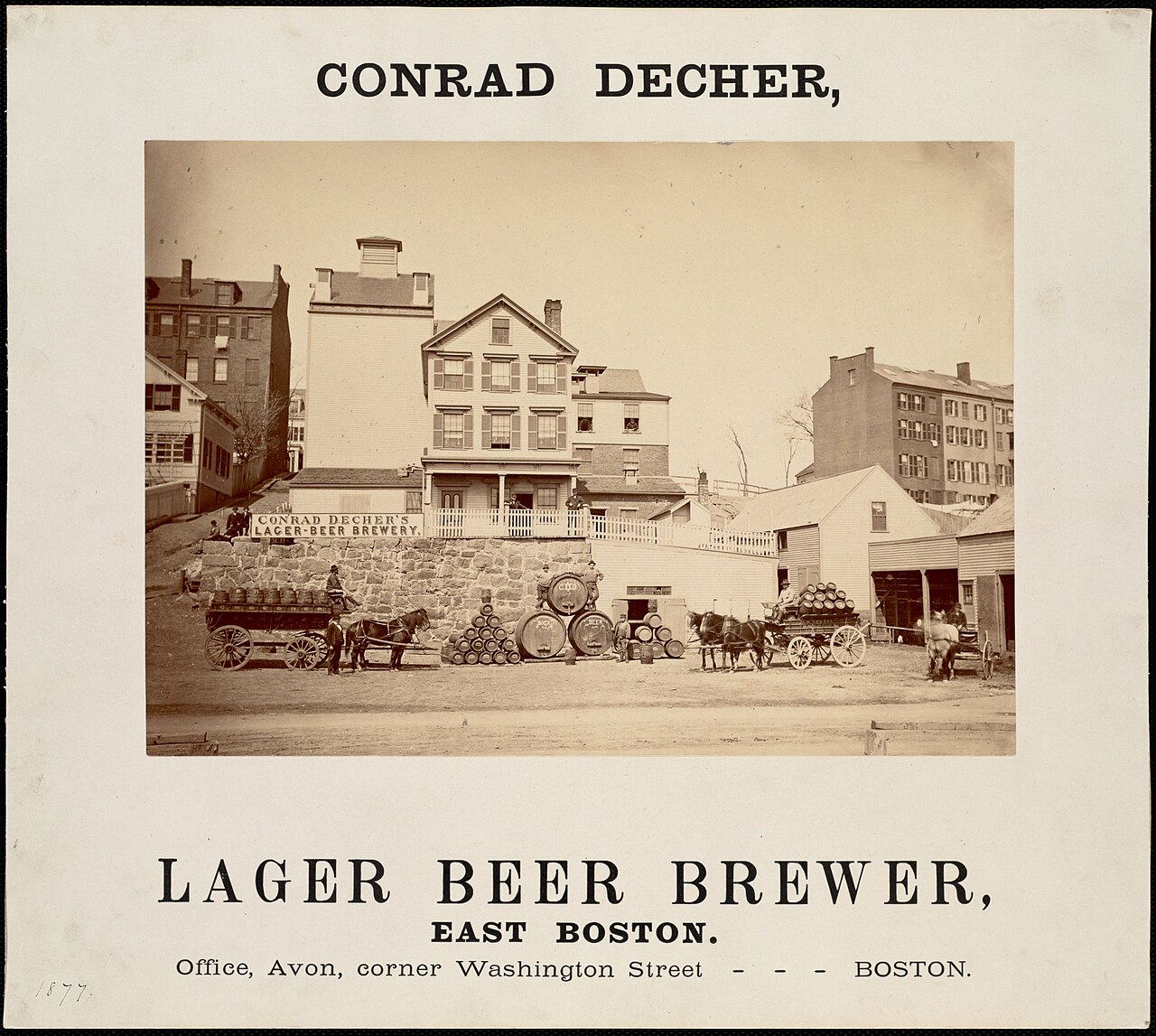
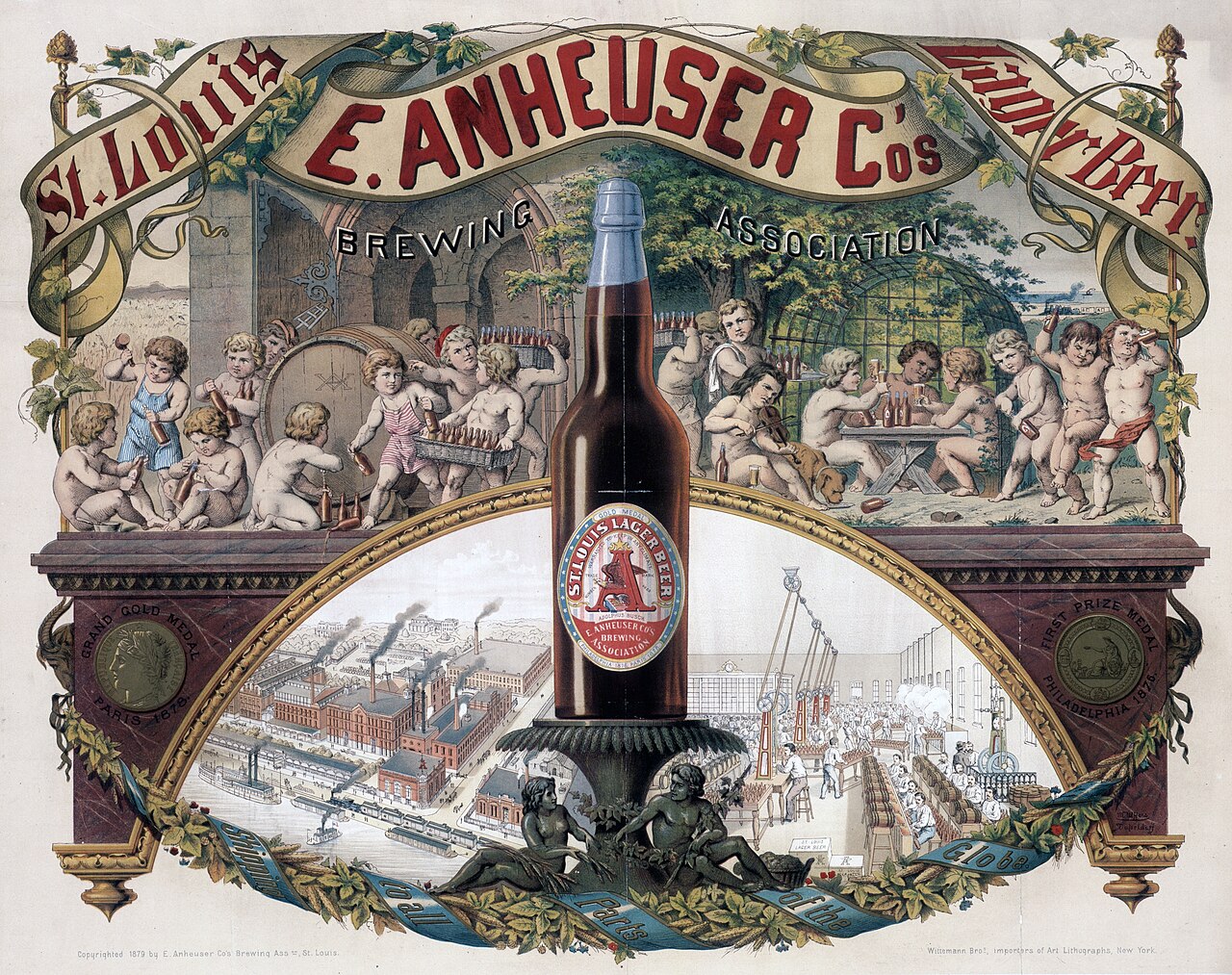
The United States and Canada were traditionally ale and whisky consuming regions before the late 19th century, when pale lager was introduced by German immigrants. These brewers developed their beers from American six-row barley, which has higher tannic acid and protein content and greater husk per weight than European two-row barley. Since Tettnanger and Saaz hops were not available, the grain mixture was adjusted by adding up to 30% corn to balance taste and dilute excessive protein. The beer was brewed to full European strength and to pale lager practices. Later, rice gained popularity during World War II due to grain rationing, and the process was not changed after the war.
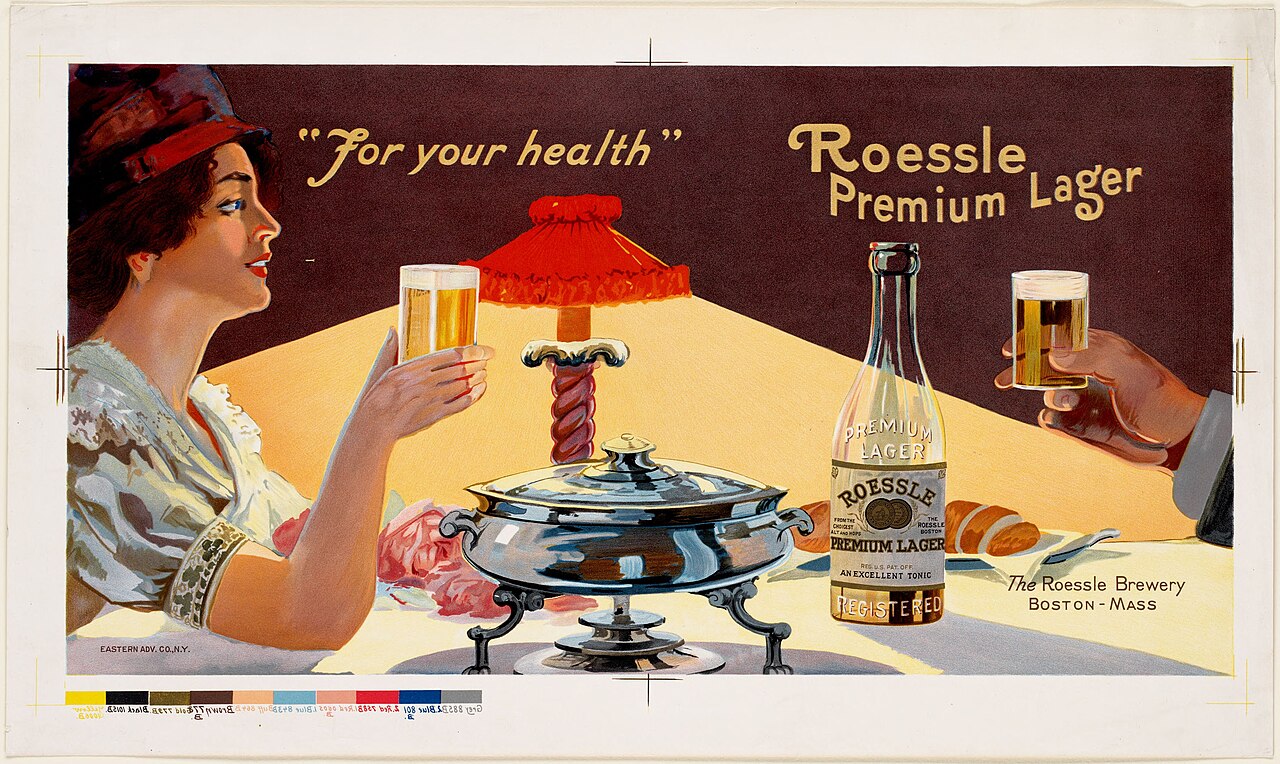
Canada had its own shorter experiment with prohibition, which bankrupted many breweries. With the rise of mass media marketing and national-scale supply chains, major breweries consolidated into a near triopoly dominated by Molson, Labatt, and Carling O'Keefe after the Second World War. These corporate brewers reacted to a new taste for sweet drinks in a public that had switched to sugary soft drinks and 'near-beer' during prohibition.
Large-scale representatives of the pre-Prohibition lager style in the United States include D.G. Yuengling & Son with its traditional lager, Genesee Brewing Company with its Genesee beer, and August Schell Brewing Company with its Original. Smaller American breweries such as Victory Brewing Company, North Coast Brewing Company, and Full Sail Brewing Company have also reintroduced it.
Reader's Guide
The American lager style is significant as the largest-selling beer style in both the United States and Canada, dominating the commercial market. It is characterized by modest hopping and the frequent use of adjuncts such as rice or corn, which were introduced historically to adapt to local ingredients and constraints. The style's development was shaped by the use of American six-row barley and the unavailability of European hops, leading to a distinct profile. Prohibition in Canada and grain rationing during World War II in the United States further influenced its evolution, with rice becoming a common adjunct. The style is not typically produced by microbreweries in either country, remaining the domain of large corporate brewers. Its legacy includes a range of sub-categories recognized in competitions, such as 'American-style premium lager' at the World Beer Cup and 'North American-style premium lager' at the Canadian Beer Awards. Pre-Prohibition versions of the style are still produced by some larger and smaller breweries, preserving a historical link to the original German-influenced lagers.
Did You Know?
- American lager is also known as North American lager.
- The style uses adjuncts such as rice or corn, with corn added up to 30% of the grain mixture historically.
- Rice gained popularity as an adjunct during World War II due to grain rationing.
- The style is not common in U.S. or Canadian microbreweries.
Origins & Etymology
The name "lager" traces directly to the German word for storage or storeroom, reflecting the fundamental practice behind this style: beer was kept in cool caves before it was ready to drink, often in the very same underground spaces where fermentation took place. This cold-conditioning tradition was widespread throughout the medieval period, but the yeast that defines lager—Saccharomyces pastorianus, a bottom-fermenting strain—did not appear until a hybridization event in the early fifteenth century. In 2011, researchers identified Saccharomyces eubayanus as the second parent in that hybrid lineage. The German term Lagerbier, which before the nineteenth century encompassed all bottom-fermented, cool-conditioned beers of normal strength, now carries a narrower meaning in modern Germany, pointing primarily to southern German pale (Helles) or dark (Dunkles) examples. Other recognized lagers include Bock, Märzen, and Schwarzbier, while the heavily hopped pale variant is typically called Pilsner, Pilsener, or simply Pils.
The Birth of Pale Lager & Its Global Spread
Pale lager's path to becoming the world's most consumed beer style began in the mid-nineteenth century when Gabriel Sedlmayr der Jüngere carried pale ale brewing techniques from England back to the Spaten Brewery in Munich and married them to the existing lagering methods already in use there. The resulting pale, lean, and stable beer attracted immediate attention. Shortly after, Josef Groll at the Pilsner Urquell Brewery in Pilsen, Bohemia (now in the Czech Republic), produced the first Pilsner, a more heavily hopped pale lager that became a global sensation. The style spread rapidly across the globe, and by the 1860s and 1870s, lager brewing had overtaken other methods as the dominant form of brewing in the Kingdom of Bohemia, as brewery numbers clearly demonstrate. In the United Kingdom, the word "lager" has come to mean pale lager almost exclusively, reflecting its overwhelming dominance in local consumption. Producers of these lighter beers typically recommend serving them refrigerated, and their mild flavor profile has cemented their position as the most commercially available beer style on Earth.
American Adjuncts & the Craft of Production
The production of lager centers on cool fermentation followed by maturation in cold storage, using the bottom-fermenting yeast Saccharomyces pastorianus, a close relative of the warm-fermenting Saccharomyces cerevisiae used for ales. While the German Reinheitsgebot tradition prohibits additives, lagers brewed in other countries—particularly the United States—frequently include adjuncts such as rice or maize. These adjuncts originally entered American brewing as a practical solution: they thinned out the body of the beer and balanced the large quantities of protein introduced by six-row barley, which was the dominant grain in U.S. agriculture. Over time, the role of adjuncts shifted; brewers began using them to introduce a large quantity of fermentable sugar, thereby increasing alcohol by volume at a lower cost than an all-malt grain bill would allow. Paradoxically, however, there are cases where adjunct usage actually raises the cost of manufacture. The depth of color in any lager comes from the specific grain bill: pale lagers use unroasted barley and may add rice or corn for a crisp, bright finish, while darker lagers rely on roasted grains and malts for a more roasted, even slightly burnt, flavor profile.
Refrigeration & the Beer Garden Legacy
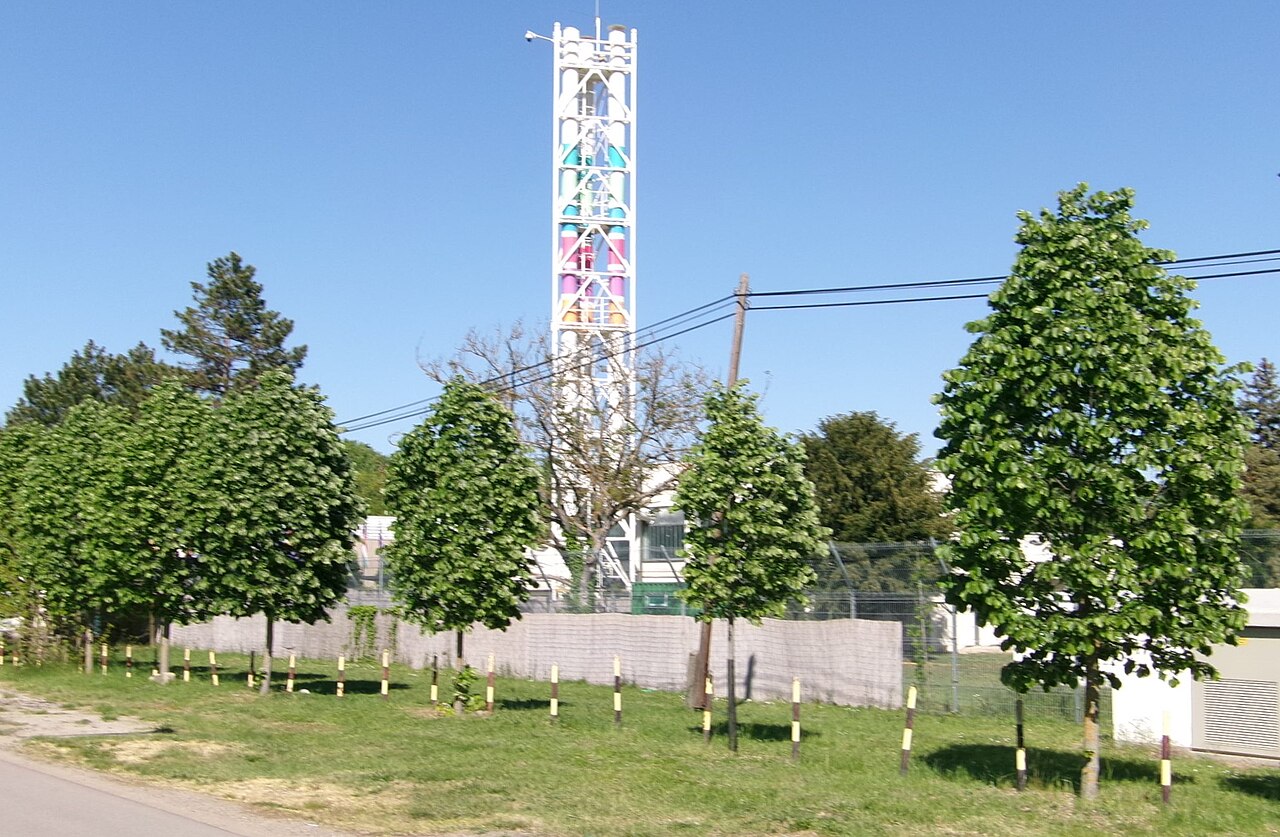
Before mechanical refrigeration existed, German brewers relied on natural cooling to produce lager year-round. They dug deep cellars for lagering and filled them with ice harvested from nearby lakes and rivers, which kept the beer cool through summer months. To shield these underground spaces from the heat above, they planted chestnut trees—chosen specifically because their dense, spreading canopies provided shade while their shallow root systems would not intrude on the caverns below. The custom of gathering to drink beer at these shaded cellar sites gradually evolved into the modern beer garden, a tradition still alive in Munich and beyond. The true revolution came with refrigeration. In 1870, Carl von Linde developed the first large-scale refrigerated lagering tanks for Gabriel Sedelmayr's Spaten Brewery in Munich. This breakthrough made it possible to brew lager in summer—previously banned in many German locations—and to transport and store the beer cold until the moment of serving. Refrigeration also allowed lager production to expand to regions that had never before been able to maintain the necessary cold temperatures, fundamentally reshaping where and how the world's most popular beer style could be made.
Gallery
Frequently Asked Questions
What is American lager?
It is a pale, modestly hopped lager style that serves as the default choice for the largest breweries in the United States and Canada. You will almost never find it at a microbrewery, since it is built for mass production rather than craft experimentation.
Where did American lager come from?
German immigrants carried lager-brewing knowledge to North America, and the style was adapted locally over the following decades. It eventually became the backbone of the mainstream brewing industry in both the U.S. and Canada.
What makes American lager different from European lagers?
The signature twist is the use of rice or corn as brewing adjuncts alongside barley, which lightens the body and softens the malt character. Hop levels are kept deliberately low, and the overall profile is crisp, clean, and easy to drink in volume.
Which brands are the most famous examples of American lager?
Budweiser, Bud Light, Coors Light, Miller Lite, and Molson Canadian are the names most recognized around the world. Other well-known entries include Coors Banquet, Miller High Life, Labatt Blue, Kokanee, Carling Black Label, and Old Style Pilsner.
Why does American lager matter in beer culture?
It is the style that put a cold, affordable beer on virtually every table, bar, and convenience-store shelf across North America for well over a century. Its sheer market dominance shaped the first beer experience for generations of drinkers and set the baseline against which craft and specialty styles are compared.
More in Beer Styles, Part 2 1-24
Spotted an error? Know more?
Reader corrections go straight into our review queue. Suggest an edit · How this site is sourced