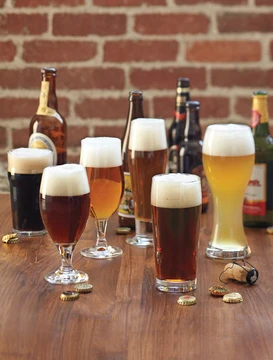
Bock
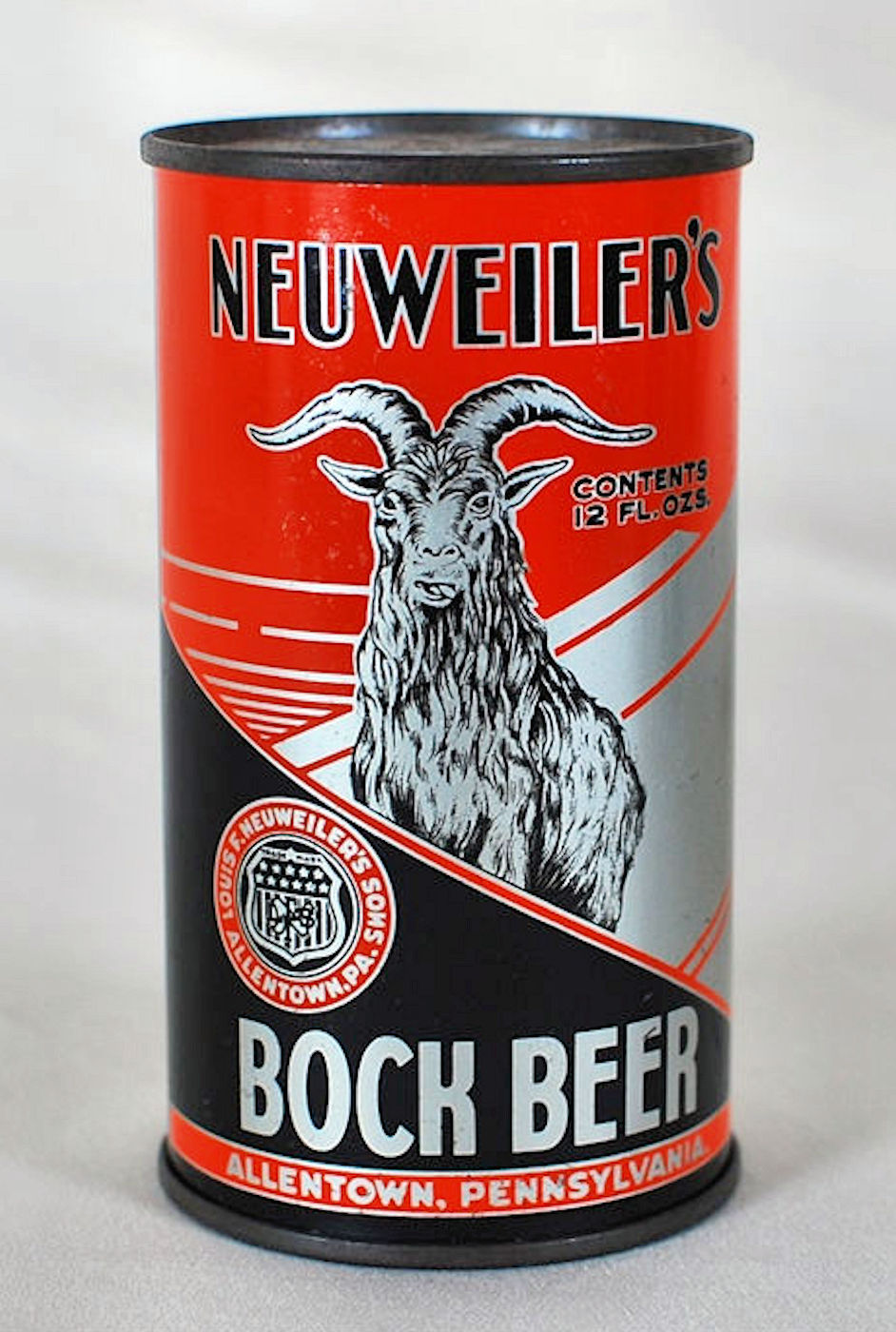
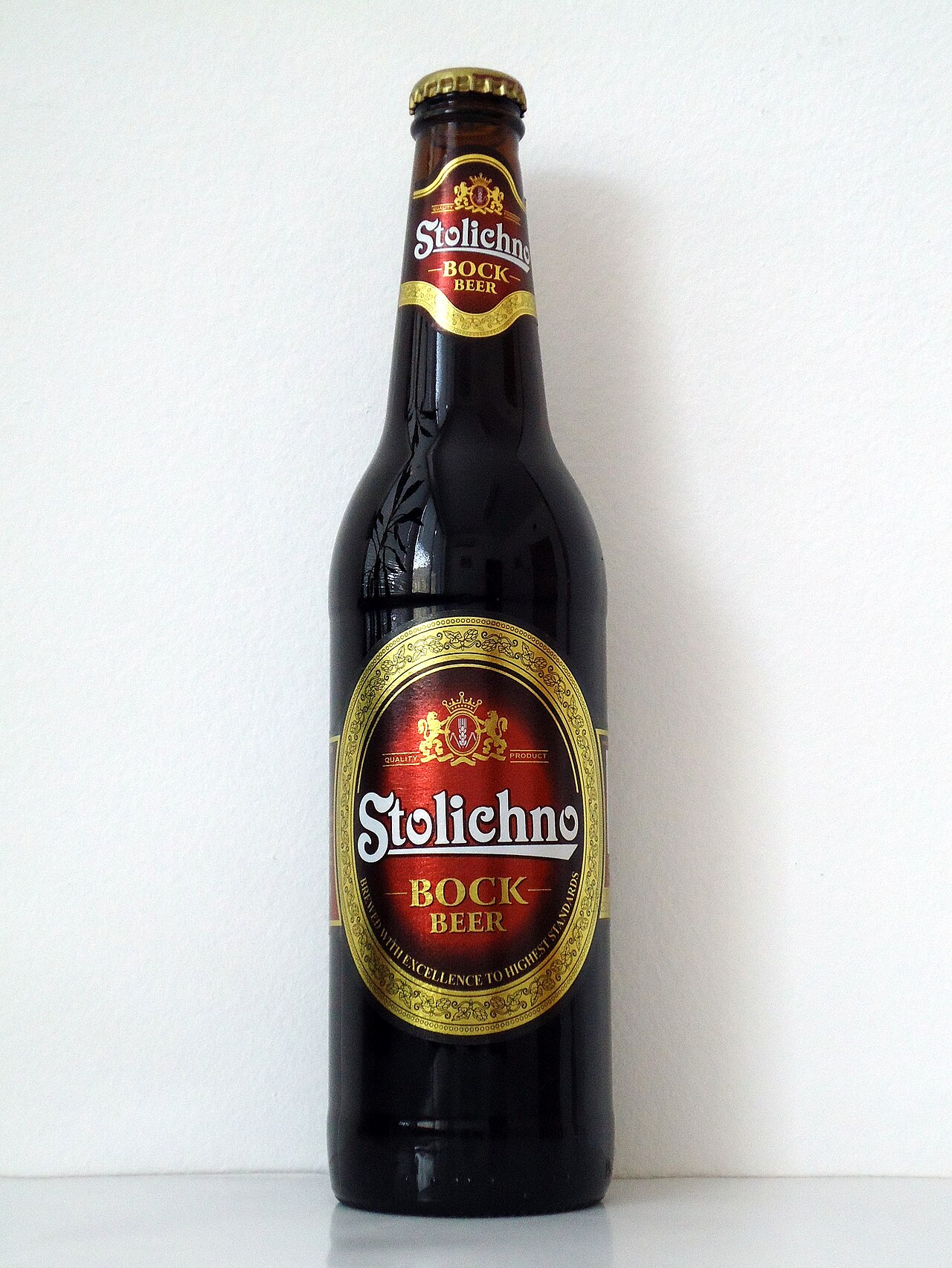
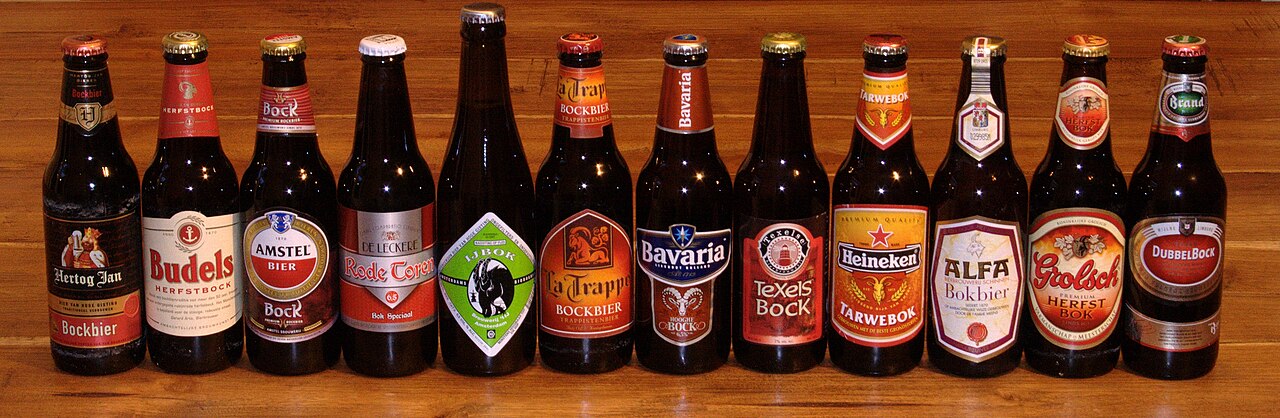
A strong German dark lager with a goat on the label.

LeeKeoma · Public domain
Bock is a strong German beer, usually a dark lager. It was first brewed in the 14th century in the Hanseatic town of Einbeck in Lower Saxony and later adopted in Bavaria by Munich brewers in the 17th century. The style is historically associated with special occasions such as Christmas, Easter, or Lent, and has a long history of being brewed and consumed by Bavarian monks as a source of nutrition during times of fasting.
- Abv range
- 6.3–7.6%
- Ibu range
- 20–30
- Color range
- light copper to brown
- First brewed century
- 14th century
- Origin town
- Einbeck
- Origin region
- Lower Saxony
- Adopted in bavaria century
- 17th century
Lore & Background
The style now known as Bock was first brewed in the 14th century in the Hanseatic town of Einbeck in Lower Saxony. It was later adopted in Bavaria by Munich brewers in the 17th century. Due to their Bavarian accent, citizens of Munich pronounced 'Einbeck' as 'ein Bock' ('a billy goat'), and thus the beer became known as 'Bock'. A goat often appears on bottle labels. An 1882 article in The Baltimore Sun described it thus: 'The word bock signifies goat, and its prefix to beer indicates that bock beer is so potent and exhilarating that the drinker soon becomes as frisky in his gambols as the goat.'
Reader's Guide
Traditionally Bock is a sweet, relatively strong (6.3–7.6% by volume), lightly hopped lager registering between 20 and 30 International Bitterness Units (IBUs). The beer should be clear, with colour ranging from light copper to brown, and a bountiful, persistent off-white head. The aroma should be malty and toasty, possibly with hints of alcohol, but no detectable hops or fruitiness. The mouthfeel is smooth, with low to moderate carbonation and no astringency. The taste is rich and toasty, sometimes with a bit of caramel. The low-to-undetectable presence of hops provides just enough bitterness so that the sweetness is not cloying and the aftertaste is muted. Substyles include Maibock (a paler, more hopped version), Doppelbock (stronger and maltier), Eisbock (much stronger, made by freezing), and Weizenbock (a wheat beer with 40–60% wheat).
Did You Know?
- The name 'Bock' comes from the Bavarian pronunciation of 'Einbeck' as 'ein Bock', meaning 'a billy goat'.
- An 1882 article in The Baltimore Sun claimed bock beer makes the drinker 'as frisky in his gambols as the goat'.
- Substyles of Bock include Maibock, Doppelbock, Eisbock, and Weizenbock.
Origins & the Accidental Name
Bock beer traces its roots to the fourteenth century in Einbeck, a Hanseatic trading town in Lower Saxony. The style traveled south to Bavaria by the seventeenth century, where Munich brewers adopted it into their repertoire. The name itself is a charming accident of pronunciation: Munich locals, with their distinctive Bavarian accent, rendered the foreign place-name "Einbeck" as "ein Bock" — literally "a billy goat." This linguistic slip stuck so firmly that goats became a staple of bottle labels across the entire category. An 1882 article in The Baltimore Sun captured the spirit of the association, noting that the goat prefix signaled a beer so potent and exhilarating that its drinker would soon become as frisky in his gambols as the animal itself. The style was historically reserved for special occasions — Christmas, Easter, and the Lenten season — cementing its identity as a celebratory, seasonal brew rather than an everyday pint.
Monastic Roots & the "Savior" Tradition
Doppelbock carries a deep monastic heritage. The style was first brewed in Munich by the Paulaner friars, a mendicant order founded by St. Francis of Paula. The popular narrative holds that these monks crafted the strong, sweet beer as "liquid bread" to sustain them during fasting periods when solid food was forbidden. Writer Mark Dredge, in his book A Brief History of Lager, disputes this tale as a fable, arguing instead that the friars produced Doppelbock year-round to supplement their vegetarian diet. In 2011, journalist J. Wilson tested the feasibility of the claim by subsisting on nothing but doppelbock and water for the full forty-six days of Lent. The monks originally called their creation "Sankt-vater-bier," meaning "Blessed Father beer," which was eventually shortened to "Salvator" — a name now trademarked by Paulaner. The convention inspired a broader naming tradition: modern brewers append "-ator" to their Doppelbock labels, and the German patent office has registered some two hundred such names, including Ayinger Celebrator, Spaten Optimator, and Augustiner Maximator.
A Spectrum of Strength and Character
Bock is far from a single, monolithic beer. The family spans a remarkable range of intensity and character. At the lighter end sits Maibock, also called Heller Bock, a paler, more hopped lager brewed for spring festivals, with alcohol between 6.3 and 8.1 percent and a drier, mildly peppery hop profile. Doppelbock pushes strength and malt richness further, ranging from roughly 6.6 to ten percent or higher, with intensely toasty aromas and, in darker versions, chocolate-like or fruity notes. Eisbock takes the process to an extreme: a Doppelbock is partially frozen, the water ice is removed, and the result is a concentrated elixir between 8.6 and 14.3 percent ABV, often carrying fruity notes of prunes, raisins, and plums. Weizenbock, first produced in Bavaria in 1907 by G. Schneider & Sohn and named Aventinus after a sixteenth-century historian, swaps forty to sixty percent of the barley for wheat while retaining the strength of a Doppelbock. Together these substyles illustrate how one ancestral recipe from Einbeck evolved into a broad spectrum of expression.
The Sensory Profile of Traditional Bock
Traditional Bock occupies a precise sensory niche. It is a lager, clear and unfiltered, with colour stretching from light copper to deep brown, crowned by a bountiful, persistent off-white head. Alcohol content typically falls between 6.3 and 7.6 percent by volume, while bitterness registers between 20 and 30 International Bitterness Units — enough to keep the malt sweetness from turning cloying, but never enough to dominate. The aroma is malty and toasty, occasionally with a whisper of alcohol, but conspicuously free of hop or fruit character. On the palate, the beer is smooth, with low to moderate carbonation and no astringency. The taste is rich and toasty, sometimes edged with caramel, and the aftertaste is muted. Hops serve a purely structural role, providing just sufficient bitterness to balance the sweetness. The overall impression is one of warmth, comfort, and restrained power — a beer designed for contemplation rather than quenching thirst.
Gallery

Frequently Asked Questions
Who is Bock?
Bock is a strong German dark lager born in the 14th-century Hanseatic town of Einbeck in Lower Saxony, later carried to Munich where 17th-century brewers made the style their own. It is the malt-forward, goateed heavyweight of the lager family.
What are Bock's stats?
Bock lands at 6.3–7.6 % ABV with a moderate 20–30 IBU bitterness range and a color spectrum stretching from light copper to deep brown. It is built to feel hearty and warming without tipping into stout territory.
Why does Bock have a goat on the label?
The word 'Bock' is simply the German word for 'buck' or 'male goat,' so the animal became the style's natural visual shorthand. You will see that goat depicted on nearly every Bock label as a nod to the name's etymology.
When and where was Bock first brewed?
The style originated in the 14th century in Einbeck, a trading town in Lower Saxony, before Munich brewers adopted it in the 17th century. It was historically tied to seasonal celebrations such as Christmas, Easter, and Lent rather than everyday drinking.
Why is Bock important in beer history?
Bavarian monks brewed and consumed Bock as a nutritional staple during fasting periods, giving the style a centuries-old role well beyond mere refreshment. That monastic tradition helped cement Bock's reputation as a robust, sustaining lager reserved for special occasions.
More in Beer Styles, Part 2 1-24
Spotted an error? Know more?
Reader corrections go straight into our review queue. Suggest an edit · How this site is sourced