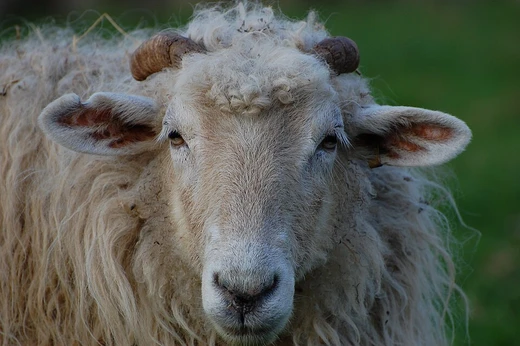
Latxa
Basque dairy sheep producing milk for Idiazábal and Roncal cheeses.

Centenoyespelta · CC BY-SA 4.0
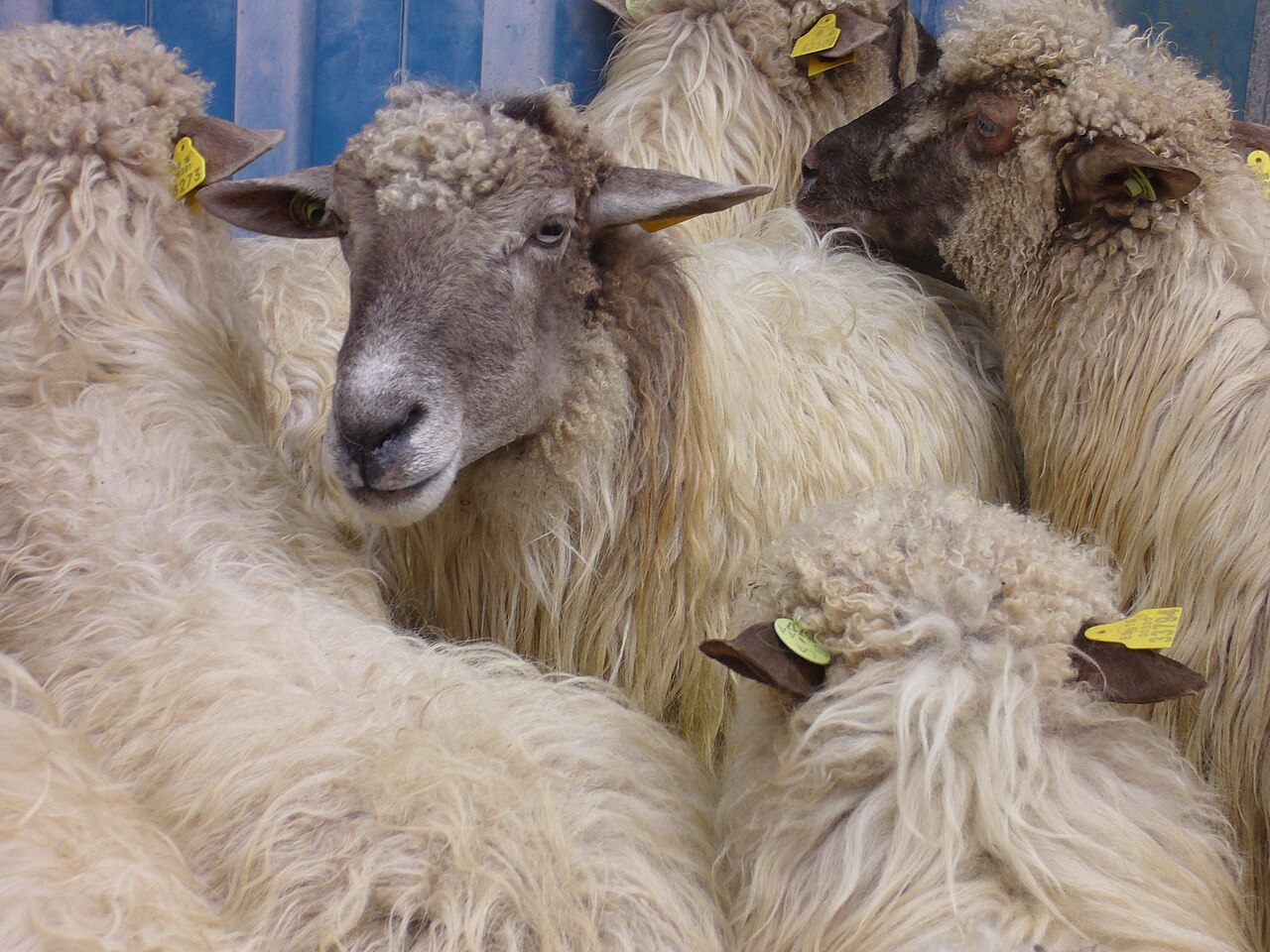
The Latxa is a breed of domestic sheep native to the Basque Country of Spain, primarily found in the provinces of Biscay, Gipuzkoa, Navarre, and Cantabria. These dairy sheep are notable for their unpasteurized milk, which is used to produce Idiazábal and Roncal cheeses. The breed has two sub-types: a dark-faced and a blonde.
- Breed
- Latxa
- Origin
- Basque Country, Spain
- Type
- Dairy sheep
- Wool
- Long, coarse wool
- Horns
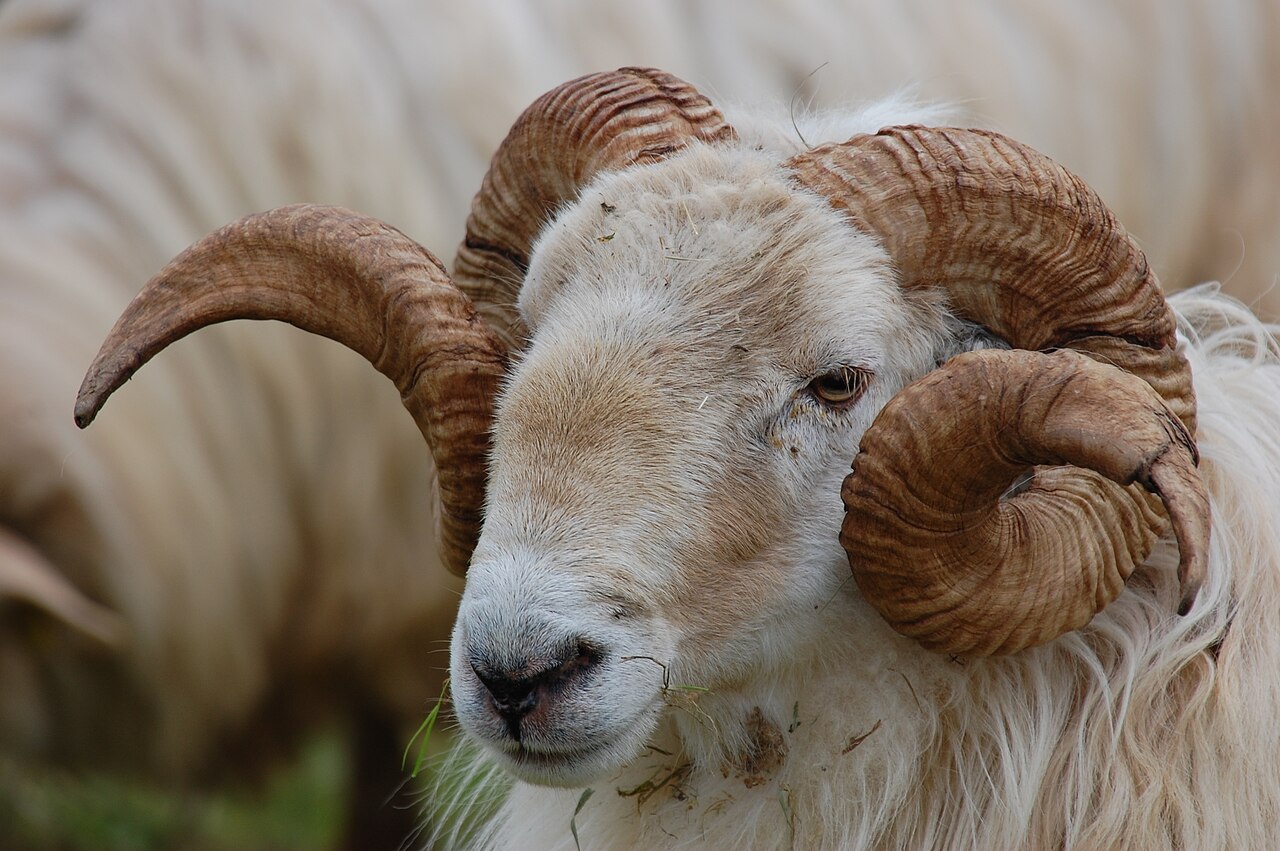
- Ewes polled or short horns; rams have long, spiral horns
- Sub types
- Dark-faced and blonde
- Primary use
- Milk for Idiazábal and Roncal cheeses
Lore & Background
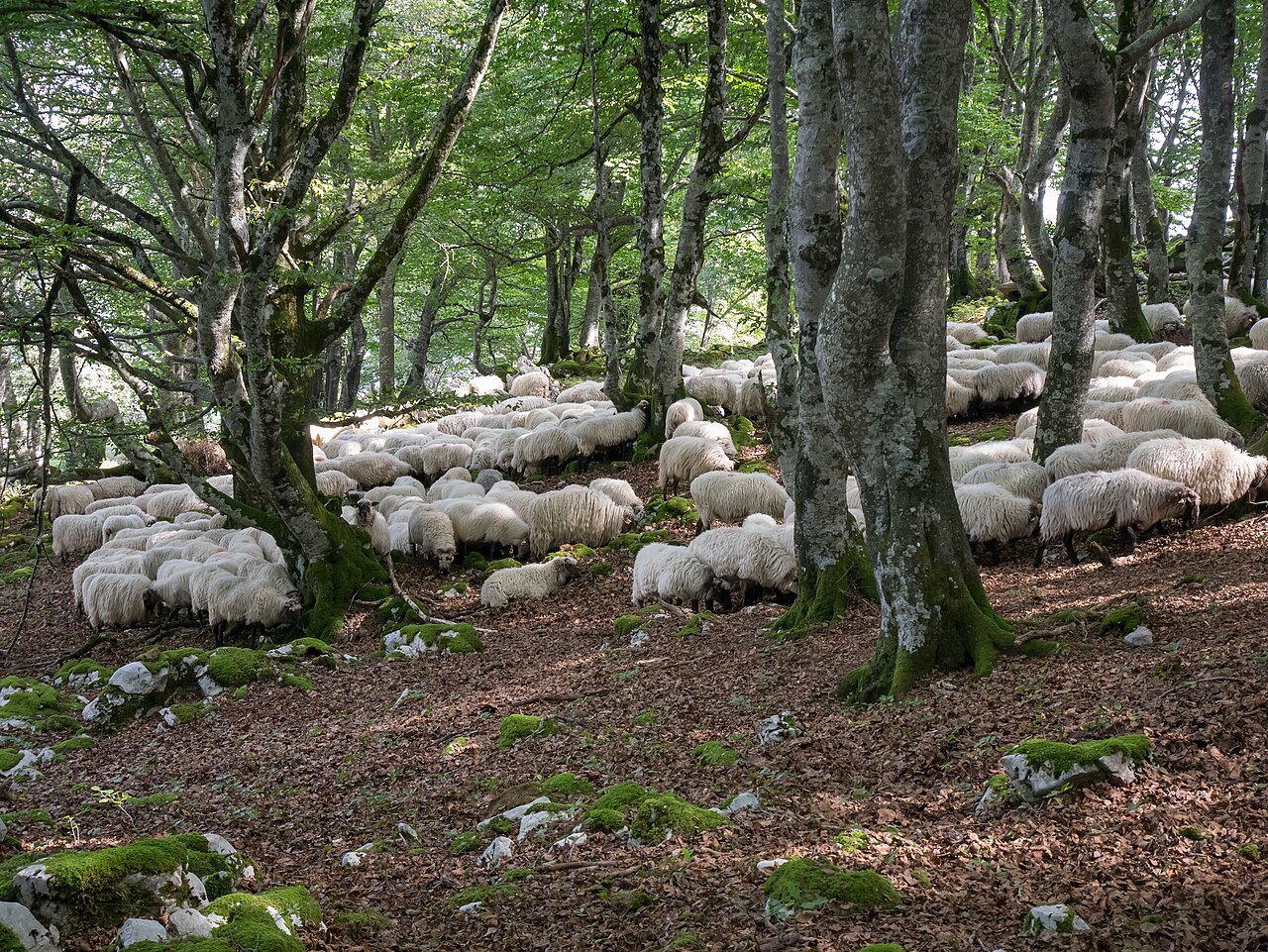
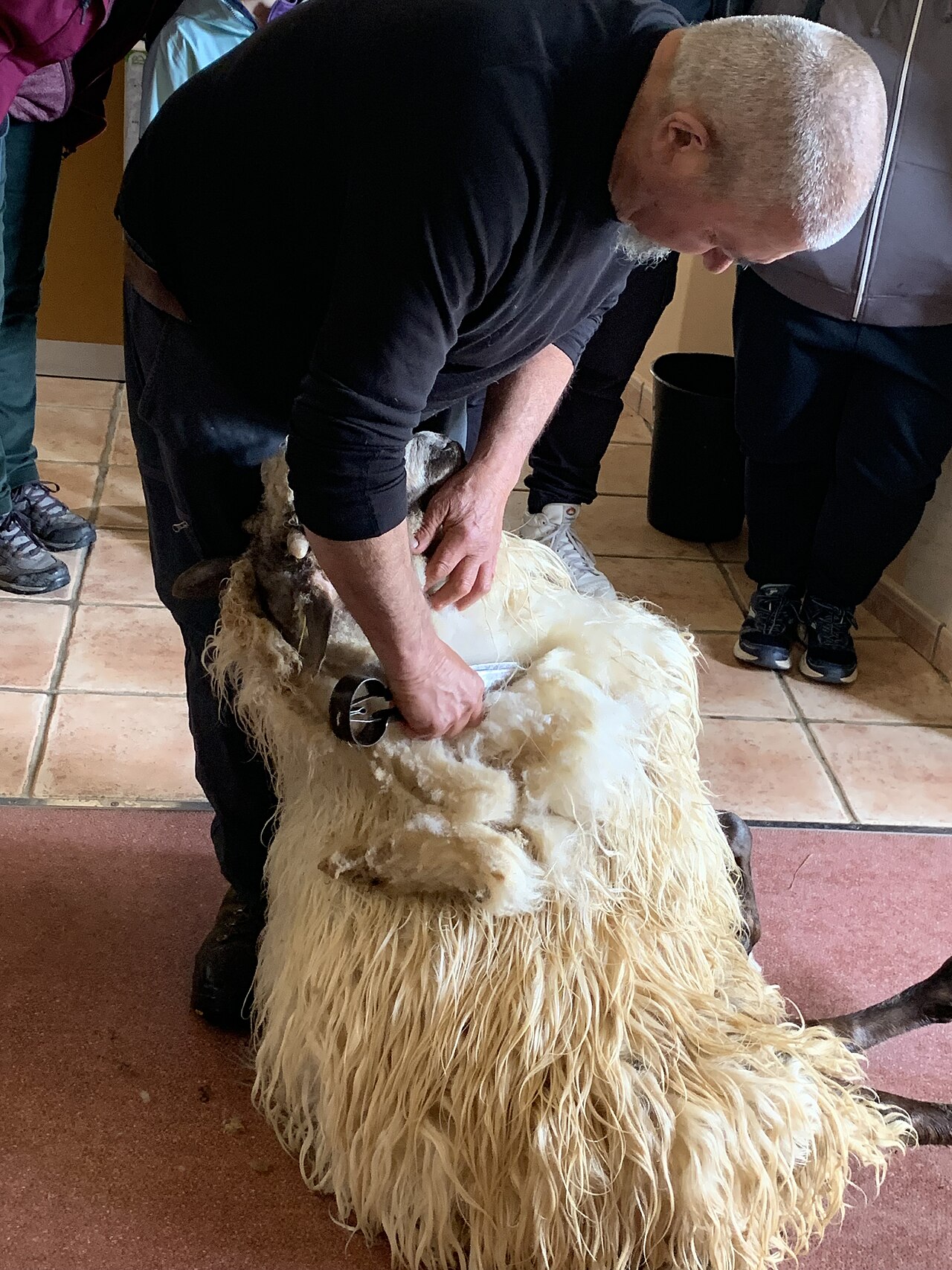
Traditionally, Latxa sheep have been managed by moving the flock to mountain pastures in summer after ewes finish lactating, with cheese-making taking place on the farm. Some flocks are moved while still lactating, with animals being hand-milked on high pastures. The name 'latxa' refers to the rough quality of the wool, which is largely an agricultural byproduct today.
Reader's Guide
Since 1982, a breeding scheme has been introduced and new production methods tested. Artificial insemination is used to provide earlier lambing and prolong the breeding season, while machine milking is replacing hand milking. The mountain pasture remains a free resource, and the sheep do not compete with cattle and horses because they prefer herbaceous plants on steeply sloping land. Latxa have a seasonal lactation cycle that does not produce as great a volume of milk as other dairy breeds. Recently, some Basque Country farmers have begun to use hybrid Assaf sheep, which some maintain does not meet the Denomination of Origin for the cheese.
Did You Know?
- Latxa sheep have two sub-types: dark-faced and blonde.
- Rams always possess long, spiral horns.
- Some farmers use hybrid Assaf sheep, which some say does not meet the Denomination of Origin for the cheese.
Breed Identity & Physical Traits
The Latxa is a domestic sheep breed indigenous to the Basque Country of Spain, with its population concentrated primarily across the provinces of Biscay, Gipuzkoa, and Navarre, as well as the neighboring region of Cantabria. The name itself, pronounced [latʃa] in Basque and rendered as Lacho or Lacha in Spanish, directly references the coarse, rough texture of the animal's fleece—a quality that has defined the breed for generations. Physically, the Latxa is a medium to small-framed sheep, and it is recognized in two distinct sub-types: a dark-faced variety and a blonde one. Horn structure varies by sex; ewes are either polled or carry only short horns, whereas rams invariably grow long, spiraling horns. The breed's long, coarse wool, while historically useful, functions today largely as an agricultural byproduct rather than a primary economic product.
Dairy Role & Basque Cheese Traditions
The Latxa is fundamentally a dairy breed, and its most economically significant contribution is the production of unpasteurized milk destined for two of the Basque Country's most celebrated cheeses: Idiazábal and Roncal. Traditionally, cheese-making took place on the farm itself, closely tied to the rhythms of the flock and the seasonal availability of milk. One important biological constraint is the breed's seasonal lactation cycle, which means the Latxa does not yield milk volumes comparable to those of other dedicated dairy breeds. This seasonal pattern historically shaped the entire pastoral calendar, dictating when flocks could be moved to higher ground and when milk was available for processing. The reliance on unpasteurized milk as a defining ingredient gives these cheeses a character deeply rooted in local terroir and traditional husbandry, making the Latxa not merely a livestock animal but a cornerstone of Basque culinary identity.
Mountain Pasturing & Pastoral Rhythms
Traditional Latxa husbandry was built around a seasonal rhythm of movement between lowland farms and high mountain pastures. Typically, flocks were driven to the alpine grazing grounds in summer once the ewes had completed their lactation period, allowing the animals to feed on the mountain forage while cheese-making continued at the farmstead. In some cases, however, flocks were relocated while the ewes were still actively lactating, requiring shepherds to hand-milk the animals directly on the high pastures. The mountain terrain served as what can be described as a free grazing resource, and the Latxa occupied a distinct ecological niche within it. Unlike cattle and horses, which favor the more level, accessible areas, the sheep gravitate toward steeply sloping ground where herbaceous plants thrive. This natural preference for rugged, inclined terrain means the Latxa effectively avoids direct competition with other livestock for forage, a relationship that has sustained mixed pastoral systems in the Basque highlands for centuries.
Modernization, Breeding Schemes & the Hybrid Debate
Since 1982, the Latxa breed has undergone a significant period of modernization as a formal breeding scheme was introduced and new production methods were tested to improve efficiency. Artificial insemination has been adopted to achieve earlier lambing dates and to extend the overall breeding season, while machine milking has gradually supplanted the traditional practice of hand milking. The mountain pasture, however, continues to be valued as a cost-free grazing resource, preserving an element of the old pastoral system even as technology advances. A more contentious development in recent years is the growing use of hybrid Assaf sheep by some Basque Country farmers, presumably to address the breed's relatively modest milk yield. This practice has sparked debate, with critics arguing that Assaf hybrids do not satisfy the Denomination of Origin requirements governing the production of traditional Basque cheeses, raising questions about the future of the Latxa's role in the region's iconic dairy heritage.
Gallery

Frequently Asked Questions
What is the Latxa?
The Latxa is a dairy sheep breed that originates from the Basque Country of Spain. It is one of the region's traditional livestock, primarily kept for its milk rather than for meat or fiber.
What cheese is made from Latxa milk?
Their unpasteurized milk is the essential raw ingredient for two well-known Basque cheeses: Idiazábal and Roncal. Without the Latxa, those signature dairy products would not exist in their traditional form.
What does a Latxa sheep look like?
They carry long, coarse wool, and their horn structure differs by sex—ewes are either polled or carry short horns, while rams grow long, spiral horns. The breed also appears in two distinct color variants: a dark-faced type and a blonde type.
Where are Latxa sheep found?
They are native to the Basque Country, with their strongest presence in the provinces of Biscay, Gipuzkoa, Navarre, and Cantabria. These areas form the core of their traditional grazing and dairy-raising range.
Why is the Latxa breed important to Basque culture?
As the foundation of the region's artisanal cheese-making tradition, the Latxa ties directly to the identity of Idiazábal and Roncal cheeses. Preserving the breed is therefore seen as preserving a living piece of Basque pastoral heritage.
More in Basque domestic animal breeds 1-20
Spotted an error? Know more?
Reader corrections go straight into our review queue. Suggest an edit · How this site is sourced