Basque Shepherd Dog
Traditional Basque sheepdog with two varieties, recognized in 1996.

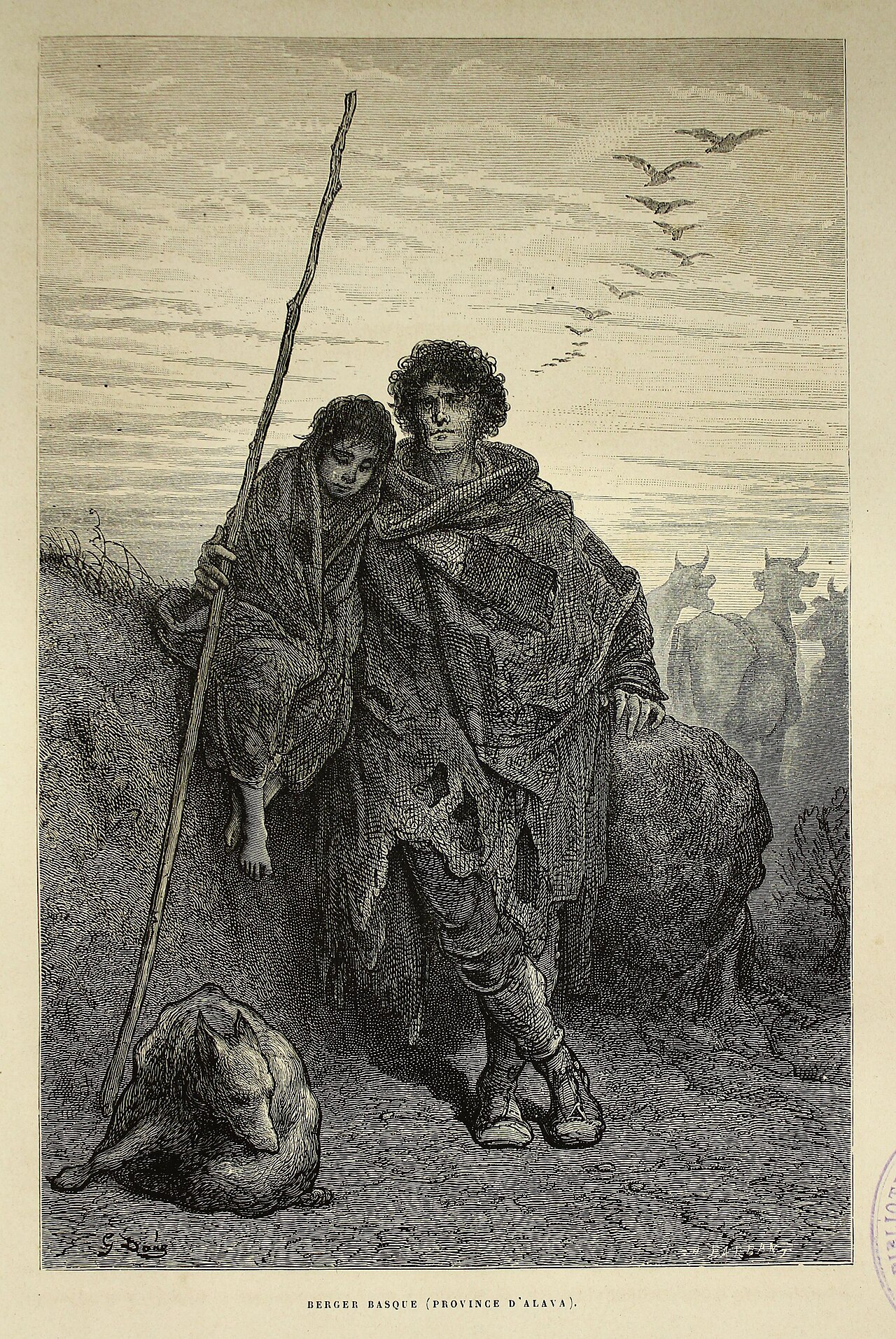
Gustave Doré · CC BY 2.0
The Basque Shepherd Dog (Basque: Euskal Artzain Txakurra) is a traditional Basque breed of sheepdog originating in the historic Basque Country. It is one of five Basque breeds of dog and one of fourteen animal breeds native to the Basque Country. The breed appears in Basque mythology and in frescoes in churches and monasteries from the sixteenth century onwards.
Quick Facts
- Country
- Basque Country (Spain, France)
- Maleweight
- Gorbeiakoa: 18 - · Iletsua: 18 -
- Femaleweight
- Gorbeiakoa: 17 - · Iletsua: 17 -
- Maleheight
- Gorbeiakoa: 47 - · Iletsua: 47 -
- Femaleheight
- Gorbeiakoa: 46 - · Iletsua: 46 -
- Coat
- moderately long · Gorbeiakoa: smooth, soft · Iletsua: rough, coarse
- Kc Name
- Real Sociedad Canina de España
- Kc Std
- https: · www.rsce.es/images/rsce/RREE/Standards/Standard_Euskal_Artzain_Txakurra_Iletsua_ingles.pdf Iletsua
Facts from the source article.
Lore & Background
The Euskal Artzain Txakurra is a traditional breed of the Basque people, and dogs of this type appear in Basque mythology. Similar dogs appear in frescoes in churches and monasteries of the Basque country from the sixteenth century onwards, and later also in the drawings and paintings of artists such as Luis Paret y Alcázar, Gustave Doré and Adolfo Guiard. The breed was recognised by the Real Sociedad Canina de España in January 1996 in two varieties, Iletsua and Gorbeiakoa; the Gorbeiakoa originates from the region of Gorbea, and Iletsua means 'hairy' or 'shaggy' in Basque.
Reader's Guide
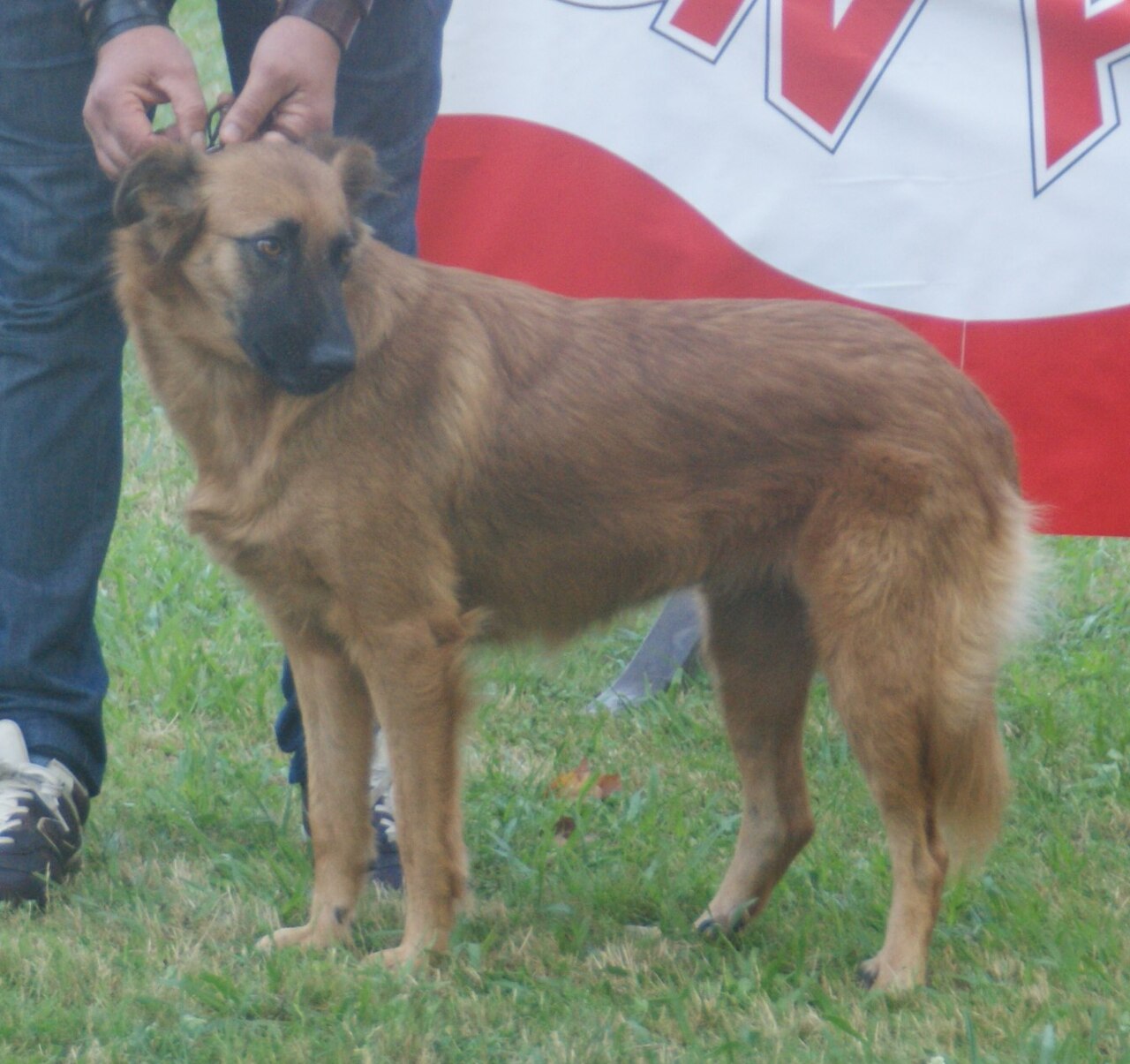
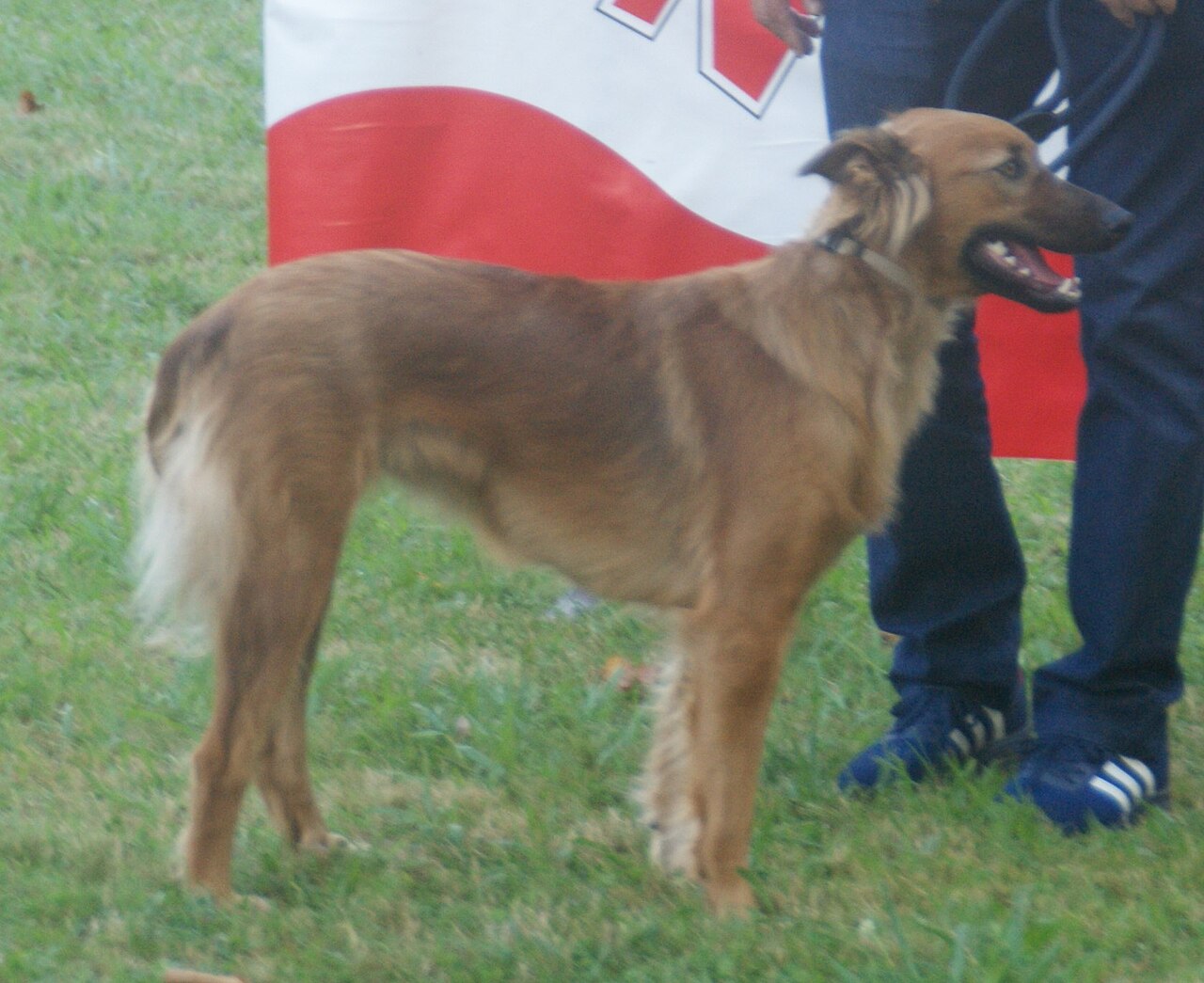
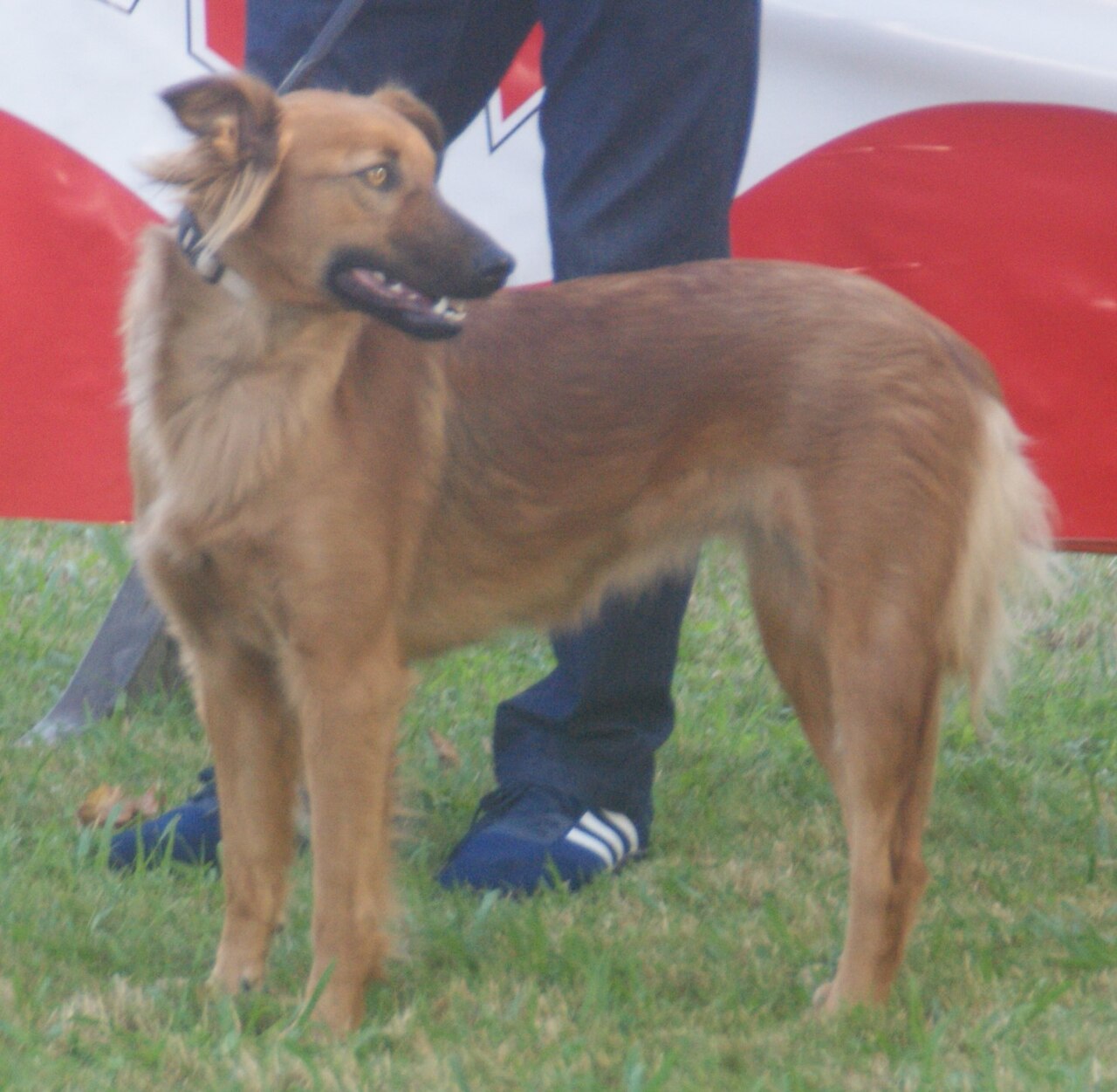
The Basque Shepherd Dog has for centuries been used by shepherds of the Basque Country to guard and herd flocks of sheep, as well as goats, cattle, and horses, and to guard farmhouses. It is the dog most commonly used in txakur probak, traditional Basque sheepdog trials, and has also been successful in sheepdog trials at international level, including those held since 1950 at Oñati, in south-western Gipuzkoa. In the 1950s some Basque people took sheepdogs with them when they travelled to the United States to work as shepherds. In 2009 the total number of both subtypes of the breed was estimated to be 500. In 2026 it was among the sixteen Spanish breeds considered by the Real Sociedad Canina de España to be vulnerable. The breed's two varieties share many features: a strong, rectangular body, oval eyes that may be brown or amber, and medium-sized triangular ears that are either pendent or folded. The Gorbeiakoa has a soft smooth coat in fire-red or fawn, while the Iletsua has a rougher, wirier coat in cinnamon or fawn.
Did You Know?
- It was officially recognized by the Spanish government in 2001 for the Gorbeiakoa type and in 2002 for the Iletsua.
- In 2009 the total population of both subtypes was estimated to be only 500 dogs.
Deep Roots in Basque Culture
The Basque Shepherd Dog is not merely a working animal but a creature woven into the cultural fabric of the Basque people. Dogs of this type feature in Basque mythology, suggesting they held symbolic significance long before any formal breed standard existed. Their presence in the visual record is equally remarkable: frescoes in Basque churches and monasteries from the sixteenth century onward depict similar dogs, and later artists including Luis Paret y Alcázar, Gustave Doré, and Adolfo Guiard incorporated them into their drawings and paintings. This artistic and spiritual lineage underscores that the breed was never an afterthought but a constant companion in Basque daily life and imagination. The dog's name in Basque, Euskal Artzain Txakurra, literally identifies it as the shepherd's dog of the Basque people, anchoring its identity to a specific culture and landscape rather than to any modern kennel-club taxonomy.
The Road to Formal Recognition
For centuries the breed existed without official status, but the late twentieth century brought a structured path to legitimacy. In January 1996, the Real Sociedad Canina de España formally recognised the breed in two distinct varieties: the Gorbeiakoa, named for the Gorbea region, and the Iletsua, a Basque term meaning "hairy" or "shaggy." Spain's national government followed in 2001 by publishing an official breed standard, initially covering only the Gorbeiakoa type; the Iletsua variant received its recognition the following year. That same 2001, the Basque Autonomous Community's government included both variants in its official catalogue of autochthonous Basque animal breeds, and in 2003 specific legislation governing breeding and registration was enacted. Despite these protections, the breed remains numerically fragile: by 2009 the combined population of both subtypes was estimated at roughly 500 individuals, and in 2026 the Real Sociedad Canina de España listed it among sixteen Spanish breeds considered vulnerable.
Two Varieties, One Working Heritage
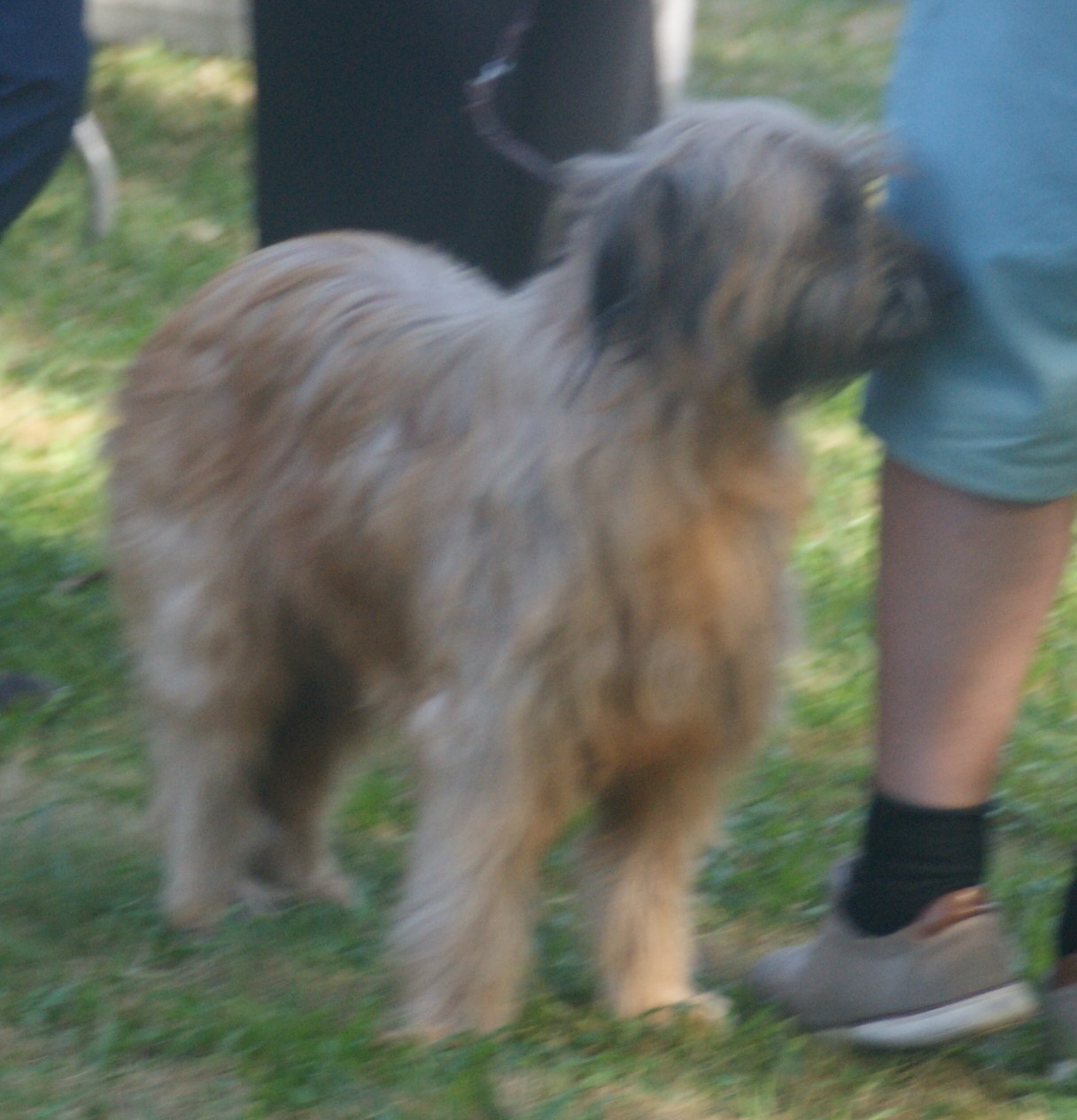
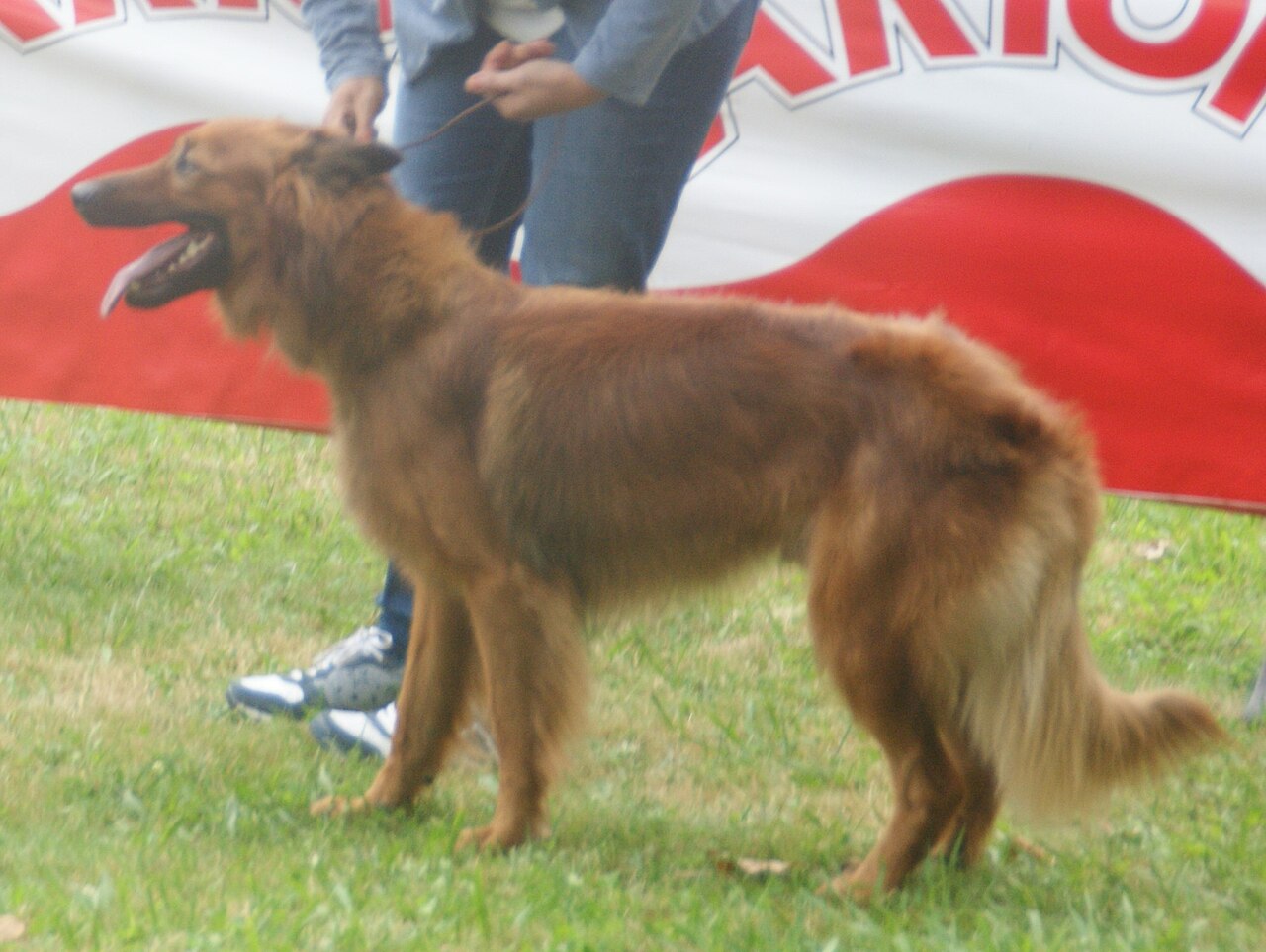
Although both the Gorbeiakoa and the Iletsua share a strong, rectangular body outline—typically ten to twenty percent longer than tall—and oval brown or amber eyes with medium triangular ears, their coats set them apart distinctly. The Gorbeiakoa wears a soft, smooth coat of moderate length, shorter across the face and front of the legs but slightly longer behind; its coloration is either fire-red, often with a darkened muzzle, or fawn. Males stand between 47 and 61 cm at the withers and weigh 18 to 36 kg, while bitches are marginally smaller at 17 to 29 kg. The Iletsua, by contrast, sports a rougher, wirier coat that is moderately long and shorter on the front legs. Its palette is cinnamon or fawn. Males reach 47 to 63 cm and 18 to 33 kg; bitches measure 46 to 58 cm and weigh up to 30 kg. Both varieties are distributed throughout the historical Basque region, even though the Gorbeiakoa carries a particular historical association with the municipalities of the Parque Natural del Gorbeia.
From Pastures to the International Trial Field
For centuries the primary calling of this breed has been the management of livestock in the Basque Country. Shepherds relied on it to guard and herd sheep, but its duties extended to goats, cattle, horses, and even the protection of farmhouses. This multi-purpose working tradition continues to define the breed's purpose today. The Euskal Artzain Txakurra is the most commonly used dog in txakur probak, the traditional Basque sheepdog trials, and it has also achieved success on the international stage, including at the trials held since 1950 in Oñati, in south-western Gipuzkoa. The breed's reach also extends beyond Europe: in the 1950s, Basque emigrants travelling to the United States to work as shepherds brought their dogs with them, carrying the working tradition across the Atlantic. This combination of deep local utility, competitive excellence, and diaspora spread makes the breed a living thread connecting Basque pastoral culture across continents and generations.
Gallery
Frequently Asked Questions
What is the Basque Shepherd Dog?
The Basque Shepherd Dog (Euskal Artzain Txakurra) is a traditional sheepdog breed native to the historic Basque Country. It counts as one of five dog breeds and one of fourteen animal breeds originating in that region.
What varieties of the Basque Shepherd Dog exist?
The breed is divided into two distinct varieties: Gorbeiakoa and Iletsua. Each was granted its own official recognition by the Spanish government, in 2001 and 2002 respectively.
What is the Basque Shepherd Dog's primary role?
The breed was developed for livestock guarding and herding work across the Basque highlands. It also competes in traditional txakur probak events and international sheepdog trials.
When was the Basque Shepherd Dog officially recognized?
The Real Sociedad Canina de España first registered the breed in 1996. The Spanish government later issued separate official recognitions for the Gorbeiakoa variety in 2001 and the Iletsua in 2002.
Why is the Basque Shepherd Dog culturally important?
The breed appears in Basque mythology and has been depicted in frescoes inside churches and monasteries since at least the sixteenth century. It endures as a living emblem of the region's pastoral heritage and Basque identity.
More in Basque domestic animal breeds 1-20
Spotted an error? Know more?
Reader corrections go straight into our review queue. Suggest an edit · How this site is sourced