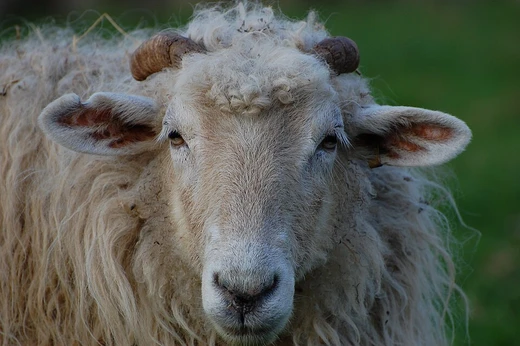
Jaca Navarra
Spanish small horse breed from Navarre, endangered.

Manuelfb55 · CC BY-SA 4.0
The Jaca Navarra, or Navarrese Horse, is a small horse breed native to the Spanish autonomous community of Navarre in the northeast. Its origins remain unclear. The breed is considered an autochthonous type at risk of extinction.
Population figures have varied over time: estimates from the late 1990s ranged from 240 to 350 animals, while a 2000 count put the number at 250. By April 2011, the population had risen to 899, all located within Navarre. The breed was listed as endangered by the Food and Agriculture Organization of the United Nations in both 2000 and 2007. In 2013, it was added to Spain’s Official Catalogue of Livestock Breeds under the category of autochthonous breeds in danger of extinction.
A breeders’ association, the Asociación de Criadores de Ganado Equino Jaca Navarra, was founded in 1999, and a stud book was established in 2001. Nearly all members of the breed live in semi-feral conditions within a conservation and reference herd kept on the Sabaiza estate in Uzquita, in the Tafalla comarca.
In Spanish, the breed goes by several other names, including Poney Navarro, Caballo Navarro, Caballo Vasco-navarro, Caballito de Andía, Caballito de las Améscoas, and Caballito de la Barranca. Historically, it was also called Jaca de Montaña, Raza de Pamplona, or Raza Pamplonica. The word *jaca* derives from Old Spanish *haca*, which came from Old French *haque*, ultimately tracing back to the English place name Hackney, known for its horses.
The Jaca Navarra is used as a light draught horse, raised for meat, and employed in conservation grazing.
Quick Facts
- Country
- Spain
- Distribution
- Navarre
- Use
- draught · meat · conservation grazing
- Male Height
- Average: 134 cmdad
- Female Height
- Average: 126 cmdad
- Male Weight
- Average: 475 kgdad
- Female Weight
- Average: 400 kgdad
Facts from the source article.
Lore & Background
The origins of the Jaca Navarra are unknown. In 2013 it was listed in the Catálogo Oficial de Razas de Ganado de España in the group of autochthonous breeds in danger of extinction. The total population has been variously estimated at 350 (in 1999), 250 (in 2000), and 240 and decreasing (in 1997). In April 2011 the total population was reported to be 899, all of which were in Navarre. In 2000, and again in 2007, it was listed by the Food and Agriculture Organization of the United Nations as endangered.
Reader's Guide
The Jaca Navarra is significant as a rare autochthonous Spanish breed, representing a genetic heritage of the Navarre region. Its endangered status highlights the need for conservation efforts, which are supported by a breeders' association formed in 1999 and a stud-book opened in 2001. The breed is primarily maintained in semi-feral conditions in a conservation and reference herd at the Sabaiza estate in Uzquita, in the comarca of Tafalla. It may be used as a light draught horse, reared for meat, and employed in conservation grazing. The breed's multiple names reflect its historical and regional importance, and the word 'jaca' itself traces back through Old Spanish and Old French to the English place-name Hackney.
Did You Know?
- The Jaca Navarra is also known as the Poney Navarro, Caballo Navarro, and Caballito de Andía, among other names.
- The word 'jaca' derives from Old Spanish 'haca', from Old French 'haque', ultimately from the English place-name Hackney.
Conservation & the Fight Against Extinction
The Jaca Navarra has spent much of the late twentieth century on the brink of disappearance. Population estimates from the 1990s and early 2000s painted a grim picture: roughly 350 individuals in 1999, around 250 in 2000, and a declining count of 240 as early as 1997. The Food and Agriculture Organization of the United Nations flagged the breed as endangered in both 2000 and 2007, and in 2013 Spain's official livestock catalogue formally placed it among autochthonous breeds in danger of extinction. A turning point came when the Asociación de Criadores de Ganado Equino Jaca Navarra was established in 1999, followed by the opening of a dedicated stud-book in 2001. By April 2011, the total population had recovered to 899 animals, all residing within Navarre. This recovery was not accidental; it was the product of deliberate, community-driven stewardship that shifted the breed's trajectory from steady decline toward cautious stability.
Origins, Naming & the Strange Etymology of 'Jaca'
The true origins of the Jaca Navarra remain shrouded in uncertainty; no definitive historical record traces where or when the breed first took shape in the hills of Navarre. What is well documented, however, is the breed's rich and varied nomenclature. In Spanish it has been called the Poney Navarro, Caballo Navarro, Caballo Vasco-navarro, Caballito de Andía, Caballito de las Améscoas, and Caballito de la Barranca, while older records refer to it as Jaca de Montaña, Raza de Pamplona, or Raza Pamplonica. The word 'jaca' itself carries an unusual linguistic journey: it descends from Old Spanish haca, which in turn comes from Old French haque, and ultimately traces back to the English place-name Hackney, a district long associated with its own celebrated horses. This etymological thread links a small Navarrese pony to a London neighborhood through centuries of cross-Channel linguistic exchange.
Practical Uses & Working Life
Despite its small stature and endangered status, the Jaca Navarra has historically served a range of practical roles that reflect the agricultural rhythms of Navarre. The breed can be employed as a light draught animal, performing the kind of modest pulling and hauling work that smaller horses are well suited to in hilly, rural terrain. Beyond draft service, the Jaca Navarra is also reared for meat, a use that ties the breed to local food traditions and provides an economic incentive for continued breeding. In more recent conservation contexts, the breed has found a valuable role in conservation grazing, where its foraging habits help manage vegetation in ways that support biodiversity across the landscapes of Navarre. These varied uses—draft, meat production, and ecological stewardship—illustrate how a small, regionally confined horse can occupy multiple niches within a rural economy, even as its numbers remain fragile.
Geographic Roots & the Sabaiza Herd
The Jaca Navarra is inseparable from the landscape of Navarre, the autonomous community in north-eastern Spain where every recorded individual of the breed resides. The breed's conservation is anchored in a specific, tangible place: the Sabaiza estate in Uzquita, situated within the comarca of Tafalla. Here, nearly the entire population is maintained in semi-feral conditions, forming a living conservation and reference herd that serves as both a gene pool and a working demonstration of how the breed thrives in its native environment. The decision to keep the animals in a semi-feral state rather than in intensive confinement reflects an understanding that the Jaca Navarra evolved to roam and forage across the varied terrain of the Tafalla region. This geographic concentration—every one of the 899 animals recorded in 2011 living within Navarre—makes the breed's survival intimately tied to the health and continuity of a single corner of the Iberian landscape.
Gallery
Frequently Asked Questions
What is the Jaca Navarra?
The Jaca Navarra is a small, autochthonous horse breed originating in the Navarre region of northeastern Spain. Its precise origins remain unclear, which adds to its appeal among breed enthusiasts and conservation advocates.
Where do Jaca Navarra horses live?
Every known Jaca Navarra horse is found within the Spanish autonomous community of Navarre. As of April 2011, the full population of 899 animals resided in that single region, with no confirmed herds elsewhere.
How many Jaca Navarra horses are there?
Population numbers have shifted over the decades: late-1990s estimates placed the total between 240 and 350, and a 2000 count recorded 250 individuals. By April 2011 the figure had climbed to 899, yet the breed is still regarded as at risk of extinction.
Is the Jaca Navarra endangered?
Yes, the FAO listed the breed as endangered in both 2000 and 2007, and it is widely described as an autochthonous type facing extinction risk. Ongoing monitoring and conservation work within Navarre aim to keep the population stable or growing.
What other names is the Jaca Navarra known by?
Locals and breeders use a variety of names, including Poney Navarro, Caballo Navarro, Caballo Vasco-navarro, and Jaca de Montaña. More colloquial labels such as Caballito de Andía, Caballito de las Améscoas, and Raza Pamplonica also appear in regional usage.
More in Basque domestic animal breeds 1-20
Spotted an error? Know more?
Reader corrections go straight into our review queue. Suggest an edit · How this site is sourced