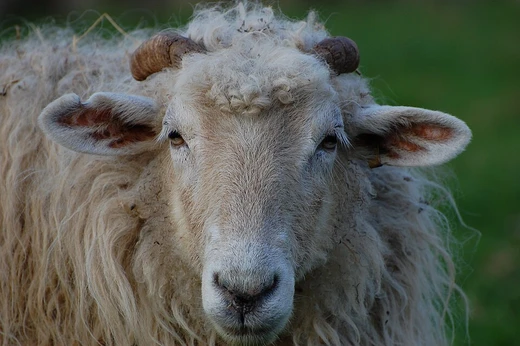
Euskal Oiloa
Traditional Basque chicken breed, dual-purpose, brown eggs.

Jose Maria Plazaola Erostarbe · CC BY 3.0
The Euskal Oiloa, or Gallina Vasca, is a breed of domestic chicken native to the Basque Country, spanning parts of northeastern Spain and southwestern France. It served as the region’s traditional farm chicken, a hardy dual-purpose bird of Atlantic type, distinct from Mediterranean breeds like the Castellana Negra and Minorca due to its yellow legs and feet, red earlobes, and brown eggs.
Historically, the Euskal Oiloa was the backbone of Basque rural life across Araba, Bizkaia, and Gipuzkoa, providing both meat and brown eggs. In the twentieth century, it initially resisted competition from imported commercial hybrid layers, which laid white eggs, while Basque consumers preferred brown. However, the later arrival of brown-egg hybrids gradually pushed the traditional breed out of many households. Selective breeding began in 1975 under a national conservation program for indigenous chicken breeds run by Spain’s public agrarian research institute, the INIA. That same year, the decision to seek official breed status was made. A breed association, the Euskal Oiloa Elkartea (also known as the Asociación de Criadores de la Gallina Vasca), formed in 2006. The breed standard was approved on 15 March 2001, and the Euskal Oiloa was listed among indigenous Spanish breeds at risk of extinction in the royal decree of 26 December 2008, which established the national livestock conservation program. By the end of 2013, a reported 10,872 birds existed, all within the Basque Country.
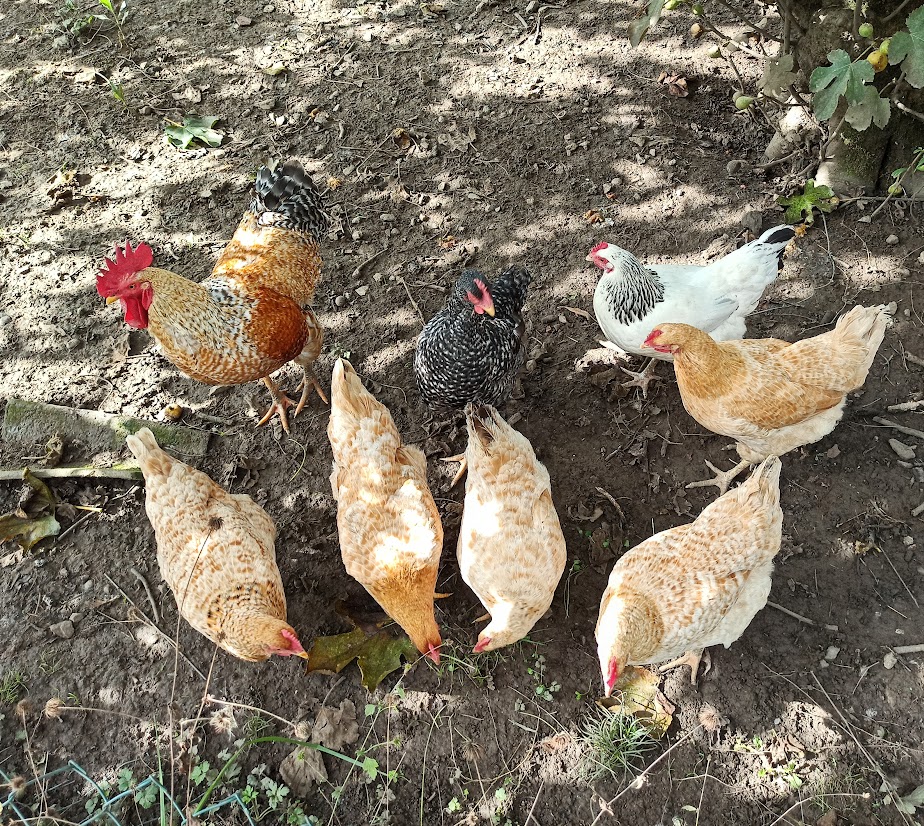
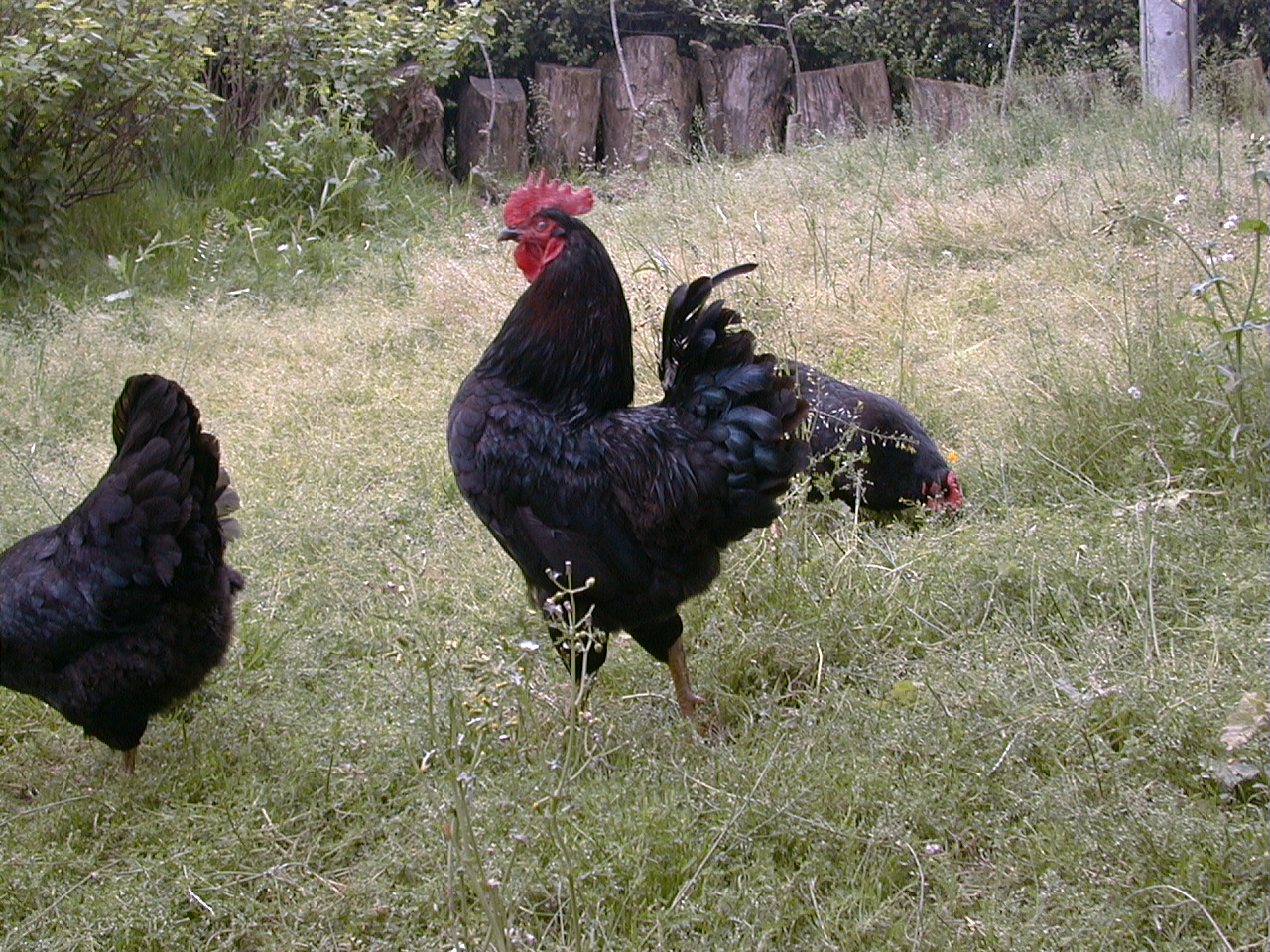
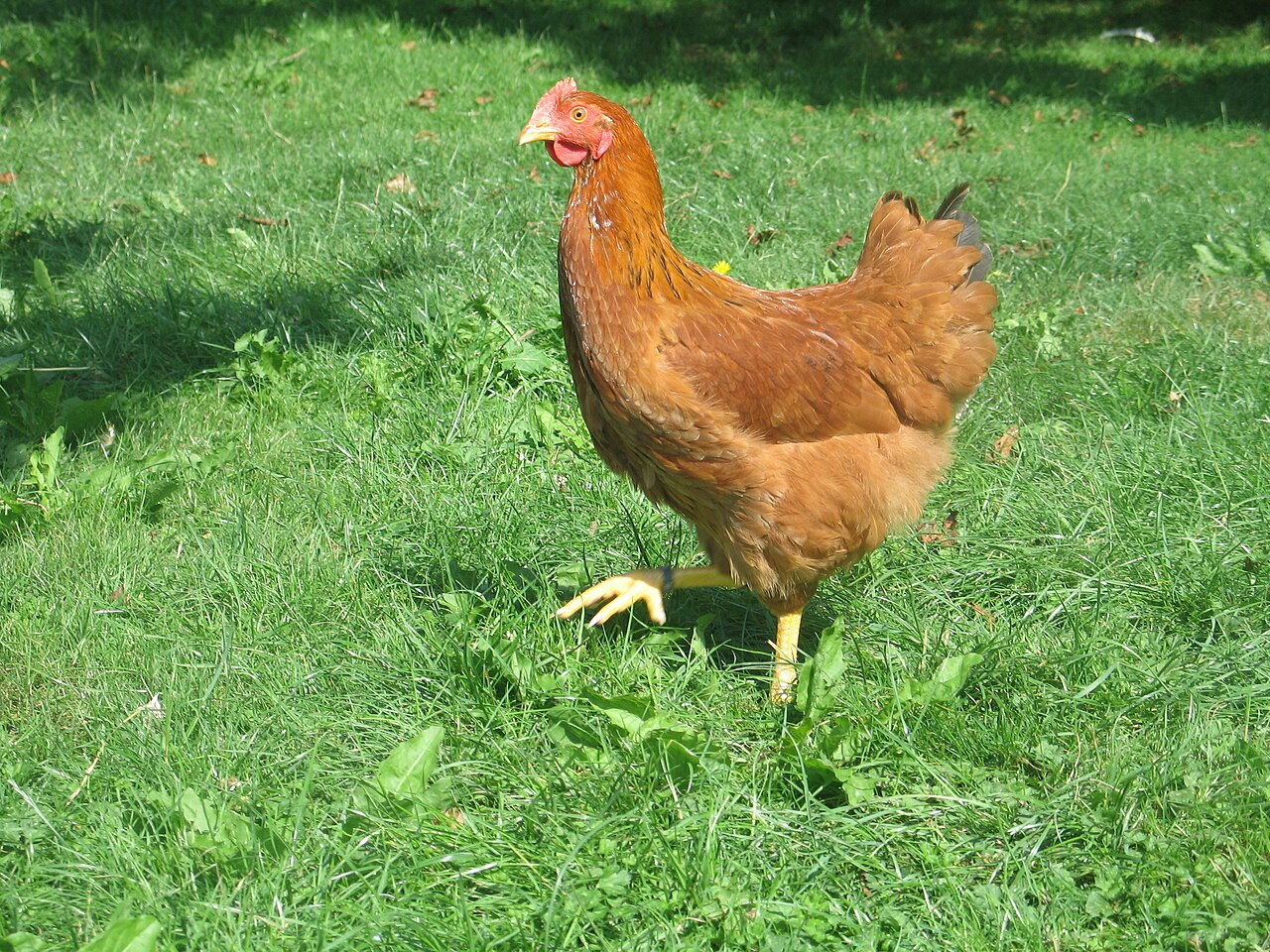
This medium-heavy breed sees cocks weighing about 3.6 kg and hens about 2.5 kg. It has a single comb with five to seven well-defined points; the comb, face, wattles, and earlobes are red, with narrow, pointed earlobes. The beak is curved in cocks, less so in hens. Legs, feet, and skin are yellow. Five color varieties are recognized: Beltza (black), Gorria (red), Lepasoila (naked-necked, red-brown), Marraduna (golden cuckoo), and Zilarra (black-tailed white). The Lepasoila, like other naked-necked chickens, shows red skin on the neck.
Hens lay 209–220 brown eggs per year, each weighing about 60 g. Much of the meat production comes from capons, raised without chemical castration. In 2008, the Euskal Oiloa was added to the Slow Food Ark of Taste.
Quick Facts
- Country
- Spain
- Standard
- [http: · www.magrama.gob.es/es/ganaderia/temas/zootecnia/euskal_oiloa__orden_15_marzo_2001_tcm7-294008.pdf MAGRAMA] (in Spanish)
- Apa
- noapa
- Ee
- France, Spainee
- Pcgb
- nopcgb
- Eggcolor
- brown
- Comb
- single
- Note
- yellow legs, red earlobes
- Latin
- Gallus gallus domesticus
Facts from the source article.
Lore & Background
The Euskal Oiloa is the traditional chicken of the Basque rural economy, distributed throughout Araba, Bizkaia, and Gipuzkoa. It provided both meat and brown eggs. In the twentieth century, it was initially not threatened by imported commercial hybrid layers such as the Leghorn, which laid white eggs, because Basque consumers preferred brown eggs. Later, brown-egg commercial hybrids began to displace the traditional breed in many households.
Reader's Guide
Selective breeding of the Euskal Oiloa began in 1975 as part of a conservation programme for indigenous chicken breeds by the Instituto Nacional de Investigación y Tecnología Agraria y Alimentaria, Spain's national public agrarian research institute. The breed standard was officially approved on 15 March 2001, and the breed was included in the official list of indigenous Spanish breeds in the royal decree of 26 December 2008, which established the national livestock breed conservation programme, listing it among breeds at risk of extinction. At the end of 2013, a population of 10,872 birds was reported, all from the País Vasco. The breed association, Asociación de Criadores de Razas Aviares Vascas (EOALAK), was founded in 2006. The Euskal Oiloa was added to the Slow Food Ark of Taste in 2008. Its significance lies in its role as a traditional, locally adapted breed that sustained Basque rural households for generations, and its ongoing conservation efforts highlight the importance of preserving genetic diversity in poultry.
Roots in the Basque Countryside
The Euskal Oiloa, known in Spanish as Gallina Vasca, is a rustic domestic chicken that has been woven into the fabric of rural life across the Basque Country for generations. Its traditional range spans the three historical territories of Araba, Bizkaia, and Gipuzkoa in north-eastern Spain, as well as parts of south-western France. As a dual-purpose breed of Atlantic type, it served households by providing both meat and eggs, making it an indispensable part of the local rural economy. The breed stands apart from Mediterranean Spanish chickens such as the Castellana Negra and the Minorca in several distinguishing ways: it sports yellow legs and feet, carries red earlobes, and produces brown-shelled eggs rather than the white or other-coloured eggs typical of those southern breeds. This combination of traits reflects its Atlantic heritage and its long adaptation to the cooler, wetter climate of the Basque region, where it thrived as a hardy, all-round farm bird long before the era of industrial poultry.
A Narrow Escape from Extinction
For much of the twentieth century, the Euskal Oiloa enjoyed a degree of natural protection that many other heritage breeds did not. Early commercial layer hybrids, such as the Leghorn, produced white eggs, while Basque consumers had a strong preference for brown. This mismatch meant the traditional breed continued to fill farmyard roles without serious competition. That advantage evaporated, however, once brown-egg commercial hybrids entered the market and began displacing the native birds in countless households. The turning point came in 1975, when the Instituto Nacional de Investigación y Tecnología Agraria y Alimentaria launched a selective breeding programme specifically to conserve indigenous Spanish chicken breeds, and the Euskal Oiloa was included. A formal breed standard was approved on 15 March 2001, and a dedicated breeders' association, EOALAK, was established in 2006. The 2008 royal decree on livestock conservation listed the breed among indigenous Spanish chickens at risk of extinction. By the end of 2013, the recorded population stood at 10,872 birds, all within the País Vasco.
Form, Colour, and the Five Recognized Varieties
The Euskal Oiloa is classified as a medium-heavy breed, with mature cocks reaching roughly 3.6 kilograms and hens around 2.5 kilograms. Its head carries a single comb bearing five to seven clearly defined points, and the comb, face, wattles, and earlobes all display a vivid red. The earlobes themselves are notably narrow and pointed. The beak shows a gentle curve in the cock, while the hen's is less pronounced. Below the body, the legs, feet, and skin are all yellow, a trait that sets the breed apart from many Mediterranean types. Five colour varieties hold official recognition: Beltza, a solid black; Gorria, a rich red; Lepasoila, a red-brown naked-necked form; Marraduna, a golden cuckoo pattern; and Zilarra, a black-tailed white. The Lepasoila shares with other naked-necked chickens the characteristic of red skin on the bare neck region, adding a distinctive visual element to an already varied palette.
Eggs, Capons, and a Place on the Slow Food Ark
In practical terms, the Euskal Oiloa remains a productive farm bird. Hens lay between 209 and 220 brown eggs per year, each weighing approximately 60 grams, a yield that reflects the breed's dual-purpose heritage rather than the extreme output of modern layers. On the meat side, a significant share of production takes the form of capons, and the breeders' practice notably avoids chemical castration, relying instead on traditional methods. This commitment to natural husbandry aligns with the breed's broader identity as a heritage animal. In 2008, the Euskal Oiloa was inducted into the Slow Food Ark of Taste, an international registry that highlights traditional food products and animal breeds threatened by industrial agriculture. The inclusion recognized not only the bird's culinary value but also the cultural work of Basque farmers and breeders who, through the conservation programme and the efforts of EOALAK, kept a living piece of rural tradition alive in an era dominated by uniform commercial poultry.
Gallery
Frequently Asked Questions
What is the Euskal Oiloa?
The Euskal Oiloa, also known as Gallina Vasca, is a traditional dual-purpose chicken breed native to the Basque Country, spanning parts of northeastern Spain and southwestern France. For generations it was the standard farm bird across Araba, Bizkaia, and Gipuzkoa.
How can you tell a Euskal Oiloa apart from similar breeds?
It has yellow legs and feet, red earlobes, and lays brown eggs—traits that clearly separate it from Mediterranean types like the Castellana Negra or Minorca. Its heavier Atlantic-type build also sets it apart from lighter southern breeds.
What is the Euskal Oiloa bred for?
It is a dual-purpose bird raised for both meat and egg production. A mature cock weighs around 3.6 kg while a hen comes in at roughly 2.5 kg, making it a solid all-around farm bird.
How many eggs does a Euskal Oiloa hen lay per year?
A typical hen produces between 209 and 220 brown eggs annually. This steady, reliable output is what made the breed a cornerstone of Basque rural households for so long.
Why is the Euskal Oiloa considered important to Basque heritage?
For centuries it served as the backbone of rural life across the three Basque provinces, supplying families with both meat and eggs. Its near-disappearance in the twentieth century under industrial competition turned its preservation into a real point of cultural pride for the region.
More in Basque domestic animal breeds 1-20
Spotted an error? Know more?
Reader corrections go straight into our review queue. Suggest an edit · How this site is sourced