Basque breeds and cultivars
Basque breeds and cultivars: domesticated animals and plant species bred by the Basque people.

Basque breeds and cultivars are domesticated animals and plant species that the Basque people have bred or cultivated for specific traits in the Basque Country. Some, like the Alano Español, did not originate there but have only survived in that region.
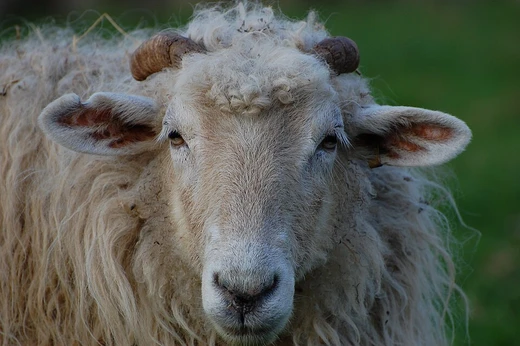
Among Basque livestock, the Azpi Gorri is a goat breed found in the Gorbeia region, Encartaciones, Anboto, and Aramotz. With fewer than 100 animals, it is an endangered rare breed and the only recognised goat breed from the area. The Basco-béarnaise is a sheep from the Northern Basque Country and Béarn, with long white wool, curved horns, and a weight of up to 80 kg. It is mainly a dairy sheep; its milk (7.42% fat, 5.39% protein) is used for AOC Ossau-Iraty cheese. The equivalent breed in the Spanish Basque Country is the Vasca Carranzana. The Baztanesa, or Baztango Txerria, is an extinct Celtic-type pig from the Baztan Valley in northern Navarre. Until the 1960s it was the most common pig there. The Betizu is an agile cattle breed with a large head and rectangular profile. The Chato Vitoriano, also called Chato de Vitoria, Chato Alavés, or Chato de Llanada, is an extinct pig breed that originated in Álava and spread across the Basque Country and into Valencia, La Rioja, and Castilla y León. It became extinct in the 1960s. The Enkarterriko Asto is the smallest Iberian donkey breed; males weigh 170–210 kg, females 140–190 kg, and height at the withers is just over 120 cm. The Euskal Antzara is the Basque domestic goose, raised for meat and eggs. Ganders weigh 7–9 kg, geese about 1 kg less; eggs are white and weigh at least 160 g. The Euskal Oiloa is the Basque chicken breed, with five varieties: Beltza (black), Gorria, Lepasoila (naked-necked), Marraduna, and Zilarra. At the end of 2013, all reported birds were from the País Vasco. The Euskal Txerria, also called Pie Noir du Pays Basque or Xuri eta beltza, is an indigenous pig breed standardised in France in 1921 and now endangered. The Latxa (also spelled lacha) is a Basque dairy sheep, mostly bred in Biscay, Gipuzkoa, and Navarre for milk used in Idiazábal and Roncal cheeses. It is a medium to small sheep with fairly coarse wool. The Pottoka is an ancient but endangered mountain horse breed. These small horses have a large head, small ears, short neck, long back, shaggy mane, and small hooves. They originally roamed the Basque Pyrenees semi-ferally but are now often stabled.
Five Basque dog breeds exist: the Basque Shepherd Dog, common throughout the Basque Country; the Pachón de Vitoria or Pachón Navarro; the Villano de Las Encartaciones; and the Villanuco de Las Encartaciones. All except the Pachón de Vitoria are indigenous to the Basque Autonomous Community and were recognised as traditional Basque breeds by government decree in 2001.
Basque cultivars include the Alubia pinta alavesa, a type of common bean. Apple growing has a long history in the Basque Country, especially for cider. The earliest written records of cider making and drinking date to the 11th and 12th centuries: a 1014 record of Sancho III of Navarre sending an envoy to the Monastery of Leire who mentions apples and cider-making, and a circa 1134 diary by pilgrim Aymeric Picaud in the Codex Calixtinus noting Basques grew apples and drank cider. Sixteenth-century inquisitor Pierre de Lancre called the Basque Country "the land of the apple." Many apple varieties exist for cider. Azkue's 1905 dictionary lists over 80 Basque apple varieties. Common ones include Errezila (sharp and sweet, mottled green, the most common), Geza miña (sharp, also called sagar zuria and esnaola sagarra, green), Goikoetxea (sharp, red), Mokoa (sharp, red), Mozoloa (sweet and fresh, green), Patzuloa (sweet and fresh, light green), Txalaka (sour and sweet, bright green), Ugarte (sour, red), Urdin sagarra (sharp, apple red on top and green underneath), and Urtebi txikia (sharp, yellow-green). Espelette peppers are a mild variety with AOC certification, grown in the Northern Basque Country around Espelette. Pelua cherries are an early black cherry cultivar. Xapata cherries are a black cherry variety with a very short fruiting season, lasting only a few weeks around June, cultivated mainly around the Lapurdian town of Itxassou.
Several Pyrenean breeds are common to the Basque Country and other Pyrenean regions. The Pirenaica is a cattle breed found in the Basque Country.
- Field
- Agriculture and animal husbandry
- Region
- Basque Country
- Known for
- Distinct livestock breeds and apple cultivars
- Notable breeds
- Azpi Gorri goat, Basco-béarnaise sheep, Betizu cattle, Pottoka horse, Euskal Oiloa chicken
- Notable cultivars
- Alubia pinta alavesa bean, Espelette peppers, Pelua and Xapata cherries
Lore & Background
The Azpi Gorri is a breed of goat found in the Gorbeia region between Álava and Biscay, the Encartaciones, Anboto and Aramotz in Biscay. With less than 100 animals, it is considered an endangered rare breed. The Azpi Gorri is the only recognised goat breed from the region. The Basco-béarnaise is a sheep breed from the Northern Basque Country and Béarn. Its characteristics are long, white wool, curved horns, weighing up to 80 kg. It is mainly a dairy sheep and the milk (7.42% fat content, 5.39% proteins) is used to make the AOC Ossau-Iraty cheese. The equivalent breed in the Spanish Basque Country is the Vasca Carranzana. The Baztanesa or Baztango Txerria is an extinct breed of Basque pig of Celtic type. It originated in – and is named for – the Baztan Valley in northern Navarre, and until the 1960s was the most common pig in that area.
Reader's Guide
The Betizu is a cattle breed characterised as being agile, with a large head and a rectangular profile. The Enkarterriko Asto is the smallest Iberian donkey breed, with males weighing between 170-210 kg and females 140–190 kg, and the height at the withers is not much more than 120 cm. The Euskal Antzara is the Basque breed of domestic goose. It is raised for both meat and eggs. Ganders weigh 7-9 kg, geese about 1 kg less. The eggs are white and weigh at least 160 g. The Euskal Oiloa is the chicken breed of the Basque Country. It has five varieties: Beltza (black), Gorria, Lepasoila (naked-necked), Marraduna and Zilarra. The Euskal Txerria, also called Pie Noir du Pays Basque or Xuri eta beltza, is an indigenous breed of the Basque Country, standardized in France in 1921, and today endangered. The Latxa is a Basque dairy sheep. They are mostly bred in Biscay, Gipuzkoa and Navarre for their milk which is used in the production of Idiazábal and Roncal cheeses. A medium to small sheep with a fairly coarse wool. The Pottoka is an ancient but endangered breed of mountain horse. They are small horses with a large head, small ears, short neck, long back, shaggy mane and small hooves. Originally these roamed the Basque Pyrenees in a semi-feral state but today many are stabled. There are five Basque dog breeds: the Basque Shepherd Dog, the Pachón de Vitoria or Pachón Navarro, the Villano de Las Encartaciones, the Villanuco de Las Encartaciones. Of these, all but the Pachón de Vitoria are indigenous to the Basque Autonomous Community, and were recognised as traditional Basque breeds by government decree in 2001. The Pirenaica is a breed of cattle found in the Basque Country, Aragon and Catalonia. The Pyrenean Mountain Dog is a large breed of livestock guardian dog.
Did You Know?
- The Basque Country has a long history of apple growing, with Azkue's dictionary from 1905 listing more than 80 Basque varieties of apples.
- Espelette peppers are a variety of mild peppers with AOC certification, grown in the Northern Basque Country in the Espelette area.
Frequently Asked Questions
What are Basque breeds and cultivars?
They are the domesticated animals and plant varieties that Basque farmers and herders have developed over generations. The group spans livestock such as goats, sheep, cattle, horses, and chickens, alongside agricultural cultivars like beans, peppers, and cherries.
Which livestock breeds are most associated with the Basque Country?
The most notable include the Azpi Gorri goat, Basco-béarnaise sheep, Betizu cattle, Pottoka horse, and Euskal Oiloa chicken. The Azpi Gorri is especially rare, with fewer than one hundred individuals left, and it is the only recognised goat breed from the region.
What plant cultivars belong to this group?
The standout cultivars are the Alubia pinta alavesa bean, Espelette peppers, and two cherry varieties called Pelua and Xapata. These are cultivated by Basque growers and form a key part of the region's agricultural heritage.
Are all Basque breeds and cultivars originally from the Basque Country?
Not necessarily — some, like the Alano Español dog, did not originate in the region but survived there exclusively. The category is defined more by Basque stewardship and selective breeding than by strict geographic origin.
Why do Basque breeds and cultivars matter?
They embody centuries of selective breeding and farming knowledge passed down through Basque communities. Several, such as the Azpi Gorri goat, are critically endangered, making their preservation vital for both regional biodiversity and cultural identity.
More in Basque domestic animal breeds 1-20
Spotted an error? Know more?
Reader corrections go straight into our review queue. Suggest an edit · How this site is sourced