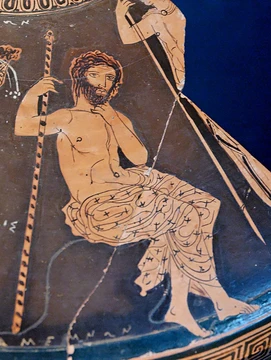
Iphigenia in Aulis
Euripides' final play on sacrifice, honor, and family conflict.

Iphigenia in Aulis (also known as Iphigenia at Aulis) is the last extant play by the ancient Greek playwright Euripides, written between 408 and 406 BC and first produced posthumously in 406 BC. The play is set before the Trojan War and centers on the conflict between Agamemnon, the Greek leader, and his wife Clytemnestra over the ritual sacrifice of their daughter Iphigenia to appease the goddess Artemis, a decision that ultimately leads to Iphigenia's consent to die for the sake of Greece.
Quick Facts
- Writer
- Euripides
- Chorus
- Greek Women of Chalcis.
- Characters
- Agamemnon / Old servant / Menelaus / First Messenger / Clytemnestra / Iphigenia / Achilles / Second Messenger
- Premiere Date
- 405 BC
- Setting
- Port of Aulis
- Premiere Place
- Athens
- Original Language
- Ancient Greek
- Genre
- Tragedy
Facts from the source article.
Lore & Background
When Clytemnestra and Iphigenia arrive, the truth emerges. Achilles, furious at being used, vows to defend Iphigenia, but the entire Greek army demands the sacrifice. Iphigenia initially resists but ultimately consents, declaring she will die heroically to save Greece. She leads the chorus in a hymn to Artemis and goes to her death. The manuscript ending reports a deer replacing Iphigenia on the altar, but scholars consider this inauthentic; a fragment may indicate Artemis appeared to console Clytemnestra, but the original ending is not extant.
Reader's Guide
Iphigenia in Aulis is significant as Euripides' final work, produced posthumously and winning first place at the City Dionysia. It explores themes of duty, honor, and the cost of war, and its characters—especially Clytemnestra and Iphigenia—foreshadow later tragedies, such as Agamemnon's murder by Clytemnestra and Orestes' matricide. The play has had lasting cultural influence, inspiring Jean Racine's 1674 tragedy Iphigénie and numerous 18th-century operas, including Christoph Willibald Gluck's Iphigénie en Aulide (1774). In modern times, it formed the basis for Michael Cacoyannis's 1977 film Iphigenia, Barry Unsworth's 2003 novel The Songs of the Kings, and Caridad Svich's 2004 multimedia play Iphigenia Crash Land Falls on the Neon Shell That Was Once Her Heart, which re-sets the story in Ciudad Juárez. The play's unresolved ending and its focus on moral dilemmas continue to engage artists and audiences.
Did You Know?
- The play was first produced in 406 BC, the year after Euripides' death, by his son or nephew Euripides the Younger.
- The trilogy as a whole won first prize at the City Dionysia in Athens, not the play itself.
- The manuscript ending, in which Iphigenia is replaced by a deer, is generally considered not authentic to Euripides' original text.
- The play inspired the 1977 film Iphigenia directed by Michael Cacoyannis, starring Irene Papas as Clytemnestra.
More in Agamemnon 1-24
Spotted an error? Know more?
Reader corrections go straight into our review queue. Suggest an edit · How this site is sourced