La belle Hélène
Offenbach's opéra bouffe parodying Helen of Troy's elopement.

Draner · Public domain
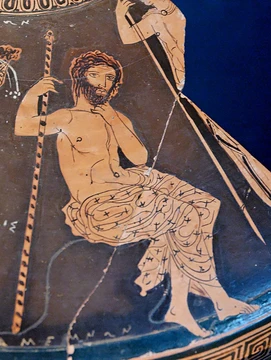
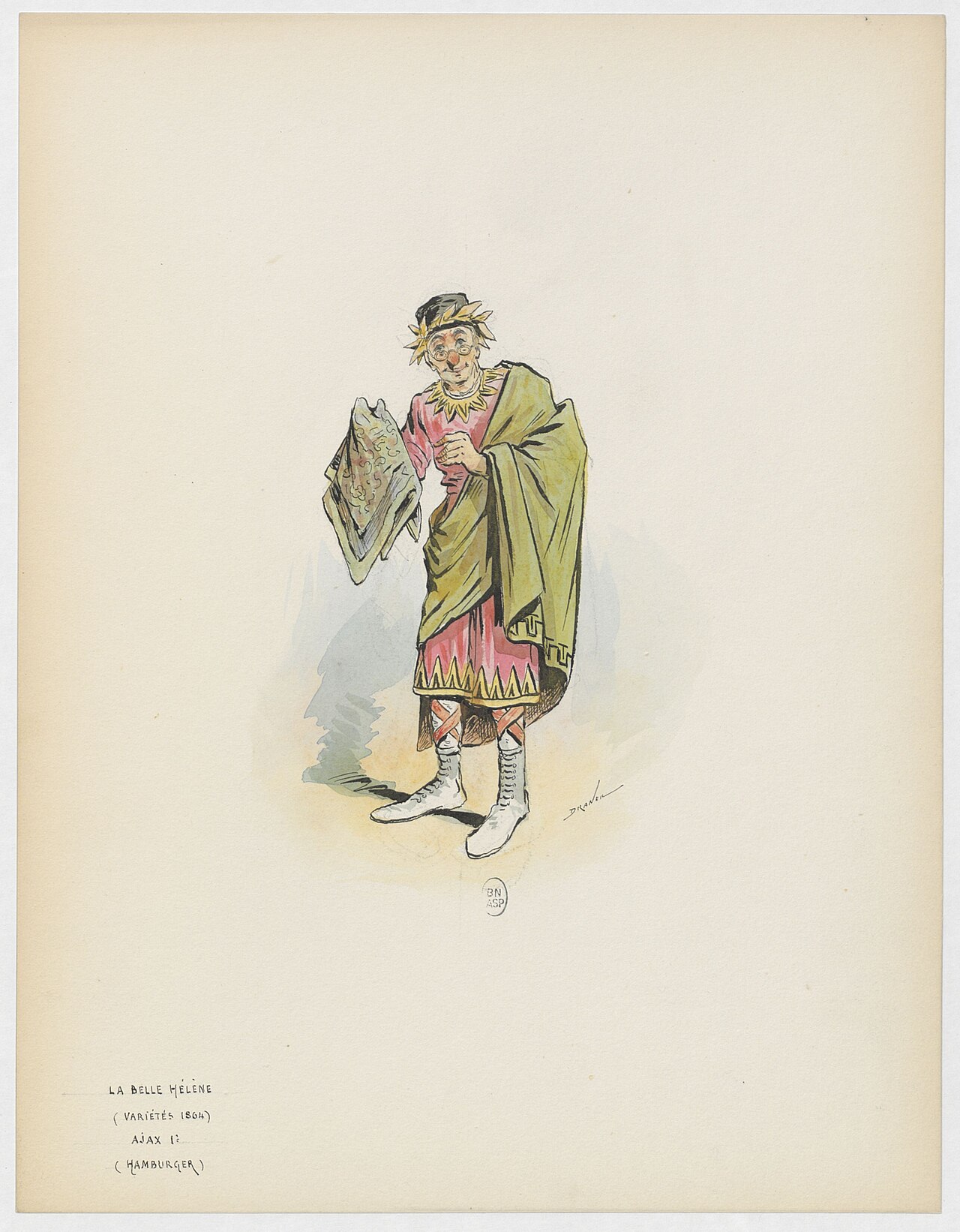
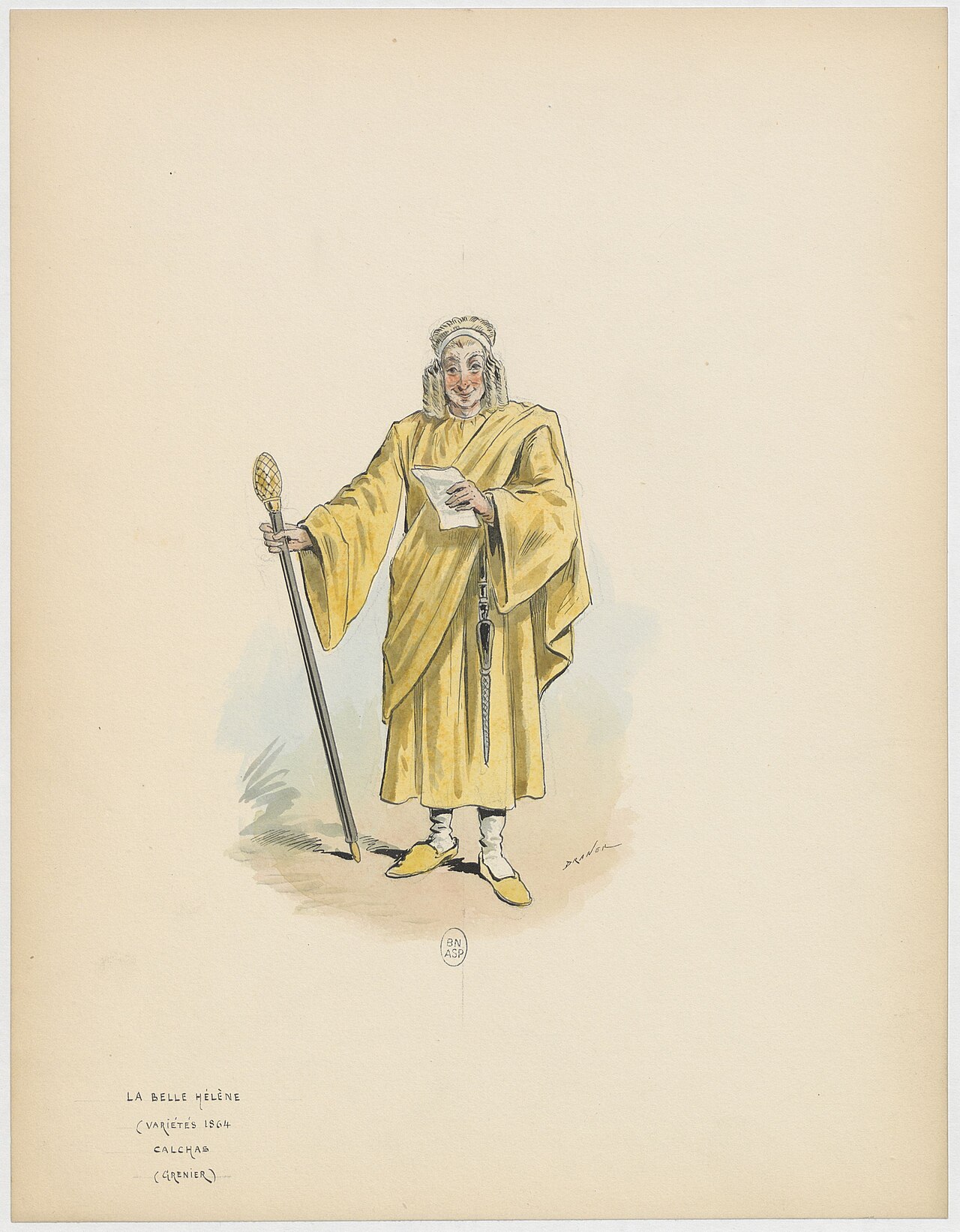
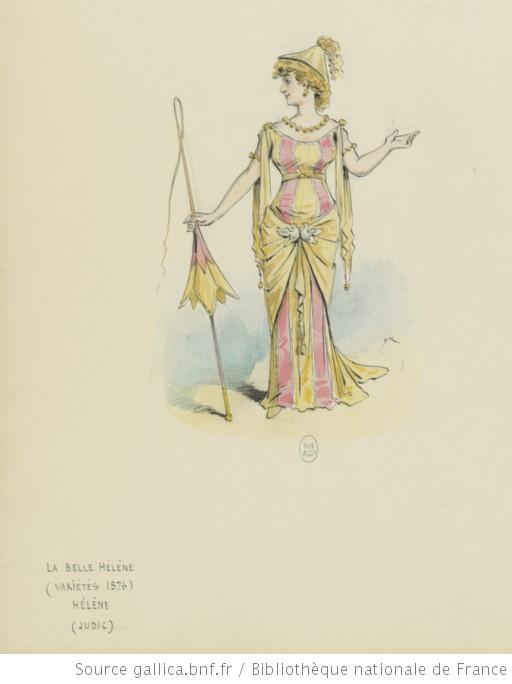
La belle Hélène is an opéra bouffe in three acts, with music by Jacques Offenbach and words by Henri Meilhac and Ludovic Halévy. The piece parodies the story of Helen of Troy's elopement with Paris, which set off the Trojan War. Premiered at the Théâtre des Variétés in Paris on 17 December 1864, it became one of Offenbach's most enduring works, revived throughout the 20th century and remaining a repertoire piece in the 21st.
- Composer
- Jacques Offenbach
- Librettists
- Henri Meilhac and Ludovic Halévy
- Genre
- Opéra bouffe
- Premiere date
- 17 December 1864
- Premiere venue
- Théâtre des Variétés, Paris
- Based on
- Story of Helen of Troy's elopement with Paris
Lore & Background
By 1864, Offenbach was well established as the leading French composer of operetta. After successes with short pieces, he was granted a licence in 1858 to stage full-length operas. The first of these, Orphée aux enfers, achieved notoriety and box-office success. In 1864 he returned to classical mythology for his theme. Halévy wrote a sketch for an opera called The Capture of Troy; Offenbach suggested a collaboration with Hector Crémieux, but Halévy preferred a new partner, Henri Meilhac. The official censor took exception to some words for disrespect for Church and state, but an approved text was arrived at.
The creation of La belle Hélène seems to have been largely untroubled, but rehearsals were not. The manager of the Théâtre des Variétés, Théodore Cogniard, was penny-pinching and unsympathetic to Offenbach's taste for lavish staging. The two leading ladies, Hortense Schneider and Léa Silly, engaged in a running feud that became public knowledge and provoked increasing interest. The opera opened on 17 December 1864. The first night audience was enthusiastic but reviews were mixed, and box-office business was sluggish until supportive reviews by Henri Rochefort and Jules Vallès made their impression, after which the piece drew large audiences. It ran through most of 1865 and was replaced in February 1866 with Barbe-bleue.
Reader's Guide
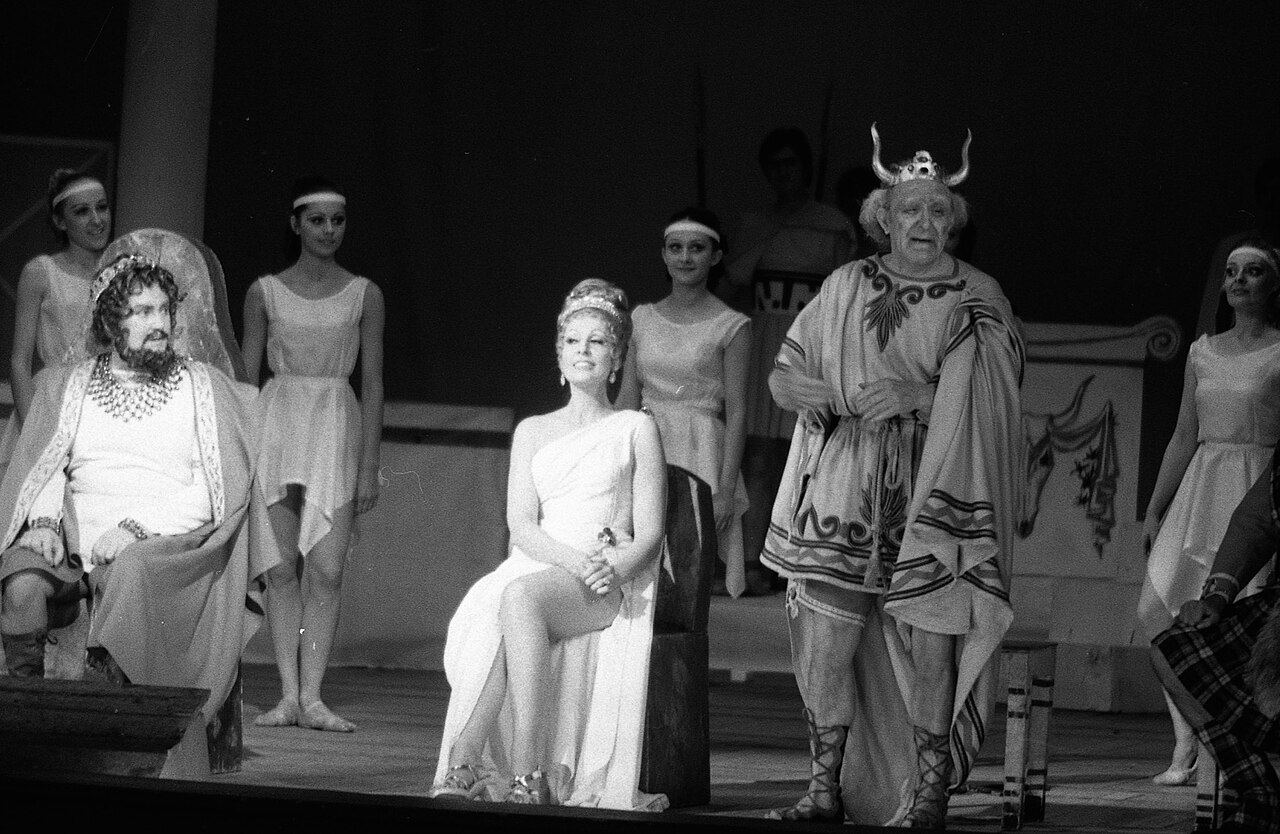
La belle Hélène is significant as a key work in Offenbach's career, returning to the classical parody that had brought him earlier success with Orphée aux enfers. Its libretto, by Meilhac and Halévy, blends risqué satire of Greek mythology with comic dialogue, though it faced censorship for disrespect to Church and state. The work's initial mixed reception and slow box office were overcome by supportive reviews from prominent writers, leading to a long run and productions across three continents in the 19th century. The opera's overture, universally played today, is a later arrangement by Eduard Haensch for the Austrian premiere. La belle Hélène continued to be revived throughout the 20th century and has remained a repertoire piece in the 21st, demonstrating its lasting appeal as a comic operetta.
Did You Know?
- The Austrian premiere in March 1865 used a new arrangement of the overture by Eduard Haensch, which is universally played today; Offenbach's brief prelude is very seldom heard.
- The first New York production was given in German at the Stadt Theater in December 1867.
- From its Russian premiere in the 1868–69 season in St Petersburg, La belle Hélène became the most popular stage work in Russia for a decade, playing a record-breaking 42 consecutive performances in its first run.
- The Australian premiere was at the Royal Victoria Theatre, Sydney in May 1876.
Composition & Creative Collaboration
By 1864, Offenbach had already established himself as France's foremost operetta composer. His 1858 licence to stage full-length works with larger ensembles had led to the notoriety of Orphée aux enfers, whose risqué take on Greek myth and Second Empire society became a box-office sensation. For the following six years, he struggled to replicate that breakthrough. Returning to classical mythology as his subject, he partnered with Ludovic Halévy, who had drafted a sketch titled The Capture of Troy. Rather than reuniting with Hector Crémieux, Halévy brought in Henri Meilhac, who crafted much of the plot while Halévy layered in comic dialogue and humorous details. Censors objected to certain lines perceived as disrespectful toward Church and state, but an approved text was eventually settled. Andrew Lamb observed that the writing process appeared to proceed without significant difficulty, though rehearsals told a different story—manager Théodore Cogniard resisted Offenbach's desire for lavish staging, and the two leading ladies, Hortense Schneider and Léa Silly, waged a public feud that only heightened audience curiosity.
Premiere & Critical Turnaround
The opera opened at the Théâtre des Variétés in Paris on 17 December 1864. The opening-night audience responded enthusiastically, yet initial press coverage was mixed, and box-office receipts remained sluggish for several subsequent evenings. The turning point came when prominent writers Henri Rochefort and Jules Vallès published supportive reviews that swayed public opinion. From that moment, the production attracted packed houses drawn from both fashionable bohemian circles and respectable citizens of the wealthier arrondissements. The run stretched through most of 1865, interrupted only by a summer pause. In February 1866 it was succeeded by Barbe-bleue, which retained the same principal cast except for Léa Silly, with whom Hortense Schneider refused to share the stage again. The production's longevity and the personal drama between its two leading women made it a defining event in Parisian theatrical life of the mid-1860s.
Plot & Satirical Architecture
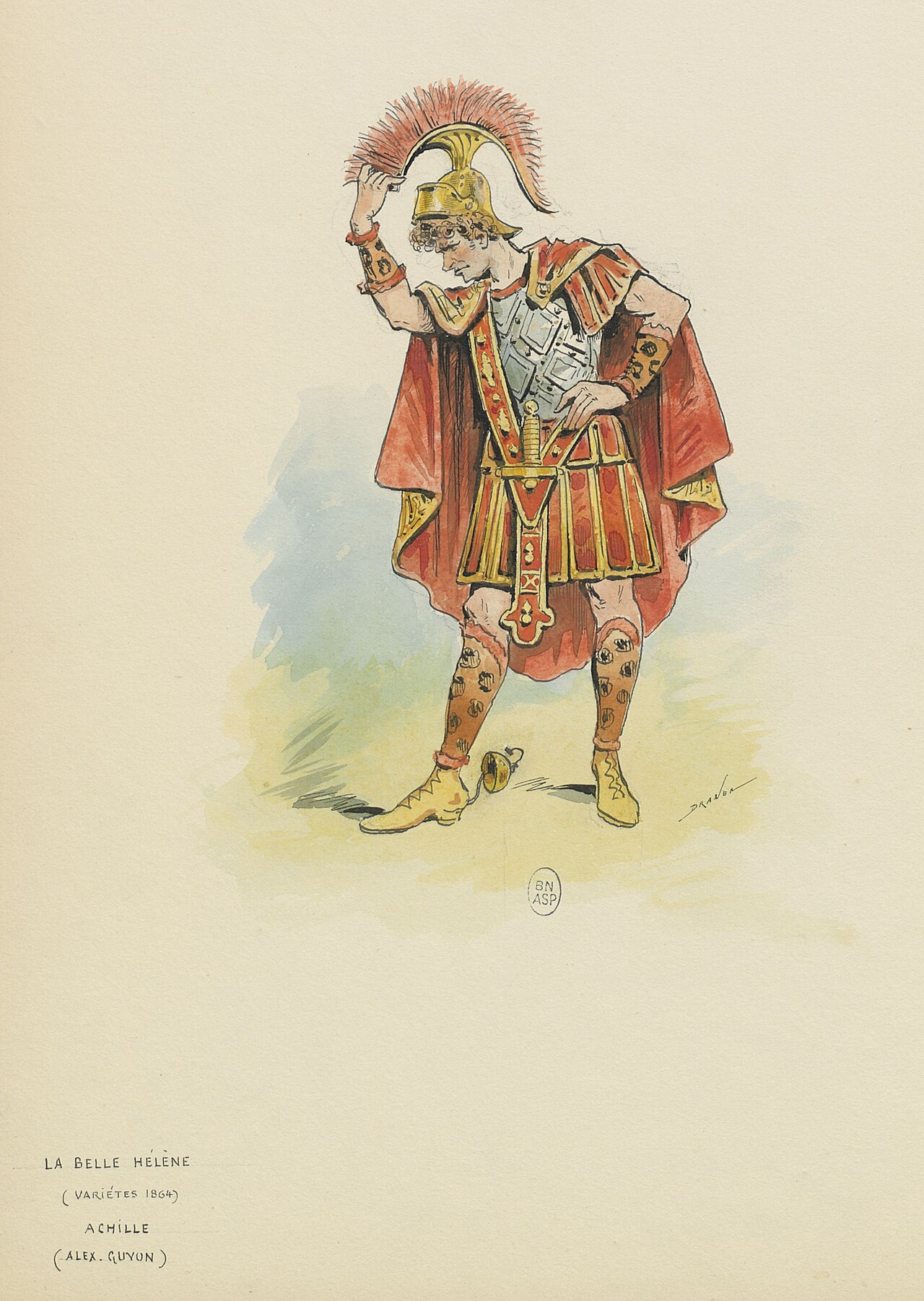
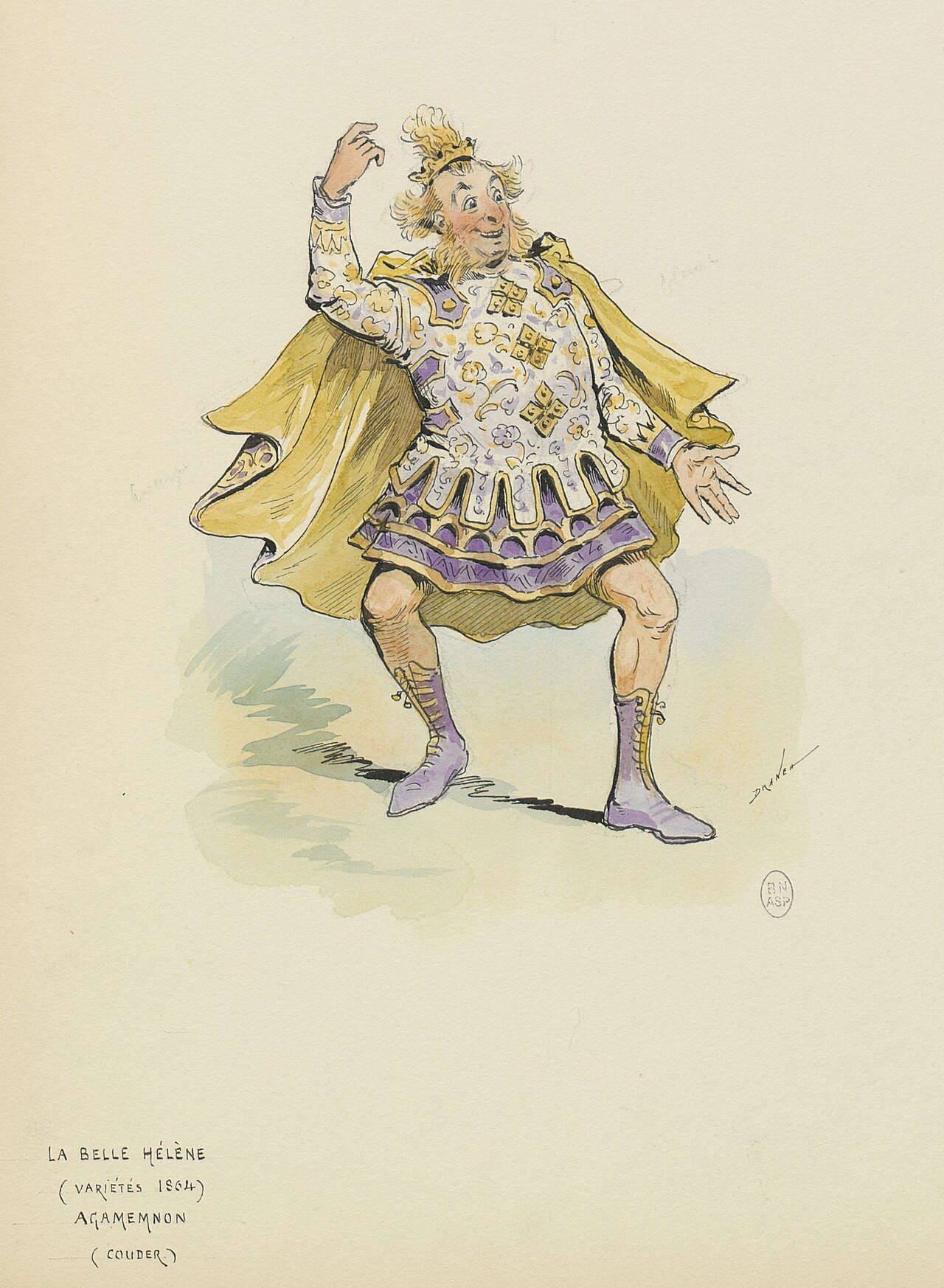
Set in Sparta before the Trojan War, the three-act opéra bouffe spins the familiar legend of Helen and Paris into a vehicle for comic satire. In Act 1, Paris—disguised as a shepherd—wins an absurd contest of wit against the assembled Greek kings, then reveals his true identity. Helen, aware of his backstory, declares Fate has sealed her destiny, and Menelaus is pressured into a trip to Crete. Act 2 delivers the famous seduction scene: Helen, half-asleep, mistakes Paris for an appeasing dream, only to be caught by the unexpectedly returning Menelaus. Her exclamation—"la fatalité, la fatalité"—and her accusation that a good husband knows when to stay away became a signature comic moment. Act 3 escalates the farce: Venus, offended by Paris's mistreatment, renders the entire population amorous, and Helen finally departs with the high priest of Venus, who is Paris in disguise. The structure parodies not only the Trojan War myth but also the conventions of French musical tradition and the social mores of the Second Empire.
Enduring Repertoire & International Reach
Following its successful Paris run, La belle Hélène quickly crossed borders, with productions mounting on three continents within the work's first years of life. That early international spread established it as a staple of the operetta repertoire rather than a fleeting Parisian novelty. Throughout the twentieth century, the piece continued to be revived by companies seeking a witty, accessible work rooted in classical mythology yet laced with Offenbach's characteristic musical invention. Its blend of orchestral color, choral spectacle, and pointed social commentary gave directors and conductors ample material for fresh interpretations. By the twenty-first century, the opera had secured its place as a living repertoire piece, still programmed by houses that value the intersection of literary parody and melodic charm. The work's survival speaks to the durability of its central conceit—taking the most grandiose episode in Western mythology and deflating it with wordplay, bumbling heroes, and a heroine who blames fate for every misstep.
Gallery
Frequently Asked Questions
What is La belle Hélène?
La belle Hélène is a three-act opéra bouffe that playfully reimagines the myth of Helen of Troy's elopement with Paris, the incident that sparked the Trojan War. Rather than treating the story with dramatic gravity, it leans into comic absurdity and satirical commentary.
Who composed and wrote La belle Hélène?
Jacques Offenbach provided the music, while the libretto was crafted by the French writing duo Henri Meilhac and Ludovic Halévy. The collaboration produced a work that became one of Offenbach's most recognizable comic operas.
When and where did La belle Hélène premiere?
The opera first opened on 17 December 1864 at the Théâtre des Variétés in Paris. It was received as a lighthearted, three-act comic piece in the opéra bouffe tradition.
What genre does La belle Hélène belong to?
It is classified as an opéra bouffe, a distinctly French operatic form that prioritizes witty dialogue, musical satire, and comedic staging over the serious drama found in grand opera.
Why is La belle Hélène still relevant to opera fans today?
The work has enjoyed sustained popularity well beyond its 19th-century debut, with revivals spanning the entire 20th century and performances continuing into the 21st. It remains a go-to repertoire piece and one of the most enduring examples of Offenbach's comic operatic output.
More in Agamemnon 1-24
Spotted an error? Know more?
Reader corrections go straight into our review queue. Suggest an edit · How this site is sourced