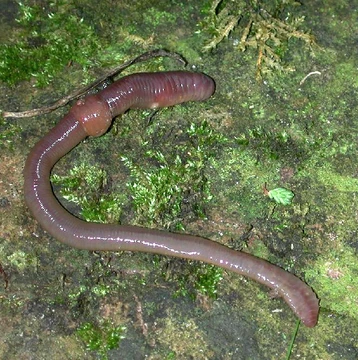
Ottoia
A priapulid worm that dominated Cambrian seafloor ecosystems.

Captmondo · CC BY-SA 3.0
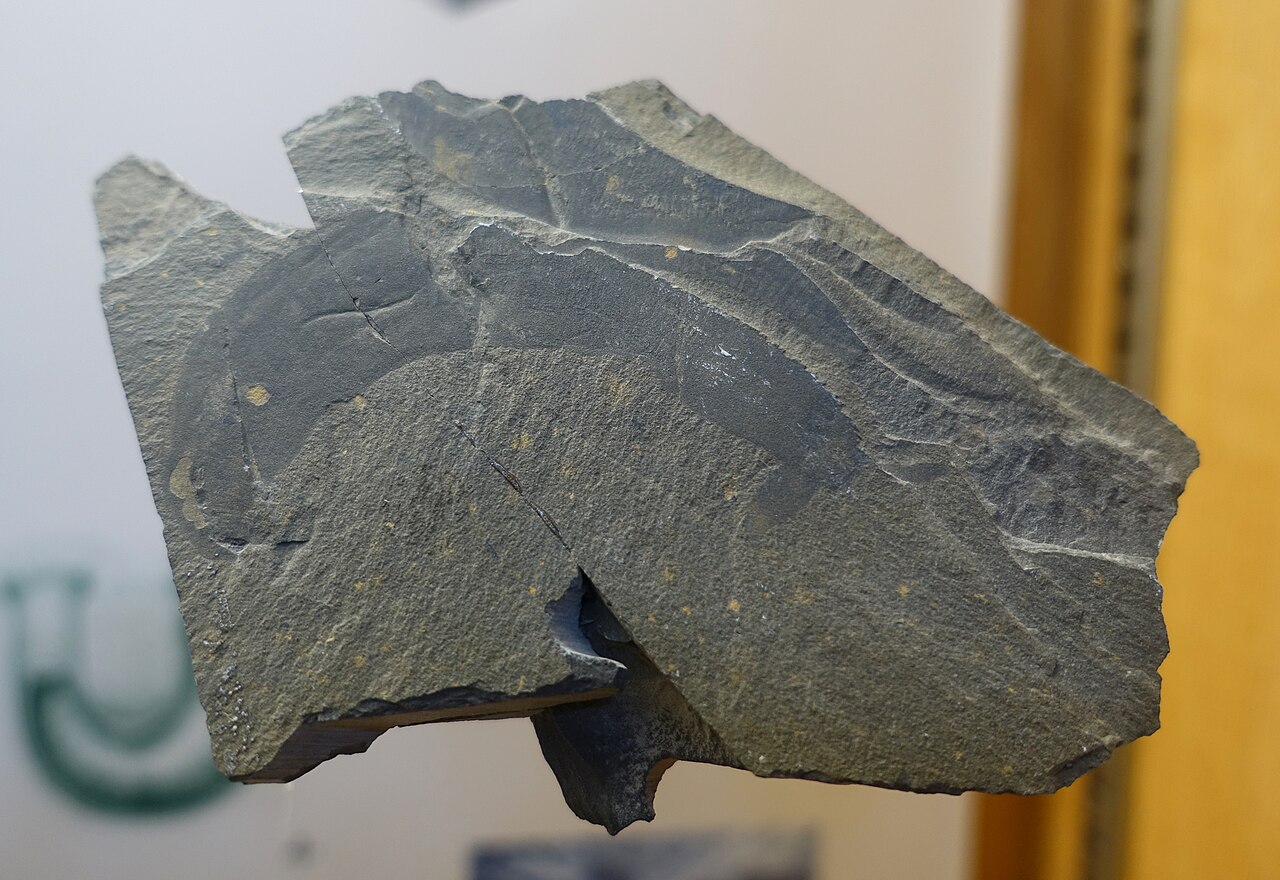
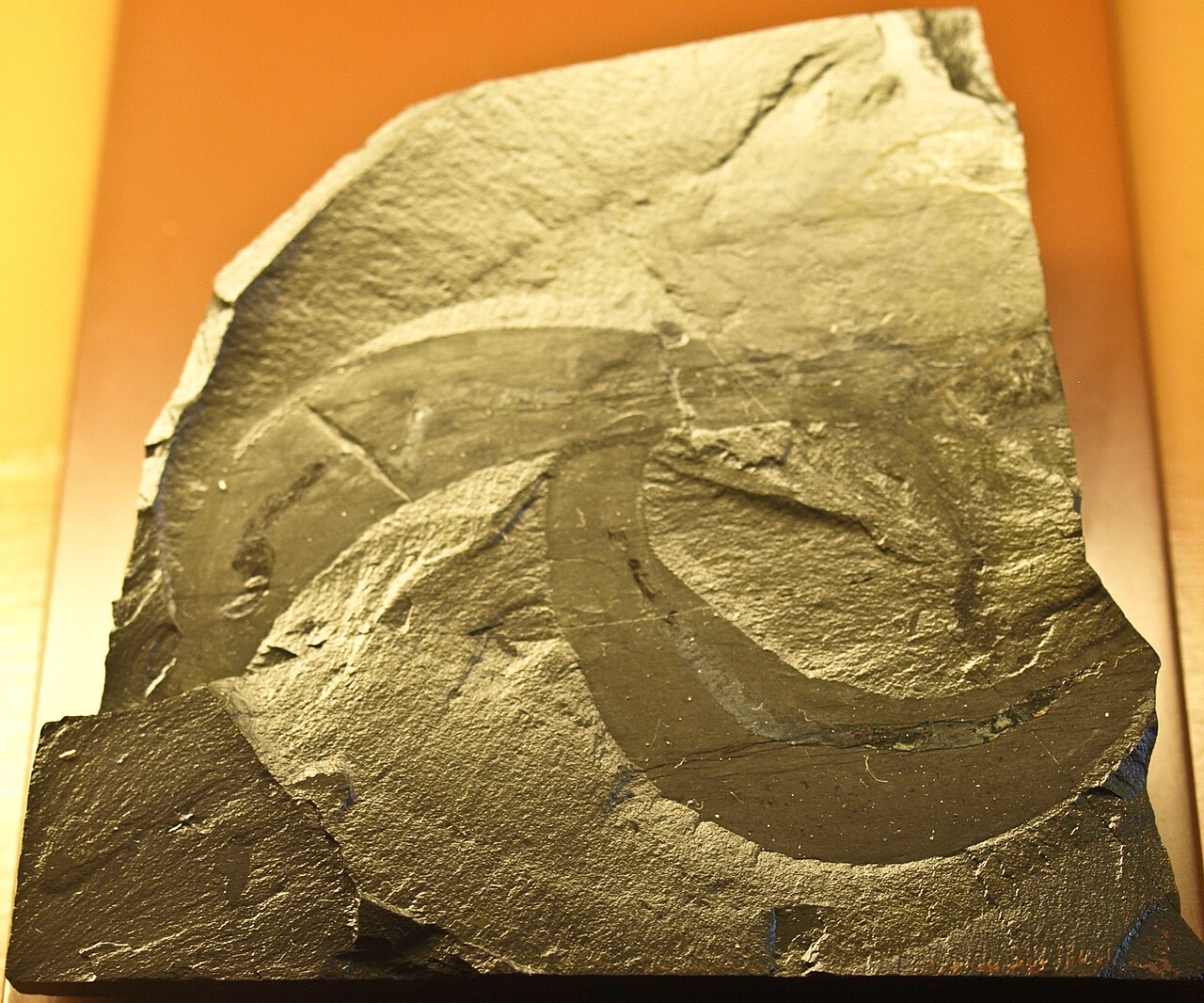
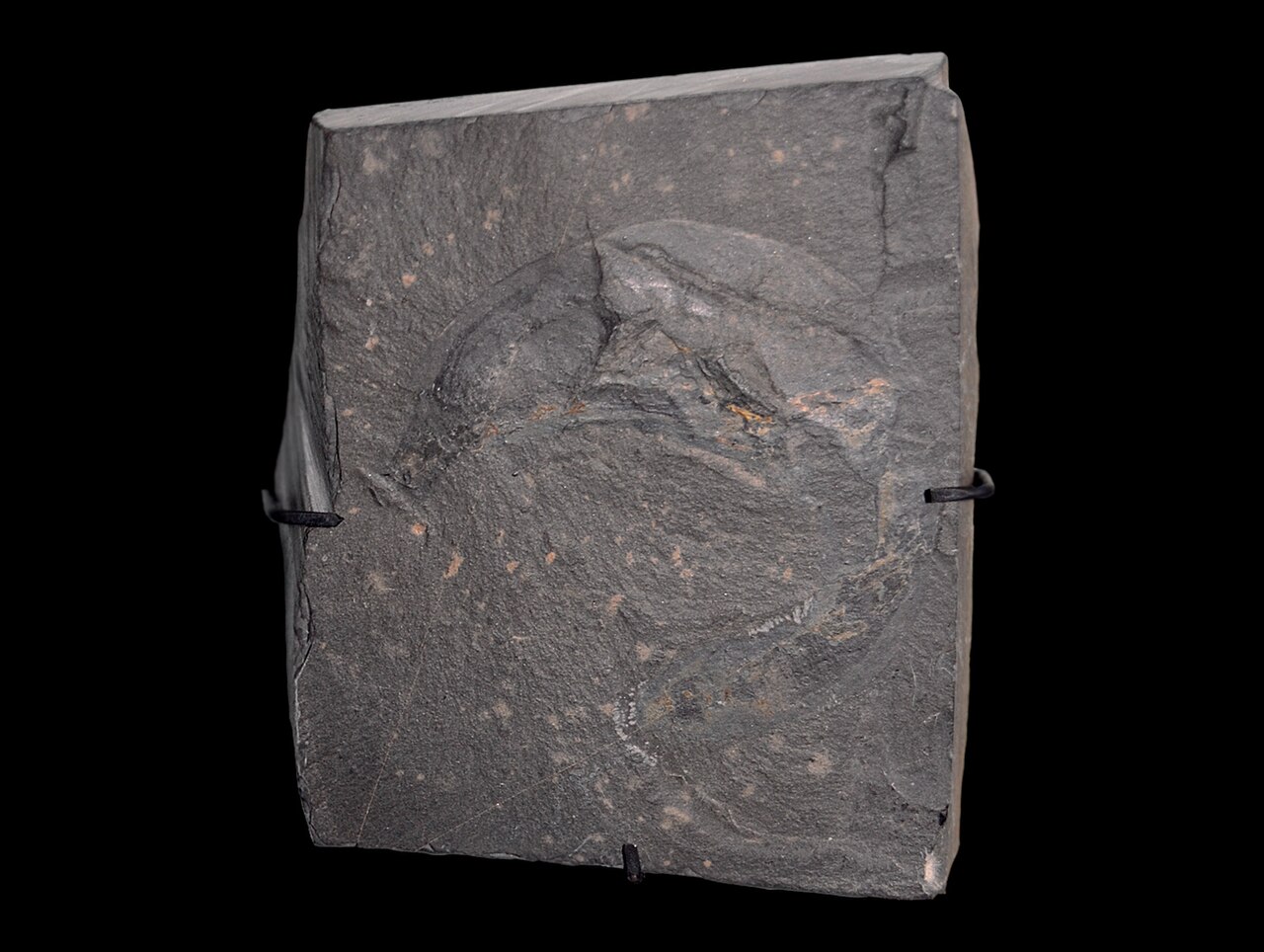
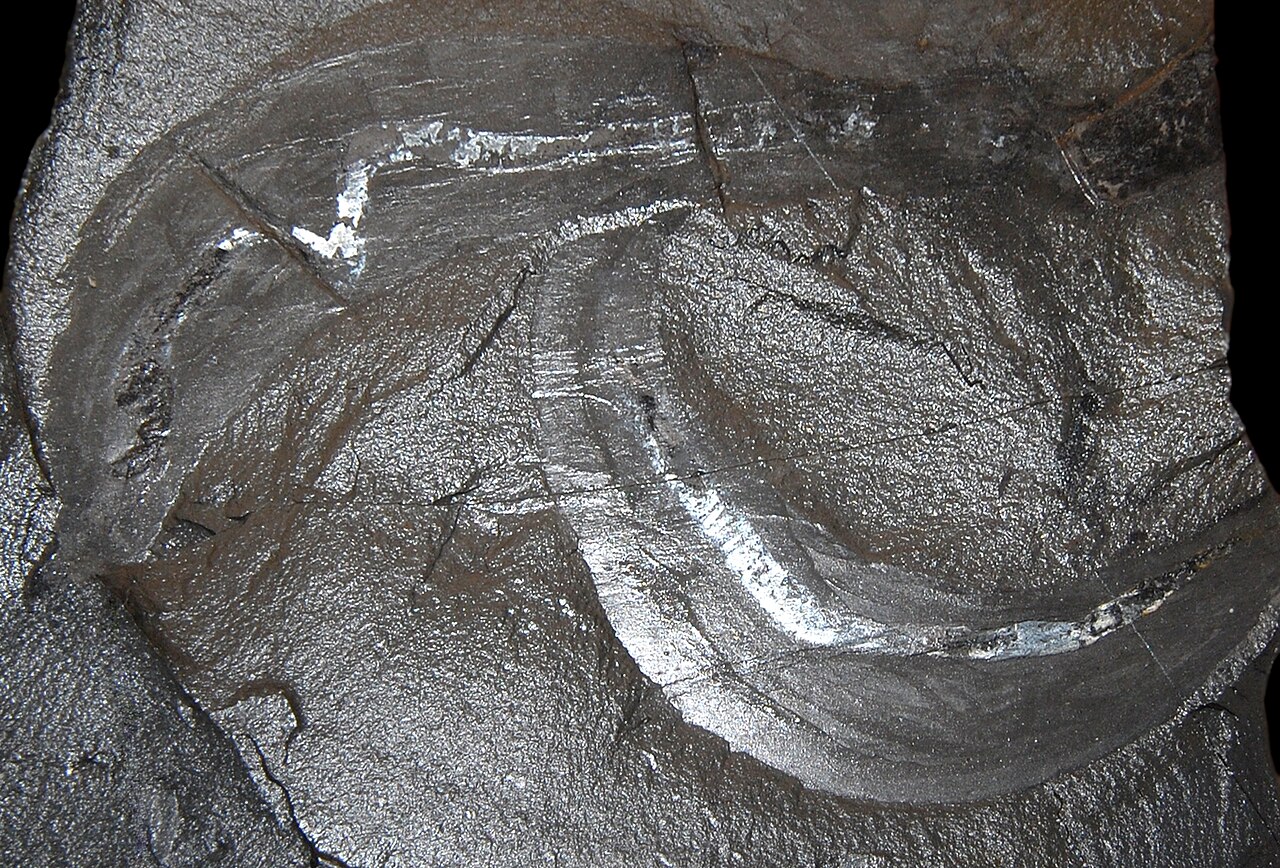
Ottoia is a genus of priapulid worm known from the Middle Cambrian Burgess Shale of British Columbia, Canada. As one of the most abundant priapulids in the deposit, it is a key fossil for understanding the ecology of early Cambrian soft-bodied communities.
Quick Facts
- Taxon
- Ottoia
Facts from the source article.
Lore & Background
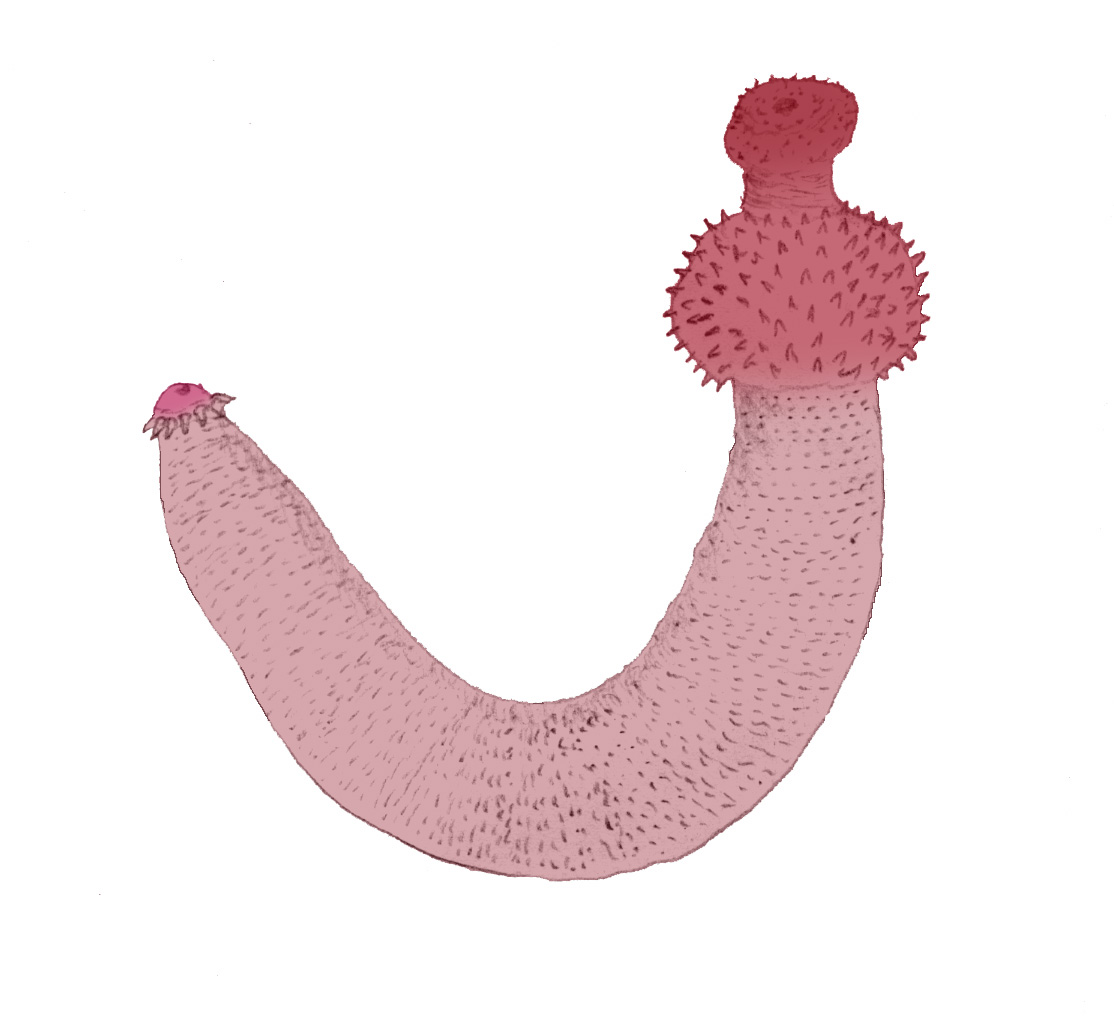
Ottoia was first described by Charles Doolittle Walcott in 1911, based on specimens from the Burgess Shale. Its name honors Ottoia, a genus of plants, though the worm itself is a burrowing predator or scavenger. The species epithet 'prolifica' reflects its extraordinary abundance in the fossil beds. Ottoia had a cylindrical, annulated body with a retractable proboscis armed with rows of spines and a pharynx lined with teeth, used to capture prey such as hyoliths and other small invertebrates.
Reader's Guide
Ottoia is significant as a stem-group archaeopriapulid worm that provides insight into the ecology of Cambrian soft-bodied organisms. Its preservation in the Burgess Shale, deposited 508 million years ago, offers a rare window into early animal life. Ottoia was a burrower that hunted prey with its eversible proboscis and also scavenged on dead organisms such as the arthropod Sidneyia. Gut contents show it was a predator, often feeding on the hyolithid Haplophrentis, generally swallowed head-first, and also show evidence of cannibalism, which is common in priapulids today. Its mode of life is thought to have been an active burrower, moving through sediment after prey, and it is believed to have lived within a U-shaped burrow. The relative immobility of Ottoia placed it in danger of being carried away or buried by underwater mud avalanches from the cliff top, which may explain why it remains one of the more abundant specimens of the Burgess Shale fauna. At least 1000 Burgess Shale specimens are known in the UNSM collections alone, and 677 specimens are known from the Greater Phyllopod bed, comprising 1.29% of the community. Microfossils corresponding to Ottoia teeth have a much broader distribution throughout the Western Canada Sedimentary Basin, and putative candidates may extend the range into the Ordovician.
Did You Know?
- At least 1,000 Burgess Shale specimens of Ottoia are known in the UNSM collections alone, though the widely cited figure of over 1,000 specimens refers to the Royal Ontario Museum (ROM) collections.
- Ottoia is one of the most common priapulid worms in the Burgess Shale, with thousands of specimens collected across multiple quarries.
- Some Ottoia fossils contain the remains of other priapulids, suggesting cannibalism was a regular part of its life history.
- The species name 'prolifica' was chosen by Walcott because of the worm's remarkable abundance in the original Walcott Quarry.
Anatomy of a Cambrian Worm
Ottoia averaged roughly eight centimeters in length, though individual specimens varied considerably in both dimensions depending on their state of contraction at the moment of death. Shorter, more compressed specimens tended to appear wider than their elongated counterparts. The body was bilaterally symmetrical overall, yet the anterior region displayed an external radial symmetry that set it apart from the rest of the form. A protective cuticle encased the animal, capping its maximum size while shielding its soft tissues. The trunk, divided into seventy to a hundred annulations of uneven spacing, housed the internal organs within a spacious body cavity. A gut stretched from the mouth in the proboscis to the anus in the posterior bursa, with a concentration of muscular tissue acting as a gizzard. A single nerve chord ran the full length of the body, and muscles enabled the retraction of both the proboscis and bursa. The posterior bore a series of hooks that likely functioned as anchors during burrowing. No dedicated respiratory organ has been identified, though the bursa may have doubled in that role. Urogenital structures may also have been present within the trunk.
Predator of the Seafloor Sediment
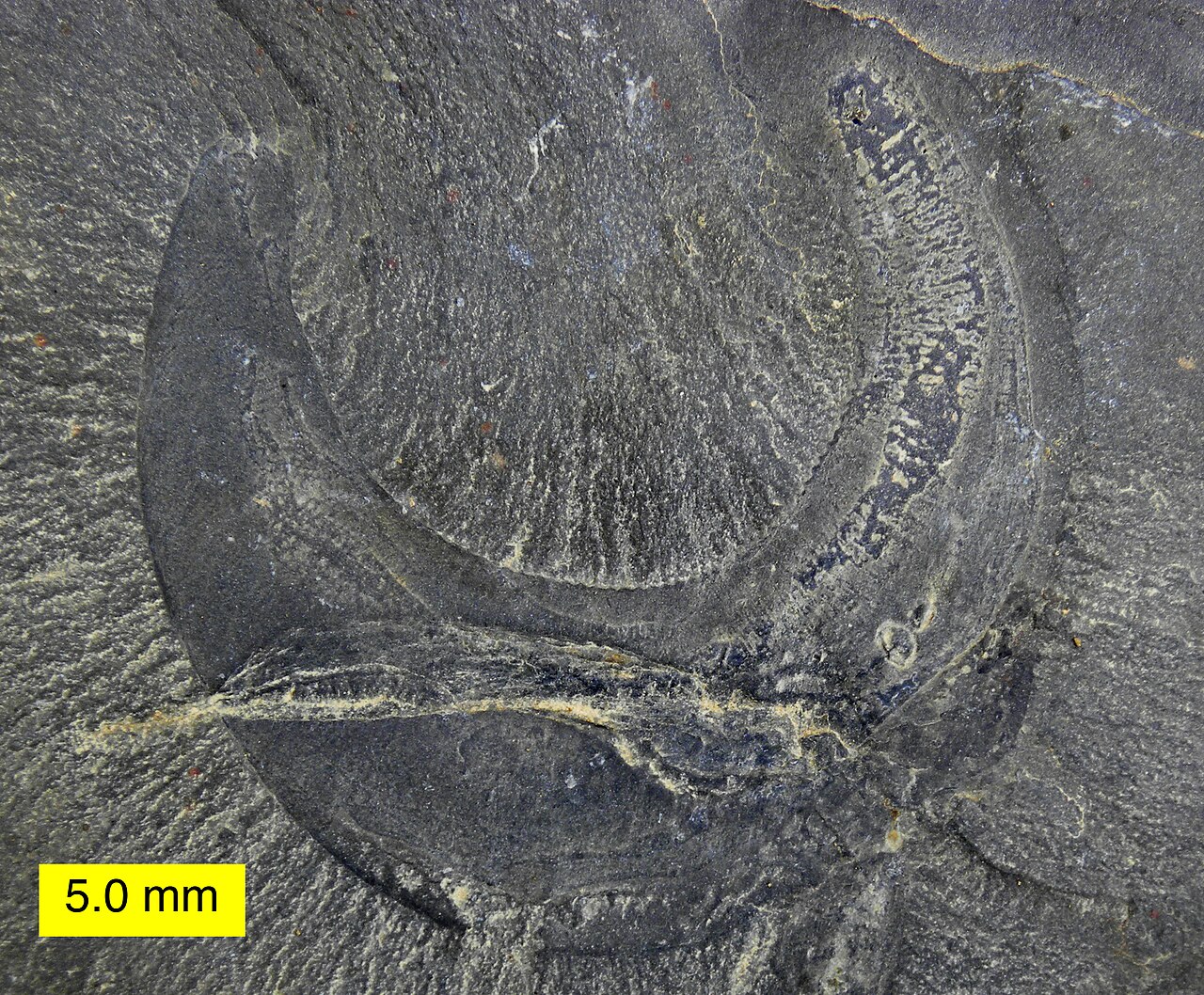
Ottoia was an active burrower that constructed a U-shaped tunnel in the seafloor substrate and used it as a base from which to launch attacks on prey. From within this relatively safe chamber, it could evert its armed proboscis outward to seize passing animals. The spines and teeth lining the proboscis were clearly adapted for capturing and holding prey. Gut contents recovered from fossils reveal a diet dominated by the shelled hyolithid Haplophrentis, an animal somewhat analogous to modern mollusks, which Ottoia typically swallowed head-first. The worm was not exclusively a hunter, however; evidence also points to scavenging behavior, with Ottoia feeding on the remains of dead arthropods such as Sidneyia. Perhaps most strikingly, fossil evidence documents instances of cannibalism, a behavior that persists among modern priapulid worms. The posterior hooks likely helped anchor the animal firmly in sediment while it struggled with prey, and the muscular system provided the force needed to retract the proboscis and bursa rapidly.
Fossil Record and Preservation
The definitive macrofossils of Ottoia come exclusively from the Burgess Shale of British Columbia, a deposit laid down approximately 508 million years ago. The site sits at the base of a high limestone reef, and the relatively immobile, bottom-dwelling worms were particularly vulnerable to underwater mud avalanches cascading from the cliff face above. This combination of habitat and geological setting likely explains why Ottoia is among the most abundant organisms in the Burgess Shale fauna. The UNSM collections alone hold at least one thousand specimens, with additional hundreds at the Royal Ontario Museum and other institutions. In the Greater Phyllopod bed specifically, 677 individuals have been identified, representing roughly 1.29 percent of the total community. Microfossils corresponding to Ottoia teeth extend the record across the Western Canada Sedimentary Basin through the mid- to late Cambrian. A single poorly preserved specimen from the Lower Ordovician Madaoyu Formation in Hunan, China, may represent the oldest non-Cambrian occurrence, while putative candidates initially described as Goniomorpha could push the range of similar priapulans into the Ordovician.
Taxonomic Identity and the Question of Species
Ottoia occupies a position within the stem group of archaeopriapulid worms, placing it as an early relative of the modern priapulid lineage. Only two species have been formally described: O. tricuspida and O. prolifica, and they are distinguished primarily by the detailed morphology of the teeth and hooks adorning their everted proboscis. At the base of the pharynx, a ring of spines sits separated from the main tooth armature by an unarmed zone, while further forward on the trunk, a series of hooks and spines is arranged in a quincunx pattern reminiscent of the five dots on a die. Despite these diagnostic features, the taxonomic picture remains complicated. Priapulid-like worms recovered from various Cambrian deposits around the world are frequently assigned to Ottoia on what paleontologists consider spurious grounds. Reports from Middle Cambrian strata in Utah, Spain, and Nevada, among other localities, are regarded as insecure. The only verifiable Ottoia macrofossils remain those from the Burgess Shale, making the genus a striking example of how a single exceptional preservation site can anchor an entire taxonomic framework.
Gallery
More in Worms And Worm-Like Invertebrates 1-23
Spotted an error? Know more?
Reader corrections go straight into our review queue. Suggest an edit · How this site is sourced