Nematomorpha
Parasitoid worms that drive hosts to water.

Esv - Eduard Solà Vázquez · CC BY 3.0
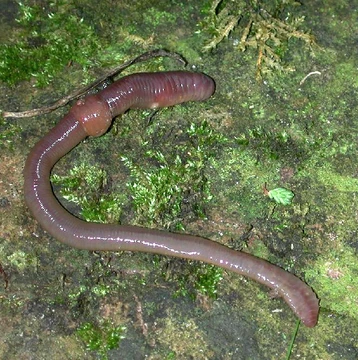
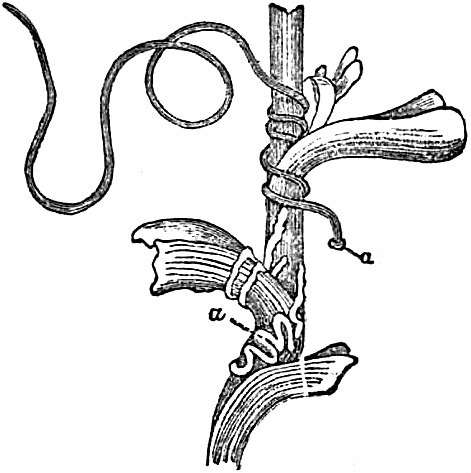
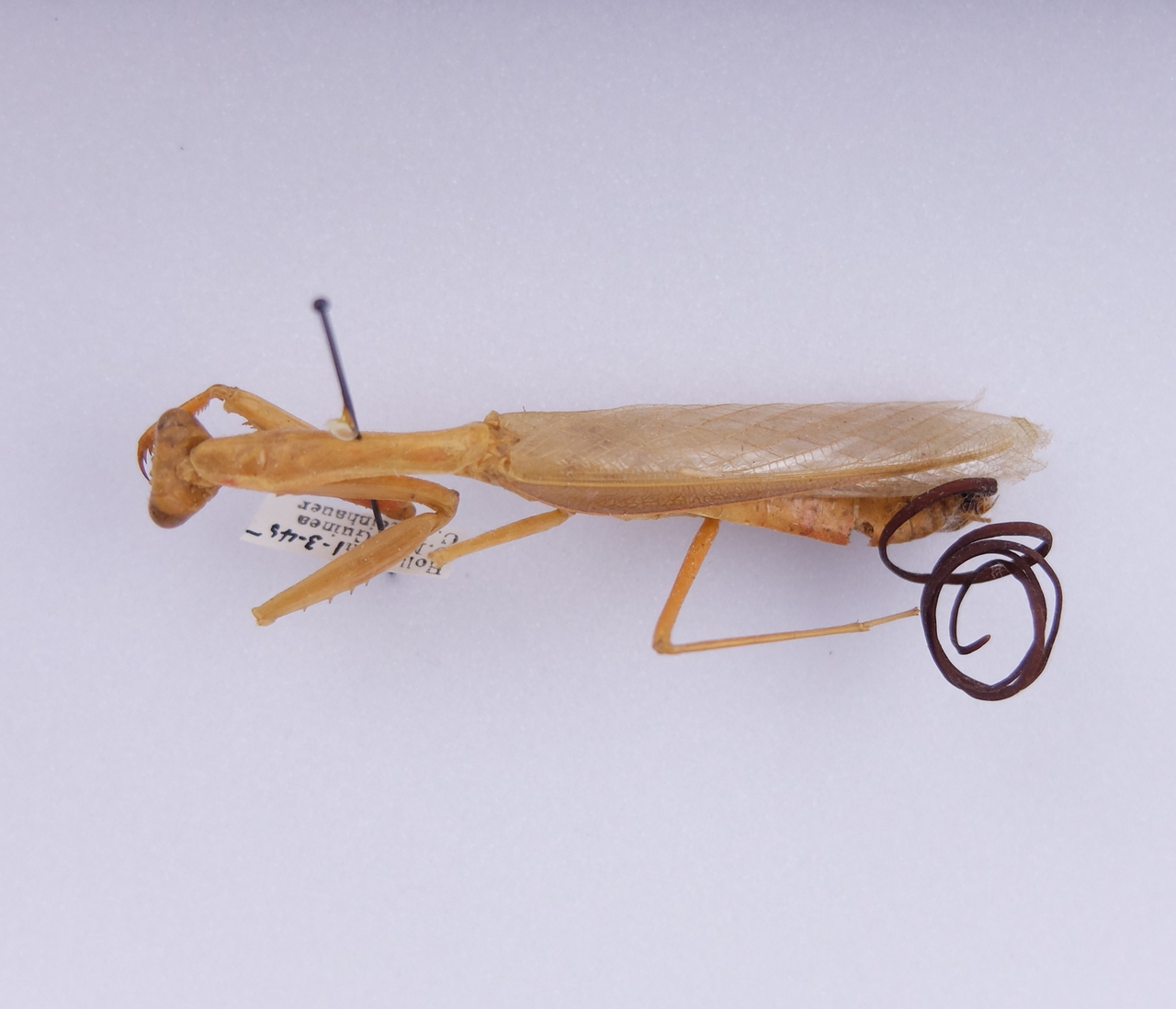
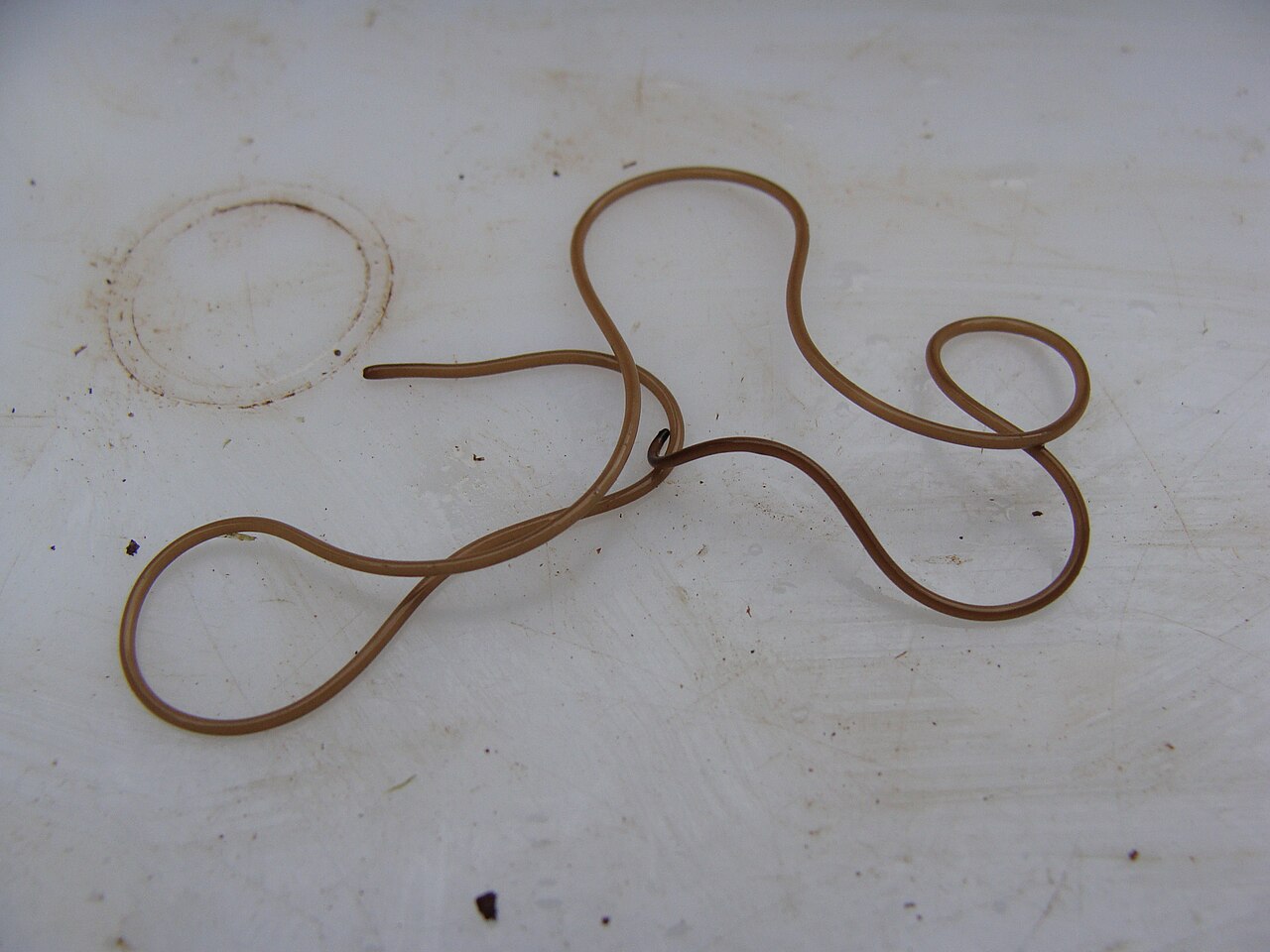
Nematomorpha, also known as horsehair worms, hairsnakes, or Gordian worms, are a phylum of parasitoid animals that resemble nematode worms in morphology. Most species range from 5 to 10 centimeters in length, though some can reach up to 2 meters. They are found in damp environments such as watering troughs, swimming pools, streams, puddles, and cisterns. Adult worms are free-living, but their larvae are parasitic on arthropods like beetles, cockroaches, mantises, orthopterans, and crustaceans. The name 'Gordian' refers to the legendary Gordian knot, as these worms often coil into tight balls resembling knots.
Quick Facts
- Taxon
- Nematomorpha
Facts from the source article.
Lore & Background
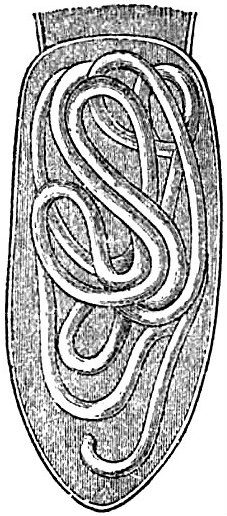
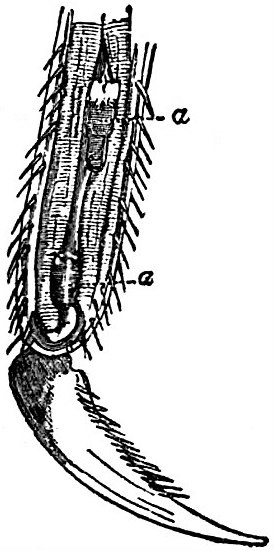
Nematomorphs have an external cuticle without cilia, internal longitudinal muscle only, and a non-functional gut with no excretory, respiratory, or circulatory systems. Their nervous system consists of a nerve ring near the anterior end and a ventral nerve cord. They have two distinct sexes, with internal fertilization and eggs laid in gelatinous strings. Larvae possess rings of cuticular hooks and terminal stylets used to enter hosts, where they live in the haemocoel and absorb nutrients through their skin. Development takes weeks or months, with several molts. Adults are mostly free-living in freshwater or marine environments and form tight balls during mating.
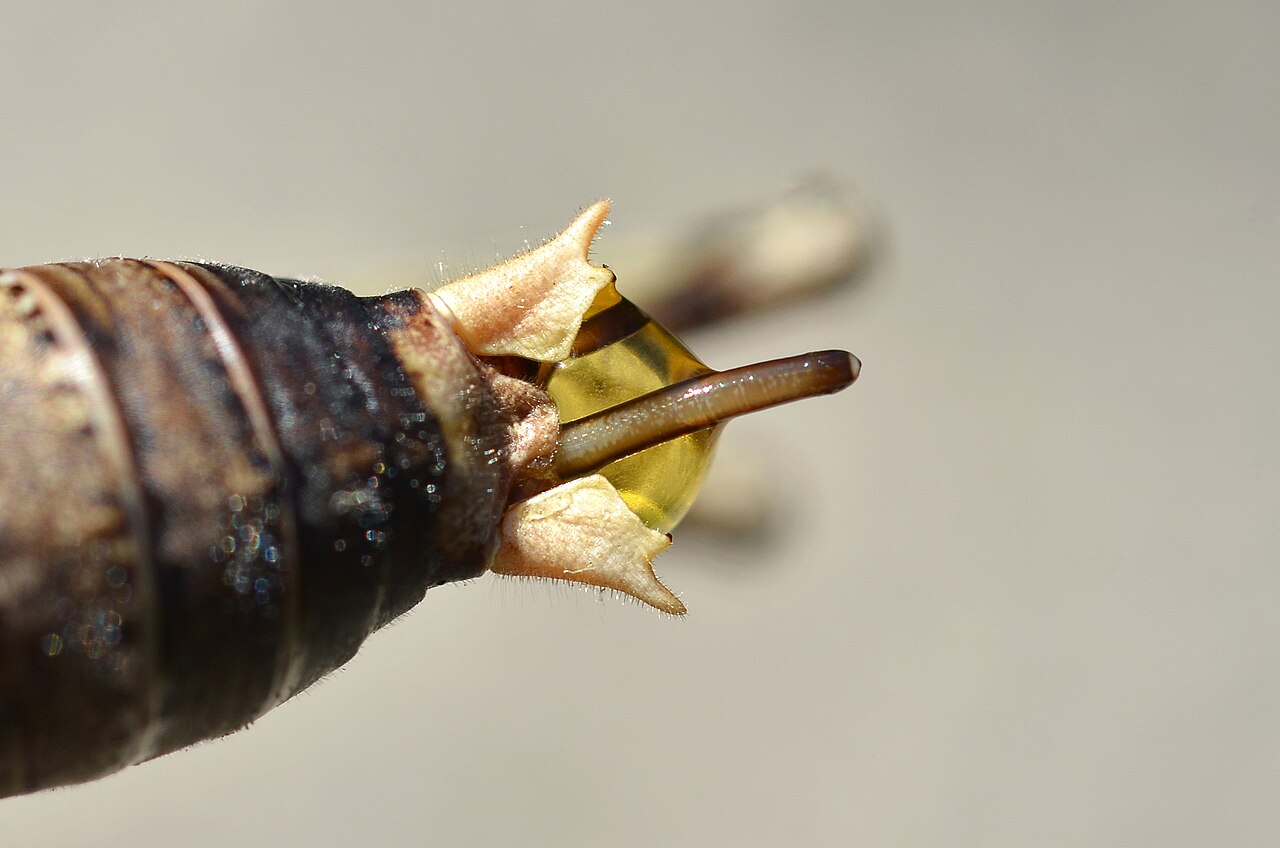
In species such as Spinochordodes tellinii and Paragordius tricuspidatus, infection acts on the host's brain, causing the insect to seek water and drown, returning the worm to water. Paragordius tricuspidatus can survive predation of its host by wiggling out of the predator. Chordodes sp. affects the light-interpreting organs of mantises, attracting them to horizontally polarized light, leading the host into water. Many genes used for host manipulation are acquired through horizontal gene transfer from the host genome. Accidental parasitism in vertebrates, including dogs, cats, and humans, has been recorded, with cases in Japan involving Parachordodes, Paragordius, or Gordius.
Reader's Guide
Nematomorpha are significant in community ecology due to their manipulation of orthopteran hosts. A study in a Japanese riparian ecosystem found that infected orthopterans were 20 times more likely to enter water, constituting up to 60% of the annual energy intake for Kirikuchi char. The absence of nematomorphs can lead to char preying more heavily on other aquatic invertebrates, causing broader physiological effects. Their life cycle includes four stages: egg, pre-parasitic larva, parasitic larva, and free-living adult. They often use intermediate hosts like aquatic insect larvae, encysting until ingested by a primary host. The phylum is placed within Ecdysozoa, with nematodes as closest relatives. The earliest known nematomorph, Maotianshania, dates from the Lower Cambrian, but modern forms appear in mid Cretaceous Burmese amber. Two classes are recognized: Nectonematoida (marine species) and Gordioida (freshwater species). Their ability to alter host behavior and influence ecosystem dynamics makes them a key subject in parasitology and ecology.
Did You Know?
- Horsehair worms can reach up to 2 meters in length in extreme cases.
- The name 'Gordian' comes from the legendary Gordian knot, as the worms often coil into tight balls resembling knots.
- Infected grasshoppers and crickets are driven to seek water and drown, returning the worm to its aquatic environment.
- Some nematomorphs can survive being eaten by a predator of their host, wiggling out of the predator.
A Long Road to a Name
The horsehair worms, now formally recognized as Nematomorpha, endured a remarkably tangled taxonomic history before earning their own identity. For decades they were lumped together with roundworms under the broad heading Nematoidea, a grouping that Karl Theodor Ernst von Siebold attributed in 1843 to include both Nematodes and what we now recognize as Nematomorpha. Ray Lankester elevated this combined taxon to phylum rank in 1877, still treating the family Gordiidae—the horsehair worms—within the same framework. It was not until 1886 that František Vejdovsky drew the first clear line between the two groups, naming the horsehair-worm assemblage as the order Nematomorpha. Even then the separation was not universally embraced; Grobben's 1910 proposal of the phylum Aschelminthes once again folded Nematomorpha in as a class alongside Nematoda, Rotifera, Gastrotricha, Kinorhyncha, and Priapulida. The modern recognition of Nematomorpha as a distinct phylum in its own right represents the culmination of nearly a century of taxonomic untangling.
The Sister Phylum
In the tree of life, Nematomorpha occupies a position of singular importance as the closest living relative to the phylum Nematoda. Both morphological and molecular phylogenetic analyses converge on this relationship, placing the two together in the clade Nematoida. This sister-taxon status is considered well resolved among evolutionary biologists, making Nematomorpha a critical reference point for understanding the evolutionary trajectory of roundworms and their kin. Together, Nematoida sits within the broader clade Ecdysozoa, the assemblage of moulting animals that also includes arthropods and tardigrades. The precise placement of Nematoida relative to other ecdysozoan groups—such as the Scalidophora or the Panarthropoda—remains an active area of debate, with some molecular analyses pulling Nematoida closer to the arthropod lineage in a proposed clade called Cryptovermes, while other studies support alternative arrangements. Regardless of these unresolved questions, the Nematomorpha–Nematoda pairing stands as one of the most firmly established relationships in animal phylogenetics.
The Genomic Time Capsule
One of the most revealing contributions of Nematomorpha to evolutionary biology lies in their genomic architecture, specifically their Hox gene complement. Nematodes, like their ecdysozoan relatives the tardigrades, carry a reduced set of Hox genes compared to the ancestral protostome condition. At first glance this reduction might appear to be a shared ancestral trait of the Nematoida clade. However, the horsehair worms tell a different story. Nematomorpha have retained the full ancestral protostome Hox genotype, preserving the gene complement that predates the nematode lineage's simplification. This finding is pivotal: it demonstrates that the Hox gene reduction did not occur at the base of Nematoida but rather arose independently within the Nematoda phylum itself. In essence, Nematomorpha serve as a genomic time capsule, preserving the protostome blueprint that their sister group subsequently streamlined, offering a natural experiment for understanding how developmental gene toolkits can be pruned over evolutionary time.
Threads in the Web of Life
Nematomorpha are parasitic organisms, a lifestyle that distinguishes them ecologically from the predominantly free-living majority of their sister phylum Nematoda. While the roundworms encompass a vast array of ecological strategies—from free-living microbe-feeders in soils and waters to parasitic helminths causing soil-transmitted diseases in humans and other animals—the horsehair worms are characterized specifically by their parasitic mode of life. This parasitic niche places them within a broader pattern of ecdysozoan diversity, where different lineages have carved out distinct ecological roles. Their classification within Ecdysozoa, the moulting animals, links them to arthropods and tardigrades in a shared evolutionary heritage of periodic cuticle shedding. Though the historical record focuses primarily on their taxonomic and phylogenetic significance, the consistent description of Nematomorpha as parasitic underscores their role as organisms that depend on other animals for survival, adding a layer of ecological interconnection to an already complex web of animal life.
Gallery
More in Worms And Worm-Like Invertebrates 1-23
Spotted an error? Know more?
Reader corrections go straight into our review queue. Suggest an edit · How this site is sourced