Nereididae
Marine polychaete worms with protein-based jaws and diverse ecology.

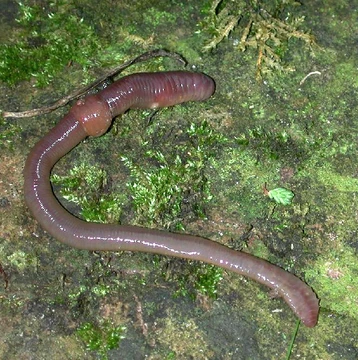
Nereididae are a family of polychaete worms, commonly called ragworms or clamworms, containing about 500 mostly marine species grouped into 42 genera. They are notable for their distinctive anatomy, including a pair of palps differentiated into two units, compound setae, and a pharynx with strong jaws and conical teeth. Their jaw material, composed of a histidine-rich protein with bound zinc ions rather than calcium, is of interest for engineering applications.
Quick Facts
- Taxon
- Nereididae
Facts from the source article.
Lore & Background
Nereididae have a prostomium bearing a pair of palps differentiated into two units, with the proximal unit much larger than the distal unit. Their parapodia are mostly biramous except for the first two pairs, which are uniramous. The peristomium is fused with the first body segment, usually with two pairs of tentacular cirri. Compound setae are present, and notopodia are distinct with flattened lobes. They have two prostomial antennae, absent in the genus Micronereis. The pharynx, when everted, consists of two portions with a pair of strong jaws on the distal portion and conical teeth on one or more areas. Most genera lack gills; if present, gills are branched and arise on mid-anterior segments. The larval body consists of four segments.
Reader's Guide
Nereididae are significant as a monophyletic taxon within polychaetes, closely related to Chrysopetalidae and Hesionidae in the superfamily Nereidoidea. Their jaw material, made of a histidine-rich protein with bound zinc ions, is unusually tough and lightweight, offering potential applications in engineering. Ecologically, they are important food sources for shorebirds and are commonly used as bait in sea-angling, particularly species like Hediste diversicolor. They also appear in human cuisine: in Vietnam, Tylorrhynchus heterochetus is used in the dish chả rươi; in China, they are harvested from rice fields and cooked with eggs. In Thailand, ragworms have been reported in tap water systems during the summer, especially around the Songkran festival. The family is divided into three subfamilies—Namanereidinae, Gymnonereinae, and Nereidinae—though relationships between the 42 genera remain unclear.
Did You Know?
- Nereididae breed only once before dying (semelparity), often morphing into a distinct form (epitoky).
- The larval body of Nereididae consists of four segments.
More in Worms And Worm-Like Invertebrates 1-23
Spotted an error? Know more?
Reader corrections go straight into our review queue. Suggest an edit · How this site is sourced