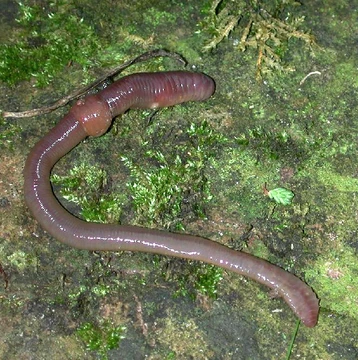
Oligochaeta
Soft-bodied annelids including earthworms and many aquatic worms.

Charles Chilton · Public domain
Oligochaeta is a subclass of soft-bodied animals within the phylum Annelida, comprising around 10,000 known species—about half of all annelids. They include terrestrial megadrile earthworms, freshwater microdrile forms such as tubificids and blackworms, and a few interstitial marine worms. Oligochaetes are distinguished by having few setae (bristles) and lacking parapodia, unlike polychaetes.
Quick Facts
- Taxon
- Oligochaeta
Facts from the source article.
Lore & Background
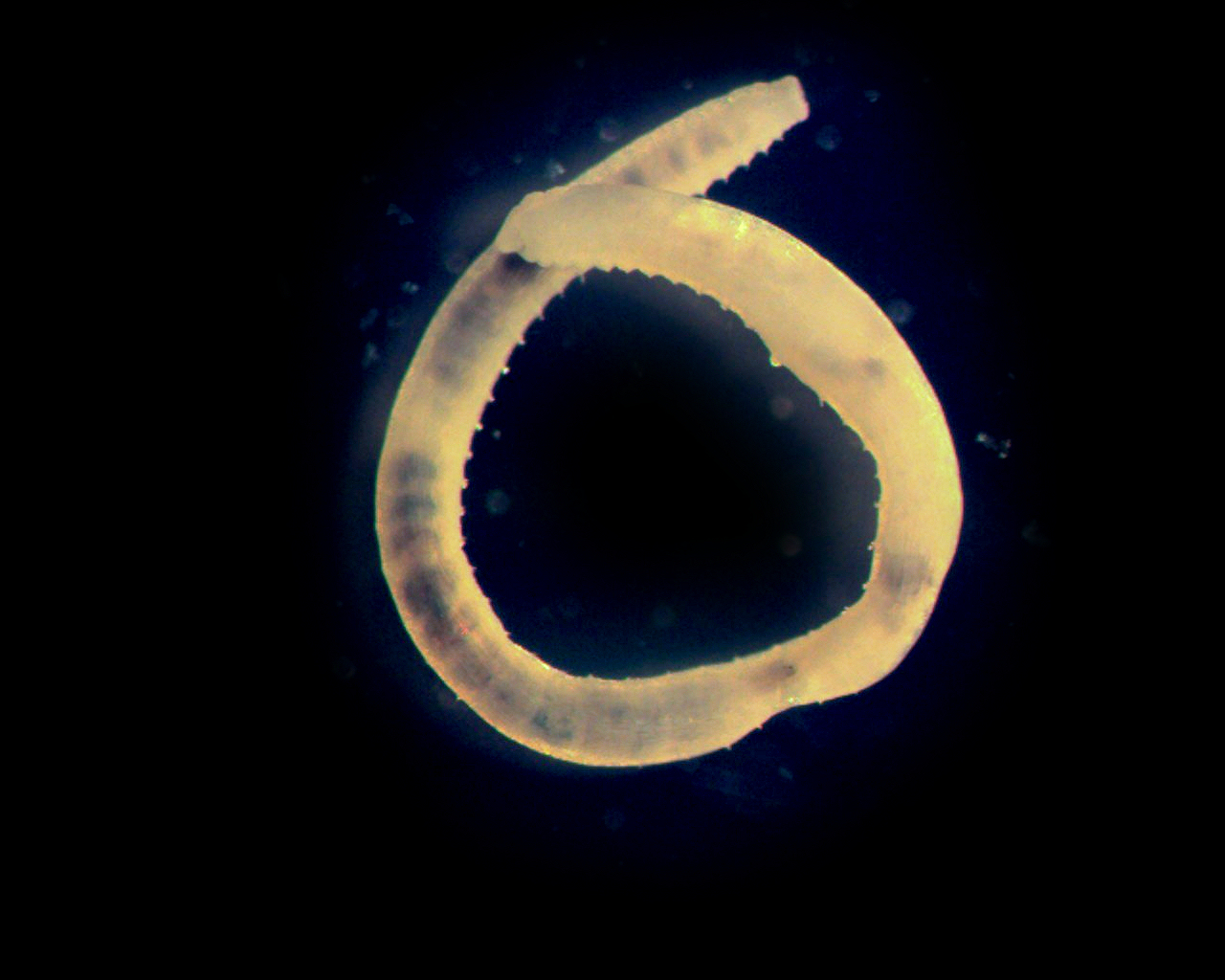
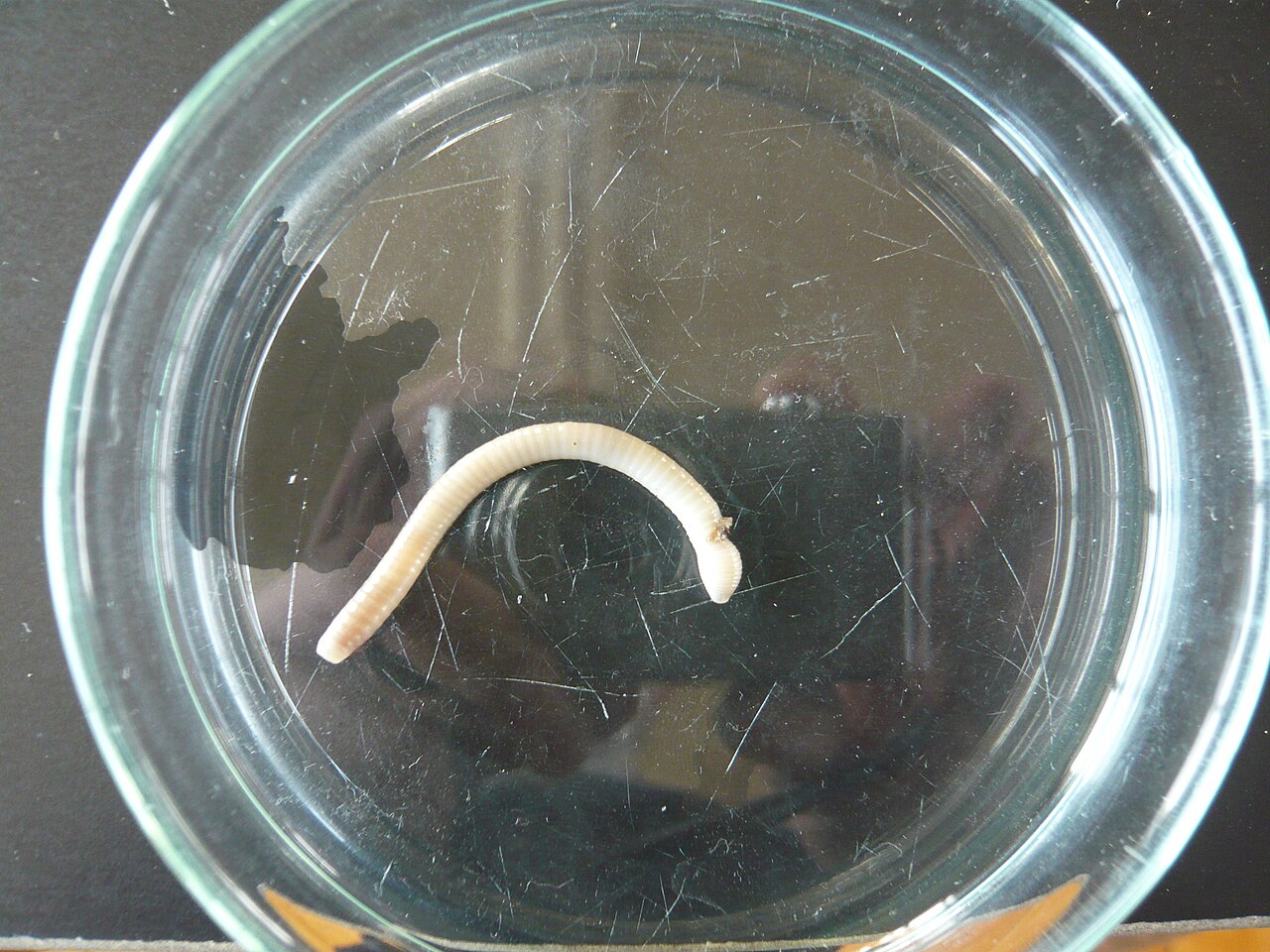
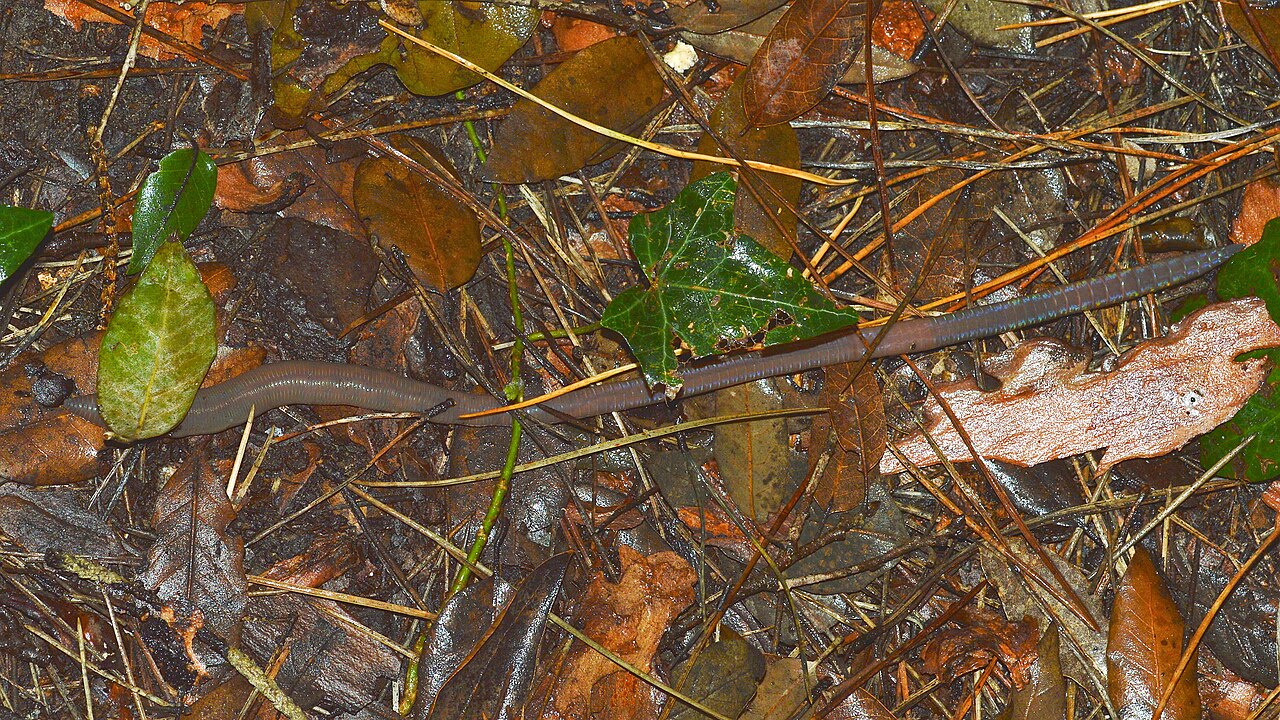
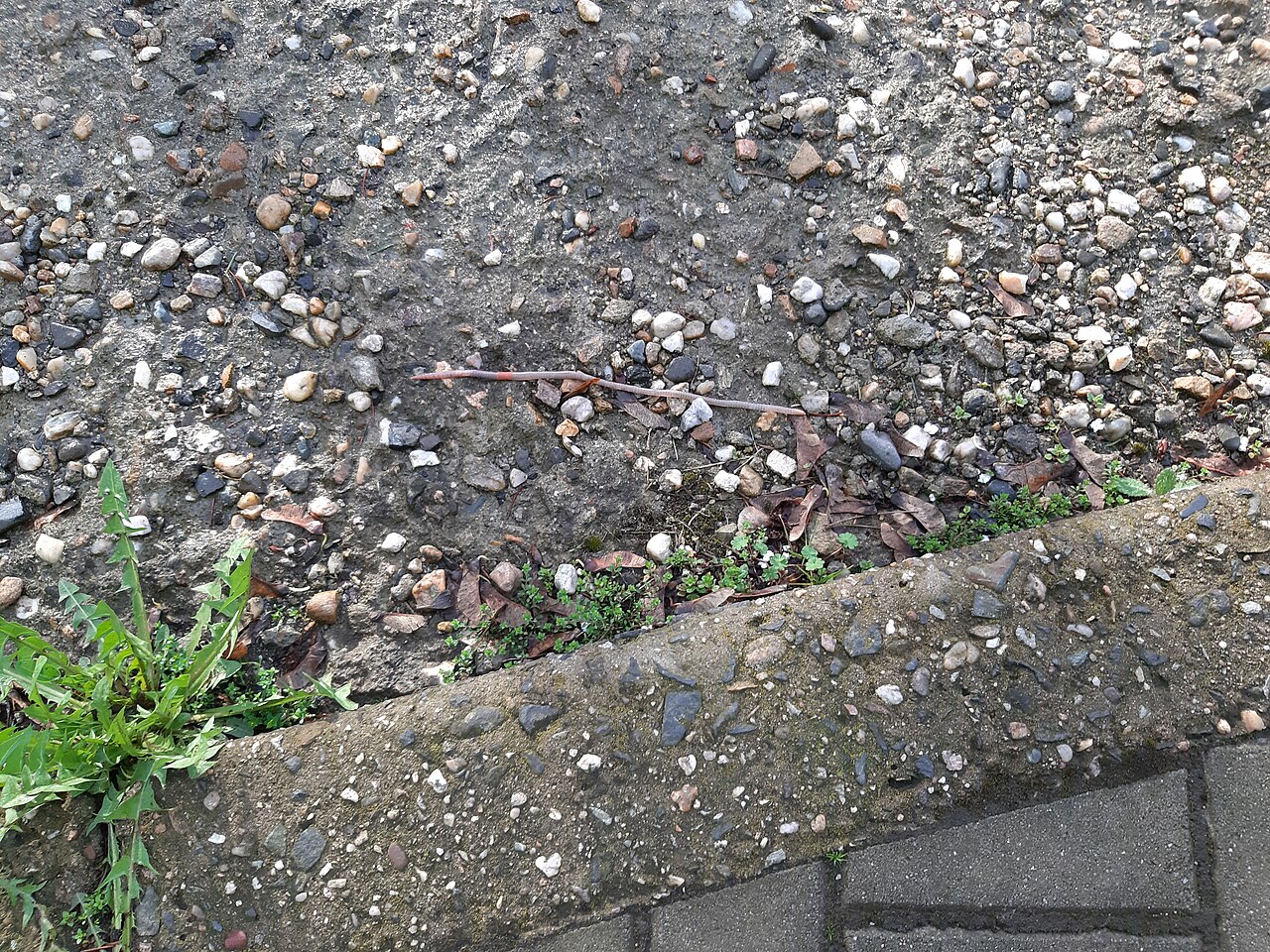
Oligochaetes are well-segmented worms with a spacious coelom used as a hydroskeleton. They range in length from under 0.5 mm to 2–3 meters in giant species like the giant Gippsland earthworm and the Mekong worm. Terrestrial forms, commonly called earthworms, burrow into soil and are found worldwide except in deserts, requiring moist surroundings. Aquatic oligochaetes are mostly small and slender, living in sediment or vegetation in shallow freshwater; about 200 species are marine, largely in tidal zones.
Reader's Guide
Oligochaetes are ecologically significant as detritivores that process soil and sediment, though some genera are predaceous. Their burrowing aerates soil and mixes organic matter, while aquatic forms contribute to nutrient cycling in freshwater and marine environments. The subclass includes both sexual reproduction (hermaphroditic, with cocoons) and asexual methods such as paratomy and fragmentation. Their soft bodies rarely fossilize, but trace fossils exist. With about 10,000 species, they represent half of all annelid diversity and occupy terrestrial, freshwater, and marine habitats on every continent.
Did You Know?
- Oligochaetes range in length from less than 0.5 mm to 2–3 meters in giant species.
- Most oligochaetes breathe through their moist skin; only a few have simple filamentous gills.
- Aquatic oligochaetes typically secrete ammonia, while terrestrial forms secrete urea.
- Some oligochaetes reproduce asexually by paratomy, where the body breaks into two pieces after pregeneration of anterior structures.
Taxonomic Scope and Remarkable Size Spectrum
Oligochaeta stands as one of the most species-rich groupings within the annelid phylum, with roughly ten thousand described species accounting for approximately half of all known annelids. These soft-bodied, well-segmented worms possess a spacious internal body cavity that functions as a hydraulic skeleton, giving them structural support without rigid external structures. Their size range is staggering: the tiniest individuals measure under half a millimetre, while the giants among them—such as the Gippsland earthworm and the Mekong worm—stretch to two or three metres in length. On land, four families dominate in species richness: Glossoscolecidae, Lumbricidae, Megascolecidae, and Moniligastridae. In water, the picture shifts toward small, slender, often translucent forms whose internal organs are visible through their thin body walls. Around two hundred species have colonized marine environments, concentrated in the Enchytraeidae and Naididae families, with a handful venturing into abyssal depths. A few terrestrial species have even taken up residence in tree canopies, damp moss patches, and the leaf rosettes of bromeliads.
Internal Architecture and Metabolic Design
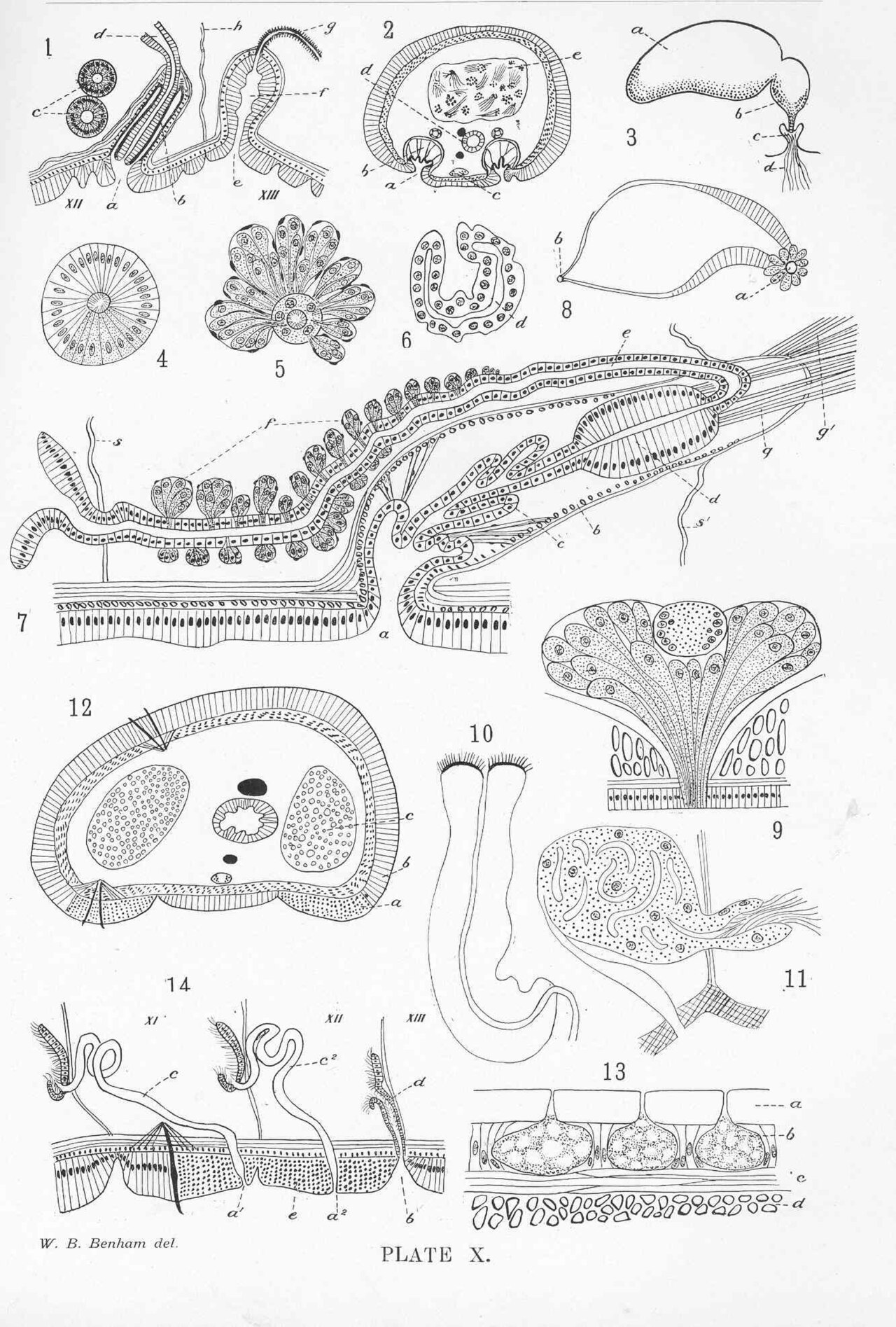
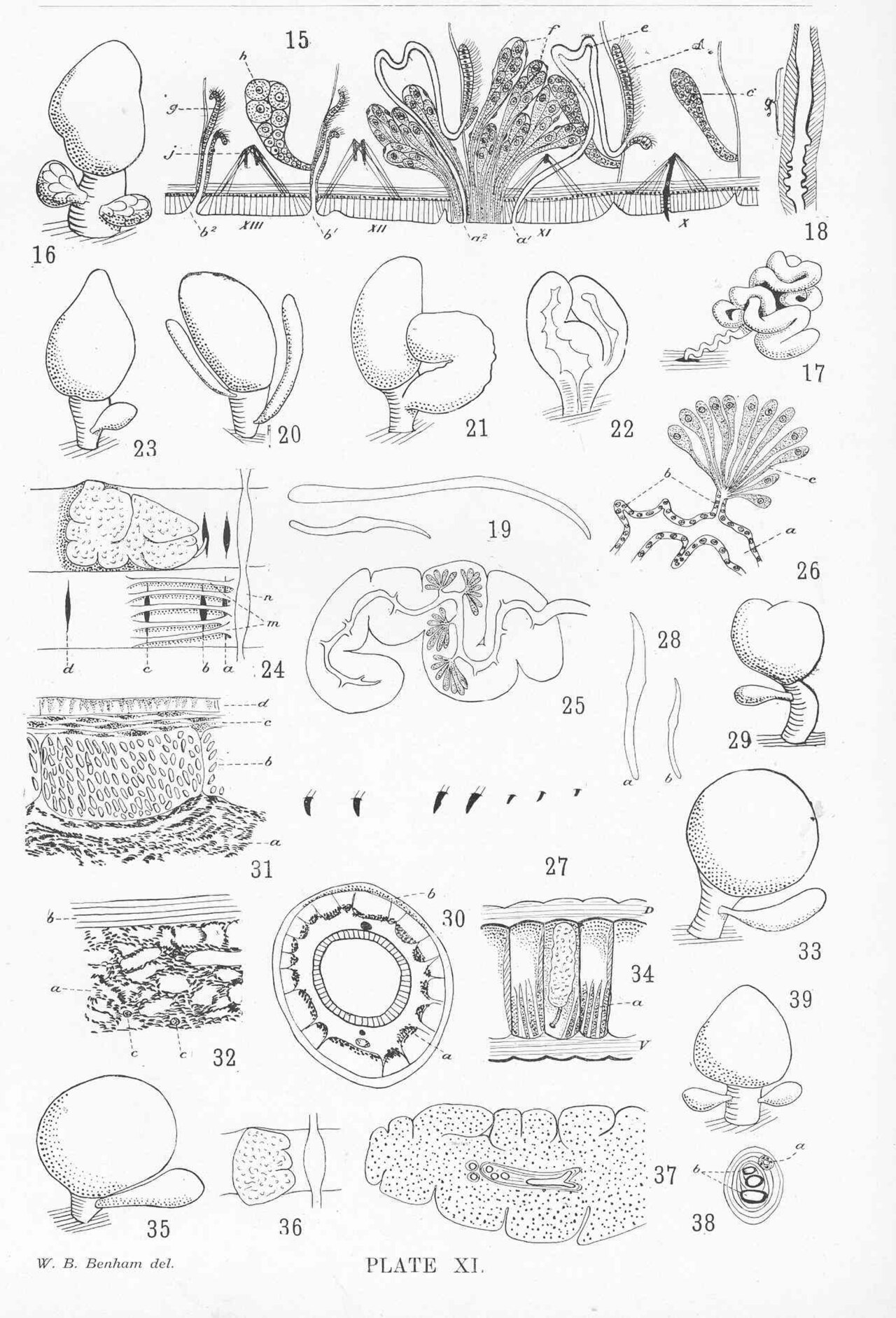
Inside the body of an oligochaete, a remarkable suite of specialized tissues handles digestion, respiration, and circulation. The digestive tract runs the full length of the animal, beginning with a powerful muscular pharynx that can, in many aquatic species, evert itself like a suction cup to capture food. Downstream, a crop may store material while a gizzard grinds it, though neither structure is universal. Calciferous glands embedded in the oesophagus excrete excess calcium carbonate, maintaining mineral balance. Surrounding the intestine and dorsal blood vessel, yellowish chloragogen cells perform liver-like metabolic functions, and some of these cells drift freely in the body cavity as eleocytes. Respiration is almost entirely cutaneous—gas exchange occurs across the moist skin—though a few species possess simple filamentous gills. Waste is expelled through metanephridial ducts; terrestrial forms excrete urea while aquatic ones release ammonia. The circulatory system relies on a dorsal vessel carrying blood forward and a ventral vessel returning it, with one to five pairs of muscular vessels acting as hearts. Haemoglobin is present in all but the smallest species.
Peristaltic Locomotion and the Bristle Grip
Movement in oligochaetes is an elegant mechanical dance powered by peristalsis—the coordinated alternation of circular and longitudinal muscle contractions along the segmented body. To advance, the front portion of the worm elongates as circular muscles tighten, while the section immediately behind shortens and thickens under longitudinal muscle contraction. Anchoring this motion are the chaetae: small bristles arranged in four bundles per segment, two ventral and two lateral. Each bundle holds anywhere from one to twenty-five bristles, and dedicated muscles can pull them in and out of the body wall. When extended, these bristles dig into soil or sediment, providing the grip necessary to push forward without slipping. In aquatic species the bristles tend to be longer than in burrowing earthworms, and their shapes vary considerably. The prostomium, the first segment, is typically a smooth, unadorned lobe or cone bearing no sensory organs, though in some forms it elongates into a tentacle-like projection. Larger terrestrial species drive burrows several metres deep, while juveniles and smaller relatives remain confined to the upper few centimetres of substrate.
Global Reach and Ecological Footprint
Oligochaetes have colonized every continent, inhabiting terrestrial, freshwater, and marine environments alike. Of the roughly seventeen hundred known aquatic species, approximately six hundred are marine and about one hundred dwell in groundwater systems. The Naididae family stands out as the most species-rich among aquatic groups. On land, earthworms are absent only from true deserts, thriving wherever moisture is available. The highest population densities occur in humus-rich and acidic soils, where the detritivorous lifestyle—consuming decaying organic matter—keeps nutrient cycling in constant motion. A handful of genera, including Agriodrilus and Phagodrilus, break from this feeding strategy and hunt prey instead. Transitional species occupy the liminal zones between land and water: swamps, muddy banks, and the margins of ponds and streams. In the marine realm, most oligochaetes favour tidal flats and shallow subtidal zones, yet a small number have adapted to the crushing pressures of the abyssal seafloor. Their presence in such varied settings underscores a remarkable evolutionary versatility within a single subclass.
Gallery
More in Worms And Worm-Like Invertebrates 1-23
Spotted an error? Know more?
Reader corrections go straight into our review queue. Suggest an edit · How this site is sourced