
Unit 731
Imperial Japanese biological warfare unit that conducted mass human experimentation.

Gary Lee Todd, Ph.D. · CC0
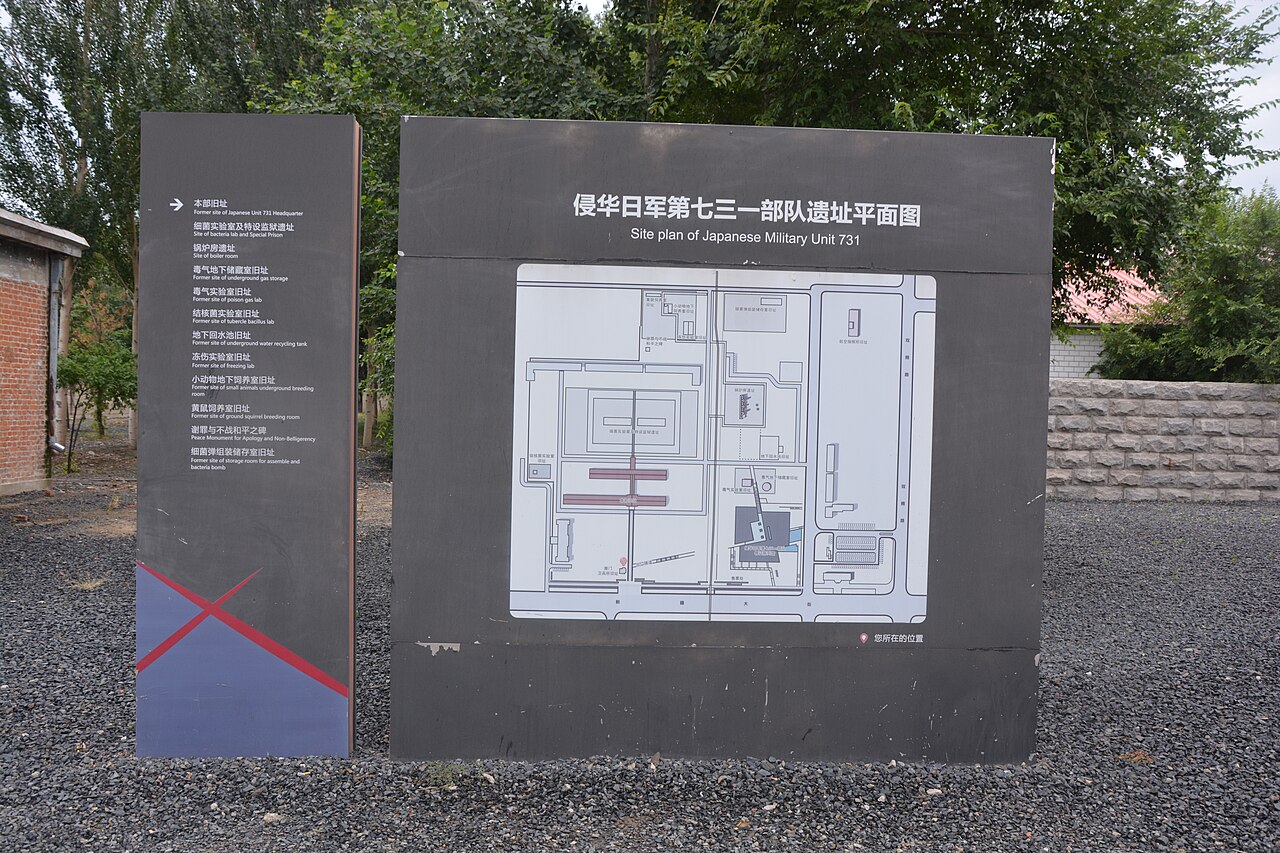
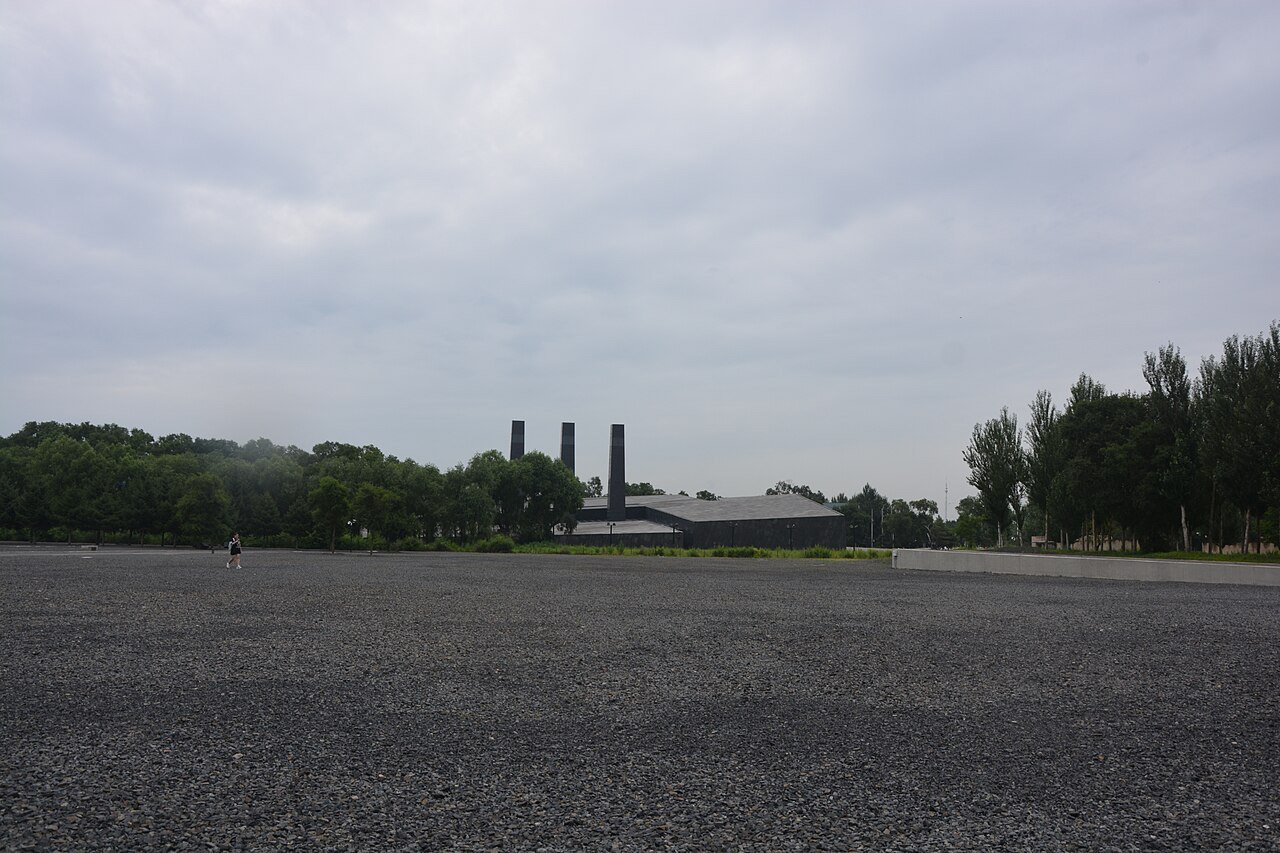
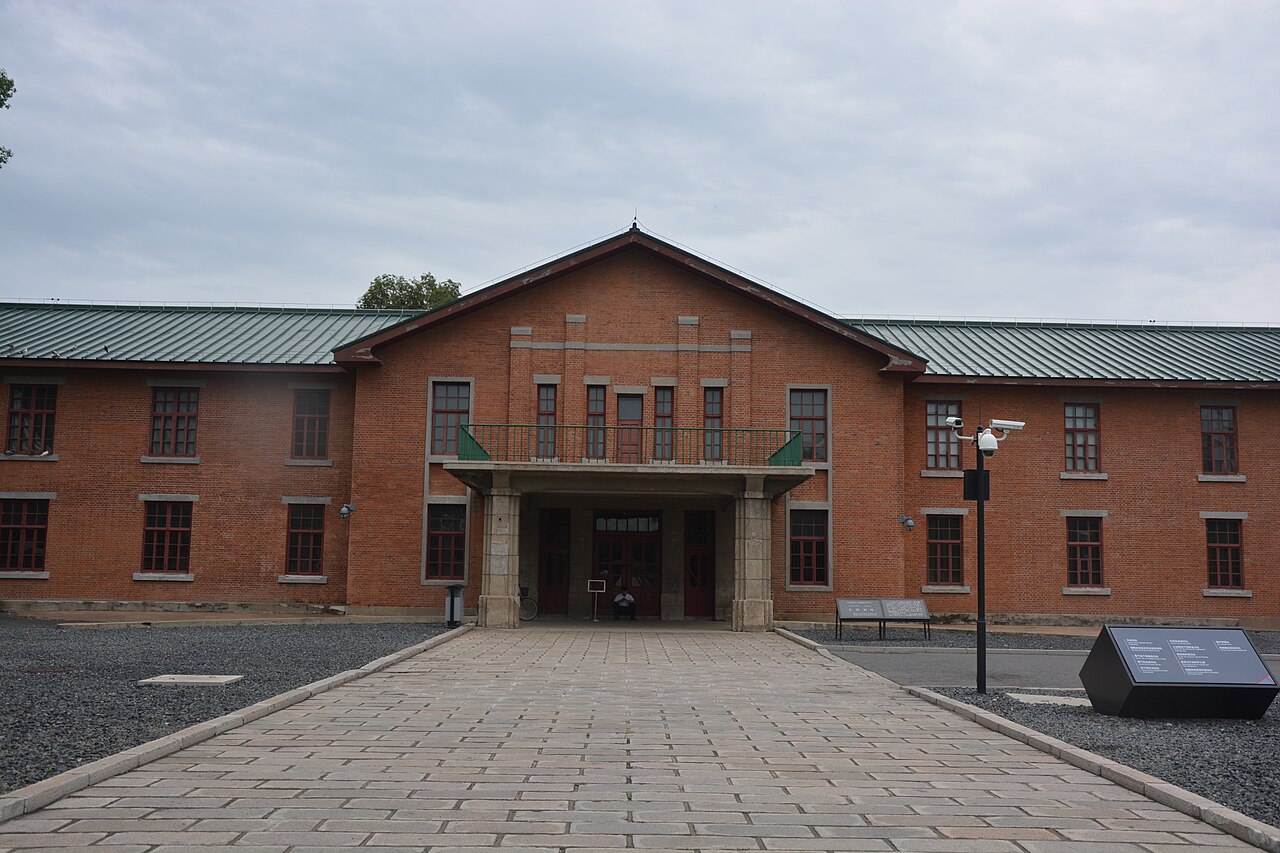
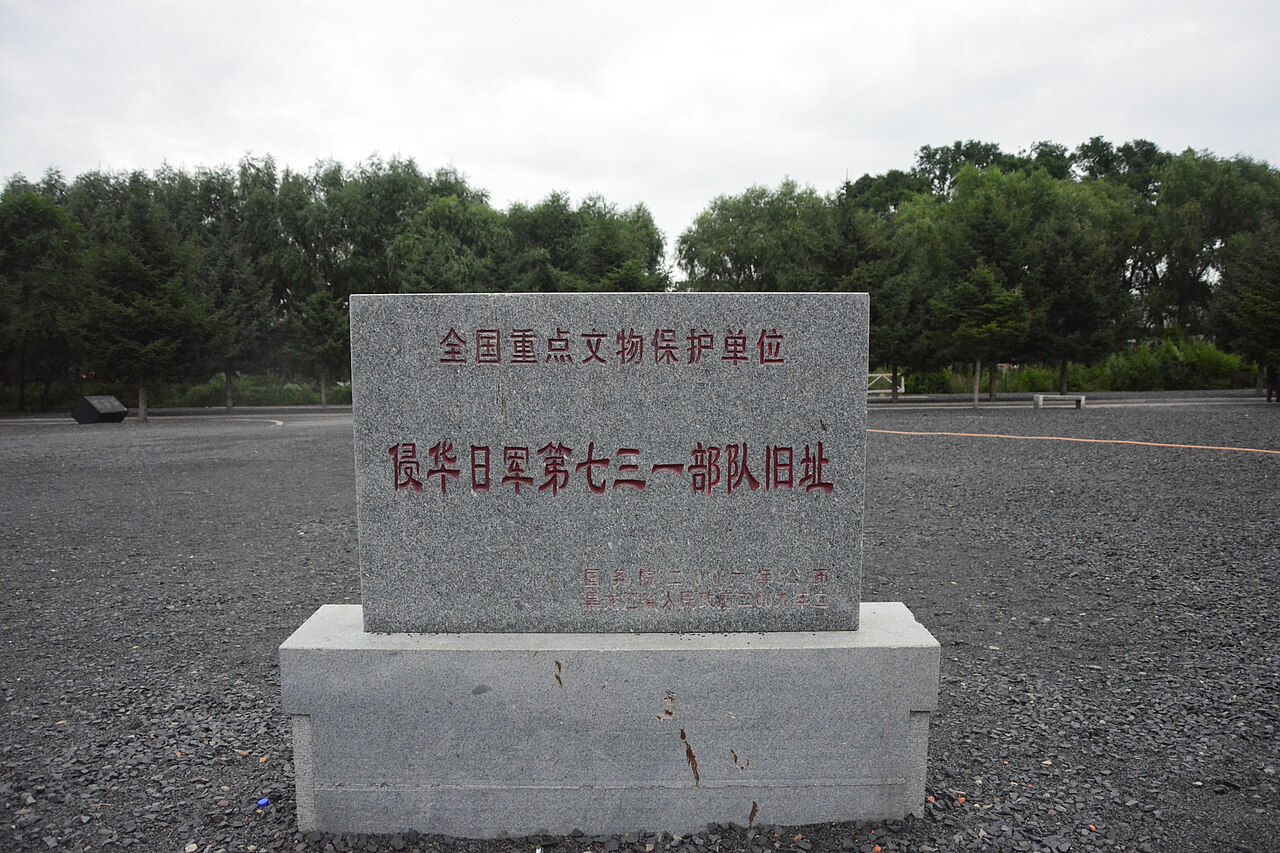
Unit 731 was a secret biological and chemical warfare research operation run by the Imperial Japanese Army. Its precursor was established in 1933, but the full unit as described was operational from 1936 to 1945, when its main Pingfang facility was completed. Its official name was the Kwantung Army Epidemic Prevention and Water Purification Department (also known as Manchuria Detachment 731 or Unit 731). The main facility sat in the Pingfang district of Harbin, within the Japanese-controlled puppet state of Manchukuo (today part of Northeast China), and it had several satellite branches across mainland China and Southeast Asia, all operating under the cover of an "Epidemic Prevention Department." During the Second Sino-Japanese War, the unit carried out biological warfare attacks; estimates of the death toll vary, with some sources suggesting roughly 200,000 people killed by deliberately poisoning water supplies, food, and farmland in cities and villages, though this figure is disputed and not universally accepted as definitive.
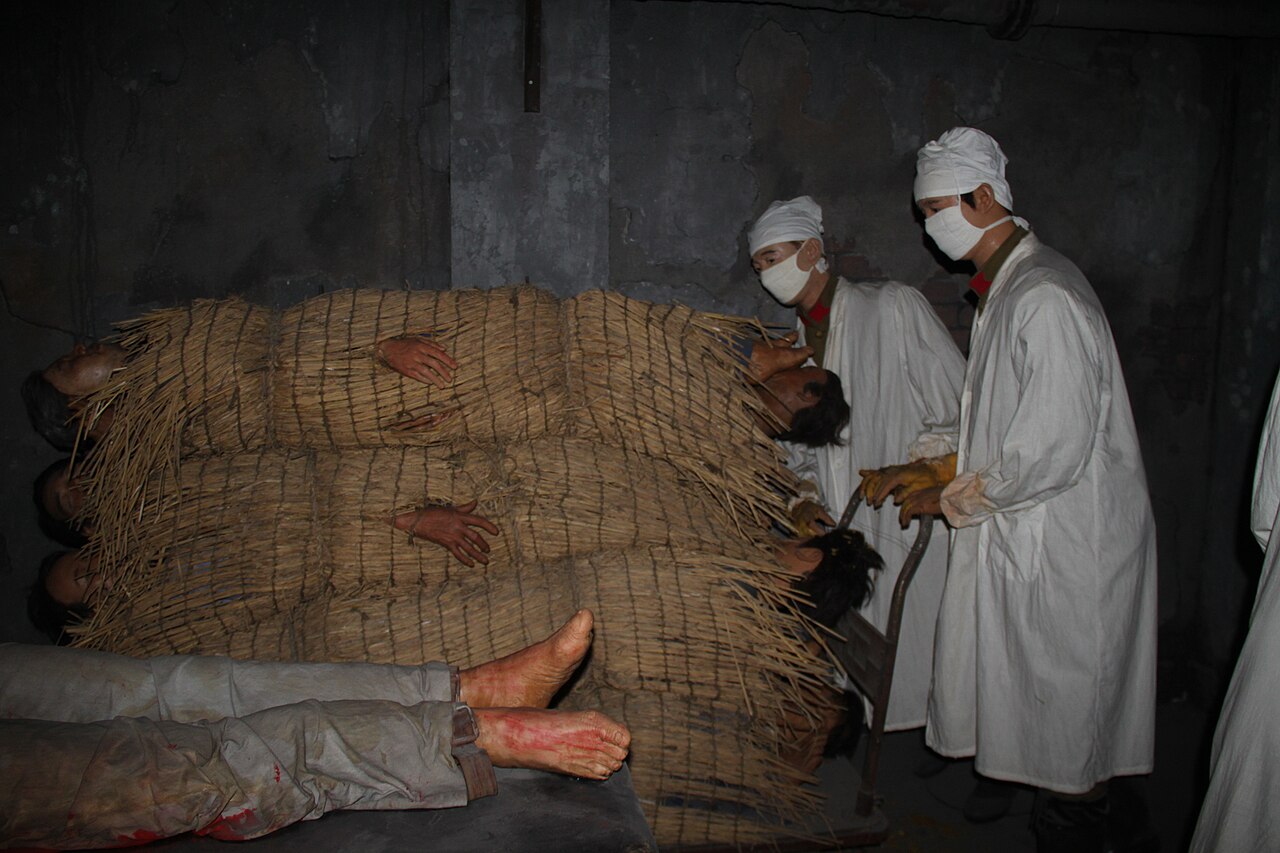
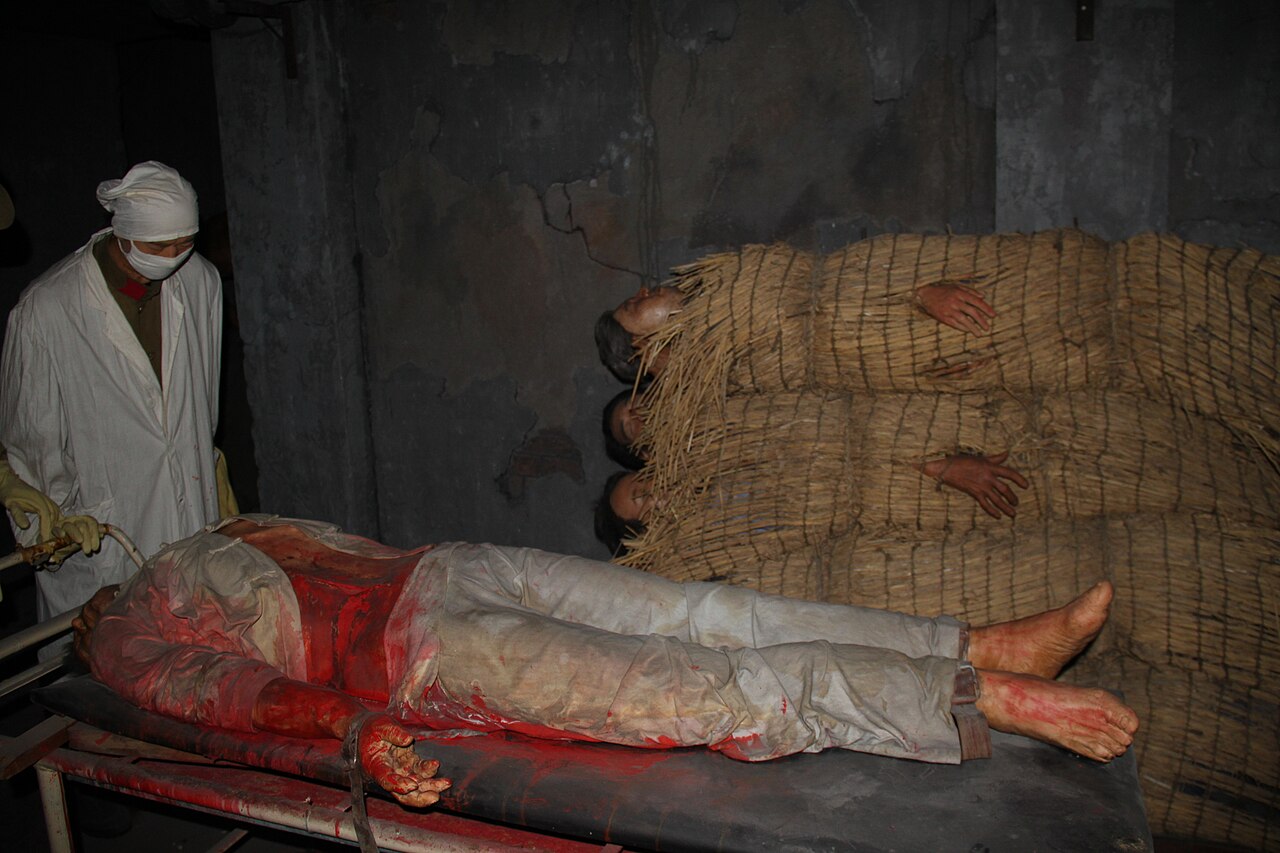
General Shirō Ishii led the facility, which enjoyed strong backing from the Japanese military. Inside the compound itself, an estimated 14,000 people died from human experimentation. These experiments included infecting prisoners with deadly diseases, performing vivisection, harvesting organs, testing hypobaric chambers, amputating limbs, and exposing victims to chemical agents and explosives. Staff referred to prisoners—mostly Chinese civilians, but also Russians, Koreans, and others, including children and pregnant women—as "logs" (or "maruta"). No survivors of these experiments are known to have been documented.
After the war, twelve Unit 731 members faced trial in the USSR during the 1949 Khabarovsk war crimes trials and received prison sentences. However, many key figures, including Ishii, were granted immunity in a cover-up by the United States in exchange for their research data. The Truman administration hid the unit's crimes and paid stipends to former personnel. The information obtained turned out to be of little value, since the US biological weapons program had already surpassed Unit 731's capabilities. The USSR handed down relatively lenient sentences at the Khabarovsk trials.
Quick Facts
- Title
- Unit 731
- Location
- Pingfang, Harbin, Heilongjiang, Manchukuo (now part of China)
- Date
- 1933–1945
- Perps
- Shirō Ishii · Masaji Kitano · Epidemic Prevention and Water Purification Department
- Weapons
- Biological weapons · Chemical weapons · Explosives
Facts from the source article.
Lore & Background
Unit 731 was founded in 1933 as a clandestine division of the Japanese Kwantung Army, led by Lieutenant General Shirō Ishii, but the full facility and operations as described were active from 1936 to 1945. The unit expanded to include 3,000 staff members, 150 structures, and the capacity to detain up to 600 prisoners concurrently for experimental purposes. Prisoners—often referred to as 'logs' (or 'maruta')—were mainly Chinese civilians, but also included Russians, Koreans, and others, including children and pregnant women. No documented survivors are known. Experiments included infecting prisoners with deadly diseases, conducting vivisection, performing organ harvesting, testing hypobaric chambers, amputating limbs, and exposing victims to chemical agents.
Reader's Guide
Unit 731 represents one of the most extensive and brutal programs of human experimentation and biological warfare in history. Its activities killed approximately 200,000 people through biological attacks on cities and villages, and an estimated 14,000 through direct experimentation. After the war, twelve members were tried by the USSR in the 1949 Khabarovsk war crimes trials and sentenced to prison, but key figures including Ishii were granted immunity by the United States in exchange for their research data, which was later deemed not of significant value. The Japanese government has never issued an official acknowledgement of its biological warfare. The Tokyo District Court in 2002 acknowledged that Japan had conducted biological warfare in China and held the state responsible for related deaths, but rejected compensation, citing postwar treaties. The legacy of Unit 731 remains a contentious issue in historical memory and international law.
Did You Know?
- Unit 731 was officially known as the Manchu Detachment 731 and also referred to as the Kamo Detachment and the Ishii Unit.
- An estimated 14,000 people were killed by human experimentation in the facility itself.
Origins and Strategic Rationale
The Japanese biological weapons program took shape in the 1930s against a particular legal backdrop: the 1925 Geneva Protocol had prohibited biological weapons in interstate conflict. Far from treating this ban as a moral constraint, Japanese military planners read it as confirmation that such weapons were devastatingly effective. The 1931 occupation of Manchuria offered a dual advantage: it separated the research station from the Japanese home islands, and it placed an inexhaustible pool of human test subjects within reach. Chinese civilians were explicitly regarded as "no-cost assets," and their ready availability was expected to confer a competitive edge in biological warfare. Lieutenant General Shirō Ishii, who had spent two years studying American and European research institutions, returned with a clear objective: to develop biological weapons whose intended victims were human beings. He organized the secret "Tōgō Unit" for chemical and biological experimentation in Manchuria, laying the institutional groundwork for what would become the largest clandestine biological warfare operation in recorded history.
Scale and Nature of the Atrocities
By its peak, the facility in Harbin's Pingfang district employed roughly 3,000 staff across 150 structures and could hold up to 600 prisoners simultaneously. The research and experimentation rooms were deliberately constructed around the detention area, so that staff could observe their subjects as a matter of routine. Victims—derisively called "maruta," or "logs," by the personnel—were predominantly Chinese civilians but also included Russians, Koreans, children, and pregnant women. The catalogue of abuses documented at the site includes deliberate infection with lethal pathogens, live dissection, organ removal, hypobaric chamber testing, limb amputation, and exposure to chemical agents and explosives. An estimated 14,000 people were killed through experimentation within the facility itself. Beyond its walls, Unit 731 directed what remains the largest biological warfare campaign in recorded history, contaminating water supplies, food, and farmland in Chinese cities and villages, killing approximately 200,000 people. No documented survivors from the facility's experiments are known to exist.
Postwar Impunity and the Coverup
The aftermath of 1945 revealed a stark divergence in how the two occupying powers treated Unit 731's personnel. The United States, under the Truman administration, granted immunity to key figures—including Ishii himself—in exchange for their research data. Former members received stipends, and the administration actively concealed the unit's crimes from public knowledge. The intelligence obtained proved largely redundant, as America's own biological weapons program had already outpaced what Unit 731 had developed. In contrast, the Soviet Union prosecuted twelve members at the 1949 Khabarovsk war crimes trials, sentencing them to prison, though the sentences were considered relatively lenient. Legal reckoning in Japan itself has been minimal: a 2002 Tokyo District Court ruling acknowledged state responsibility for biological warfare deaths in China but denied compensation, citing postwar treaties including the Treaty of San Francisco. The Japanese government has never issued an official acknowledgment of its biological warfare program.
Institutional Architecture and Command Structure
Unit 731 was not a standalone operation but the first of several covert offshoots branching from the Epidemic Prevention Research Laboratory, established in 1932 at the Japanese Army Military Medical School in Tokyo. This parent institution—sometimes called the "Ishii Network"—served as the headquarters coordinating a web of field stations and experimental sites across mainland China and Southeast Asia, all operating under the innocuous banner of the "Epidemic Prevention Department." In 1936, Emperor Hirohito issued a decree authorizing the unit's expansion and formal integration into the Kwantung Army, splitting it into the "Ishii Unit" and the "Wakamatsu Unit" with a base in Xinjing. From August 1940, the collective designation became the "Epidemic Prevention and Water Purification Department of the Kwantung Army," shortened to "Unit 731." A key internal patron was Colonel Chikahiko Koizumi, who had joined a secret poison gas research committee as early as 1915 after witnessing the devastating German chlorine gas attack at the Second Battle of Ypres, and who later served as Japan's Health Minister from 1941 to 1945.
Gallery
Frequently Asked Questions
What was Unit 731?
Unit 731 was a covert biological and chemical warfare research program run by the Imperial Japanese Army during World War II. Despite its public designation as the Kwantung Army Epidemic Prevention and Water Purification Department, it functioned as a secret unit dedicated to weaponizing disease and testing agents on human subjects.
Where was Unit 731 located?
The main facility sat in the Pingfang district of Harbin, inside the Japanese-controlled puppet state of Manchukuo (today part of Northeast China). Several satellite branches operated in other occupied areas, but Pingfang served as the central hub.
What did Unit 731 actually do?
The unit carried out mass human experimentation, exposing live prisoners to pathogens, toxins, and surgical procedures without anesthesia to study biological and chemical weapons effects. An estimated 14,000 people were killed through direct experimentation, and up to 200,000 more died from biological attacks, though those figures remain disputed.
When was Unit 731 active?
A precursor operation began in 1933, and the full unit as generally described ran from 1936 through 1945. The main Pingfang facility was completed in 1945, and the unit was dismantled as Japanese forces surrendered at the war's end.
Why weren't Unit 731's leaders prosecuted after the war?
After Japan's surrender, U.S. authorities struck a deal granting the unit's command immunity from war-crimes charges in exchange for their biological-warfare research data. As a result, the leadership largely escaped the tribunals that convicted other Japanese military officers.
More in World War Ii Topics 1-17
Spotted an error? Know more?
Reader corrections go straight into our review queue. Suggest an edit · How this site is sourced