
Soviet invasion of Poland
Soviet invasion of Poland without declaration of war, 17 September 1939.

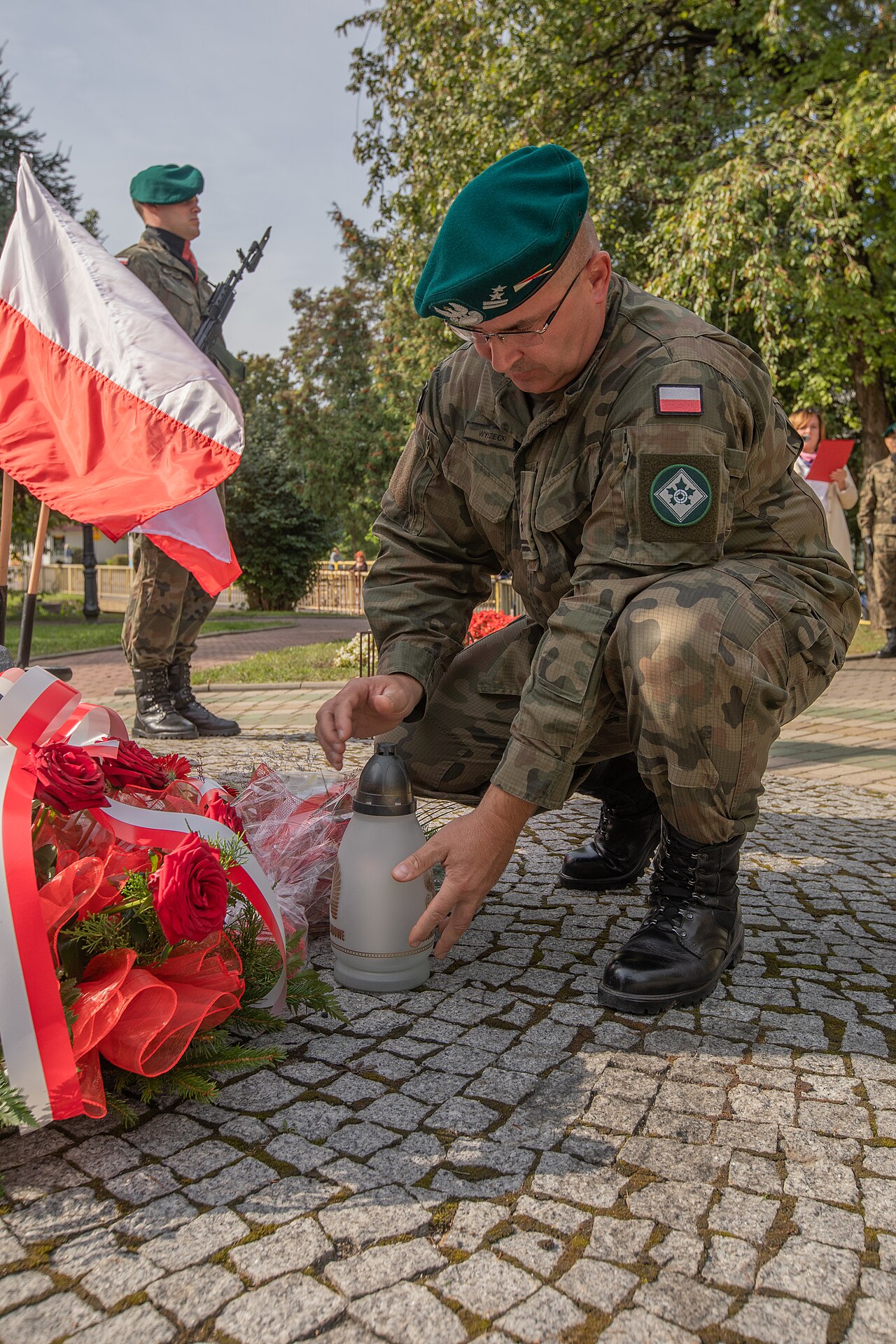
U.S. Army 278ACR-TN-ANG by Sgt. Sarah Kirby · Public domain
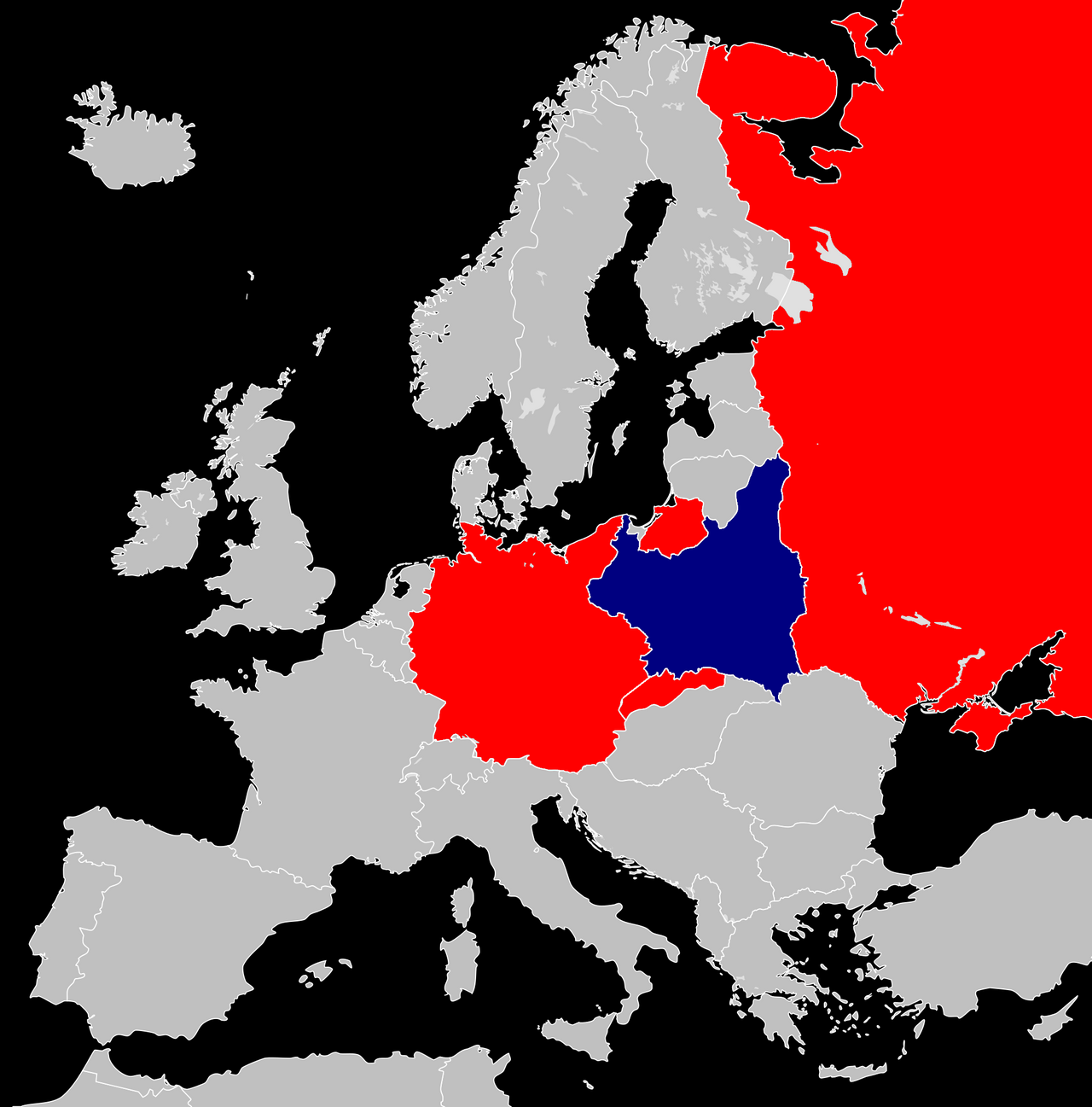
The Soviet invasion of Poland was a military conflict initiated by the Soviet Union without a formal declaration of war on 17 September 1939, 16 days after Nazi Germany invaded Poland from the west. The invasion, conducted by the Red Army, lasted 20 days and ended on 6 October 1939 with the division and annexation of the entire Second Polish Republic by Nazi Germany and the Soviet Union, sometimes called the Fourth Partition of Poland. This action was indirectly indicated in the secret protocol of the Molotov–Ribbentrop Pact signed on 23 August 1939, which divided Poland into spheres of influence.
Quick Facts
- Conflict
- Soviet invasion of Poland
- Part Of
- the invasion of Poland in World War II
- Date
- 17 September – 6 October 1939
- Location
- Poland
- Territory
- Territory of Eastern Poland (Kresy) annexed by the Soviet Union
- Result
- Soviet victory
Facts from the source article.
Lore & Background
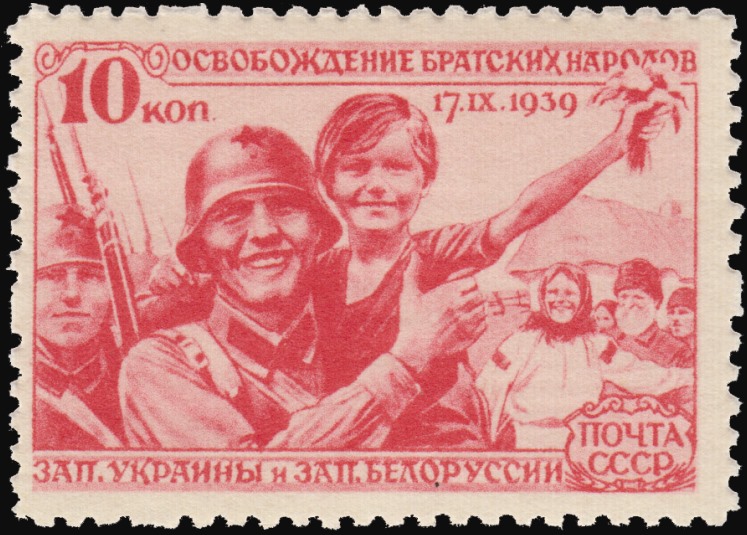
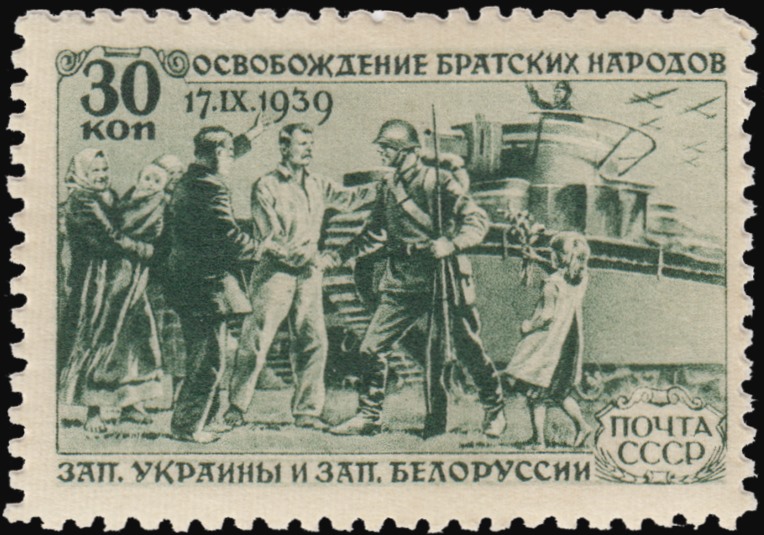
In early 1939, the Soviet Union began strategic alliance negotiations with the United Kingdom and France against Nazi Germany, but Joseph Stalin pursued the Molotov–Ribbentrop Pact with Adolf Hitler, signed on 23 August 1939. This non-aggression pact contained a secret protocol dividing Eastern Europe into German and Soviet spheres of influence. One week after the pact, German forces invaded Poland on 1 September 1939. Polish forces withdrew to the southeast, awaiting French and British support that never came. On 17 September 1939, the Soviet Red Army invaded the Kresy regions in accordance with the secret protocol. Some Polish cities let the Red Army in peacefully, convinced it was fighting the Germans. The Soviet government announced it was acting to protect Ukrainians and Belarusians, claiming the Polish state had collapsed.
Reader's Guide
The Soviet invasion of Poland marked a key moment in the early stages of World War II, demonstrating the operational consequences of the Molotov–Ribbentrop Pact. The Red Army, vastly outnumbering Polish defenders, achieved its targets with limited resistance, taking some 320,000 Poles as prisoners of war. The campaign of mass persecution began immediately, with the Soviet government annexing the entire Polish territory under its control in November 1939. Some 13.5 million Polish citizens were made Soviet subjects following show elections conducted by the NKVD in an atmosphere of terror. A campaign of political murders and repression targeted Polish military officers, police, and priests, with hundreds of thousands deported to Siberia and other remote parts of the Soviet Union in four major waves between 1939 and 1941. Soviet forces occupied eastern Poland until summer 1941, when Germany invaded the Soviet Union under Operation Barbarossa. The area was under German occupation until the Red Army reconquered it in summer 1944. The Yalta Conference permitted the Soviet Union to annex territories close to the Curzon Line, and the Polish–Soviet border agreement of August 1945 recognized the status quo as the official border, with minor exceptions later returned to Poland.
Did You Know?
- Some 320,000 Poles were made prisoners of war by the Red Army.
- The NKVD conducted show elections in an atmosphere of terror to legitimize the annexation.
- The secret protocol of the Molotov–Ribbentrop Pact divided Poland into German and Soviet spheres of influence.
The Pact in Shadow
Before a single Soviet tank crossed the border, the invasion had already been scripted in diplomatic backrooms. In early 1939, the Soviet Union opened strategic alliance talks with Britain and France to counter the rapid militarization of Nazi Germany. Those negotiations collapsed, and Joseph Stalin pivoted toward Adolf Hitler, signing the Molotov–Ribbentrop non-aggression pact on 23 August 1939. Buried within the treaty was a secret protocol that carved Northern and Eastern Europe into German and Soviet spheres of influence, with Poland split down the middle. One week later, German forces struck from the west, north, and south on 1 September. Polish units fell back toward the Romanian Bridgehead, hoping for French and British reinforcements that never materialized. On 17 September, the Red Army entered the Kresy regions, officially justified by Moscow as a rescue mission for Ukrainians and Belarusians whose state had supposedly collapsed. The framing echoed Western press language about Germany's Blitzkrieg, yet the underlying purpose was a territorial division agreed upon in advance.
A Campaign of Minimal Resistance
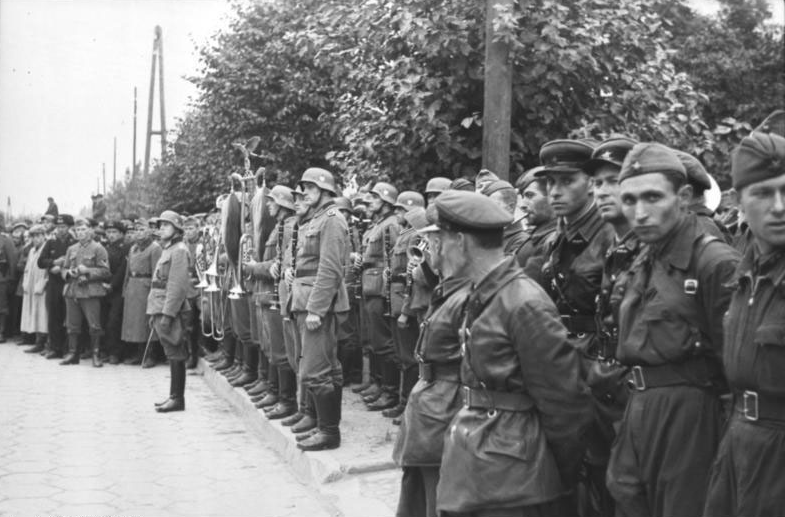
The Red Army's advance into eastern Poland in September 1939 was, by military standards, almost unopposed. Vastly outnumbering the Polish defenders, Soviet forces met with little opposition across the Kresy regions. In several cities—including Dubno, Łuck, and Włodzimierz Wołyński—local populations and garrisons welcomed the Soviets as though they were arriving to fight the Germans. General Juliusz Rómmel even issued an unauthorized order directing his troops to treat the Red Army as an ally before the situation could be corrected. The entire campaign stretched over roughly twenty days, concluding on 6 October 1939 with the complete two-way division and annexation of the Second Polish Republic. Approximately 320,000 Polish soldiers were taken prisoner. Historians have described the German-Soviet cooperation in this operation as co-belligerence, and the resulting partition is sometimes referred to as the Fourth Partition of Poland, echoing the earlier divisions of the eighteenth century. No formal declaration of war accompanied the Soviet entry; the operation proceeded as a fait accompli.
The Machinery of Repression
The military conquest was merely the first phase. In November 1939, the Soviet government formally annexed all Polish territory under its control, and a campaign of mass persecution began without delay. Some 13.5 million Polish citizens found themselves converted into Soviet subjects through staged elections run under NKVD secret police control amid an atmosphere of terror, the fabricated results serving as a veneer of legitimacy for the use of force. A systematic wave of political murders targeted the pillars of Polish civic life—military officers, police officials, and priests—beginning with mass arrests and summary executions. Beyond the killings, the NKVD organized four major waves of deportation between 1939 and 1941, exiling hundreds of thousands of residents of eastern Poland to Siberia and other remote corners of the Soviet Union. The repression was not a byproduct of war but a deliberate policy of erasing Polish institutional and social structures from the newly acquired lands, replacing them with Soviet administrative control.
Borders Forged in Aftermath
The territorial gains seized in 1939 did not survive the war intact, yet their long shadow shaped the postwar map of Central Europe. Soviet forces held eastern Poland until the summer of 1941, when Germany broke the pact and launched Operation Barbarossa. The region then passed under German occupation until the Red Army reconquered it in the summer of 1944. At the Yalta Conference, the Allied powers permitted the Soviet Union to annex territories close to the Curzon Line—a boundary that almost exactly matched the portion of the Second Polish Republic the Soviets had claimed under the Molotov–Ribbentrop secret protocol. In compensation, the new Polish People's Republic received the greater southern part of East Prussia and lands east of the Oder–Neisse line. The annexed territories were appended to the Ukrainian, Byelorussian, and Lithuanian Soviet Socialist Republics. On 16 August 1945, the Polish–Soviet border agreement formalized the status quo, with minor adjustments returning the Białystok region and a small part of Galicia east of the San River around Przemyśl to Poland.
Gallery

Frequently Asked Questions
When did the Soviet invasion of Poland take place?
The Red Army crossed into Polish territory on 17 September 1939, sixteen days after Germany's western assault, and the campaign wrapped up on 6 October 1939.
What prompted the Soviet Union to invade Poland in 1939?
The secret protocol of the Molotov–Ribbentrop Pact, signed on 23 August 1939, had already carved Poland into German and Soviet spheres of influence, giving Moscow a pre-arranged rationale for its eastern offensive.
What was the final result of the Soviet invasion of Poland?
The entire Second Polish Republic was split and absorbed by both Nazi Germany and the Soviet Union, an outcome commonly called the Fourth Partition of Poland.
How many Polish soldiers were captured as Soviet prisoners of war?
Roughly 320,000 Polish servicemen were taken prisoner during the twenty-day Red Army campaign and held by Soviet forces.
Did the Soviet Union formally declare war before invading Poland?
No; Moscow launched its offensive on 17 September 1939 without issuing any declaration of war, simply pointing to the collapse of the Polish state as its justification.
More in World War Ii Topics 1-17
Spotted an error? Know more?
Reader corrections go straight into our review queue. Suggest an edit · How this site is sourced