
Surrender of Japan
Japan's surrender ended World War II in the Pacific.

Harry Beanham · Public domain
The end of World War II came when Emperor Hirohito announced Japan’s surrender on August 15, 1945, with the formal signing on September 2. By late July 1945, Japan’s navy could no longer mount major operations, and an Allied invasion of the home islands seemed close at hand. On July 26, the United States, Britain, and China issued the Potsdam Declaration, demanding Japan’s unconditional surrender or else face “prompt and utter destruction.”
Publicly, Japan’s leaders—the Supreme Council for the Direction of the War, known as the “Big Six”—vowed to fight to the end. Privately, they sought Soviet help to negotiate a more favorable peace. The Soviet Union, while keeping up diplomatic talks to suggest it might mediate, was secretly preparing to attack Japanese forces in Manchuria, Korea, South Sakhalin, and the Kuril Islands, as promised to the U.S. and Britain at the Yalta Conference.
On August 6, at 8:15 a.m. local time, the U.S. dropped an atomic bomb on Hiroshima. Sixteen hours later, President Harry S. Truman again demanded surrender, warning of “a rain of ruin from the air, the like of which has never been seen on this earth.” Late on August 8, the Soviet Union—violating its neutrality pact with Japan—declared war, and just after midnight on August 9, invaded Manchuria. Hours later, the U.S. dropped a second atomic bomb on Nagasaki.
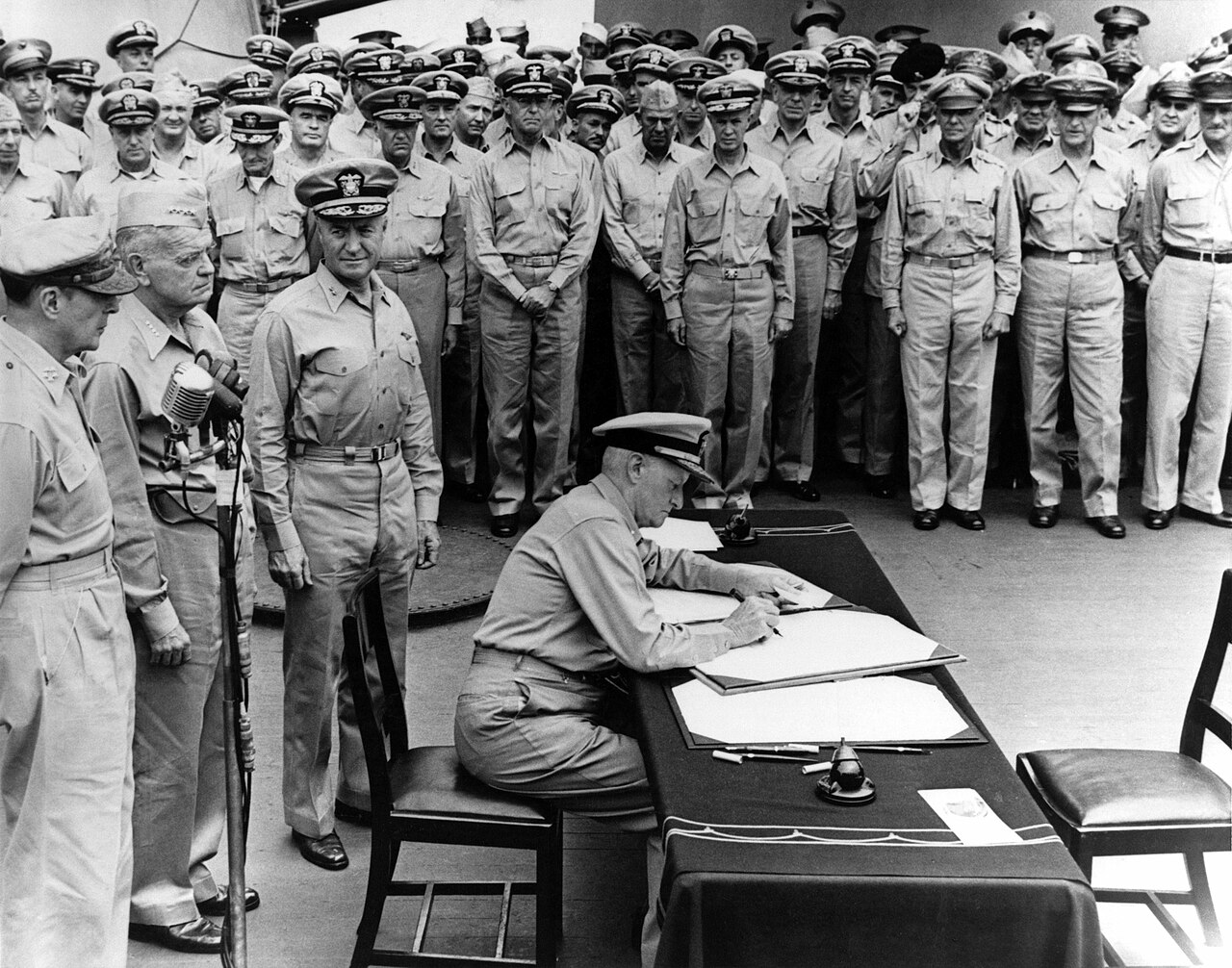
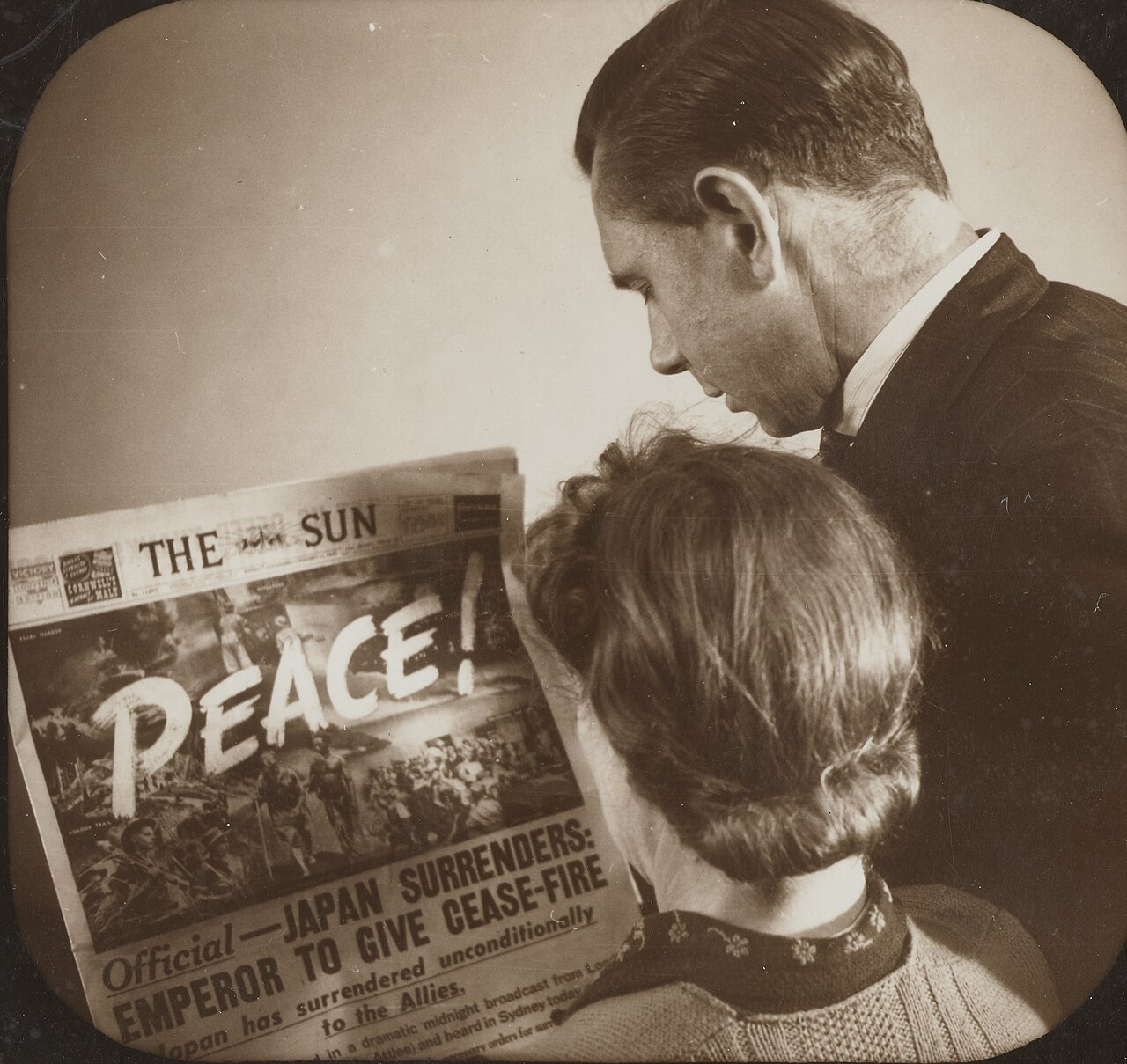
Emperor Hirohito then ordered the Supreme Council to accept the Potsdam terms. After several days of secret talks and a failed coup by military hardliners, the Emperor gave a recorded radio address on August 15, announcing Japan’s surrender. Allied occupation began on August 28, led by the Supreme Commander for the Allied Powers. The formal surrender ceremony took place on September 2 aboard the USS Missouri, where Japanese officials signed the Instrument of Surrender. Allied civilians and troops celebrated V-J Day, but isolated Japanese soldiers across Asia and the Pacific refused to surrender for months or even years, some into the 1970s. The atomic bombings’ role in the surrender and their ethics remain debated. The state of war formally ended with the Treaty of San Francisco on April 28, 1952. Four years later, Japan and the Soviet Union signed a joint declaration ending their state of war.
- Announced
- 15 August 1945
- Formally signed
- 2 September 1945
- Key document
- Potsdam Declaration (26 July 1945)
- Allied ultimatum
- Unconditional surrender
- Japanese governing body
- Supreme Council for the Direction of the War (Big Six)
- Soviet action
- Declared war on 8 August 1945, invaded Manchuria on 9 August 1945
- Atomic bombings
- Hiroshima (6 August 1945), Nagasaki (9 August 1945)
Lore & Background
By 1945, Japan had suffered defeats across the Pacific and its war economy was wrecked by Allied submarine campaigns and strategic bombing. The Imperial Japanese Navy was largely destroyed, and the Allies captured Iwo Jima and Okinawa, preparing for an invasion of the Home Islands. Japan's leaders, while publicly vowing to fight to the end, secretly sought Soviet mediation for better terms, unaware that the Soviets had already agreed at the Yalta Conference to attack Japanese forces in Manchuria and Korea.
Reader's Guide
The surrender of Japan marked the definitive end of World War II. The atomic bombings of Hiroshima and Nagasaki, combined with the Soviet declaration of war and invasion of Manchuria, compelled Emperor Hirohito to order acceptance of the Potsdam terms. After a failed coup by military hardliners, Hirohito broadcast the surrender on 15 August 1945. The formal signing on 2 September aboard USS Missouri began the Allied occupation. The role of the atomic bombs in Japan's surrender remains debated. Isolated Japanese soldiers continued to resist for years, and the state of war formally ended with the Treaty of San Francisco in 1952 and the Soviet-Japanese Joint Declaration in 1956.
Did You Know?
- The Soviet Union declared war on Japan on 8 August 1945, in violation of the Soviet–Japanese Neutrality Pact.
- Emperor Hirohito gave a recorded radio address on 15 August 1945 announcing Japan's surrender.
- A failed coup d'état by hardliners in the Japanese military occurred before the surrender announcement.
- The formal surrender ceremony took place on 2 September 1945 aboard the USS Missouri.
The Soviet Gambit
Japan's leadership, while publicly vowing to fight to the bitter end, was secretly reaching out to the Soviet Union for peace mediation. The Supreme Council for the Direction of the War—the so-called "Big Six"—hoped the publicly neutral Soviets might broker terms more favorable to Tokyo. Meanwhile, the Soviets were playing a dual game: maintaining just enough diplomatic engagement to keep Japan believing mediation was possible, while covertly massing forces for a full-scale invasion of Manchuria, Korea, South Sakhalin, and the Kuril Islands. These preparations fulfilled secret promises made at the Tehran and Yalta Conferences to the US and UK. By mid-1945, the Soviets had begun quietly redeploying battle-hardened divisions from Europe to the Far East, adding to the roughly forty divisions already stationed there since 1941, positioning them as a counterweight against the million-strong Kwantung Army. This layered deception—appearing as a potential peacemaker while preparing as a belligerent—set the stage for the dramatic August revelations that would shatter Japan's last diplomatic hope.
The August Cascade
In the span of just four days in August 1945, the strategic landscape around Japan collapsed entirely. At 8:15 am on the 6th, American forces detonated an atomic weapon over Hiroshima. Sixteen hours later, President Truman issued a stark warning, telling the Japanese to "expect a rain of ruin from the air, the like of which has never been seen on this earth." Then, late on the 8th, the Soviet Union—honoring Yalta commitments but breaking the Soviet-Japanese Neutrality Pact—declared war on Japan. Before midnight on the 9th, Soviet troops poured into the Japanese puppet state of Manchuria. Hours after that invasion began, a second atomic bomb struck Nagasaki. The Potsdam Declaration of 26 July had already laid out the ultimatum: unconditional surrender or "prompt and utter destruction." By the end of July, the Imperial Japanese Navy could no longer conduct major operations, and an Allied invasion of the Home Islands loomed. The convergence of nuclear shock and Soviet military entry left Japan's leadership with no viable path other than capitulation.
The Emperor's Gambit and the Hardliners' Last Stand
Emperor Hirohito's decision to accept the Potsdam terms was far from immediate or uncontested. After the atomic bombings and Soviet invasion, he directed the Supreme Council for the Direction of the War to accept the Allies' conditions, but the process was fraught with internal resistance. Hardline elements within the Japanese military attempted a coup d'état in a desperate bid to prevent capitulation. The plot failed, but it underscored how deeply divided the leadership remained. Only after several additional days of behind-the-scenes negotiations did the Emperor finalize his decision. On 15 August, Hirohito broke with centuries of imperial protocol by delivering a recorded radio address to the entire Empire, personally announcing Japan's surrender to the Allies. This was extraordinary: the Emperor, the divine center of Japanese identity, spoke directly to his people to end the war. The fact that this required a failed coup to be overcome reveals just how close Japan came to continuing a war it could no longer win.
From the Missouri to the 1970s
The formal surrender ceremony took place on 2 September 1945 aboard the USS Missouri, where Japanese government officials signed the Instrument of Surrender, officially ending hostilities with the Allies. The occupation of Japan had already begun on 28 August under the Supreme Commander for the Allied Powers. While Allied civilians and military personnel celebrated V-J Day with jubilation, the war's end was far from universal. Isolated Japanese soldiers scattered across Asia and the Pacific refused to surrender for months, years, and in some cases decades—some held out into the 1970s. The legal closure of the conflict came even later: the Treaty of San Francisco took effect on 28 April 1952, formally ending the state of war. Japan and the Soviet Union did not settle their own status until the Soviet-Japanese Joint Declaration of 1956. The debate over the ethics and necessity of the atomic bombings persists to this day, making the surrender not a clean ending but the beginning of prolonged reckoning.
Gallery
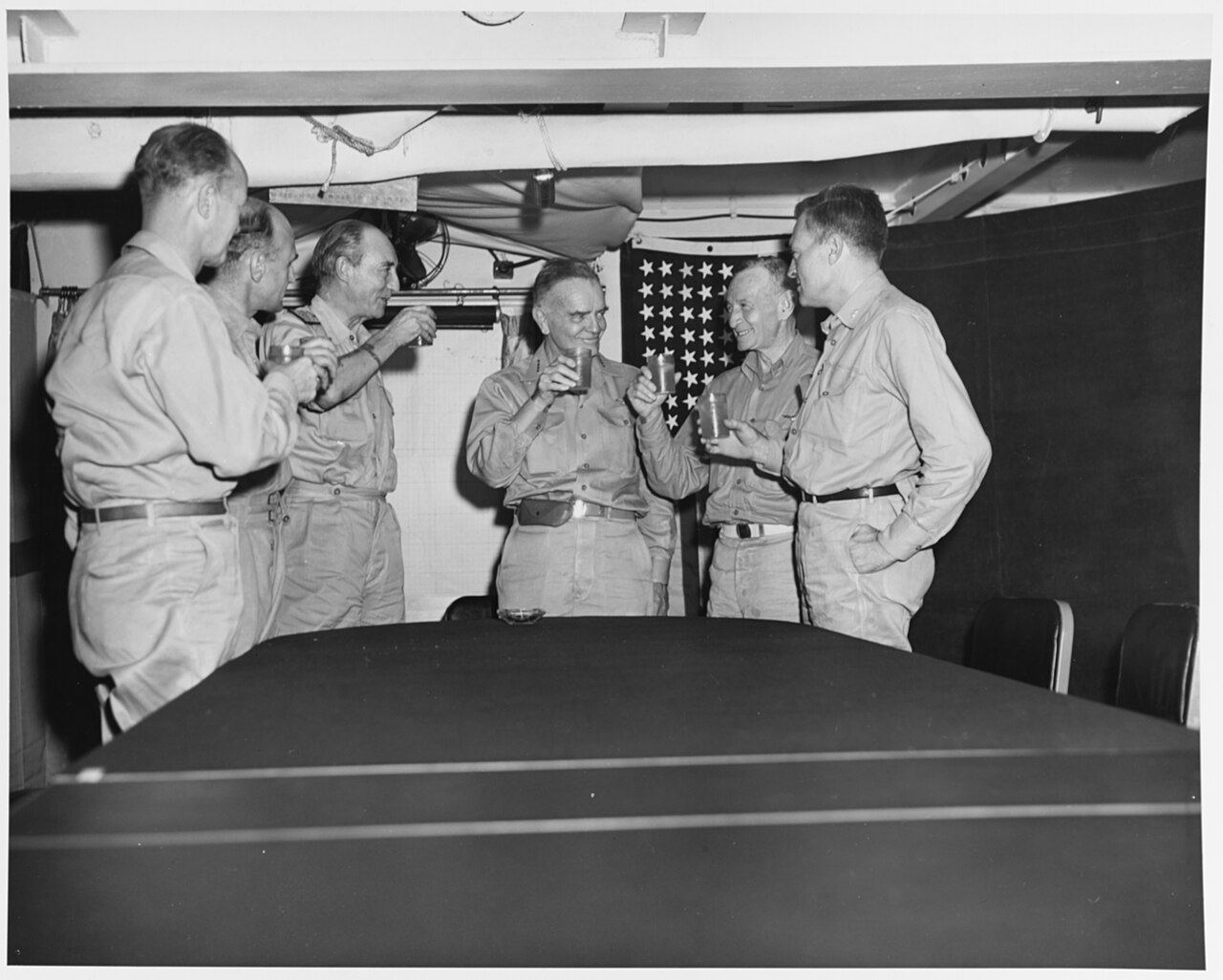
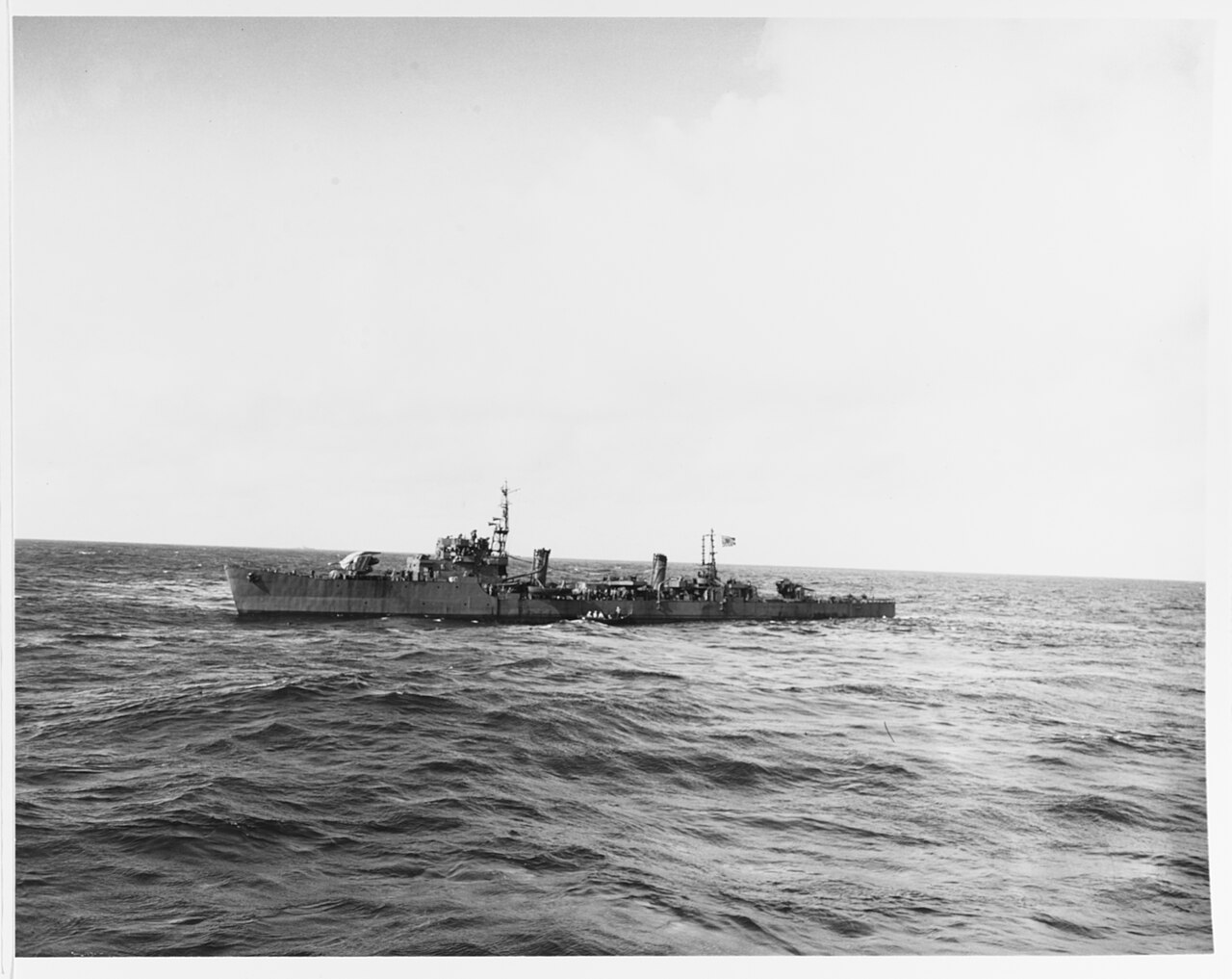
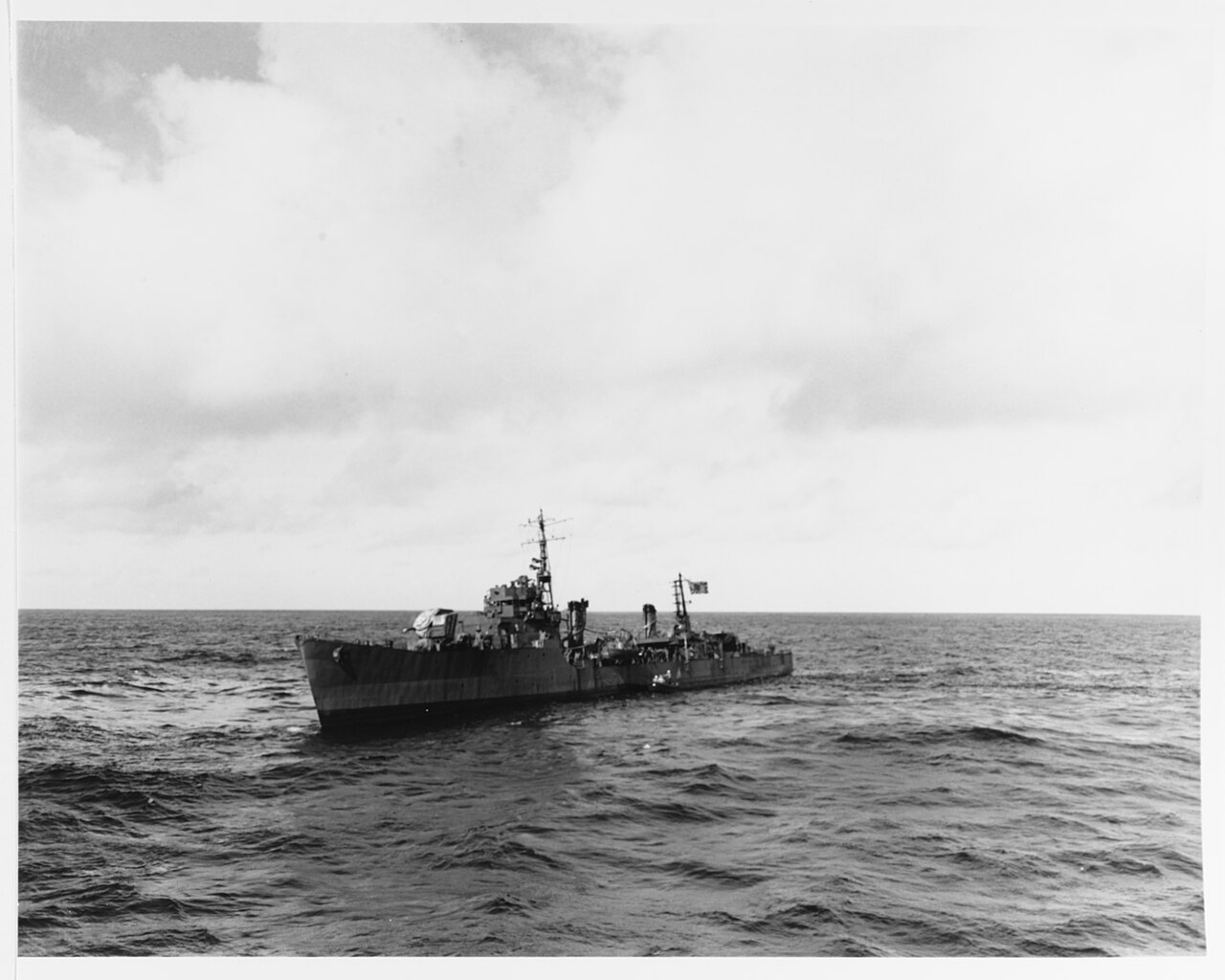
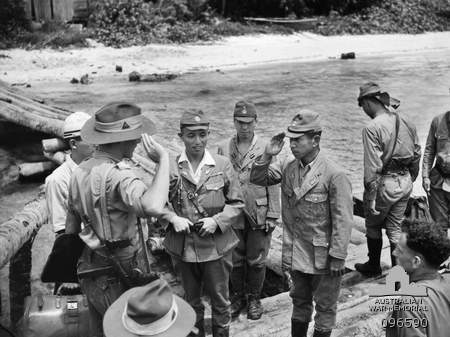
Frequently Asked Questions
When exactly did Japan surrender in World War II?
Emperor Hirohito addressed the Japanese nation on August 15, 1945, to announce the end of hostilities. The formal instrument of surrender was then signed aboard the USS Missouri on September 2 of that year.
What was the Potsdam Declaration and how did it connect to Japan's surrender?
Issued on July 26, 1945 by the United States, Britain, and China, it served as a final ultimatum demanding that Japan accept unconditional surrender. The document warned of devastating consequences if Japan refused to lay down its arms.
Who held the final authority to accept or reject surrender in Japan?
The decision rested with the Supreme Council for the Direction of the War, a six-member governing body commonly referred to as the Big Six. These leaders publicly insisted on continuing the fight while privately exploring avenues to end the conflict.
What role did the Soviet Union play in bringing about Japan's surrender?
The Soviet Union declared war on Japan on August 8, 1945, and launched a large-scale invasion of Manchuria the very next day. This sudden eastern-front offensive eliminated Japan's last hope of a mediated peace and accelerated the decision to capitulate.
Why is Japan's surrender considered the true end of World War II?
Because the Pacific Theater was the last major conflict still active, Japan's capitulation effectively closed the book on the global war. It marked the final resolution of hostilities that had been raging across multiple continents since 1939.
More in World War Ii Topics 1-17
Spotted an error? Know more?
Reader corrections go straight into our review queue. Suggest an edit · How this site is sourced