
Soviet–Japanese War
Soviet campaign that helped end World War II in the Pacific.

MBH · CC BY 4.0
The Soviet–Japanese War, part of the Second World War, started when the USSR invaded Manchuria on 9 August 1945, a day after declaring war on Japan. Together with the Mongolian People’s Republic, the Soviets dismantled Japanese-controlled puppet regimes in Manchuria (Manchukuo), Inner Mongolia (Mengjiang), northern Korea, southern Sakhalin (Karafuto), and the Kuril Islands. Crushing Japan’s Kwantung Army pushed Tokyo toward surrender, ending World War II. The Soviet entry also signaled that Moscow would not remain neutral in negotiating a conditional peace, which helped convince Japan’s government to accept unconditional surrender.
Quick Facts
- Conflict
- Soviet–Japanese War
- Part Of
- the Second Sino-Japanese War and the Pacific Theater of World War II
- Location
- Northeast China, Inner Mongolia, Sakhalin, the Kuril Islands, and northern Korea
- Result
- Soviet victory
- Territory
- Soviet occupation of Inner Mongolia and Manchuria until 1946 / Soviet annexation of South Sakhalin and the Kuril Islands / Partition of the Korean Peninsula at the 38th parallel
Facts from the source article.
Lore & Background
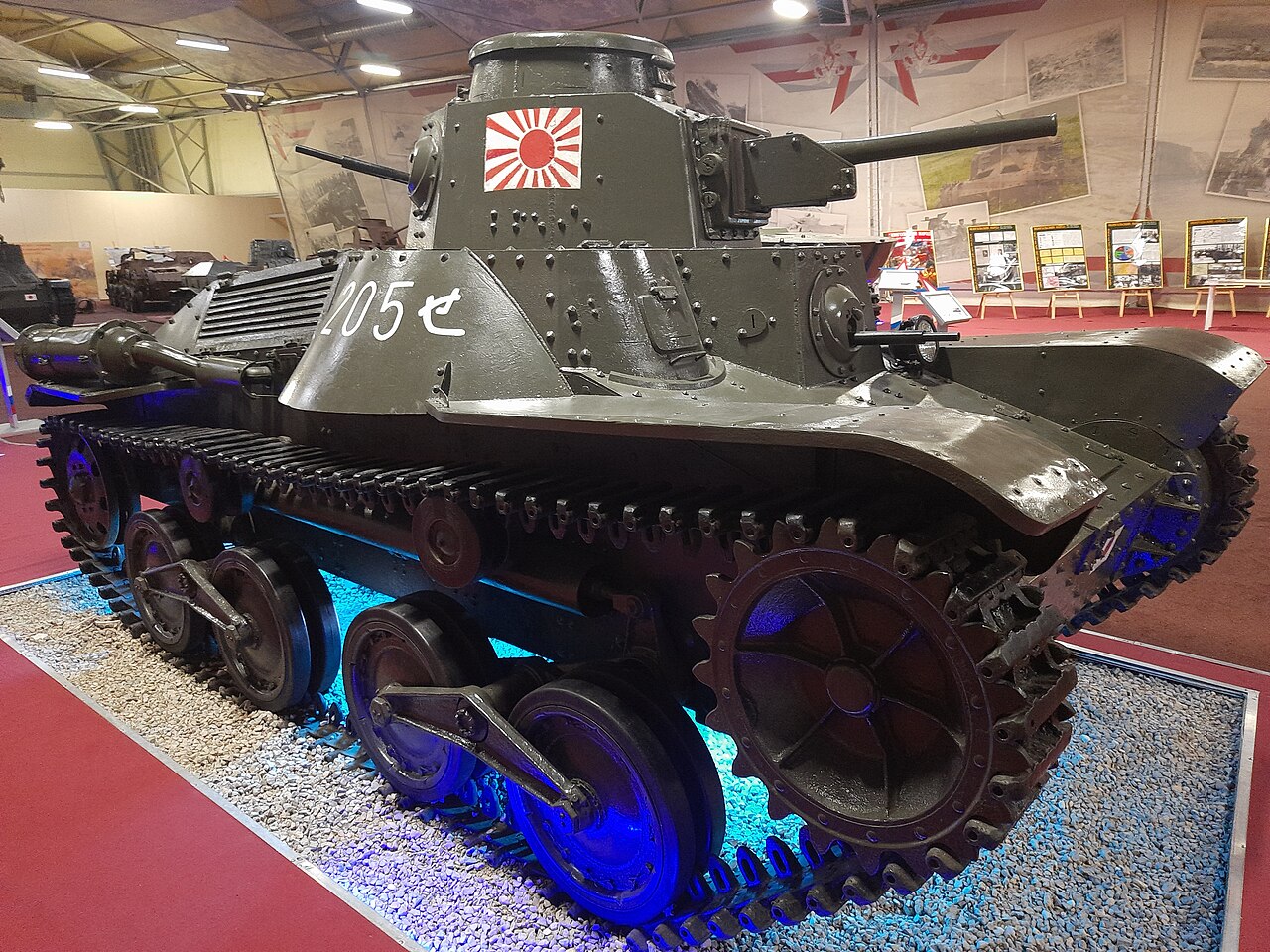
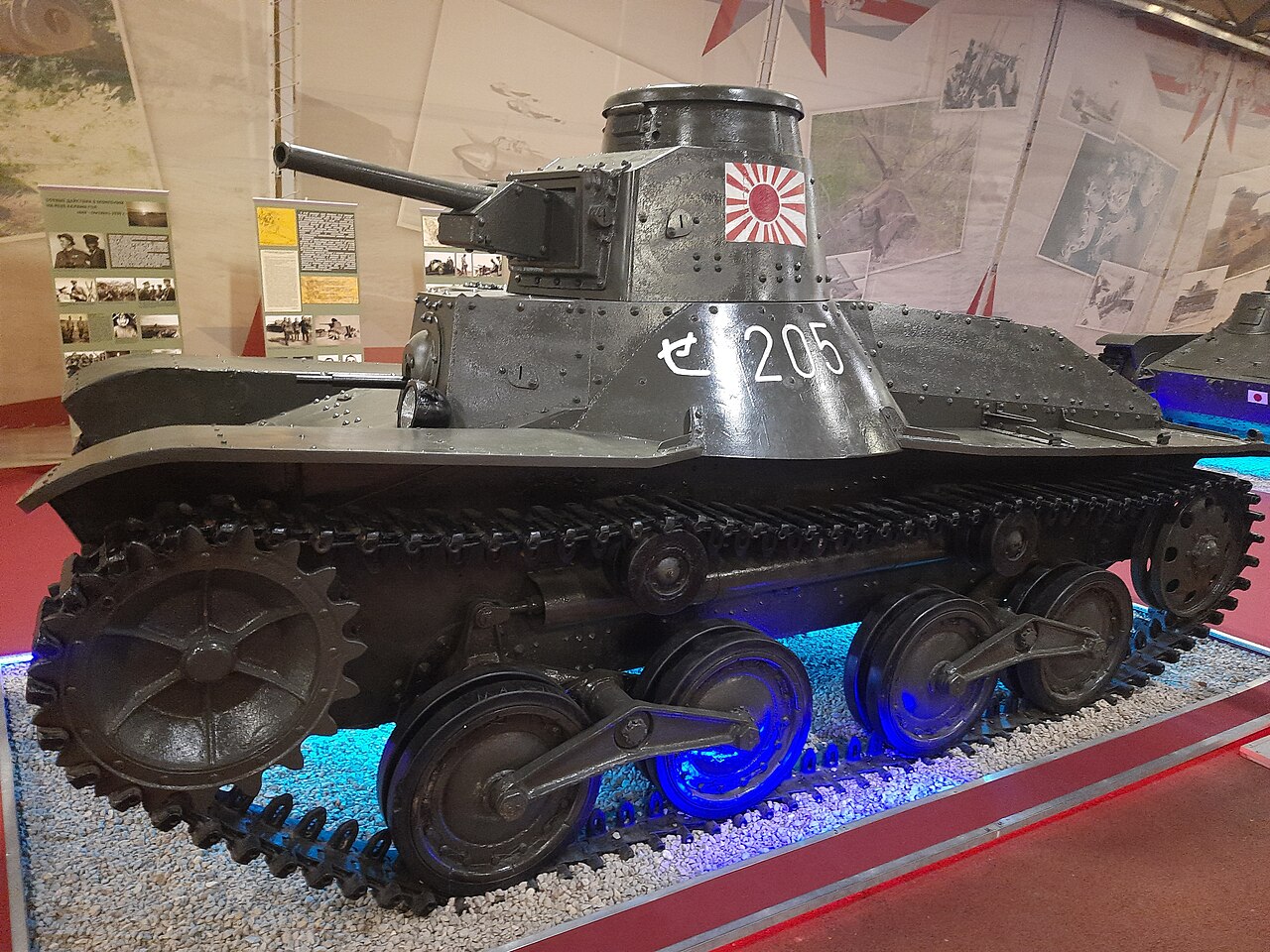
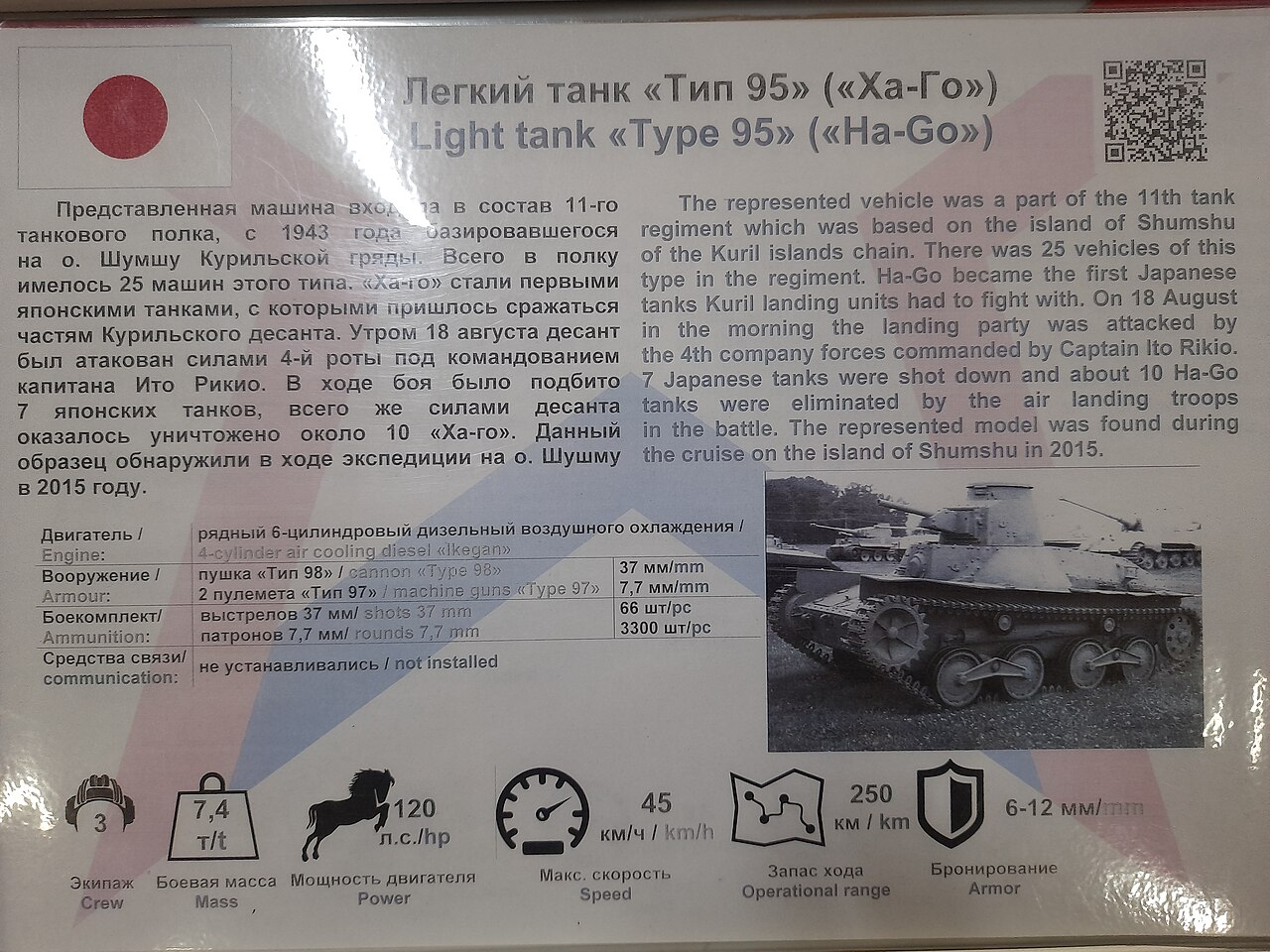
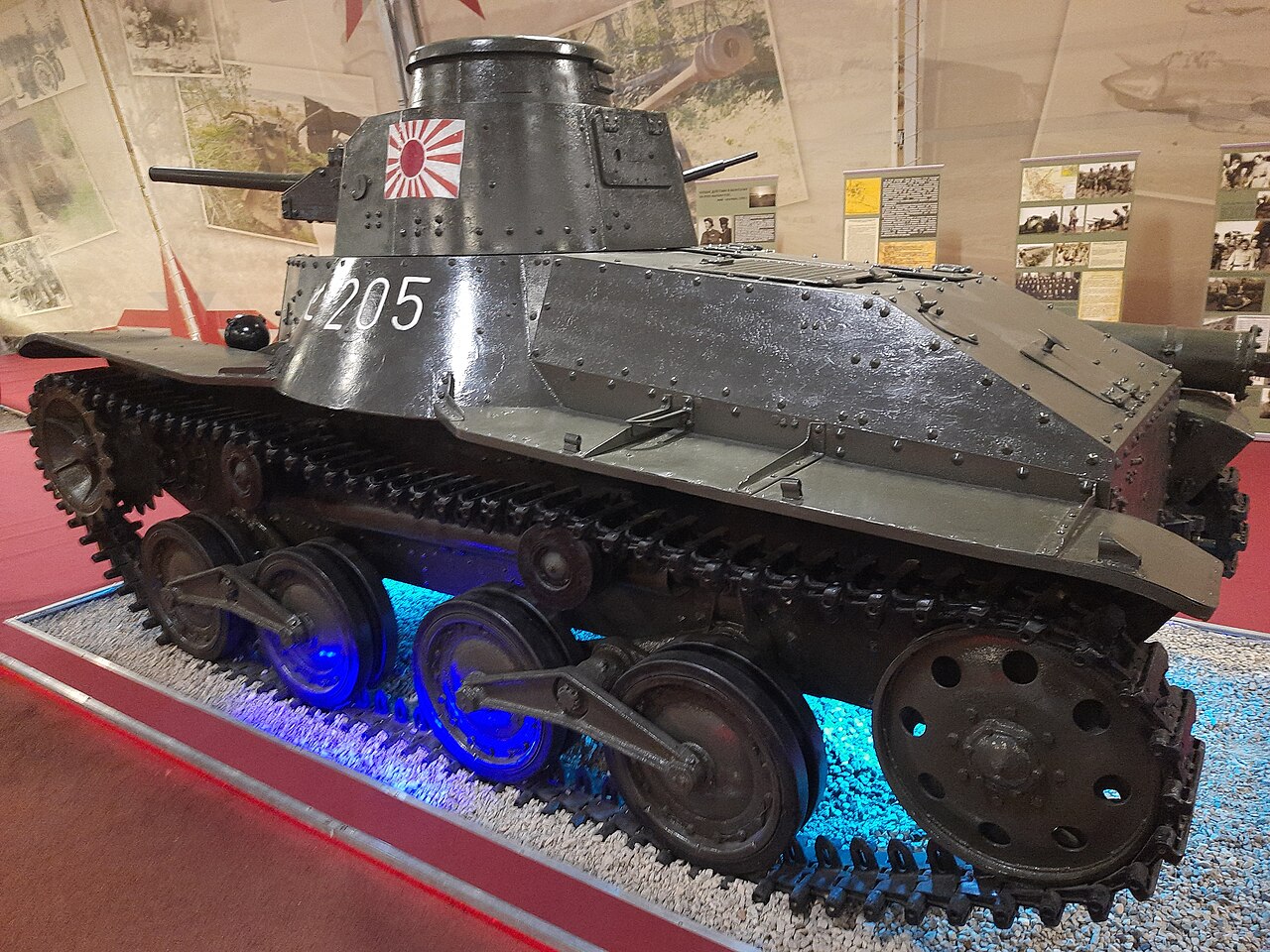
The Soviet–Japanese War began with the Soviet invasion of Manchuria after the Soviet declaration of war on Japan on 8 August 1945. The invasion commenced at one minute past midnight Trans-Baikal time on 9 August 1945, simultaneously on three fronts to the east, west, and north of Manchuria. The operation was subdivided into smaller offensives, including the Khingan–Mukden Offensive, Harbin–Kirin Offensive, and the Battle of Mutanchiang, among others. The campaign also included the South Sakhalin Operation, the Soviet assault on Maoka, the Chongjin Landing Operation, and the Kuril Landing Operation.
The timing of the invasion fell between the US atomic bombings of Hiroshima on 6 August and Nagasaki on 9 August. The date was foreshadowed by the Yalta Agreement, the date of the German surrender on 8 May 1945 (implying a deadline for Stalin to enter the war by 8 August 1945), and the fact that Marshal Aleksandr Vasilevsky reported to Stalin on 3 August that he could attack on the morning of 5 August if necessary. The Soviet entry into the war showed that the Soviet Union would not act as a third party in negotiating a conditional end to hostilities, and thus was a factor in the Japanese government's decision to surrender unconditionally.
Reader's Guide
The Soviet–Japanese War was a decisive campaign that directly contributed to the end of World War II. By defeating Japan's Kwantung Army and occupying key territories, the Soviet Union eliminated Japan's last major military force on the Asian mainland and removed any hope of a negotiated peace. The Soviet entry into the war, coming just days after the atomic bombing of Hiroshima and on the same day as the bombing of Nagasaki, demonstrated to the Japanese government that the Allies were united in demanding unconditional surrender. The war also fulfilled Stalin's commitments made at the Tehran and Yalta conferences to enter the Pacific Theater within three months of Germany's defeat. The campaign is sometimes called Operation August Storm (a term used by US Army historian Lieutenant Colonel David Glantz since 1983) or the Manchurian Strategic Offensive Operation. It should not be confused with earlier Soviet–Japanese border conflicts such as the Battle of Khalkhin Gol of 1939, which ended in Japan's defeat and led to the Soviet–Japanese Neutrality Pact.
Did You Know?
- The Soviet declaration of war was delivered to the Japanese ambassador at 5 p.m. Moscow time on 8 August 1945, and the invasion began just over an hour later at one minute past midnight Trans-Baikal time on 9 August.
- The Soviet invasion fell between the US atomic bombings of Hiroshima (6 August) and Nagasaki (9 August).
- The Soviet Union and Mongolian People's Republic toppled the Japanese puppet states of Manchukuo and Mengjiang.
Categorized Armaments and Platforms
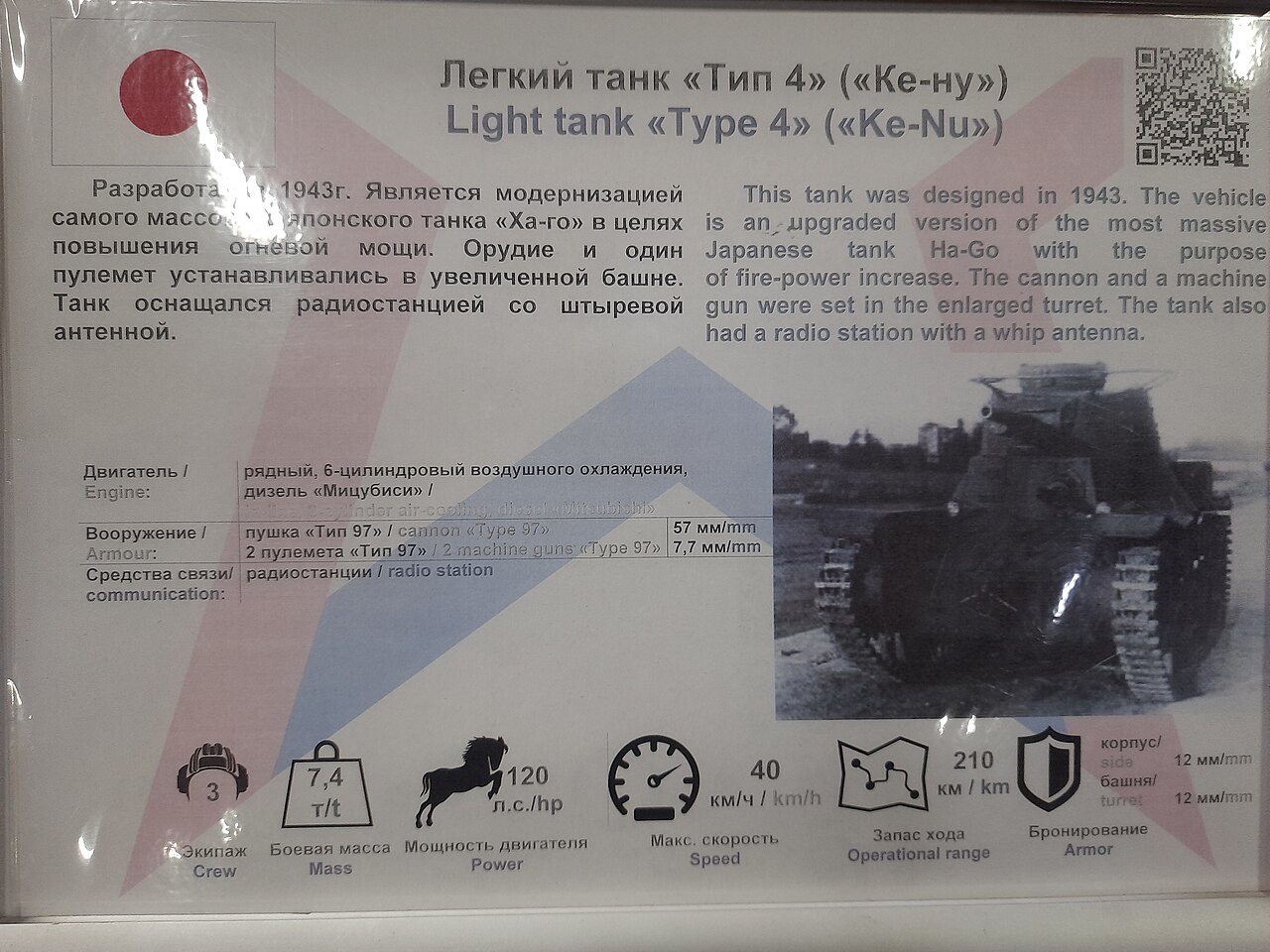
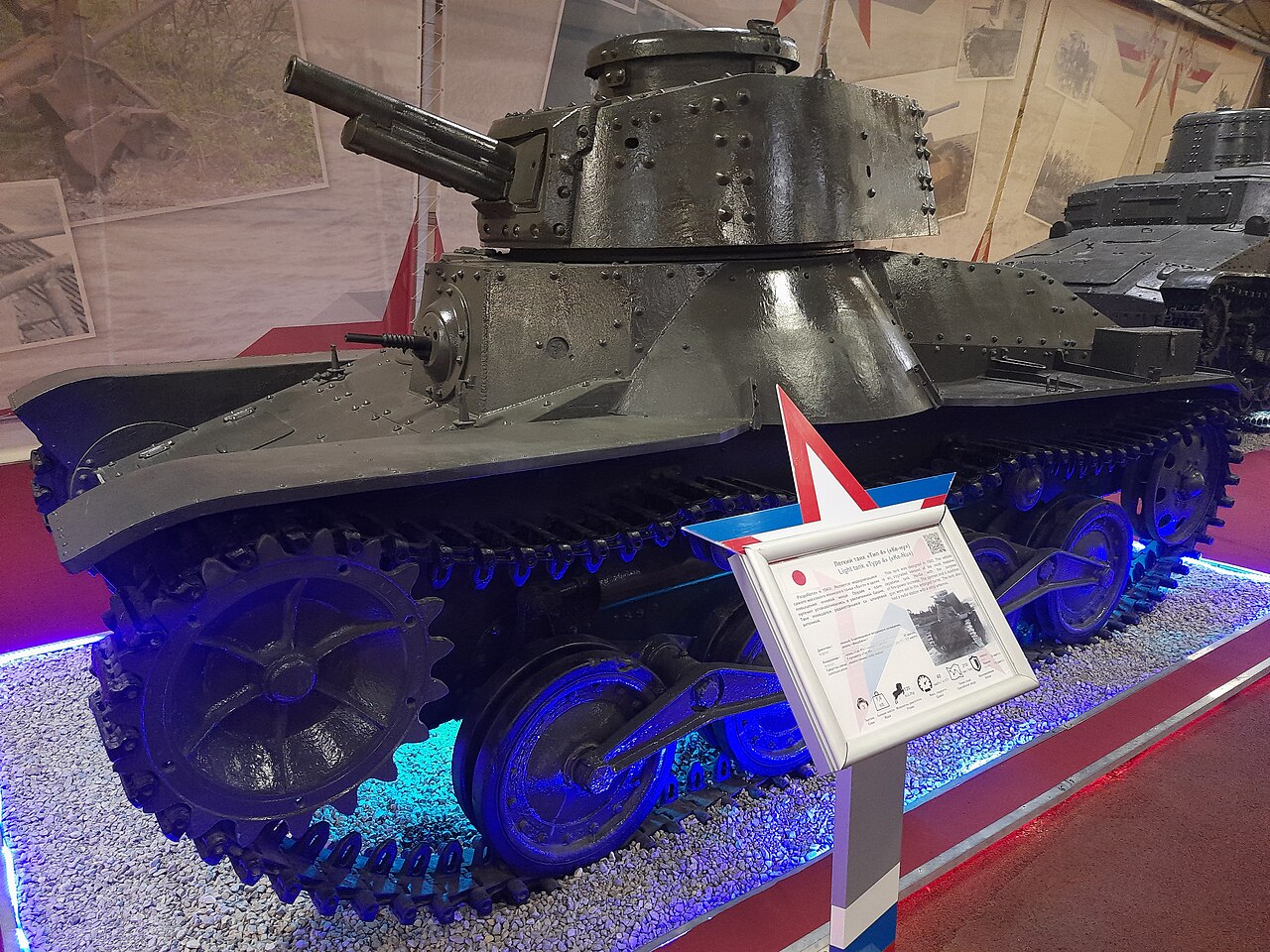
The documentary record of the Soviet–Japanese confrontation reveals an extraordinarily wide spectrum of military hardware fielded by both sides. On the Japanese side, the surviving catalogues distinguish between army and navy bomb inventories, separate lists of explosives, dedicated radar systems, and military engineer vehicles, alongside trainer aircraft and combat aircraft tracked individually. The naval component is equally granular, with Japanese war vessels logged separately from the broader international registers of carriers, battleships, cruisers, destroyers, frigates, corvettes, monitors, and submarines. The Soviet Union's contribution to the record is organized around its own military equipment and weapons lists, standing as a distinct national entry among Bulgaria, China, the Netherlands, and other participants. What emerges from this taxonomy is a conflict in which both powers maintained parallel industrial pipelines for aerial, maritime, and ground platforms, each requiring its own dedicated documentation track separate from the shared Allied or Axis inventories.
Aces, Commanders, and Specialists
The personnel records surrounding the Soviet–Japanese dimension of the war are notably layered. Fighter aces are tallied for both Japan and the Soviet Union as separate national lists, placing them alongside counterparts from Germany, the United Kingdom, the United States, France, and numerous smaller nations. Beyond individual pilots, the documentation singles out Japanese government and military commanders as a distinct category, suggesting a command hierarchy that required its own reference framework. Particularly telling is the existence of a dedicated list of Japanese military specialists who operated on or studied the USSR, indicating a focused intelligence and advisory channel directed at the Soviet theater. The broader personnel archive also captures war correspondents, spies, and Allied traitors, while award registries such as the Medal of Honor and Victoria Cross recipients anchor individual acts of valor within the larger operational record. Together these rosters paint a picture of a conflict staffed by specialized, nationally defined professional groups rather than a single undifferentiated force.
Theaters, Campaigns, and Strategic Bombing
The operational architecture of the war is preserved through a nested hierarchy of reference lists: theaters and campaigns sit at the top, followed by military operations, then individual battles, with a further sub-list devoted specifically to the Eastern Front. This structure implies that the Soviet–Japanese engagement was catalogued within a multi-theater framework rather than treated as an isolated front. The strategic bombing records extend far beyond the Pacific, documenting sustained campaigns against Berlin, Dresden, Hamburg, Cologne, Kobe, and numerous other cities, which contextualizes the Japanese home-island strikes within a global pattern of aerial bombardment. The inclusion of both European and Asian targets in the same indexing scheme underscores that the conflict's air operations were tracked as a single integrated enterprise. For the Soviet–Japanese axis specifically, the presence of dedicated Eastern Front operation lists signals that ground campaigns in that region were substantial enough to warrant their own separate enumeration apart from the general battle catalogues.
Breadth of Documented Conflict and Legacy
The sheer volume of distinct reference categories in the surviving record speaks to the multi-dimensional character of the war. Beyond the obvious combat arms, the documentation extends to military gliders, electronic warfare equipment, undersea-carried aircraft, and vessels under one thousand tons, revealing that even auxiliary and experimental platforms were tracked with the same rigor as frontline hardware. The personnel archive reaches into civilian and cultural spheres, listing NFL players who served, the last surviving veterans, and general officers of the U.S. Army Medical Department, indicating that the conflict's human footprint was recorded well beyond the battlefield. Equipment loss registries and prototype project files for Luftwaffe aircraft further suggest that the record captures not only what was deployed but what was lost and what remained unrealized. For the Soviet–Japanese engagement, this comprehensive indexing means that the conflict's legacy is preserved not as a single narrative but as a vast, cross-referenced archive spanning technology, personnel, strategy, and aftermath, ensuring that no dimension of the confrontation is lost to the historical record.
Gallery
Frequently Asked Questions
What was the Soviet-Japanese War?
It was a military campaign in which the Soviet Union, alongside Mongolia, invaded Japanese-occupied territories in East Asia in August 1945. The operation targeted the Kwantung Army and Japanese puppet states across Manchuria, Inner Mongolia, northern Korea, Sakhalin, and the Kuril Islands.
When did the Soviet-Japanese War begin and end?
The USSR formally declared war on Japan on 8 August 1945, with ground forces crossing into Manchuria the following day on 9 August. Major combat operations wrapped up by 2 September, though the Kuril Landing Operation continued until 5 September 1945.
Who fought in the Soviet-Japanese War?
The Soviet Union and the Mongolian People's Republic were the allied belligerents, pitted against the Empire of Japan. Japan's principal defensive force in the region was the Kwantung Army, which had been stationed in Manchuria for years.
Why was the Soviet-Japanese War important to the end of World War II?
The rapid collapse of the Kwantung Army removed Japan's last major land army and stripped Tokyo of its puppet buffer states, making continued resistance practically impossible. Moscow's refusal to stay neutral in postwar negotiations also signaled to Japanese leaders that a conditional peace was no longer on the table.
What areas did the Soviets capture during the Soviet-Japanese War?
Soviet and Mongolian forces overran Manchukuo (Manchuria), Mengjiang (Inner Mongolia), the northern portion of Korea, the southern half of Sakhalin (Karafuto), and the Kuril Islands. These gains effectively dismantled the entire network of Japanese-controlled territories in Northeast Asia.
More in World War Ii Topics 1-17
Spotted an error? Know more?
Reader corrections go straight into our review queue. Suggest an edit · How this site is sourced